
Experience
Our experience
We provide maritime and coastal engineering services to port operators, local government and private clients. Our work ranges from early-stage feasibility and planning through to detailed design, condition assessment and construction management. Because ports are long-lived assets, we take a pragmatic view of how decisions made today will shape maintenance and capacity over the decades ahead.
Port and wharf infrastructure
We design new port infrastructure and assess the condition of existing assets, including wharves, berths, moorings and crane rails. Our engineers are comfortable working in operational ports, where shutdowns are costly and inspections need to be scheduled around shipping.
Port masterplanning and feasibility studies
Wharf, berth and mooring design
Channel design and navigation studies
Berthing and mooring analyses
Crane rail and heavy-plant foundations
Structural inspections and condition assessments
Coastal and marine structures
On the coast itself we work on protection structures, marinas and smaller marine facilities. We draw on our water and geotechnical teams to account for wave, tide and sediment behaviour alongside the structural design.
Coastal protection and revetments
Marinas, jetties and boat ramps
Marine demolition and rehabilitation
Dredging assessments and sediment management
Project management and contract administration
What this work involves
Port assets are unusual in two ways: they are expected to last for decades in the most aggressive environment a structure can sit in, and they cannot be taken out of service to be looked after. Almost every decision is therefore a trade between what the asset needs and what the operation will tolerate.
Our scope runs from masterplanning and feasibility through detailed design to condition assessment and construction management, covering wharves, berths, moorings and crane rails, channel and navigation studies, berthing and mooring analysis, coastal protection and revetments, marinas and smaller marine facilities, dredging and sediment management, and marine demolition and rehabilitation. Structural, geotechnical and coastal process expertise sit together, because wave, tide and sediment behaviour set the design as much as the loads do.
Port masterplanning, feasibility and options studies
Wharf, berth and mooring design; berthing and mooring analysis
Structural inspection and condition assessment of marine assets
Crane rail and heavy-plant foundations
Coastal protection, revetments, marinas and boat ramps
Dredging assessment, sediment management and marine demolition
How we approach it
Working in an operating port means scheduling around shipping, not the other way around, and an inspection programme that ignores that will not get done. We plan condition surveys around berth availability and tides, and we report findings with a prioritised view of what must be addressed now against what can be monitored, because an asset owner with a ranked list can budget and one with an undifferentiated defect register cannot. Where a structure is nearing the end of its intended life we would rather say so early than certify it one more year at a time.
Common questions about ports and marine engineering
Can you inspect and assess an asset without taking it out of service?
That is the normal condition of the work. Port assets are expected to last decades in the most aggressive environment a structure can sit in, and they cannot be closed to be looked after, so inspection and assessment are scheduled around shipping rather than around the engineering.
Recent examples include the Lyttelton Port container crane inspections and the Northport Berth MP3 mooring assessment.
What does a berthing and mooring analysis tell us?
Whether the vessels a berth is being asked to take can actually be handled safely at it, and what the structure and the mooring arrangement have to carry if they can. It is the assessment that decides whether a berth needs strengthening, a different fender arrangement, or an operational limit, before a larger vessel is committed to a schedule.
Do you work on smaller marine structures, not just commercial ports?
Yes. Alongside wharves, berths, moorings and crane rails we work on coastal protection and revetments, marinas, boat ramps, jetties and boardwalks, and on dredging assessment and marine demolition. Coastal process work sits under coastal and marine, and structures for transport under transport.
Why do coastal processes matter for a structural design?
Because wave, tide and sediment behaviour usually set the design as much as the applied loads do. A structure designed to the right load case in the wrong sediment regime will still undermine. We keep structural, geotechnical and coastal process expertise in the same team for that reason.
Where in New Zealand do you do marine work?
Published New Zealand marine projects sit in Northland, Auckland, Tairāwhiti and Canterbury, and our maritime team works nationally from our offices across New Zealand. Find your nearest office, or tell us about the asset.
Recent Projects
Project Experience across our ports & marine work.
.webp&w=2048&q=60)
Beach Road Coastal Protection Works
Gisborne District Council
Tokomaru Bay, East Coast
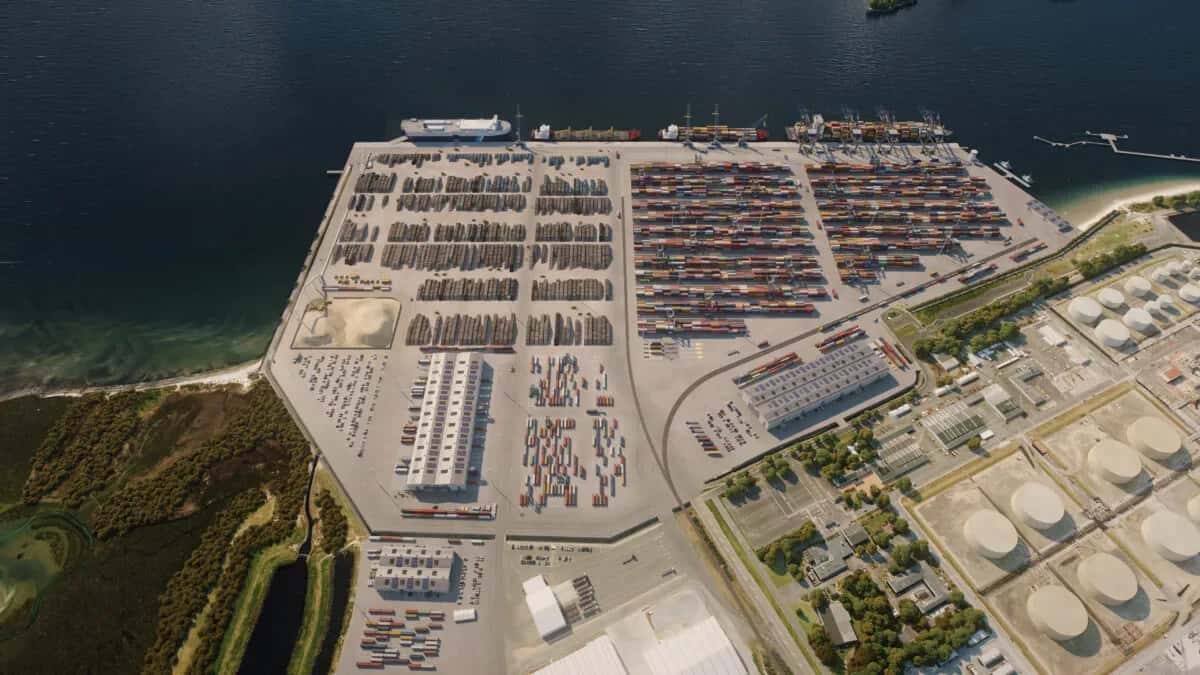
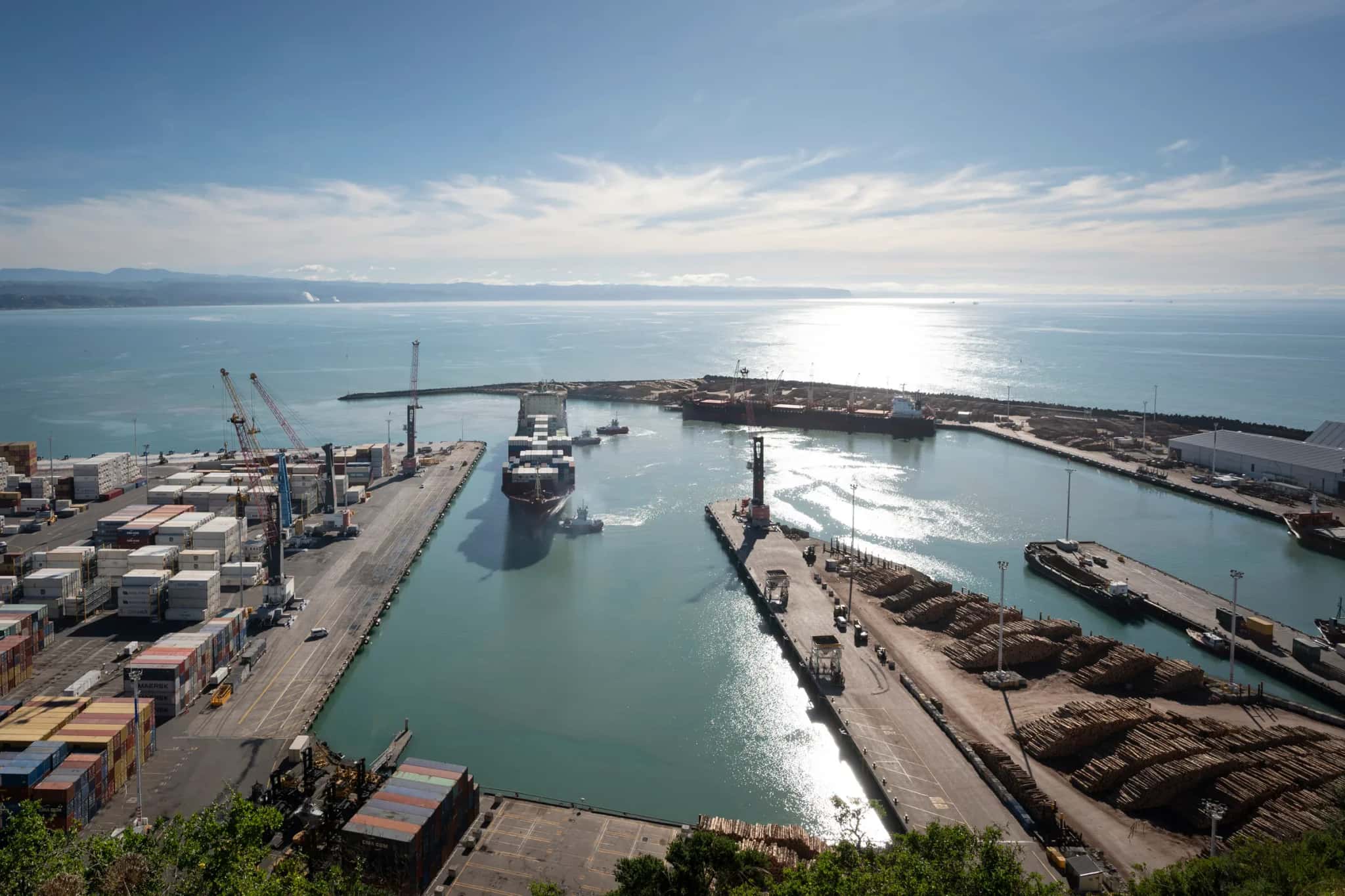
Northport Berth MP3 Mooring Assessment
Located at Marsden Point near Whangārei, Northport’s deep-water commercial port is the northernmost port in New Zealand, boasting three multipurpose berths. Since opening up to accept dedicated container ships in 2018, the largest and easternmost berth, MP3, has seen an…
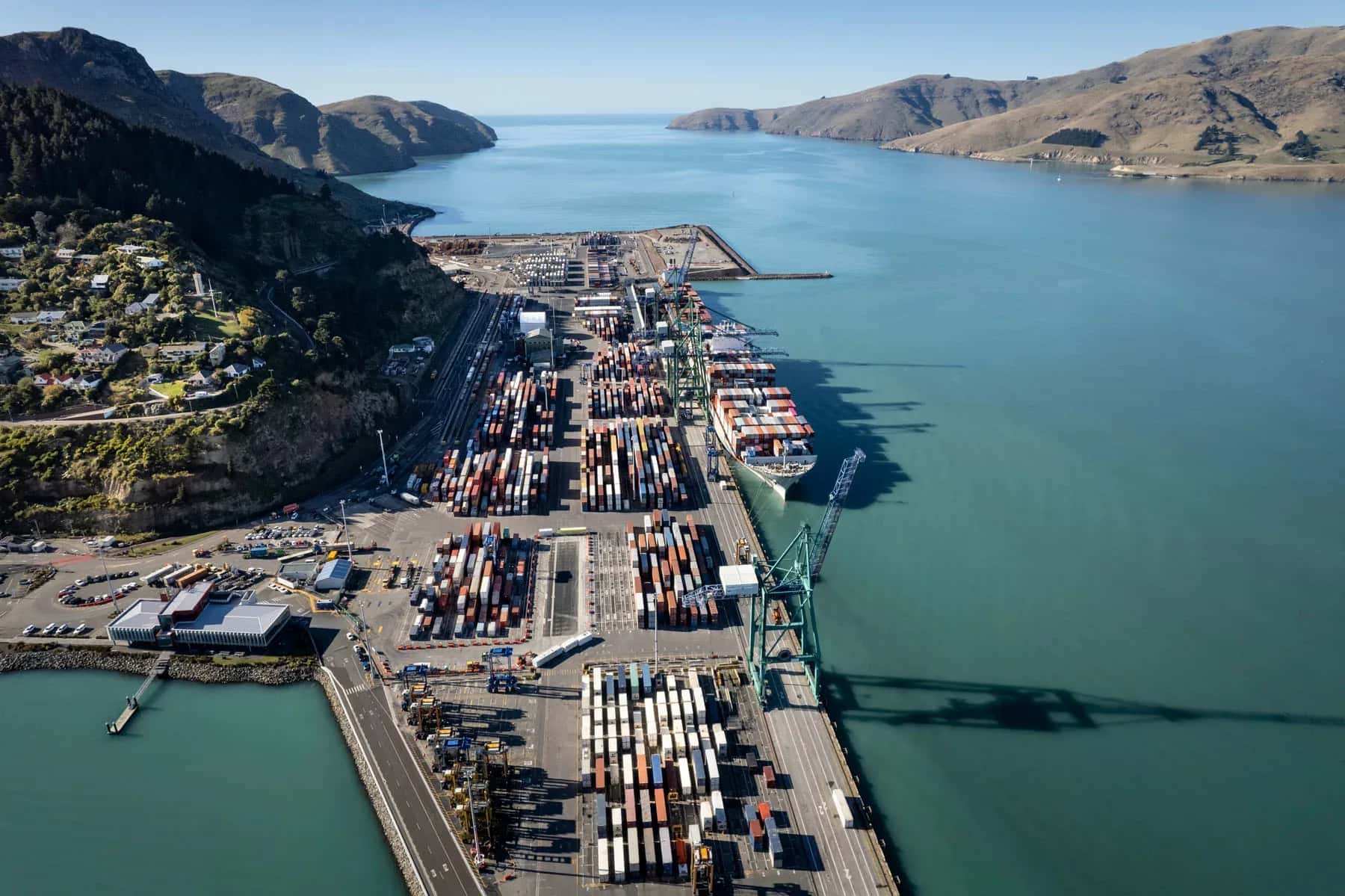
Lyttelton Port Container Crane Inspections
Handling exports worth $6.2 billion annually and processing 430,000 twenty-foot equivalent units each year, the Lyttelton Port Company is the biggest port on New Zealand’s South Island.
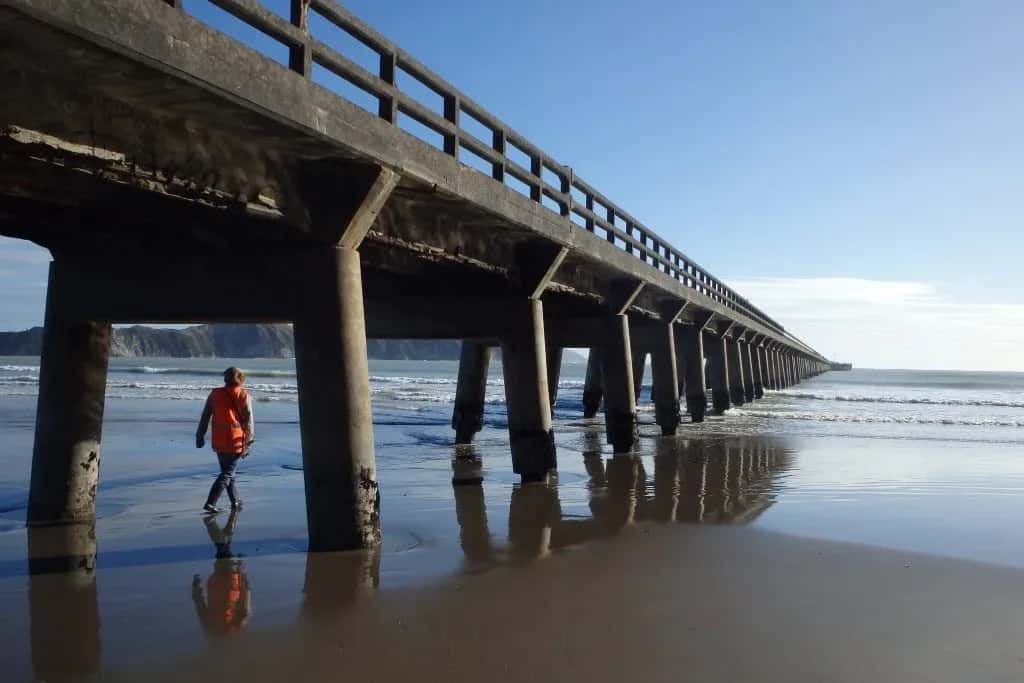
East Cape Wharf Inspections
Following Cyclone Pam, the three main wharves of the East Cape required structural inspections for any damage or defects resulting from the storm. Wharves inspected were; LDE completed full visual inspections on each of the wharves. This included load checks for structure...
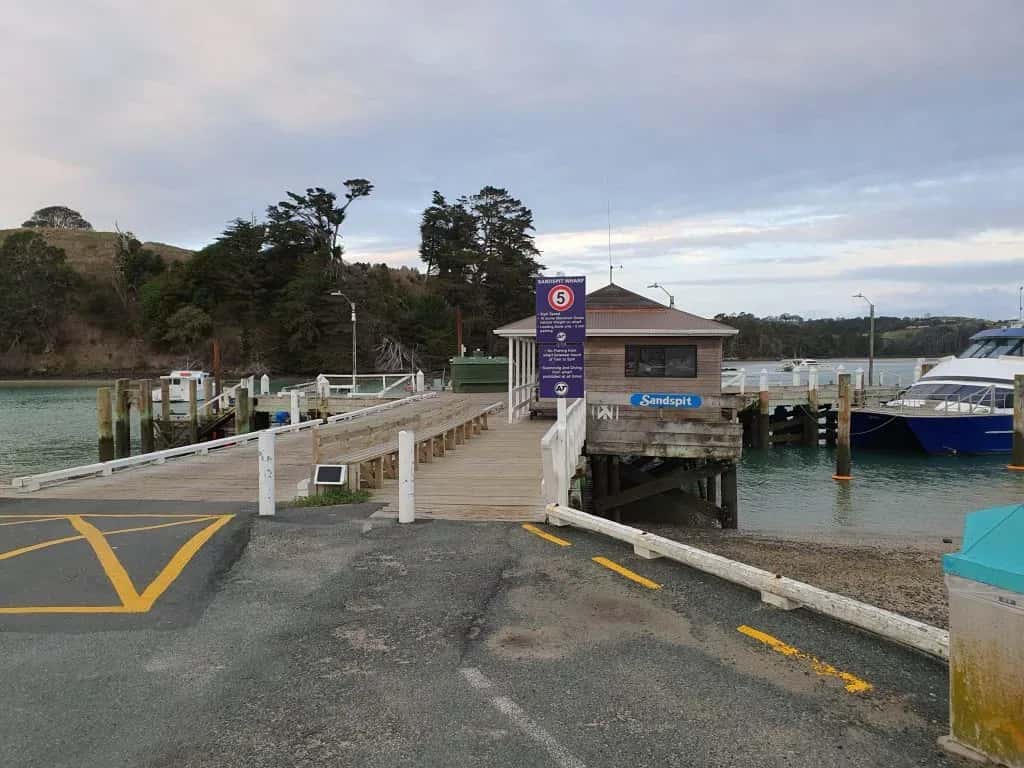
Sandspit Wharf Upgrades
Sandspit, Auckland
Sandspit is a settlement in the Auckland region, located on the Mahurangi Peninsula. The Sandspit wharf is the main public wharf for ferries and private vessels to access Kawau Bay and Kawau Island. Following a preliminary report from a third party, LDE was asked to provide...
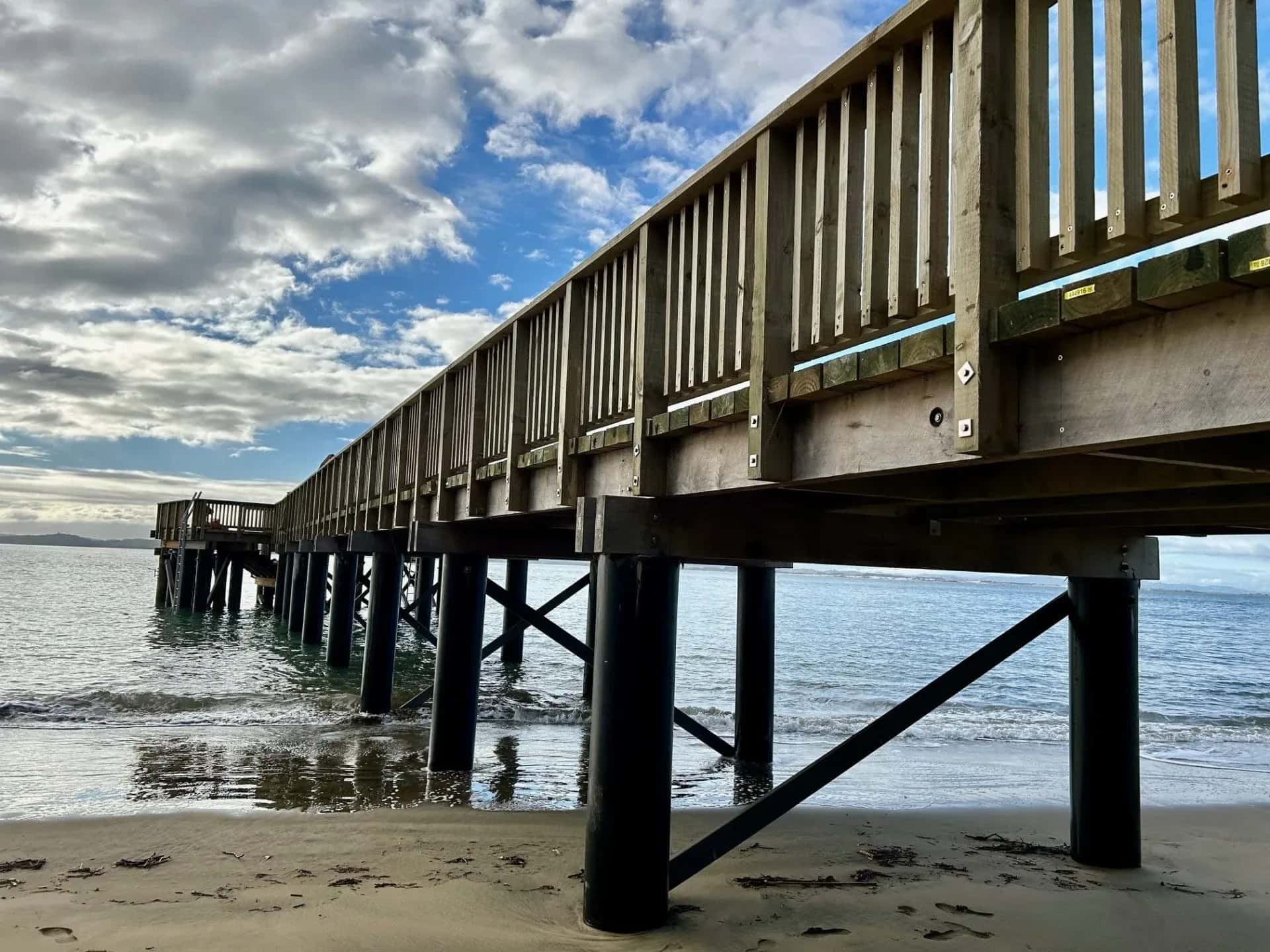
Pōuto Wharf Design and Build
Kaipara District Council
Pōuto Point, Kaipara Harbour
Major coastal infrastructure project delivering a 60-metre timber wharf head and walkway, landside paths, armourstone revetment, and piled concrete abutment in one of Northland's most challenging harbour environments. Project value: $2.9 million.
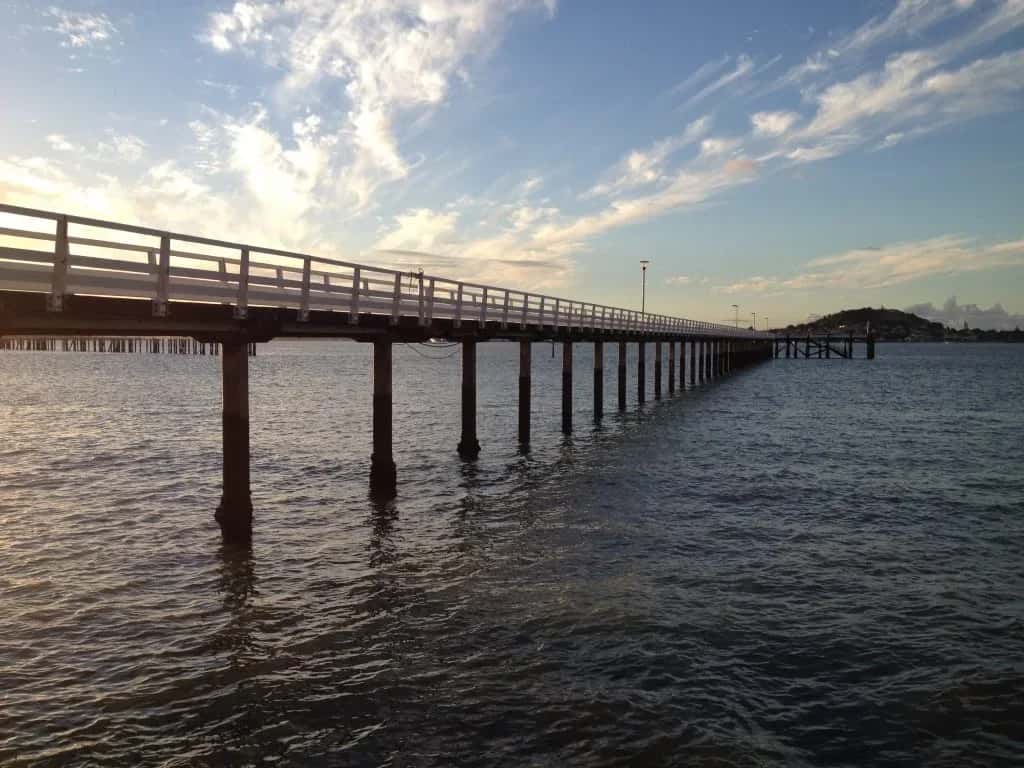
Ōrākei Wharf Piles
Ōrākei, Auckland
LDE undertook a detailed investigation to determine the extent of the pile failures and repair methods to be carried out in situ. Ōrākei wharf, an iconic part of Auckland’s industrial heritage, this 230m long reinforced concrete wharf was built in 1983. The concrete piers of...
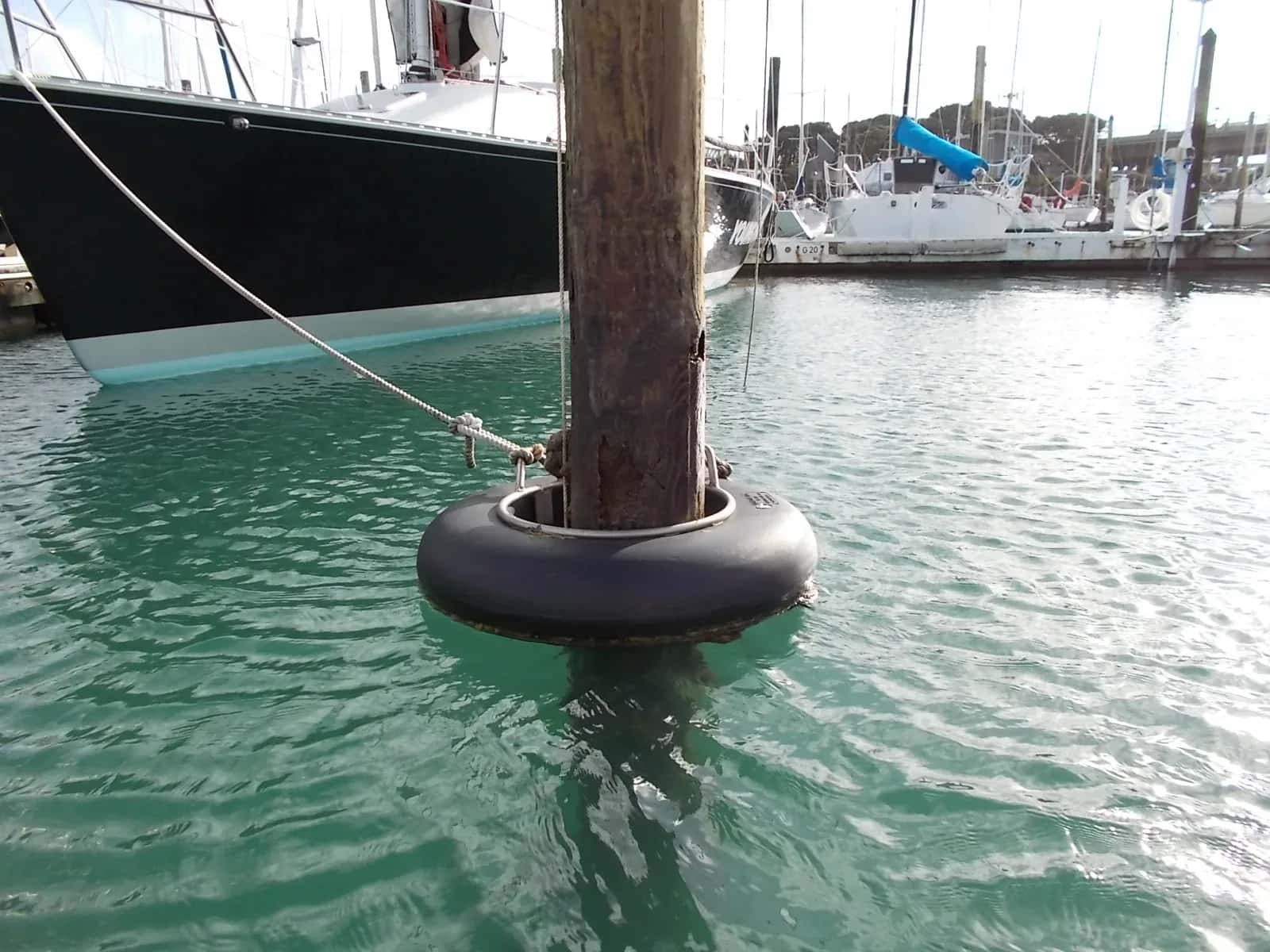
Westhaven Marina Pile Inspections
Westhaven Marina is the heart of boating in Tamaki Makaurau and is a short walk from the city centre. LDE was engaged in providing an engineering condition assessment of the piles for the marina berths and the piles within the mooring areas of the Westhaven Marina. These...
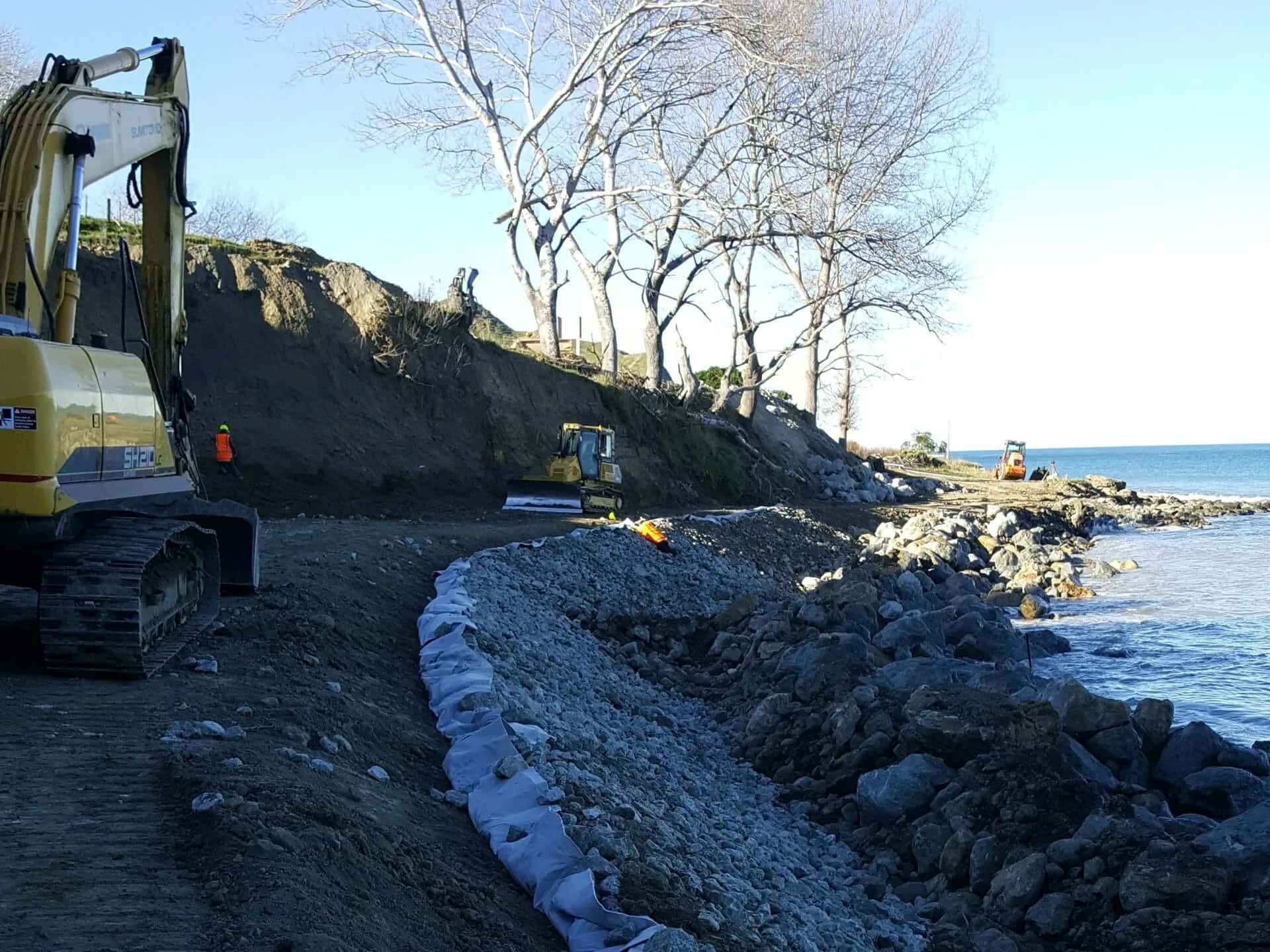
Anaura Bay Coastal Protection Structure
Anaura Bay
We designed a 200 m-long rock-lined coastal protection structure.
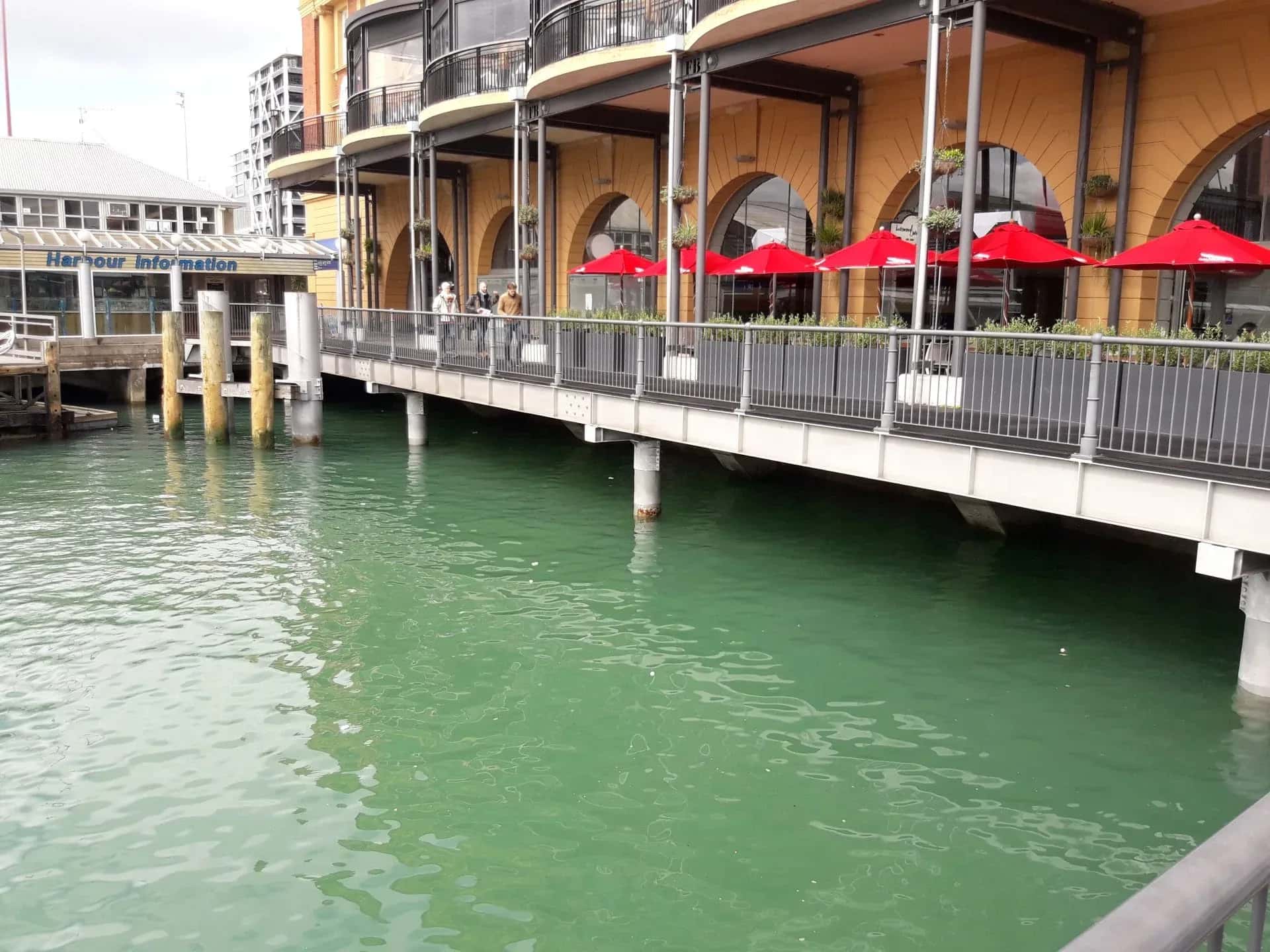
Auckland Ferry Terminal Seawall Repair
Auckland
The historic Ferry Terminal (harbourside) building was constructed in 1912. A reinforced concrete seawall beneath the terminal descends 8m deep and protects the building’s stability against significant backwash from the daily ferry services that operate out of the terminal. A...
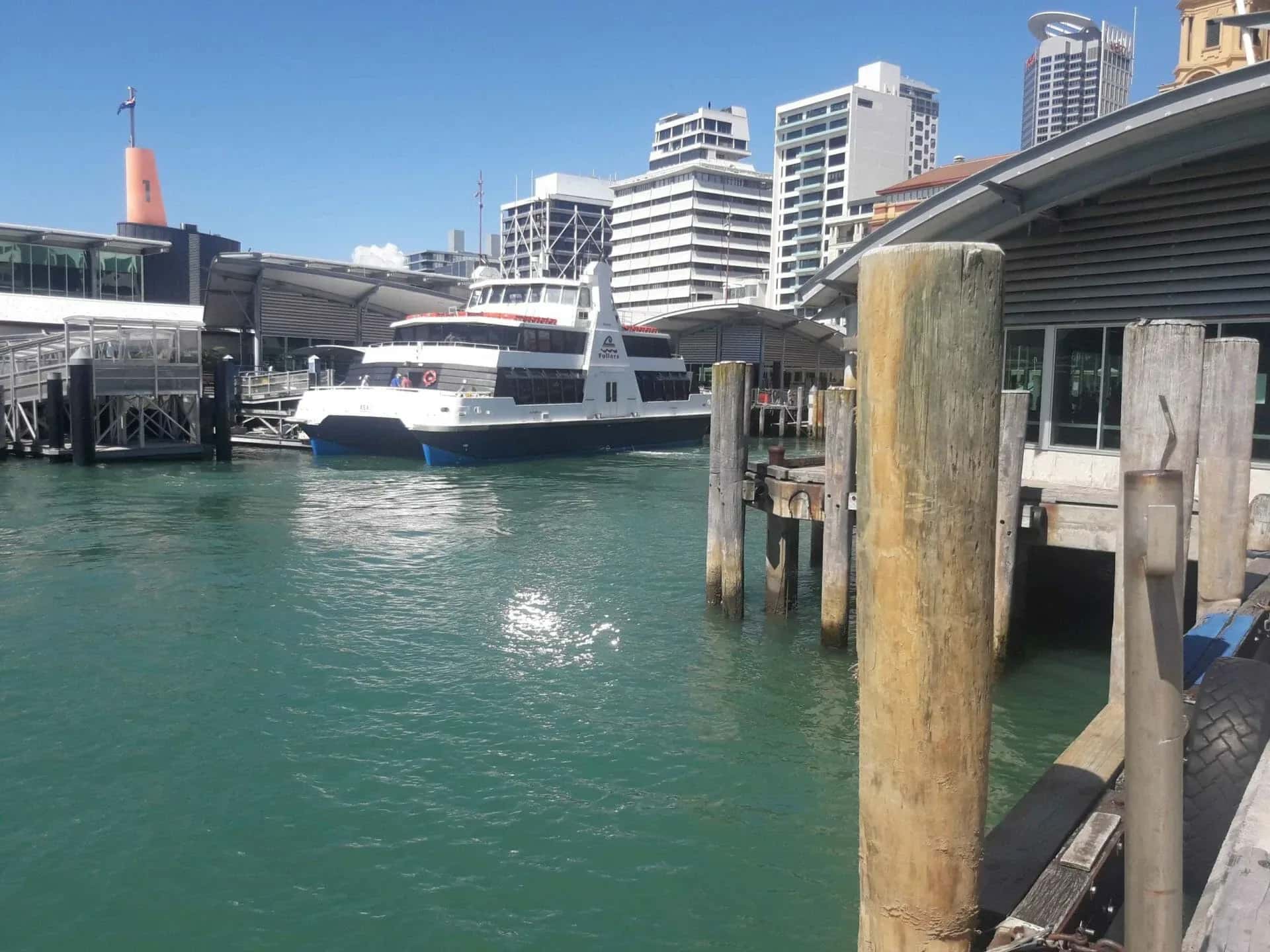
Auckland Ferry Terminal Modifications
Auckland
Detailed design drawings for the ferry terminal modifications for berthing fenders and deck repairs.
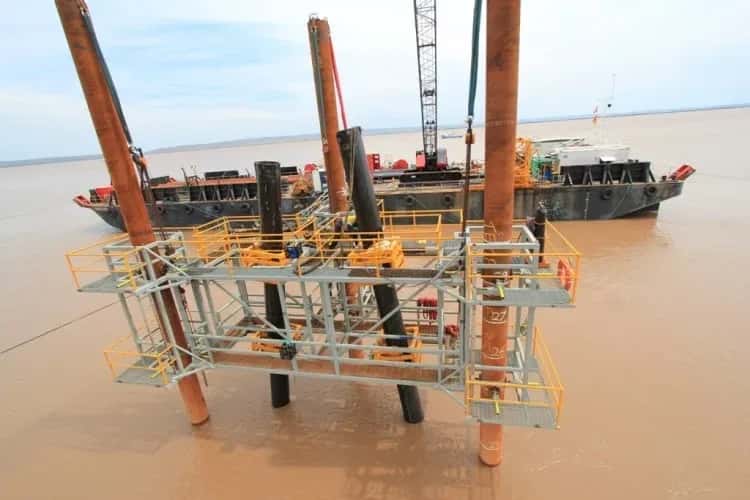
Wyndham Jetty
Wyndham, Australia
The project involved the design and construction supervision of a new community jetty, along with a 40m long berthing pontoon to service vessels ranging from 5m to 50m in length. All-tide access was provided via a 45 m long hinged gangway. WGA’s design of construction aids…