Experience
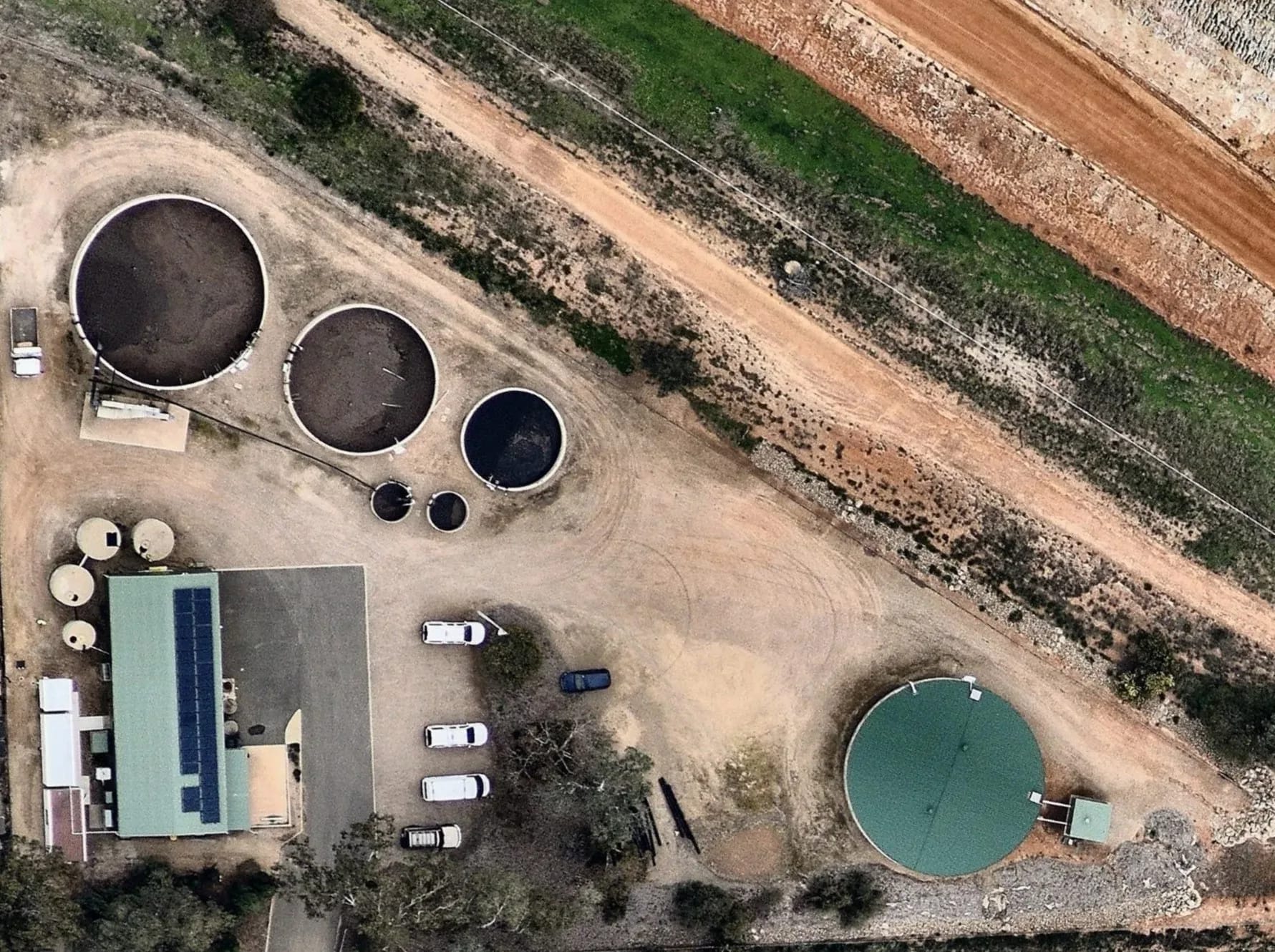
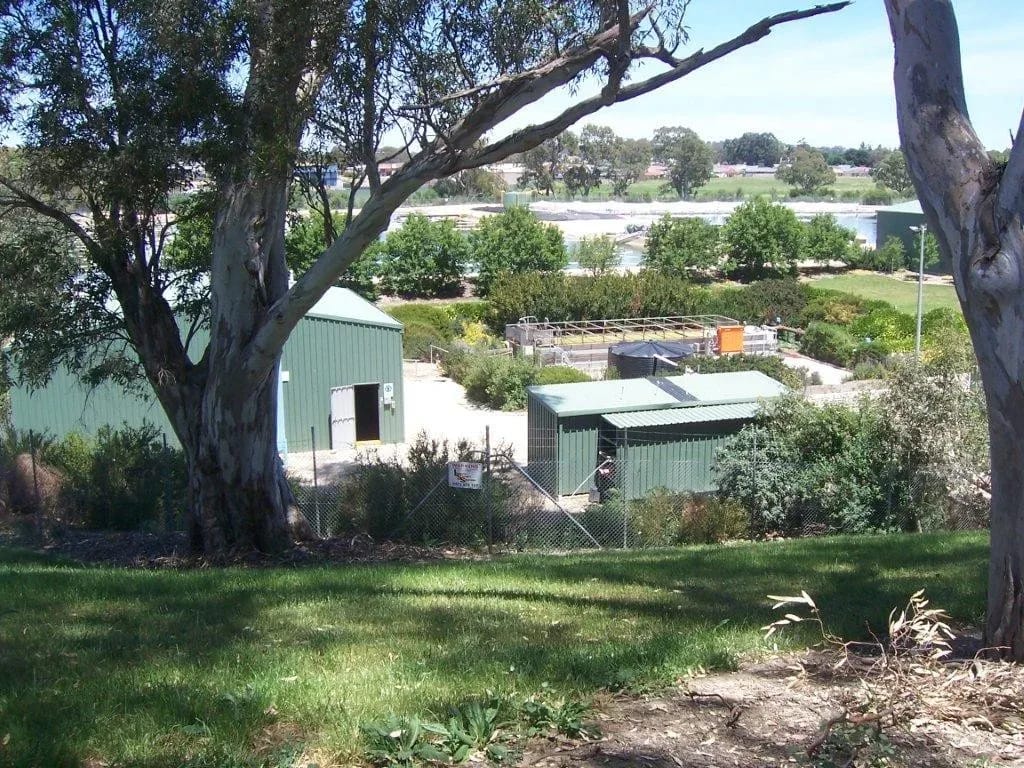
Wastewater Management
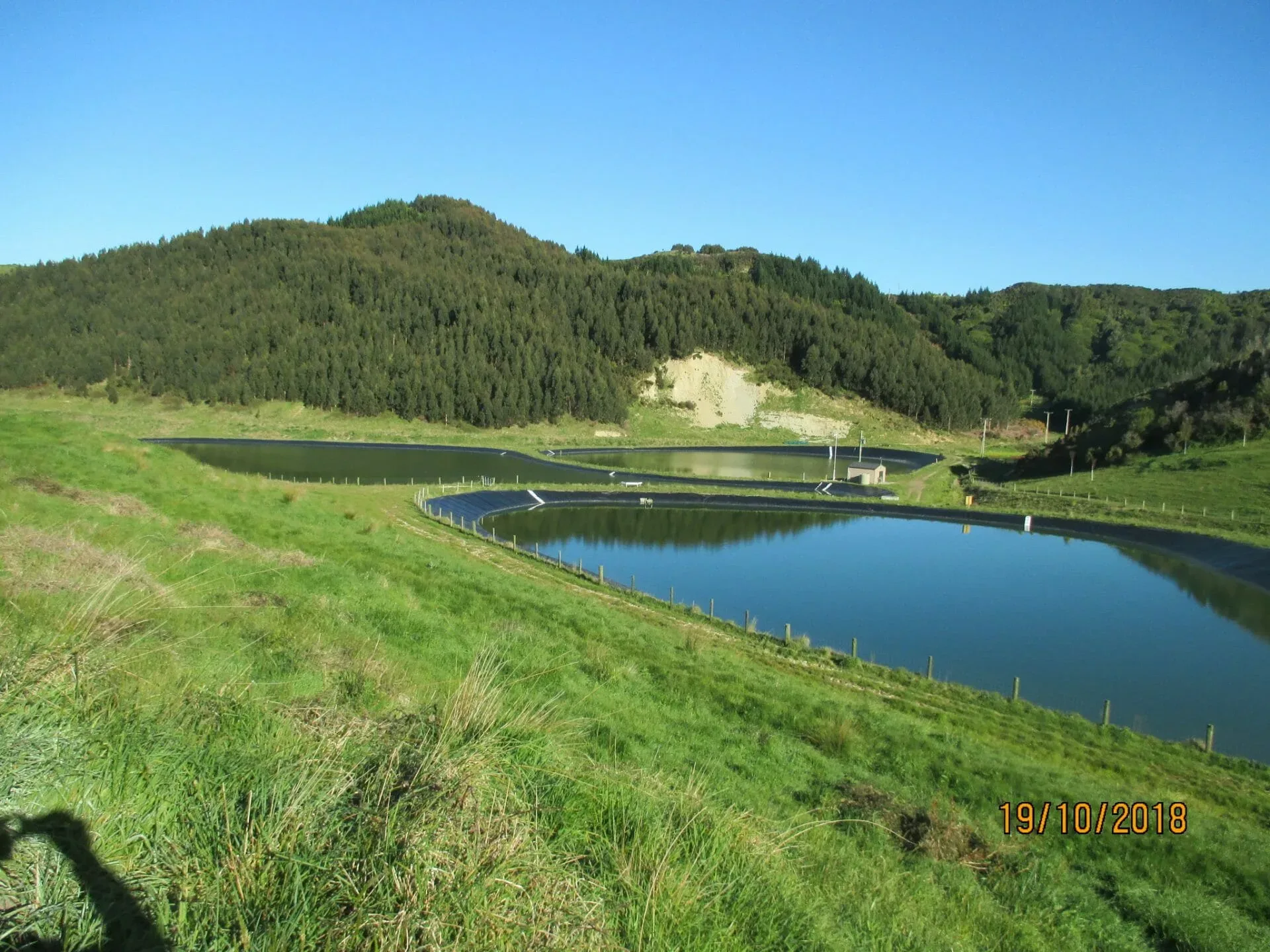
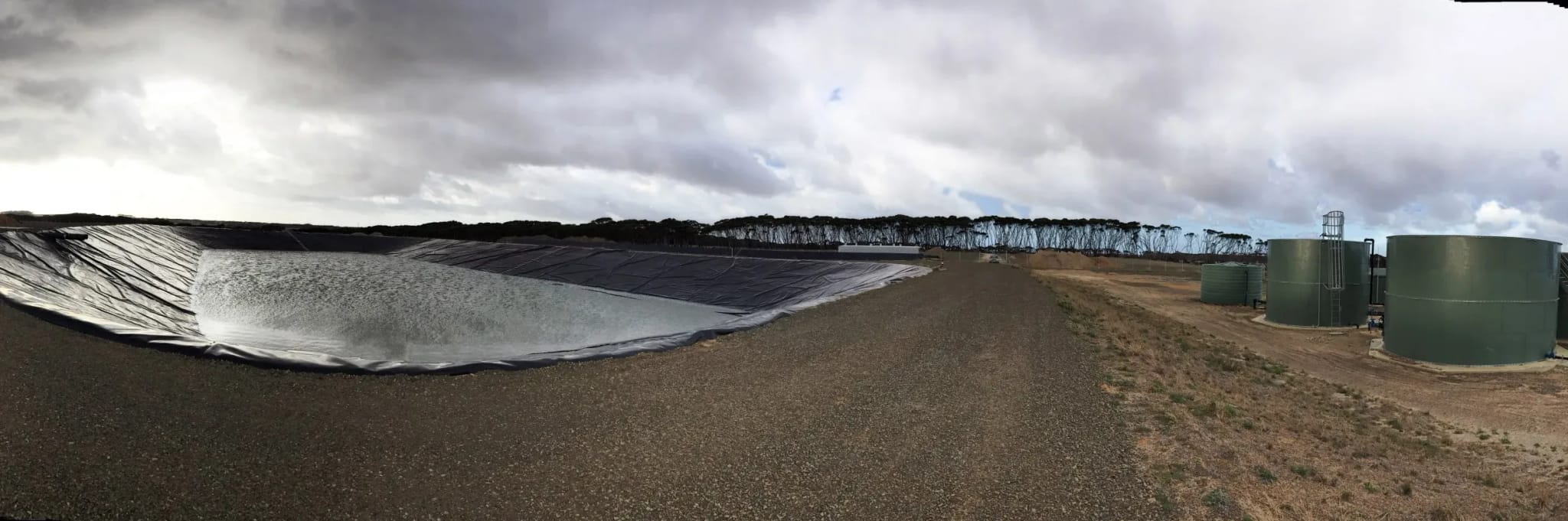
LDE offers innovative wastewater management solutions tailored to meet the needs of residential, commercial, and industrial clients. The team designs systems for efficient collection, treatment, and disposal while protecting public health and meeting regulatory standards, ranging from decentralised treatment to large-scale infrastructure.
System Design and Optimisation
Compliance and Regulation
On-Site Wastewater Treatment
Environmental Impact Assessments
Monitoring and Maintenance Plans
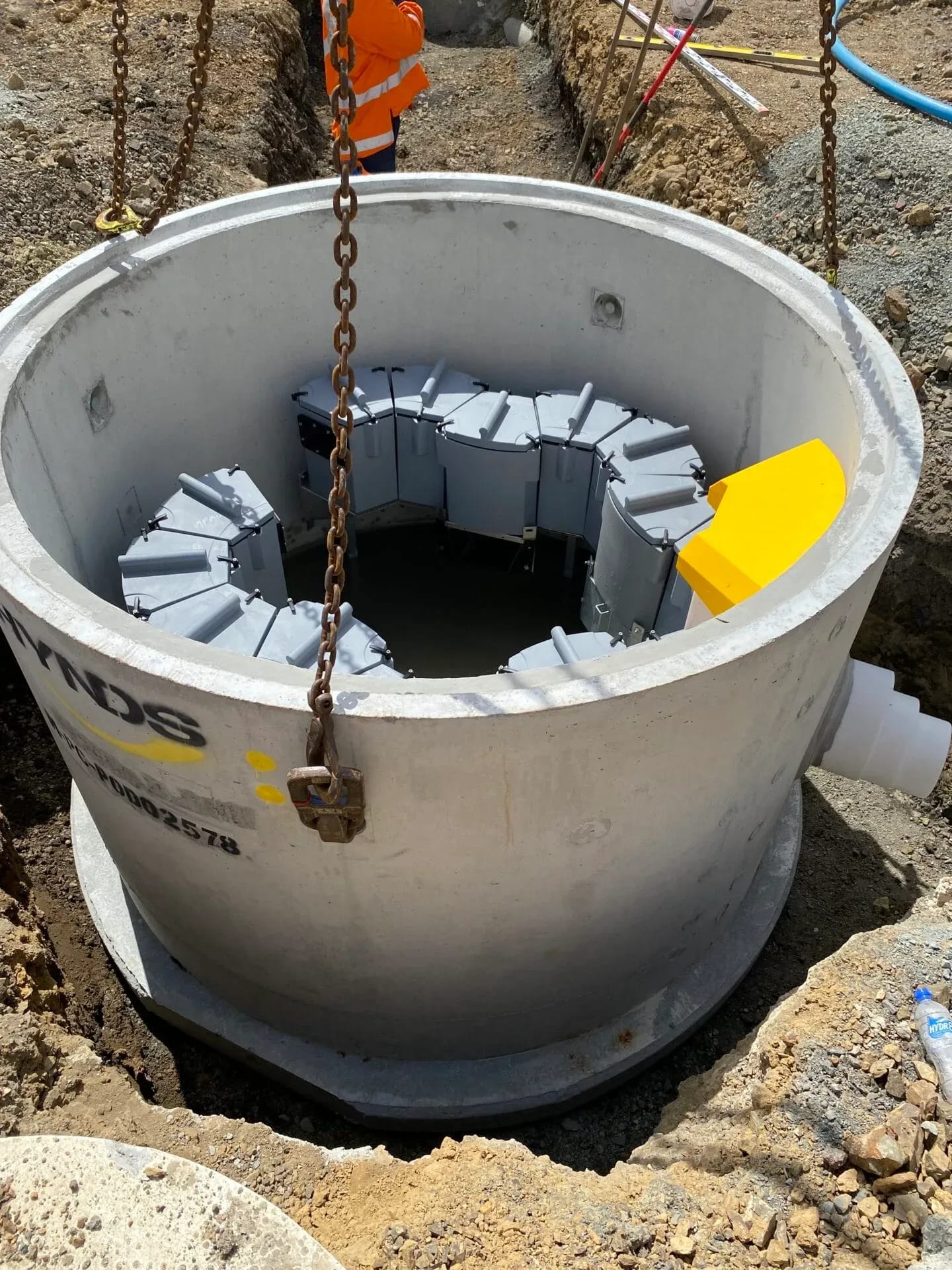
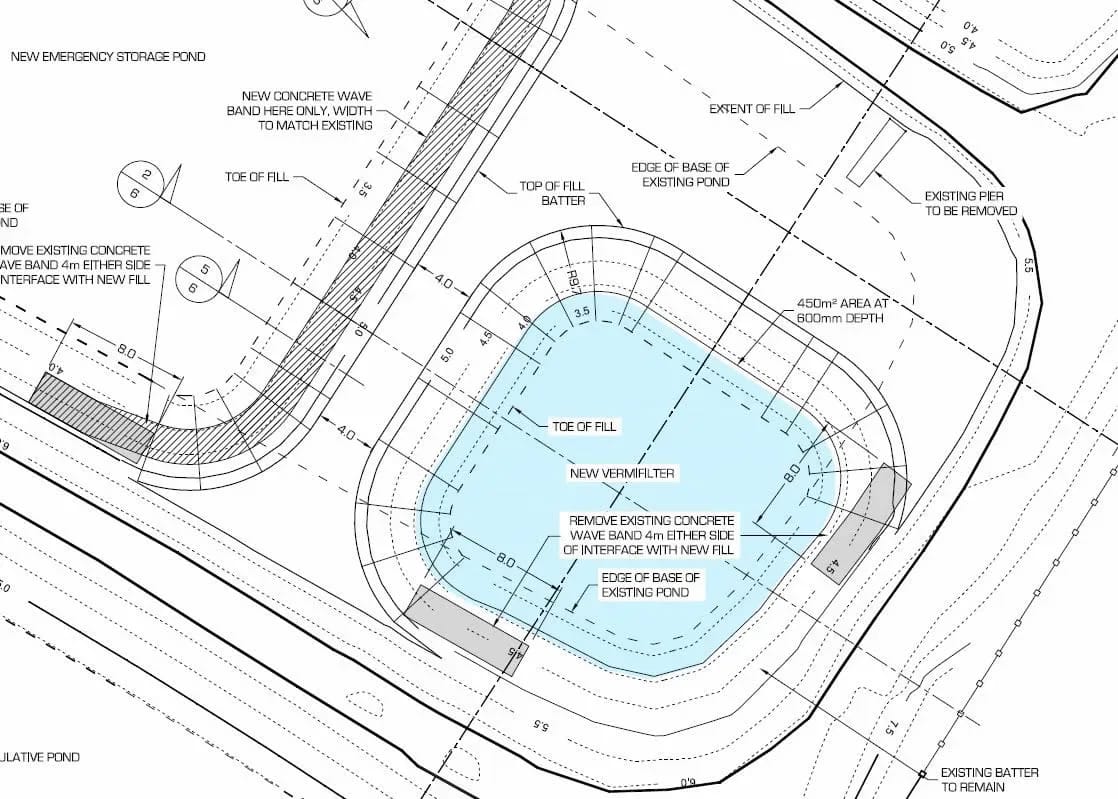
Stormwater Management
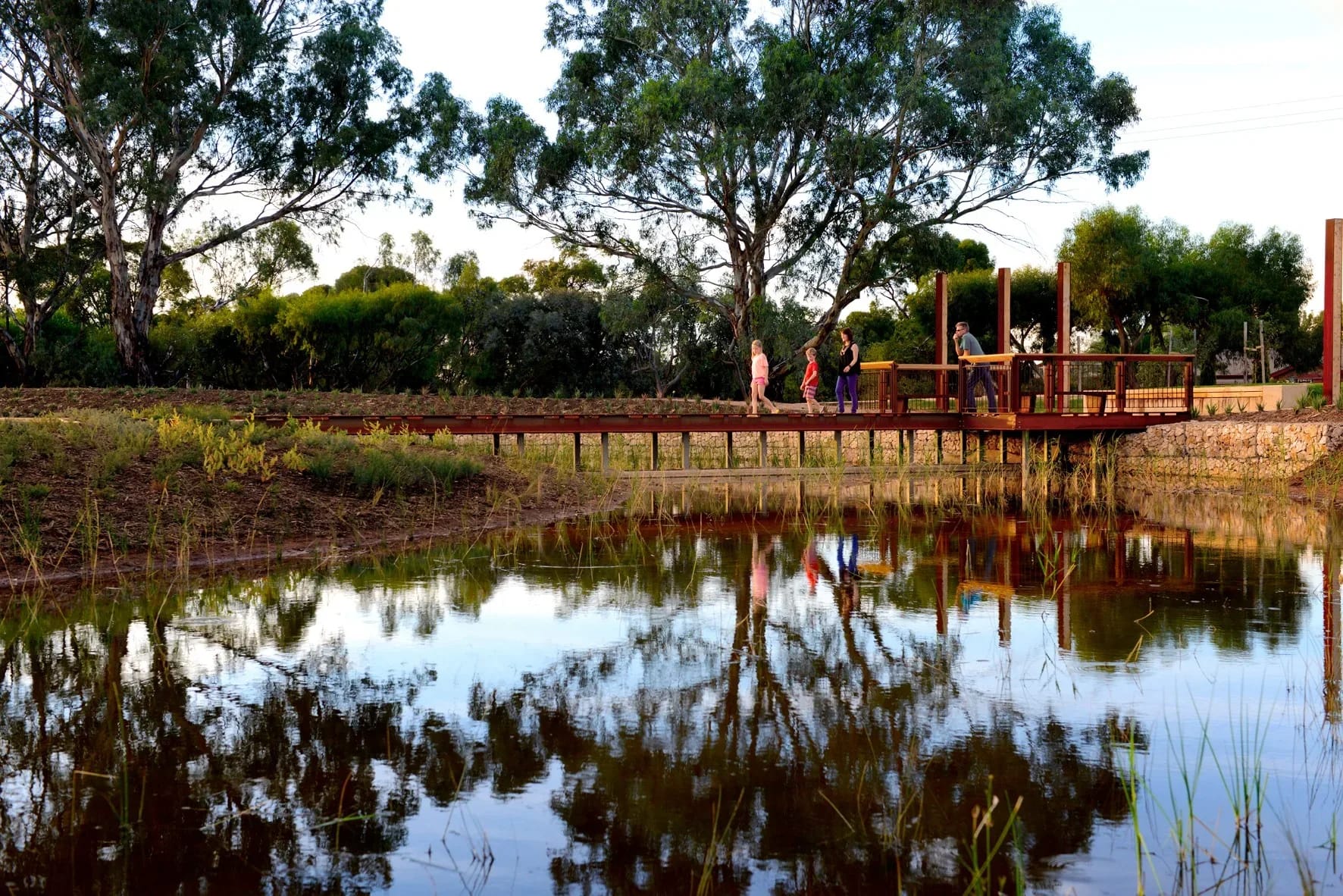
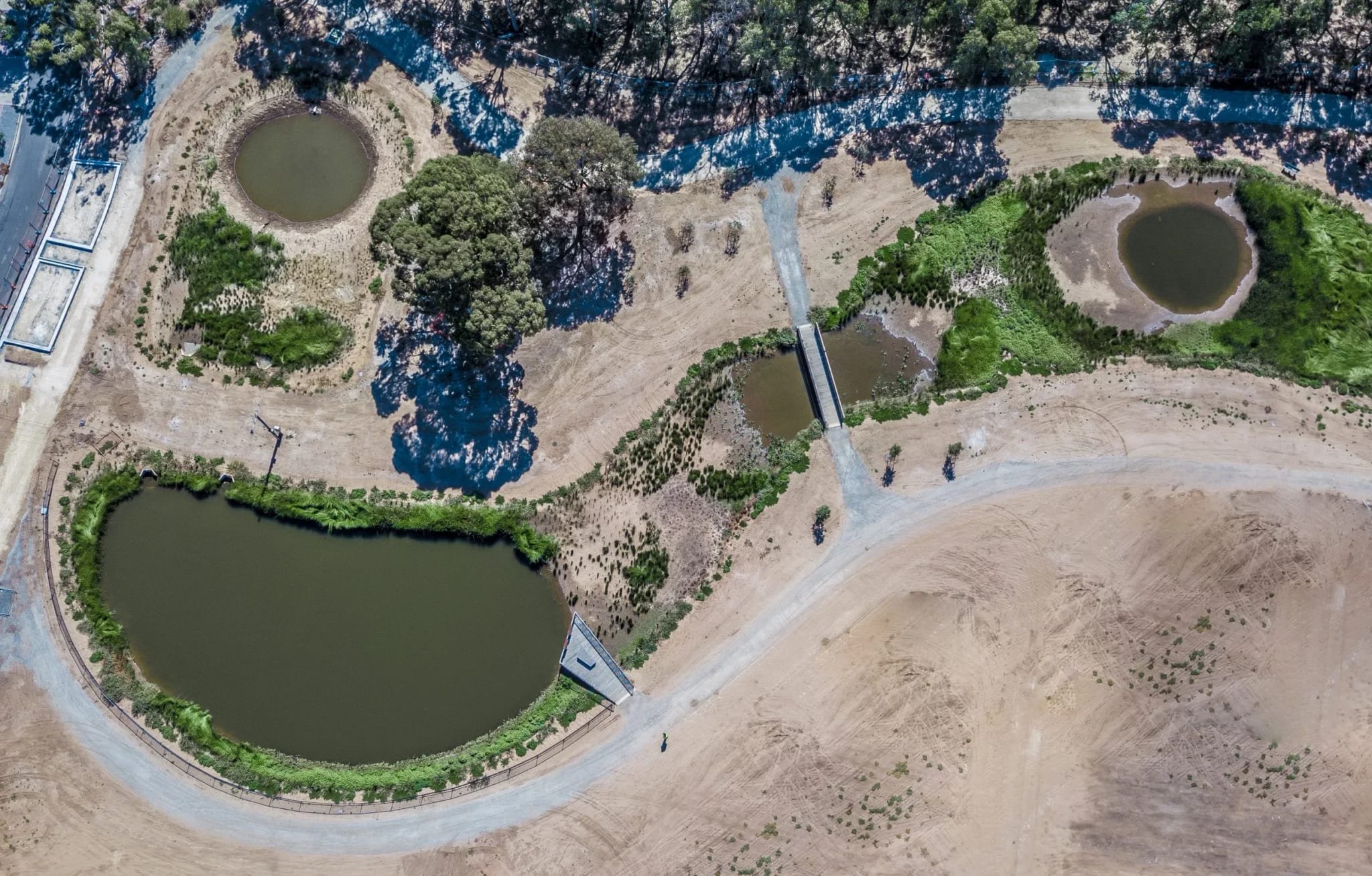
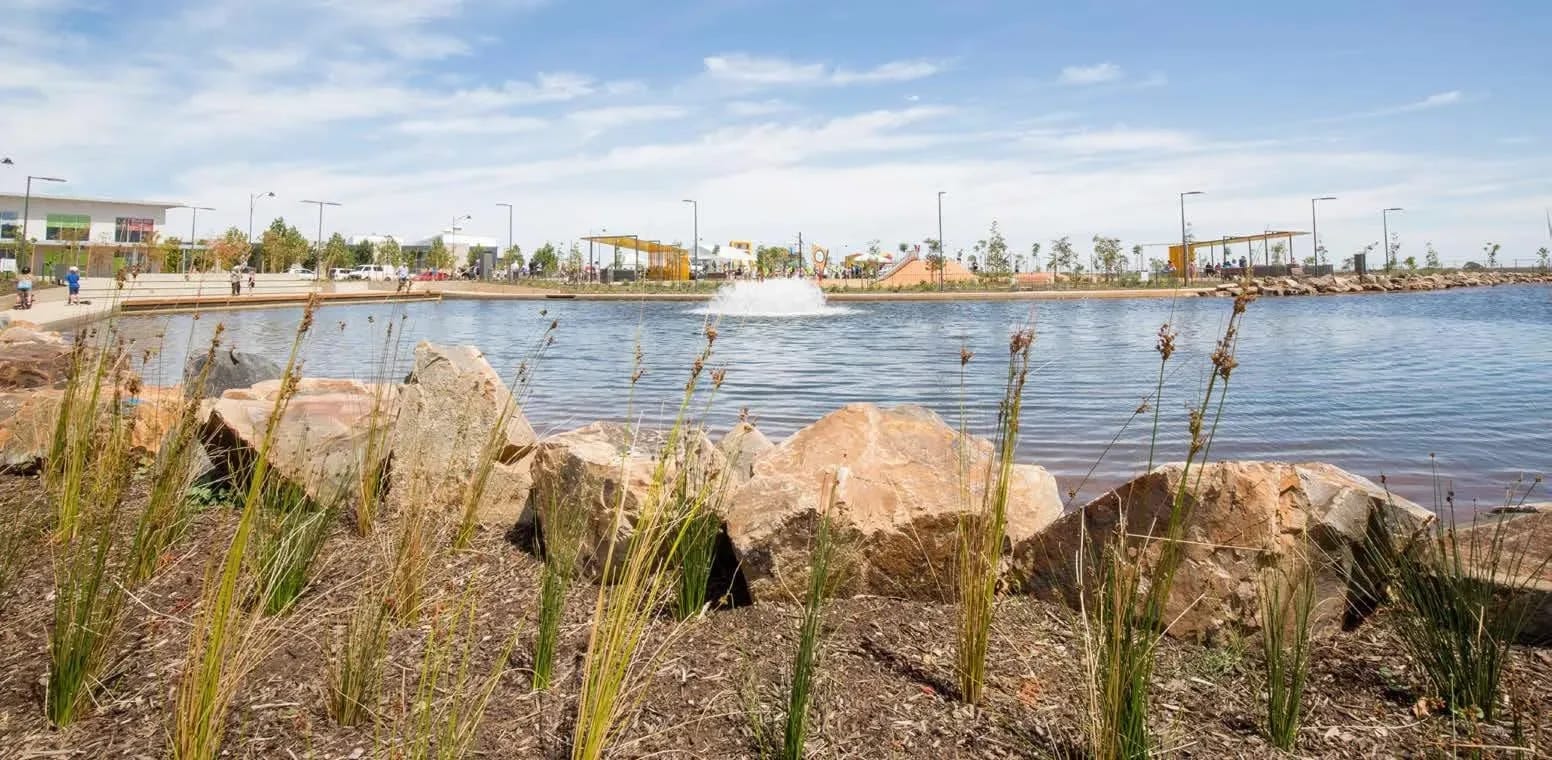
LDE specialises in designing and implementing stormwater management systems that protect communities from flooding, control erosion, and safeguard water quality. The approach integrates hydrological analysis with infrastructure solutions for sustainable outcomes in urban and rural settings.
Stormwater System Design
Flood Risk Management
Erosion Control
Green Infrastructure
Stormwater Quality Improvement
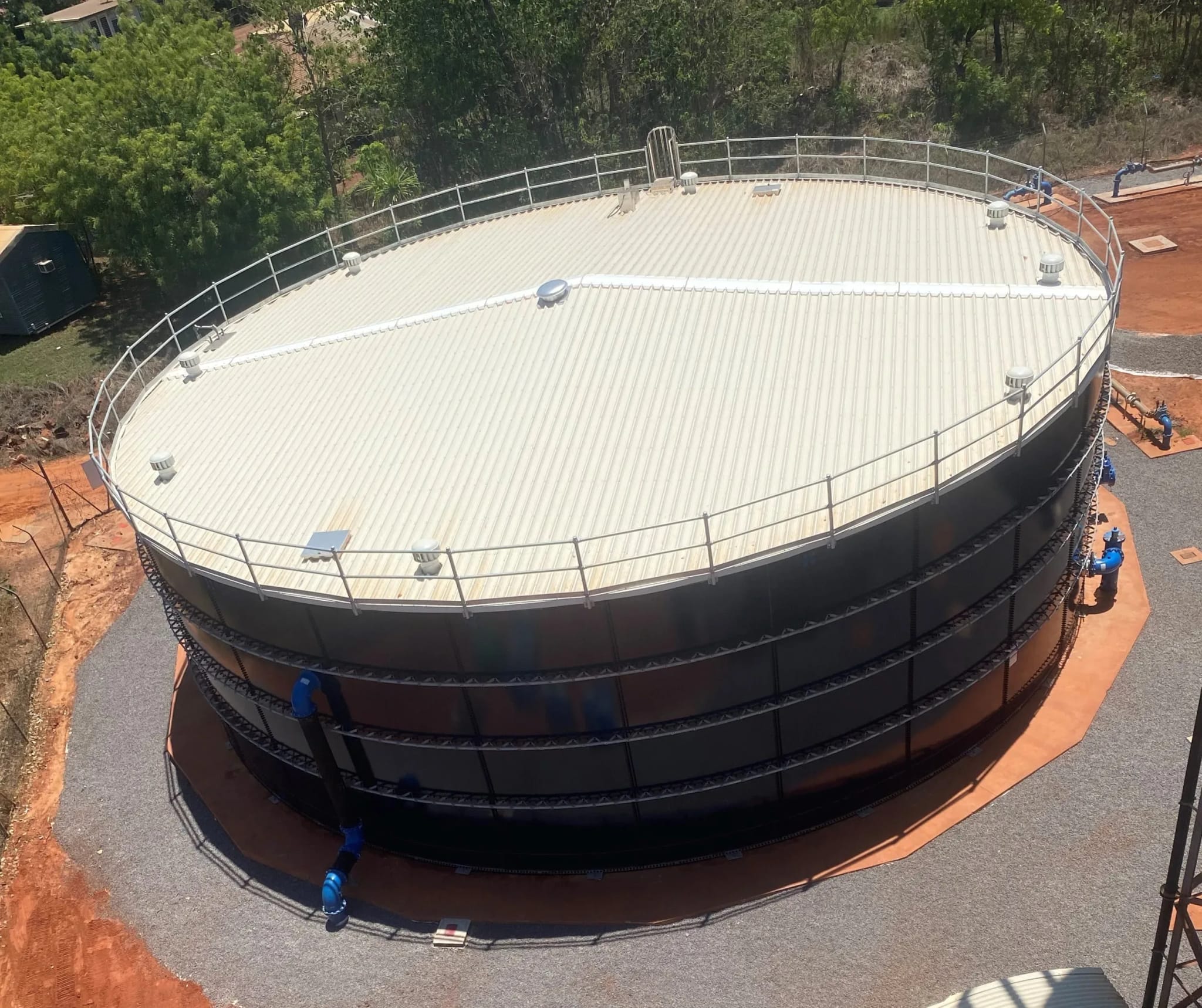
Drinking Water Supply
At LDE, we provide reliable and sustainable drinking water supply solutions to meet the needs of communities, businesses, and industries. Services emphasise safety, efficiency, and adherence to stringent standards, with end-to-end solutions from source to tap.
Water Treatment Systems
Distribution Network Design
Storage Solutions
Regulatory Compliance
System Upgrades and Maintenance
Trade Industrial Waste
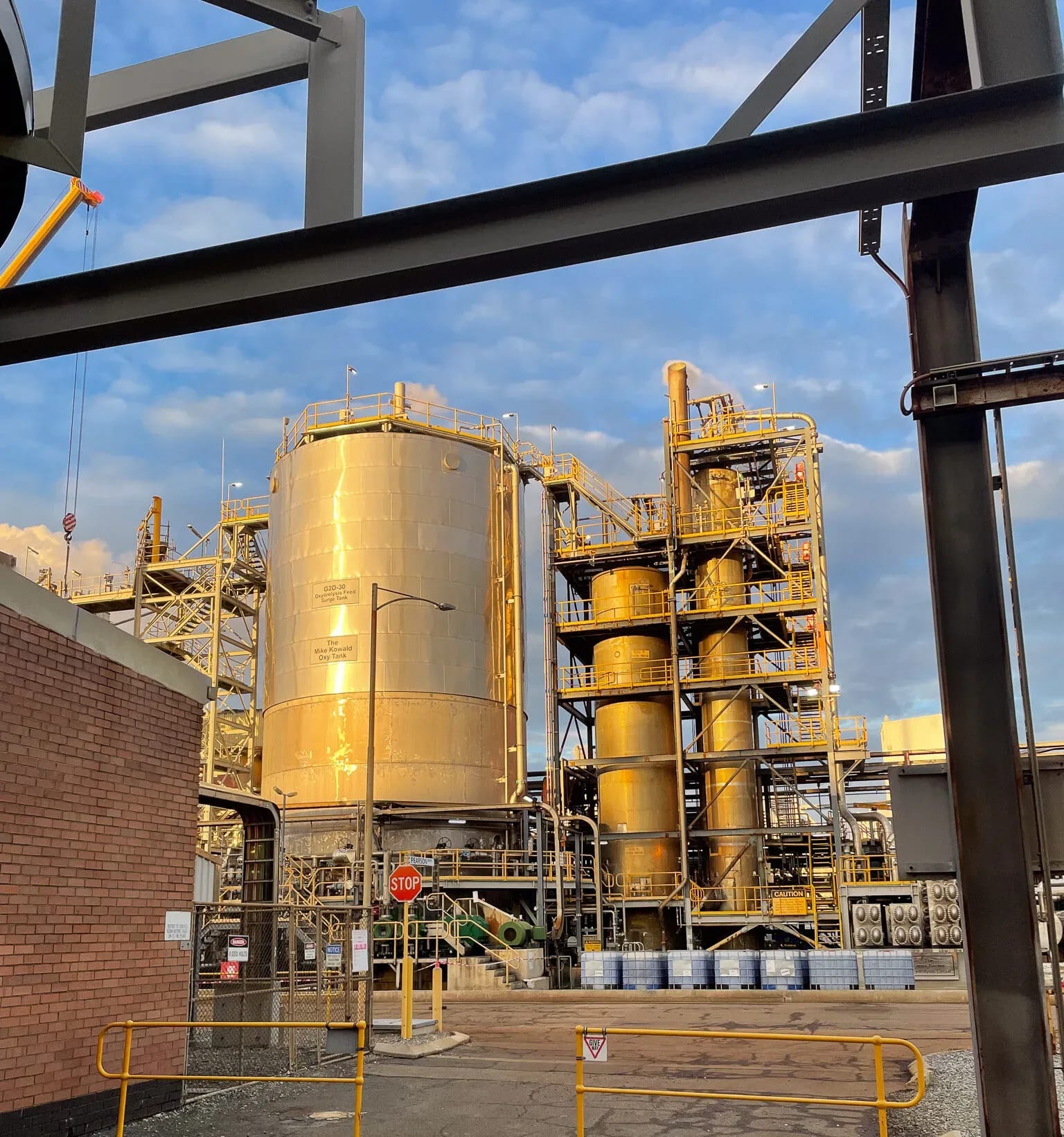
LDE manages trade and industrial waste streams across manufacturing, food and beverage processing, forestry, dairy, and pharmaceuticals sectors, providing innovative, sustainable, and practical solutions to complex environmental and engineering challenges.
Assessment of Trade and Industrial Wastes: sampling and analysis, waste characterisation, impact assessment
Design and Optimisation of Treatment Systems: pre-treatment, biological, chemical and physical treatment, emerging technologies, system optimisation
Compliance Monitoring and Reporting: regulatory liaison, monitoring programs, data analysis and reporting, risk assessment
Sustainable Solutions and Resource Recovery: waste minimisation, resource recovery, carbon reduction
Local Water Done Well
Local Water Done Well is the Government reform programme that requires every council to set out how its drinking water, wastewater and stormwater services will be delivered and funded, and to show those services are financially sustainable and meet the regulatory standards. We help councils, developers and asset owners work to that framework: assessing network capacity and condition, building the renewals and growth cases that sit behind a water services delivery plan, and designing the treatment, reticulation and stormwater works that follow from it.
How we work with councils, developers and asset owners
Water services work is rarely a single design. It is a sequence of decisions about capacity, condition, cost and consent, made over years, and the useful consultant is the one who can hold that whole sequence in view while still delivering the drawing that is due on Friday.
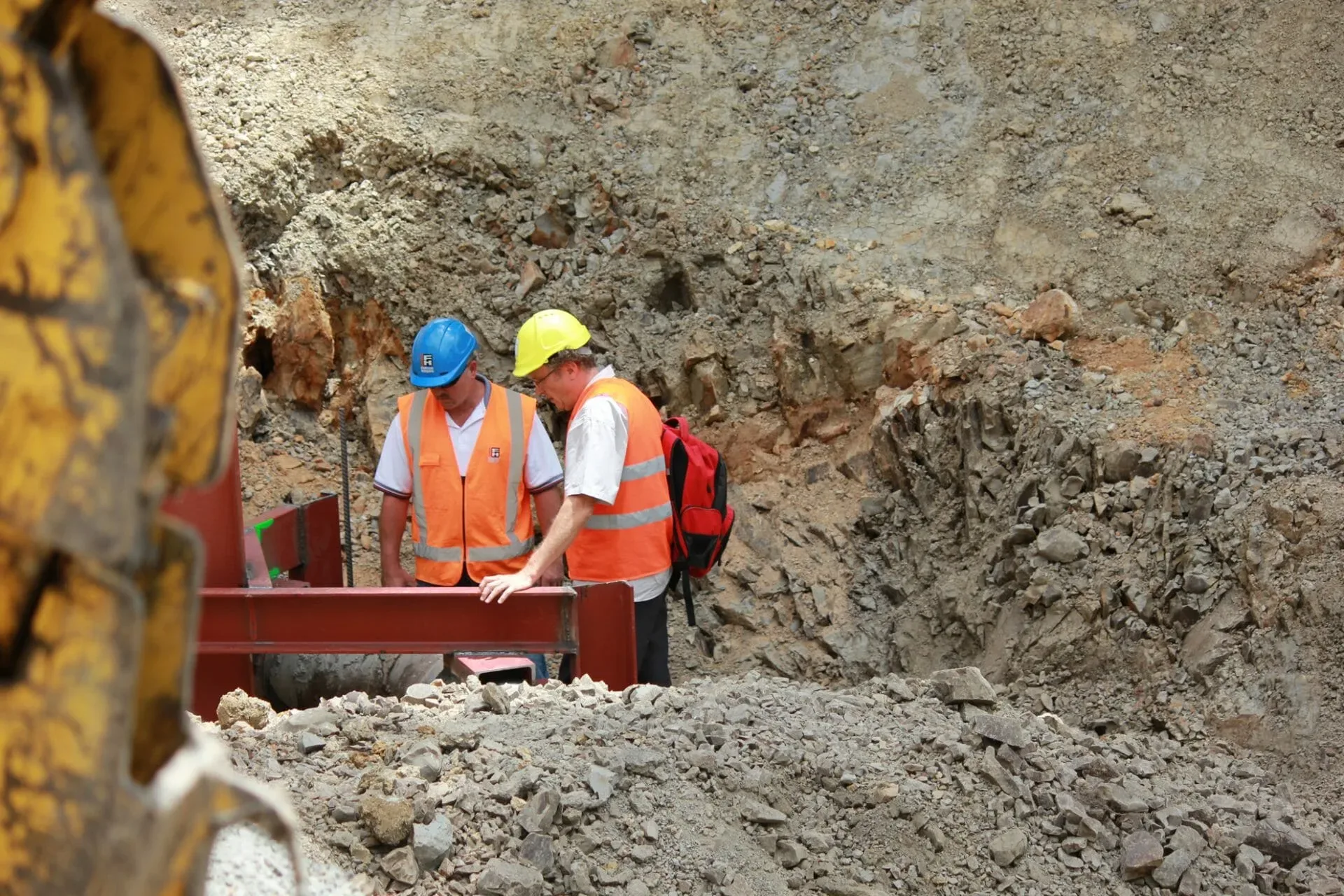
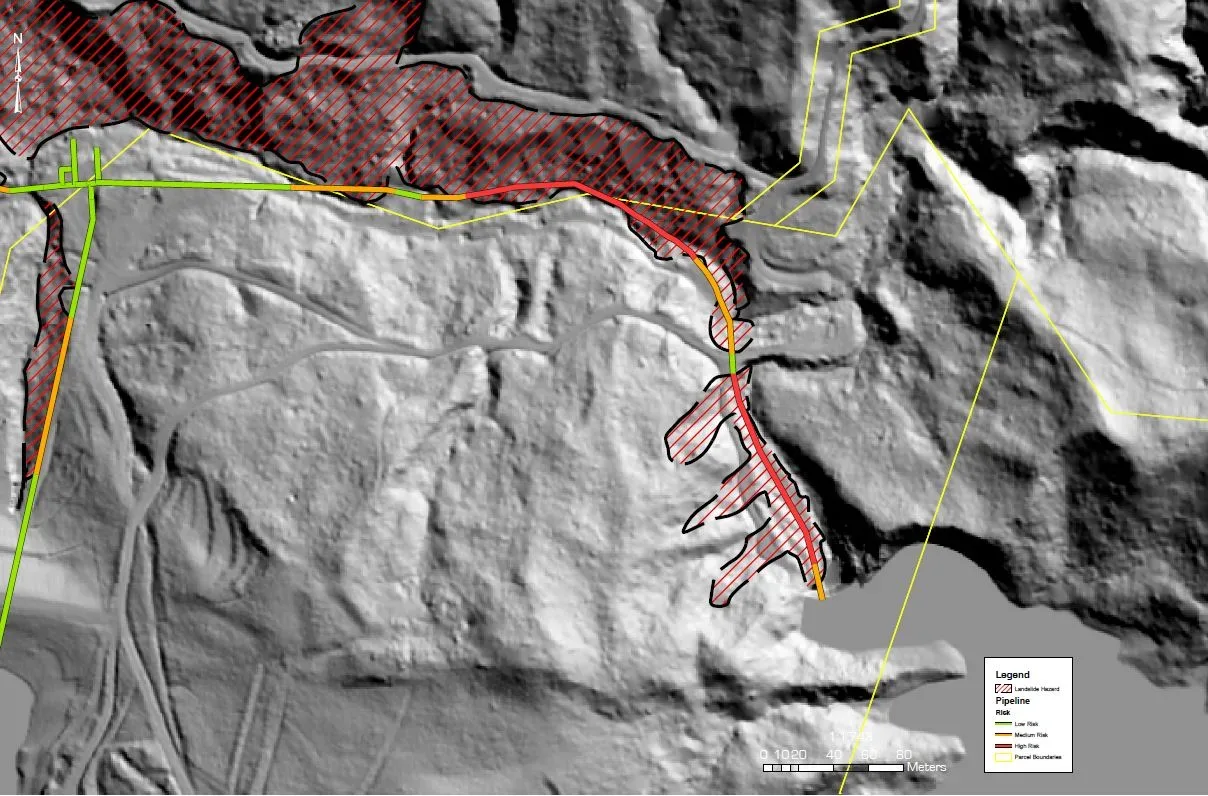
We start by establishing what the network or the site can actually take. That means capacity and condition assessment before concept design, catchment and hydraulic modelling before pipe sizing, and an honest read on where the constraint really sits, which is often not where the complaint came from. From there we move into options, consenting support and detailed design, and we stay available through construction, because the questions that decide whether a scheme performs tend to arrive on site rather than in the design review.
Network capacity, condition and renewals assessment
Catchment, hydraulic and hydrological modelling
Options and feasibility assessment with whole-of-life cost
Detailed design of treatment, reticulation and stormwater works
Consenting support and technical evidence
Construction monitoring, commissioning and operational advice
Designing for the water that is coming, not the water that came
Rainfall intensities, growth projections and regulatory expectations have all moved, and a network sized on historic figures will not behave the way its designer intended. We build climate and growth allowances into the assessment rather than bolting them on at the end, test schemes against the events that actually cause failure, and set out plainly what a design does and does not protect against. That last part matters most: an asset owner who understands the residual risk can plan for it, and one who has been told the problem is solved cannot.
Common questions about water services
What do your water services cover?
Wastewater, stormwater, drinking water and trade industrial waste, which is the full three waters scope. We design systems for efficient collection, treatment and disposal, stormwater systems that protect against flooding, erosion and water pollution, drinking water supply from source to tap, and treatment for trade and industrial waste streams across manufacturing, food and beverage, forestry, dairy and pharmaceuticals.
Can you help with Local Water Done Well?
Yes. Local Water Done Well is the Government reform programme that requires every council to set out how its drinking water, wastewater and stormwater services will be delivered and funded. We help councils, developers and asset owners work to that framework: assessing network capacity and condition, building the renewals and growth cases behind a water services delivery plan, and designing the works that follow.
Where does a water services project usually start?
By establishing what the network or the site can actually take. That means capacity and condition assessment before concept design, catchment and hydraulic modelling before pipe sizing, and an honest read on where the constraint really sits, which is often not where the complaint came from. Options, feasibility with whole-of-life cost, consenting support and detailed design follow from there.
Do you design for climate change and growth?
Rainfall intensities, growth projections and regulatory expectations have all moved, and a network sized on historic figures will not behave the way its designer intended. We build climate and growth allowances into the assessment rather than bolting them on at the end, test schemes against the events that actually cause failure, and set out plainly what a design does and does not protect against.
Do you stay involved through construction?
Yes. We deliver detailed design of treatment, reticulation and stormwater works, consenting support and technical evidence, then construction monitoring, commissioning and operational advice. We stay available through construction because the questions that decide whether a scheme performs tend to arrive on site rather than in the design review.
Which offices deliver water services work?
All of them: Kerikeri, Whangārei, Warkworth, Auckland CBD, South Auckland, Hamilton, Tauranga, Whakatāne, Gisborne, Napier, Hastings, Whanganui and Christchurch. Published New Zealand work includes the Ruapehu District Council town water supply and wastewater storage at Whangārei Heads. Find your nearest office.