Experience
Land Contamination Remediation
LDE specialises in providing comprehensive environmental consulting services, with a strong focus on land contamination remediation. With over 20-years of experience, we are dedicated to helping clients navigate the complexities of land contamination, ensuring the protection of human health, the environment, and regulatory compliance.
Phase I & II Environmental Site Assessments (ESAs)
Remediation Design & Implementation
Risk Assessment & Management
Regulatory Compliance & Reporting
Post-Remediation Monitoring & Maintenance
Water Quality & Freshwater Ecology
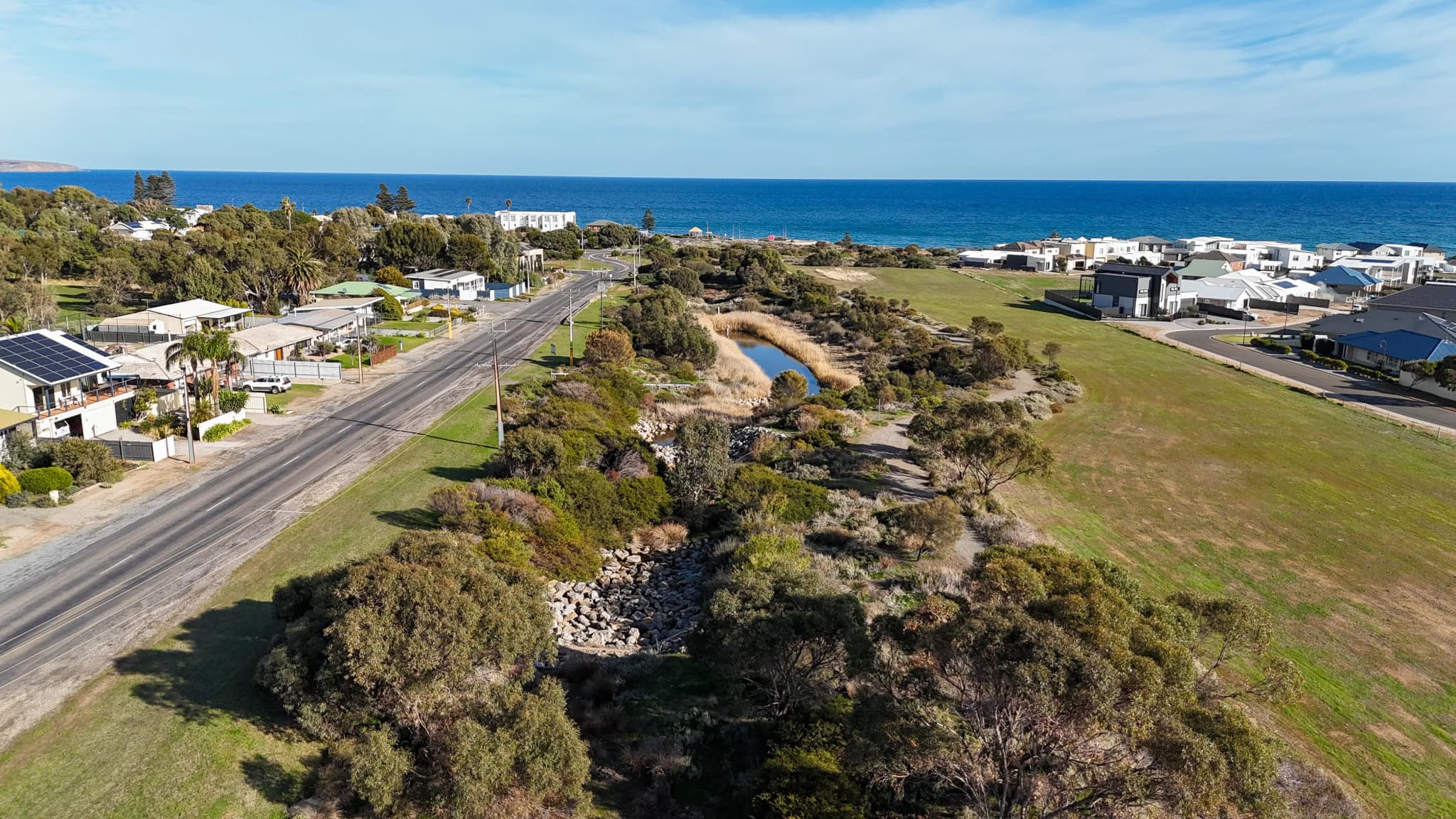
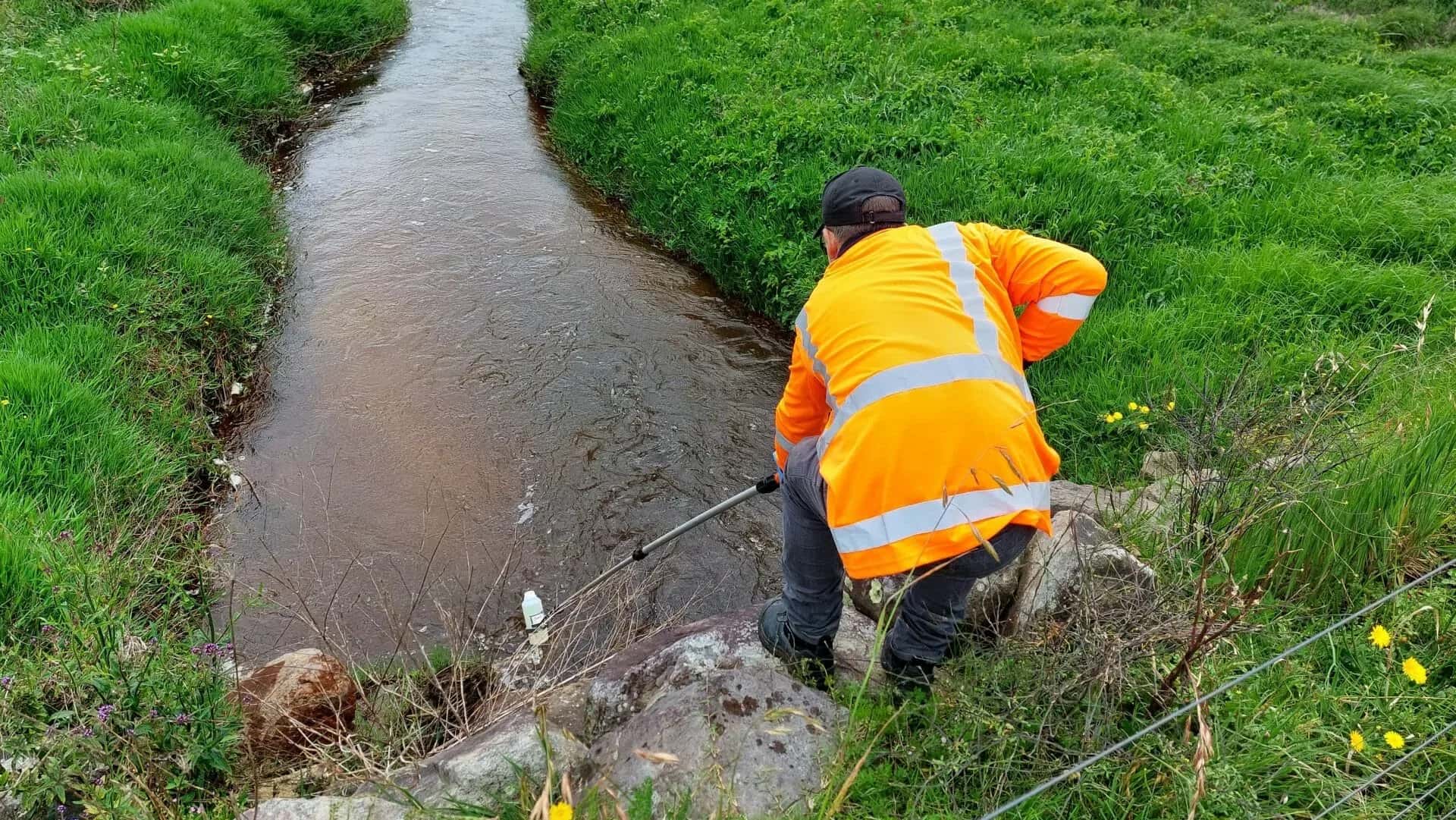
LDE provides water contamination and freshwater ecology capabilities spanning surface water and groundwater investigations, contaminant discharge management, and ecological assessment against ANZECC guidelines.
Supporting material for resource management applications
Surface water and groundwater quality investigations
Stormwater and wastewater - contaminant discharge management
Stormwater, wastewater, and groundwater contaminant assessment of effects
Compliance Monitoring for Groundwater, Stormwater, Industrial and Trade Waste
Stormwater Diversion and Discharge Consents
Habitat and physical characteristics
Macrophytes
Periphyton Cover
Aquatic macroinvertebrates
Fish from eDNA analysis
Water quality assessment against ANZECC water quality guidelines
Sediment quality assessment against ANZECC sediment quality guidelines
Environmental Compliance Monitoring
LDE is a trusted provider of environmental compliance monitoring services, dedicated to helping businesses and organisations meet and exceed environmental regulations. With extensive experience across various industries, we deliver tailored, cost-effective solutions that ensure environmental compliance while minimising risk and promoting sustainability.
Environmental compliance audits and assessments
Air quality monitoring
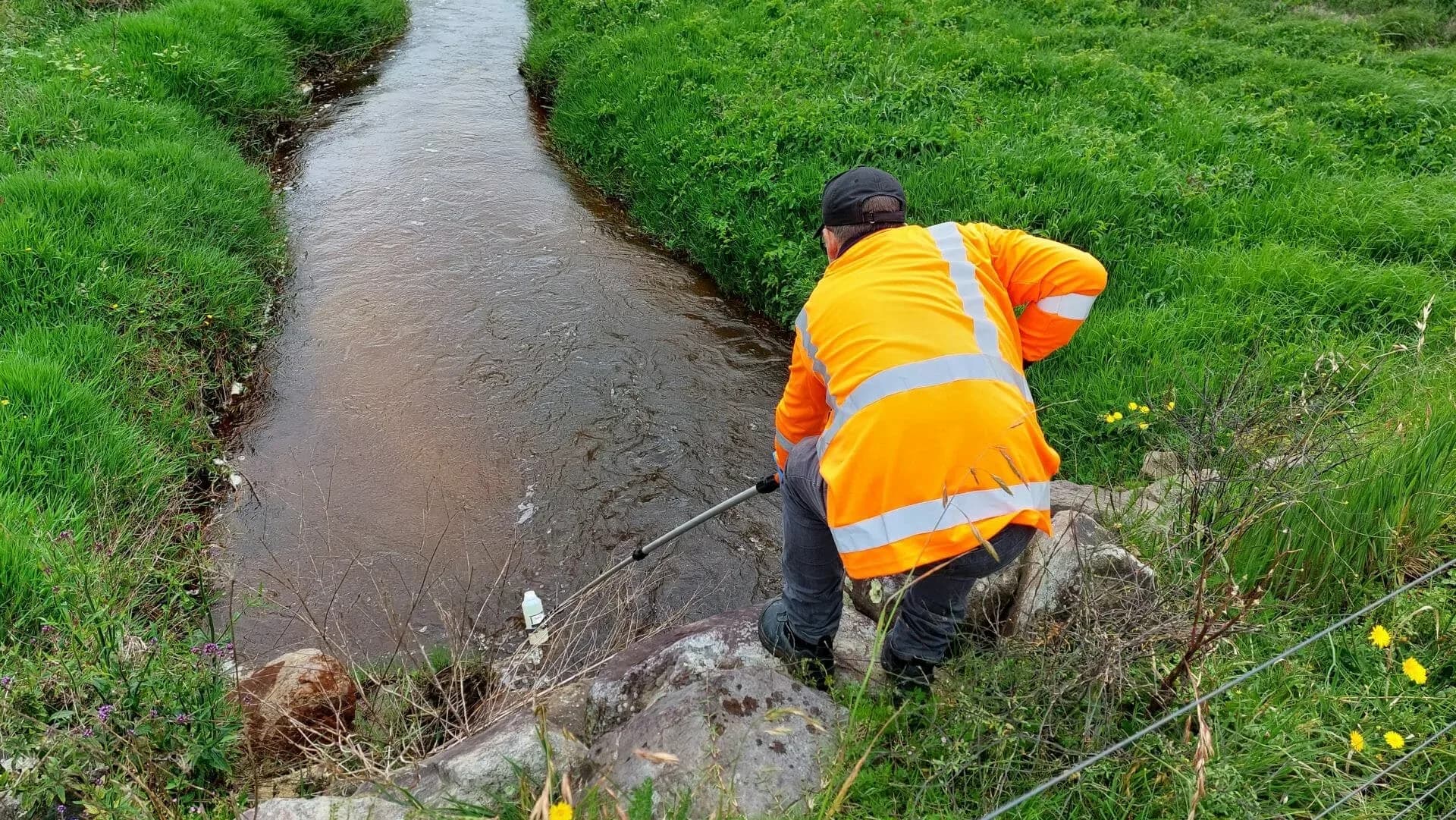
Water quality monitoring
Waste management and hazardous materials compliance
Regulatory reporting and documentation
Environmental Impact Assessments (EIA) and consent support
Training and education
Geospatial Services
LDE provides advanced geospatial services designed to support environmental planning, assessment, and management. Our team of GIS professionals, geospatial analysts, and environmental scientists uses cutting-edge technologies to provide accurate, data-driven solutions for clients across various sectors.
Geospatial data collection and mapping
GIS analysis and modelling
Environmental Impact Assessments (EIAs)
Land-Use Planning and Zoning Analysis
Environmental monitoring and management
Habitat and biodiversity mapping
Custom GIS solutions and software development
Acid Sulphate Soils
LDE specialises in the assessment, management, and mitigation of acid sulphate soils (ASS) - soils containing iron sulphides that, when disturbed, can release sulphuric acid, leading to severe environmental degradation.
Acid sulphate soil (ASS) identification and assessment
Acid sulphate soil management plans
Acid sulphate soil monitoring and treatment
Environmental Impact Assessments (EIAs)
Client education and capacity building
Advisory Services
LDE is a leading provider of advisory services for environmental practices, with a specialised focus on carbon footprint assessments and management. As organisations and governments face increasing pressure to reduce their environmental impact, we offer comprehensive consulting services to help clients measure, manage, and mitigate their carbon emissions.
Carbon footprint assessment
Carbon reduction strategy development
Carbon management and reduction implementation
Sustainability reporting and disclosure
Regulatory compliance and risk management
Employee engagement and education
Experience across New Zealand
Our environmental work is grounded in New Zealand sites, New Zealand soils and New Zealand consenting. Most of it starts the same way: somebody needs to know whether a piece of land is fit for what is planned for it, what the risk actually is, and what it will take to satisfy the council.
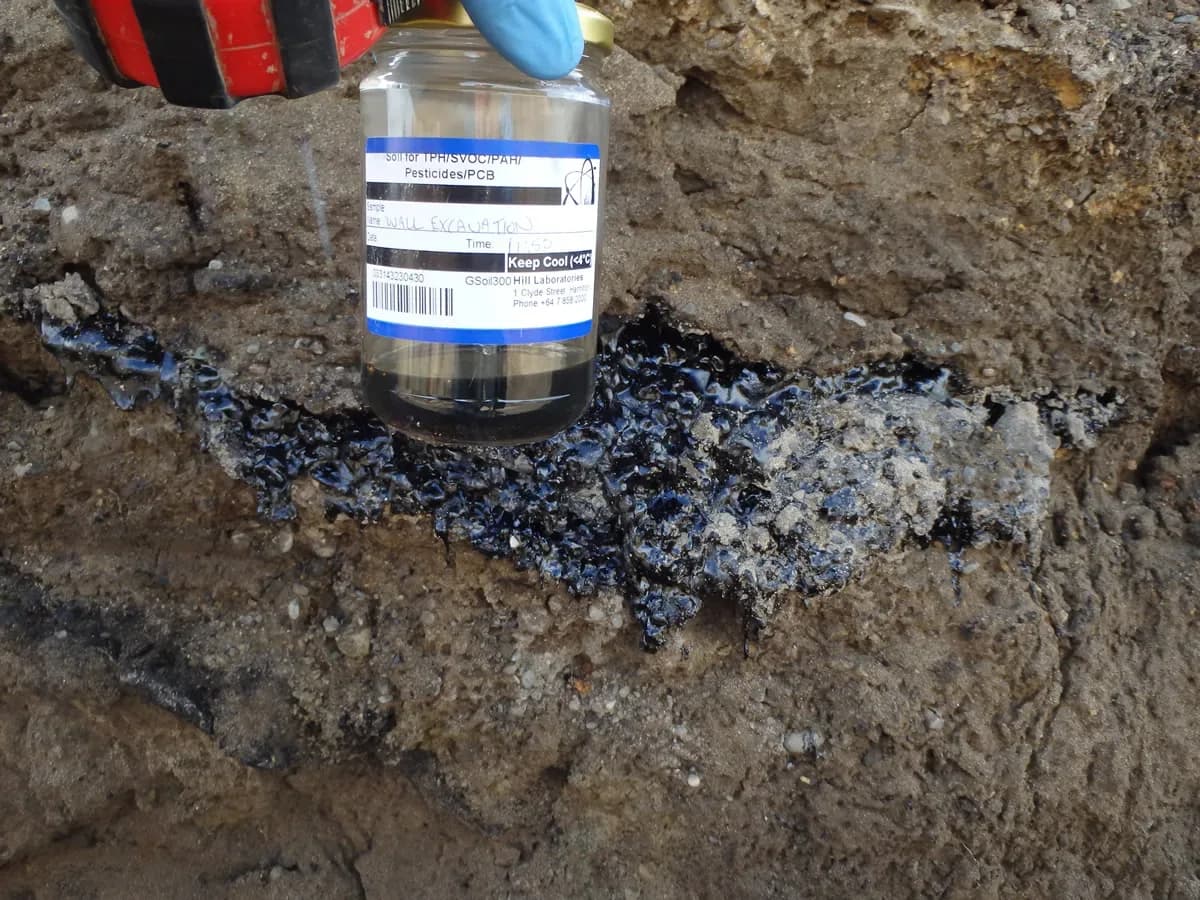
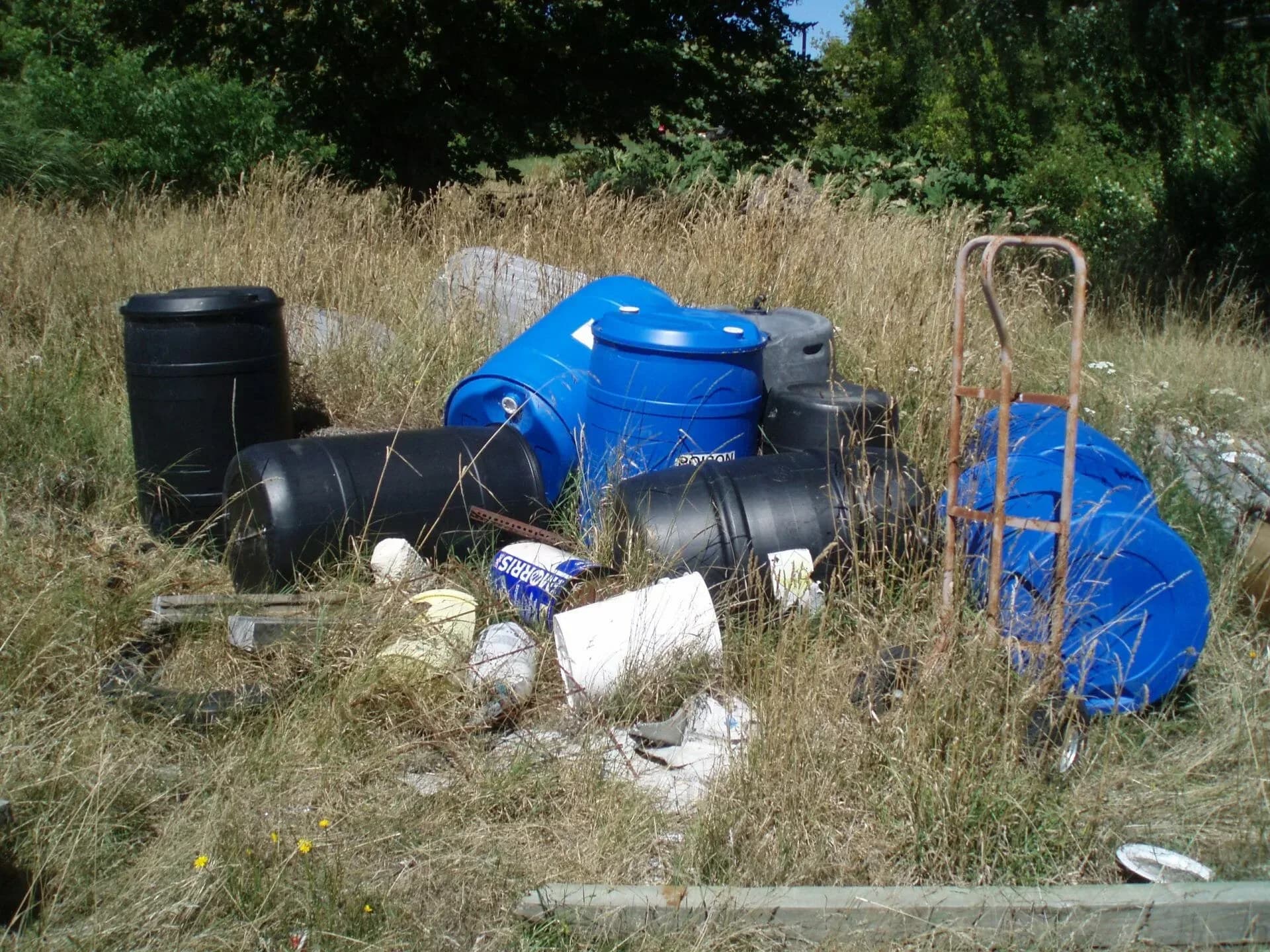
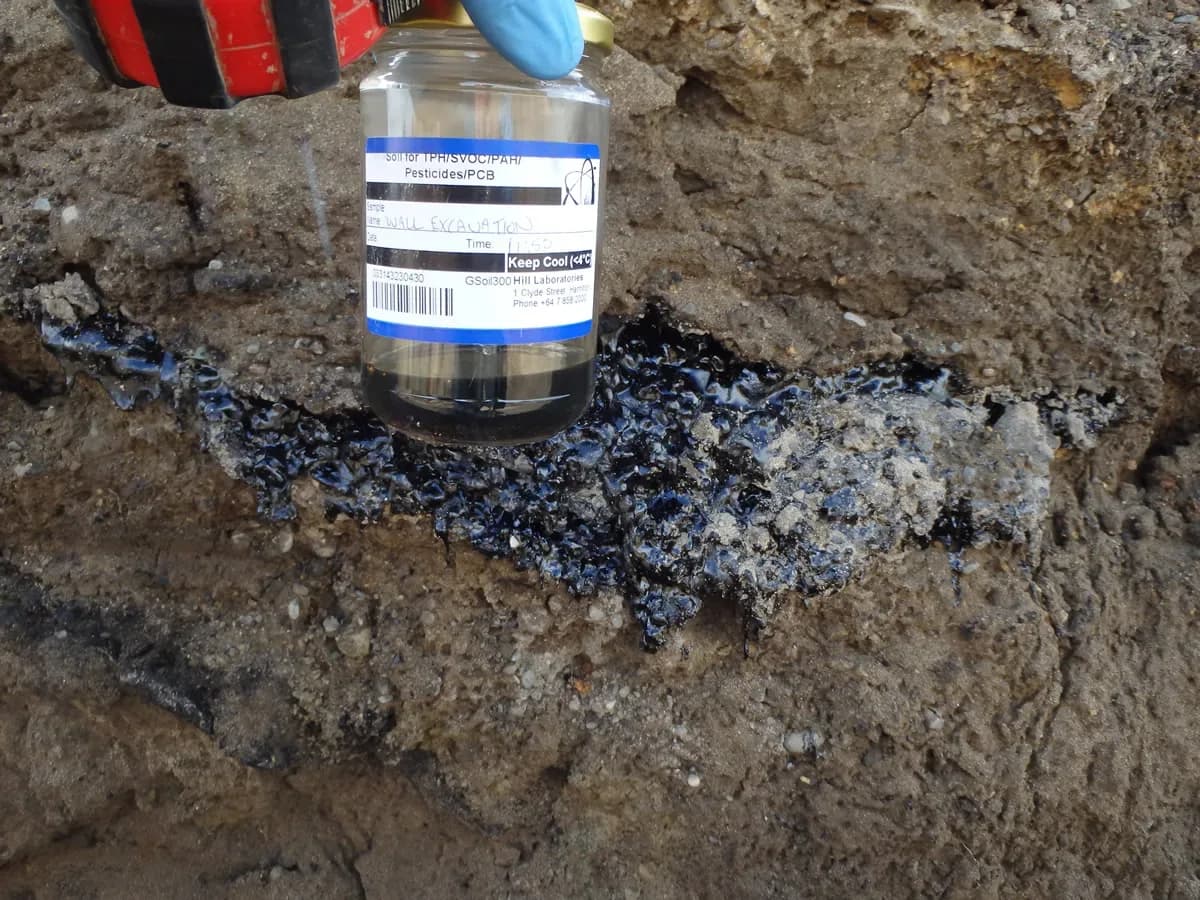
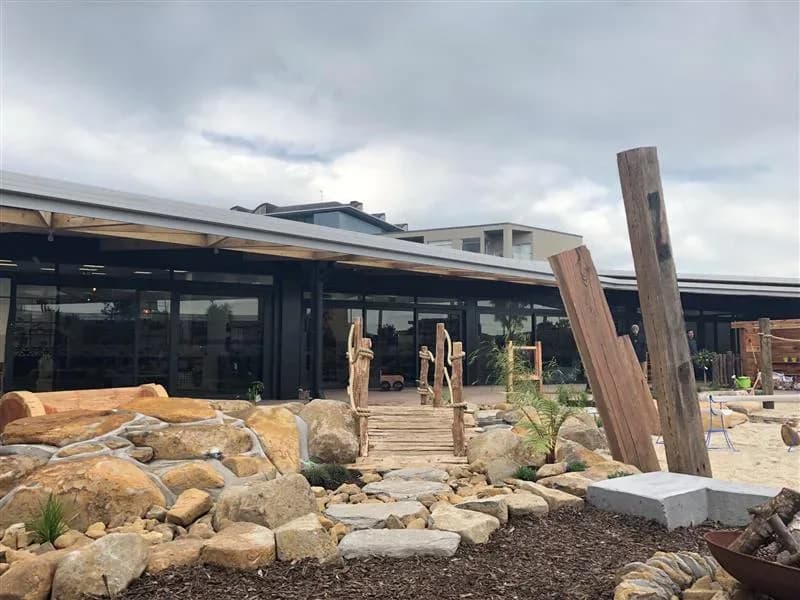
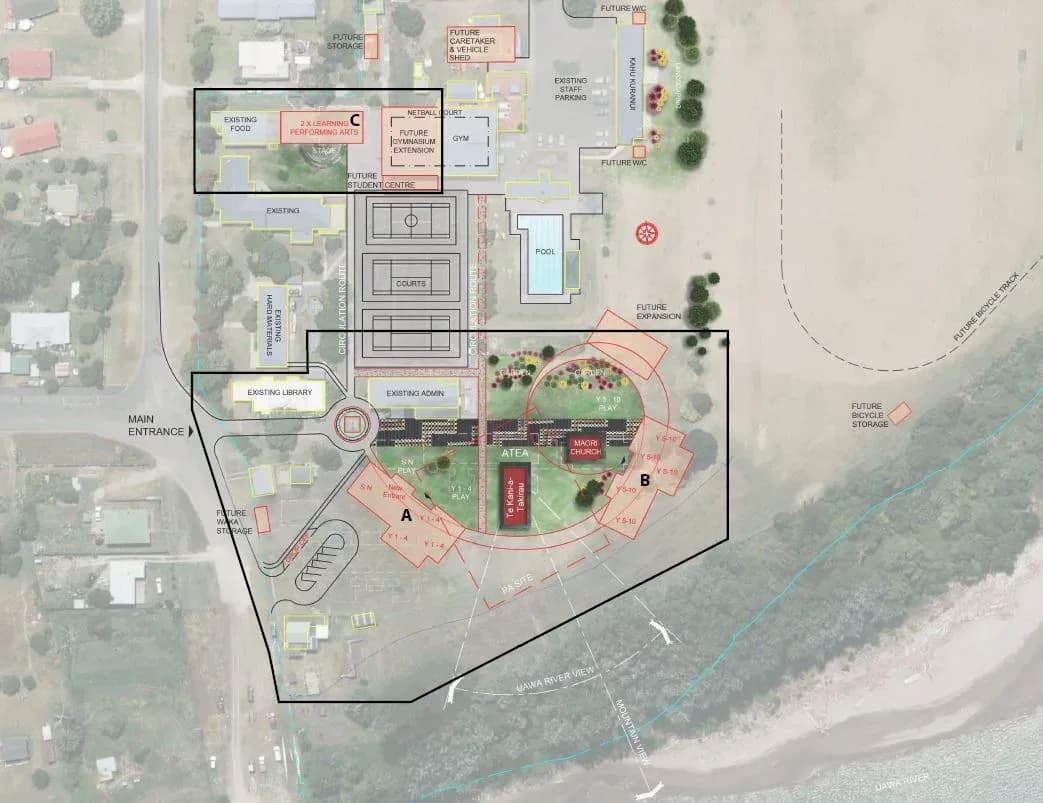
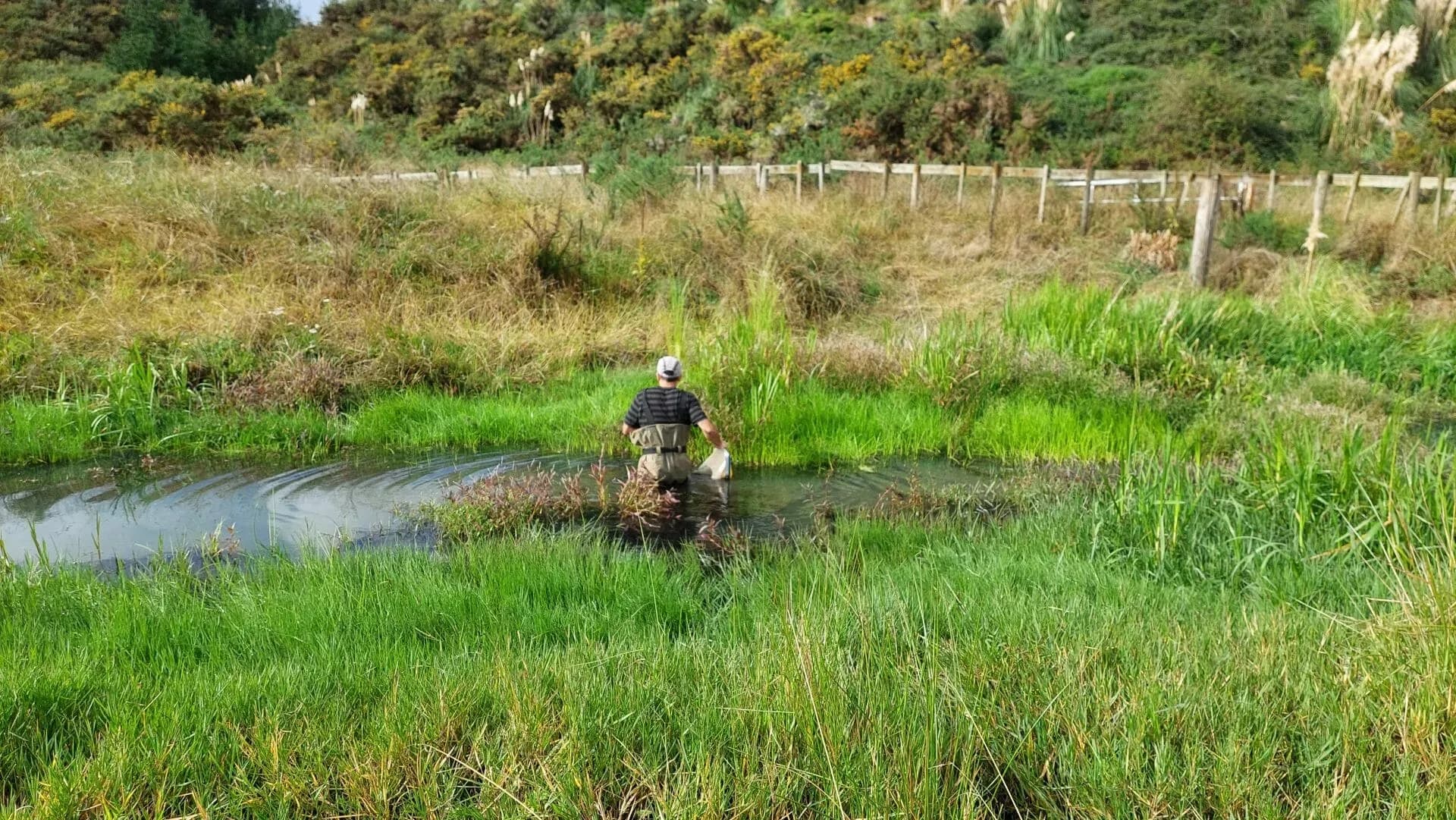
Recent work includes contaminated land assessments on a former industrial site at Hastings, preliminary and detailed site investigations on former horticultural land in Hawke’s Bay, a detailed site investigation at Gisborne, and environmental compliance monitoring and freshwater ecology for Waiū Dairy at Kawerau in the Bay of Plenty. We have also carried out contamination assessment supporting the redevelopment of Tolaga Bay Area School, and hydrocarbon and dairy effluent investigations on rural and industrial sites.
Contaminated land assessments, Hastings
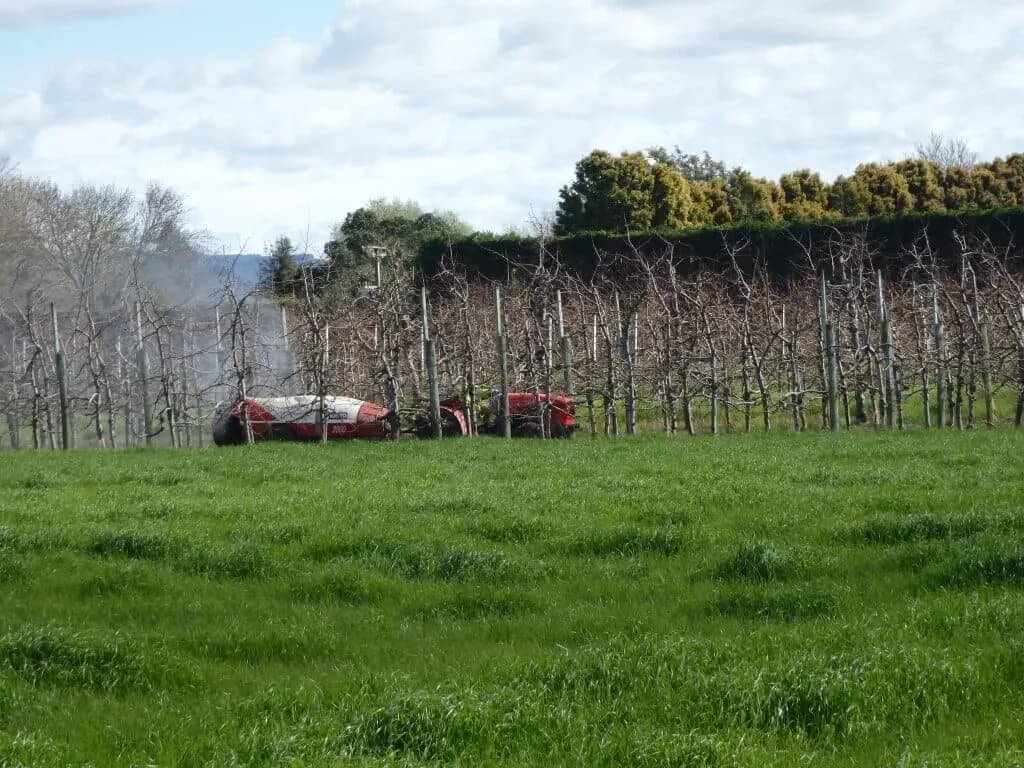
Preliminary and detailed site investigations on former horticultural land, Hawke’s Bay
Detailed site investigation, Gisborne
Environmental compliance monitoring and freshwater ecology, Waiū Dairy, Kawerau
Contamination assessment supporting the Tolaga Bay Area School redevelopment
Hydrocarbon and dairy effluent investigations on rural and industrial sites
Contaminated land, from screening to sign-off
Contaminated land is handled inside this service rather than as a separate offering, so one team carries a site from the desktop review through sampling, risk assessment and remediation design to validation and the reporting a council needs before it will close a consent out. We scope the investigation to the decision being made. A straightforward residential subdivision should not attract the programme a former industrial or horticultural site needs, and we will say so early rather than bill for certainty nobody asked for.
Desktop review and preliminary site investigation
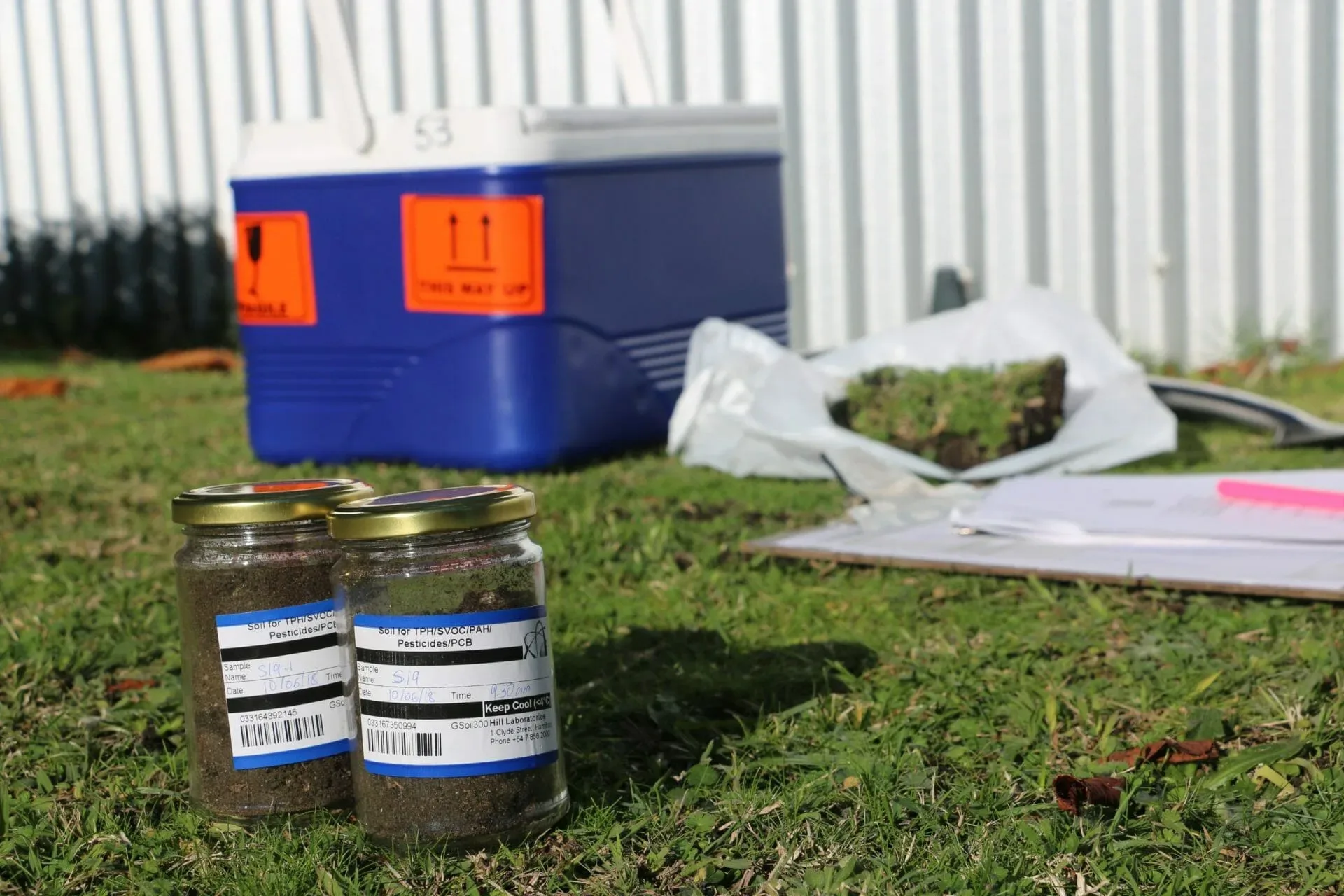
Detailed site investigation, sampling and laboratory programmes
Human health and environmental risk assessment
Remediation options, design and site management plans
Validation sampling and closure reporting for council
Working with environmental consultants
Contaminated land work runs on a regulatory clock. A preliminary site investigation that misses a former land use costs far more at the consent stage than it ever saved at the start, and the cost lands on the programme as much as the budget.
Our environmental consultants are scientists and engineers sitting in the same team as the geotechnical engineers, so one mobilisation can cover both and a single consultant carries the site knowledge from screening through to sign-off. You brief the site once.
Erosion, sediment and soil testing
Earthworks on a consented site carry conditions, and erosion and sediment control is usually the first of them to be audited. We design the control measures alongside the earthworks rather than after them, because a plan that ignores the staging is a plan the contractor cannot actually follow.
Soil testing sits in the same workflow. Where a site’s history points to fill of unknown origin, that can include asbestos in soil, and the sampling plan is written to answer the question the consent actually asks.
When contamination assessment is required
The trigger is regulatory, not discretionary. Land is assessed under the Resource Management (National Environmental Standard for Assessing and Managing Contaminants in Soil to Protect Human Health) Regulations 2011, usually shortened to the NES for contaminated soil, which came into force on 1 January 2012 under section 43 of the Resource Management Act 1991.
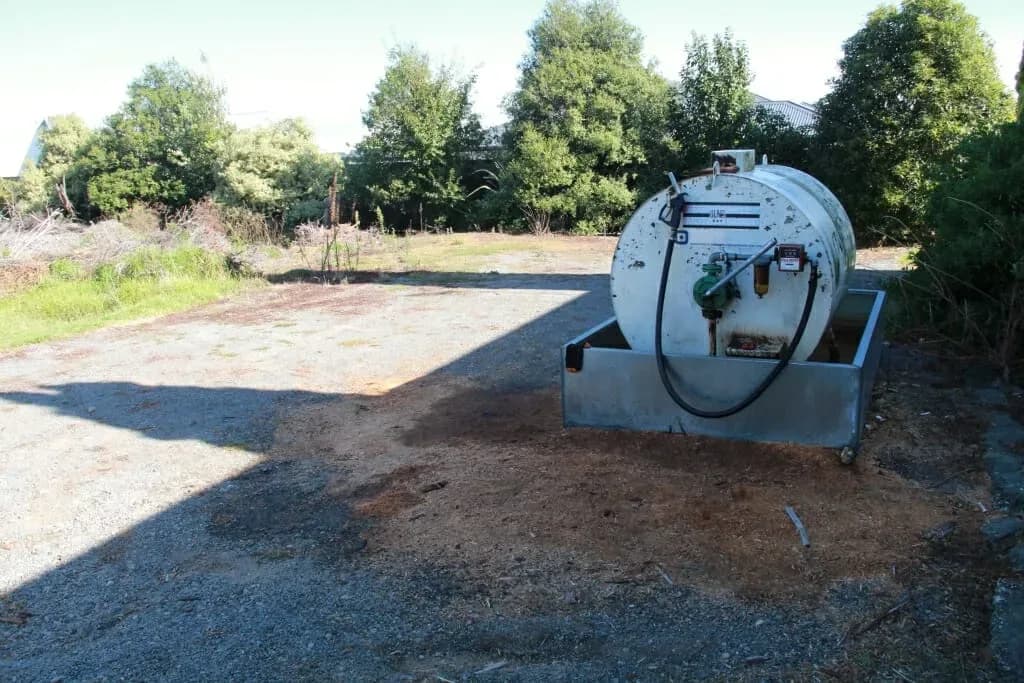
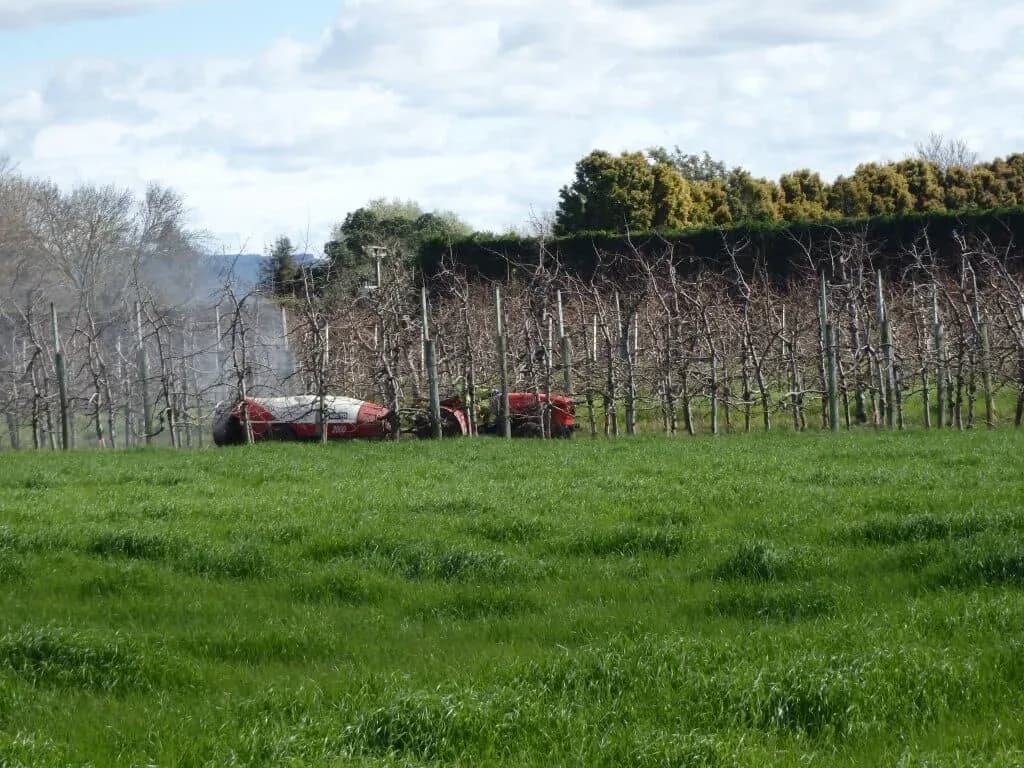
It bites when a site is subdivided, changed in use, disturbed, or has soil removed, and the question it turns on is whether an activity on the Hazardous Activities and Industries List has more likely than not taken place there. That list, the HAIL, is broader than people expect: orchards and market gardens with historic spray use, sheep dips, fuel storage, timber treatment, workshops, and closed rubbish tips are all on it, which is why a rural lifestyle block is as likely to need assessment as an industrial yard.
Two further points decide how much work follows. Results are assessed against the intended land use, so the same soil can be acceptable under a car park and not under a house with a vegetable garden. And the scope of a preliminary and a detailed site investigation is set by the Ministry for the Environment Contaminated Land Management Guidelines rather than by preference, which is what makes a report defensible to a council years later.
Common questions about environmental consulting
What do your environmental consultants cover?
Our environmental consultants are scientists and engineers offering the full spectrum of environmental expertise: land contamination remediation, water quality and freshwater ecology, environmental compliance monitoring, geospatial services, acid sulphate soils and carbon advisory work. They sit in the same team as the geotechnical engineers, so one mobilisation can cover both and you brief the site once.
When is a contamination assessment required?
The trigger is regulatory, not discretionary. Land is assessed under the National Environmental Standard for Assessing and Managing Contaminants in Soil to Protect Human Health. It bites when a site is subdivided, changed in use, disturbed, or has soil removed, and turns on whether an activity on the Hazardous Activities and Industries List has more likely than not taken place there.
Does a rural block need assessing as well as an industrial site?
Often, yes. The Hazardous Activities and Industries List is broader than people expect: orchards and market gardens with historic spray use, sheep dips, fuel storage, timber treatment, workshops, and closed rubbish tips are all on it, which is why a rural lifestyle block is as likely to need assessment as an industrial yard.
How far does the contaminated land work go?
One team carries a site from desktop review and preliminary site investigation through detailed investigation, sampling and laboratory programmes, human health and environmental risk assessment, remediation options, design and site management plans, to validation sampling and the closure reporting a council needs before it will close a consent out.
How is the scope of an investigation decided?
By the intended land use and by the guidance, not by preference. The same soil can be acceptable under a car park and not under a house with a vegetable garden, and the scope of a preliminary and a detailed site investigation is set by the Ministry for the Environment Contaminated Land Management Guidelines, which is what makes a report defensible to a council years later.
Where have you done environmental work in New Zealand?
Recent work includes contaminated land assessments on a former industrial site at Hastings, preliminary and detailed site investigations on former horticultural land in Hawke’s Bay, a detailed site investigation at Gisborne, environmental compliance monitoring and freshwater ecology for Waiū Dairy at Kawerau, and contamination assessment supporting the Tolaga Bay Area School redevelopment.