Experience
Our experience
Freshwater is a taonga, and it sits at the core of cultural identity for tangata whenua. High-quality fresh water is also fundamental to the protection and restoration of aquatic ecosystems already under pressure. We work on rivers, streams and wetlands with that dual lens, supporting community well-being as well as ecological and economic outcomes.
Capability areas
Our rivers, streams and wetlands work ranges from on-the-ground surveys through to engineering design and catchment-scale analysis.
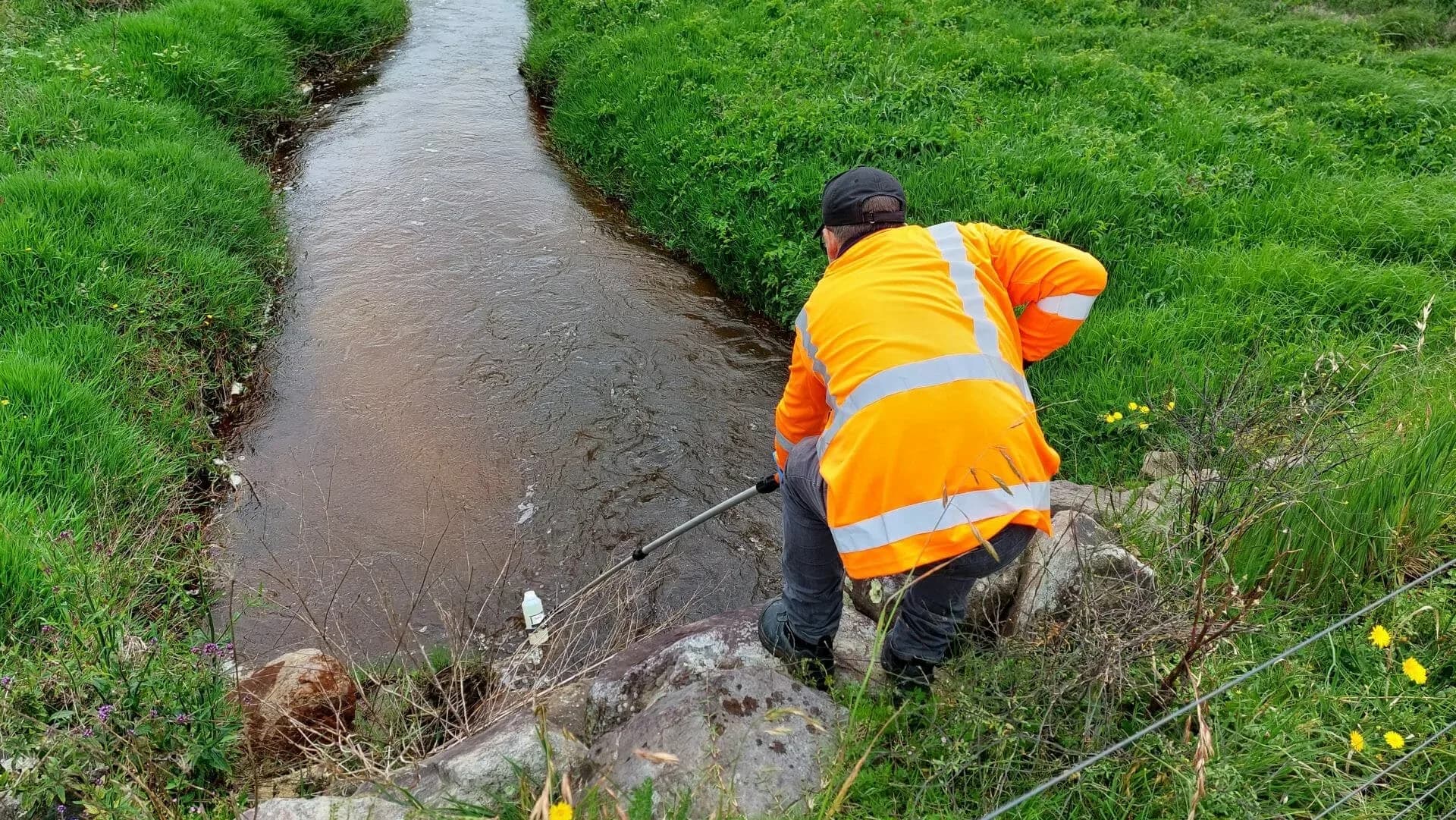
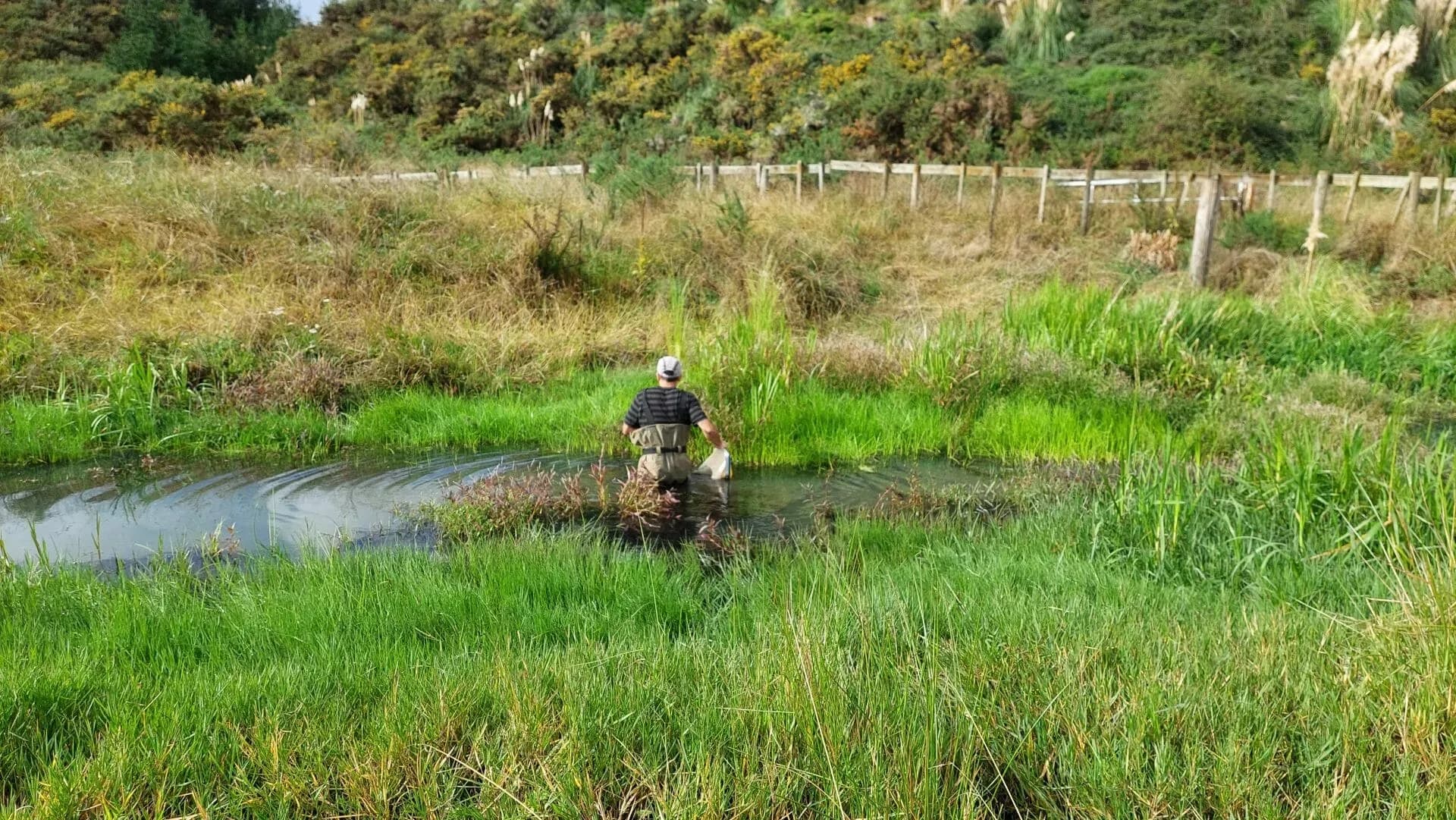
Stream surveys and ecological baseline studies
Collaborative monitoring programme design
Engagement with iwi and community stakeholders
Wetland design and restoration support
Hydraulic and catchment modelling
Consent applications and expert evidence
Working alongside communities
A large part of our freshwater work is delivered alongside community groups, iwi and councils rather than as a one-sided consultancy exercise. Our people spend time in the field, talk through findings in plain language, and design monitoring programmes that participants can run with over the long term.
What this work involves
Freshwater work sits across three things that are usually treated separately: what lives in the water, how the water moves, and what people want to do with the land around it. Assessments that answer only one of those tend to fail at consent, because a hydraulically sound channel design that degrades habitat, or a restoration plan that floods the neighbour, will not survive scrutiny.
We combine ecological survey with hydraulic and catchment modelling so that the same team can describe existing condition, predict how a proposed change will behave in a flood, and design the works that follow. That includes stream and wetland baseline surveys, habitat and macroinvertebrate assessment, channel and floodplain modelling, and the design of wetland, riparian and watercourse rehabilitation works.
Stream, river and wetland ecological baseline surveys
Habitat, macroinvertebrate and water quality assessment
Hydraulic, hydrological and catchment-scale modelling
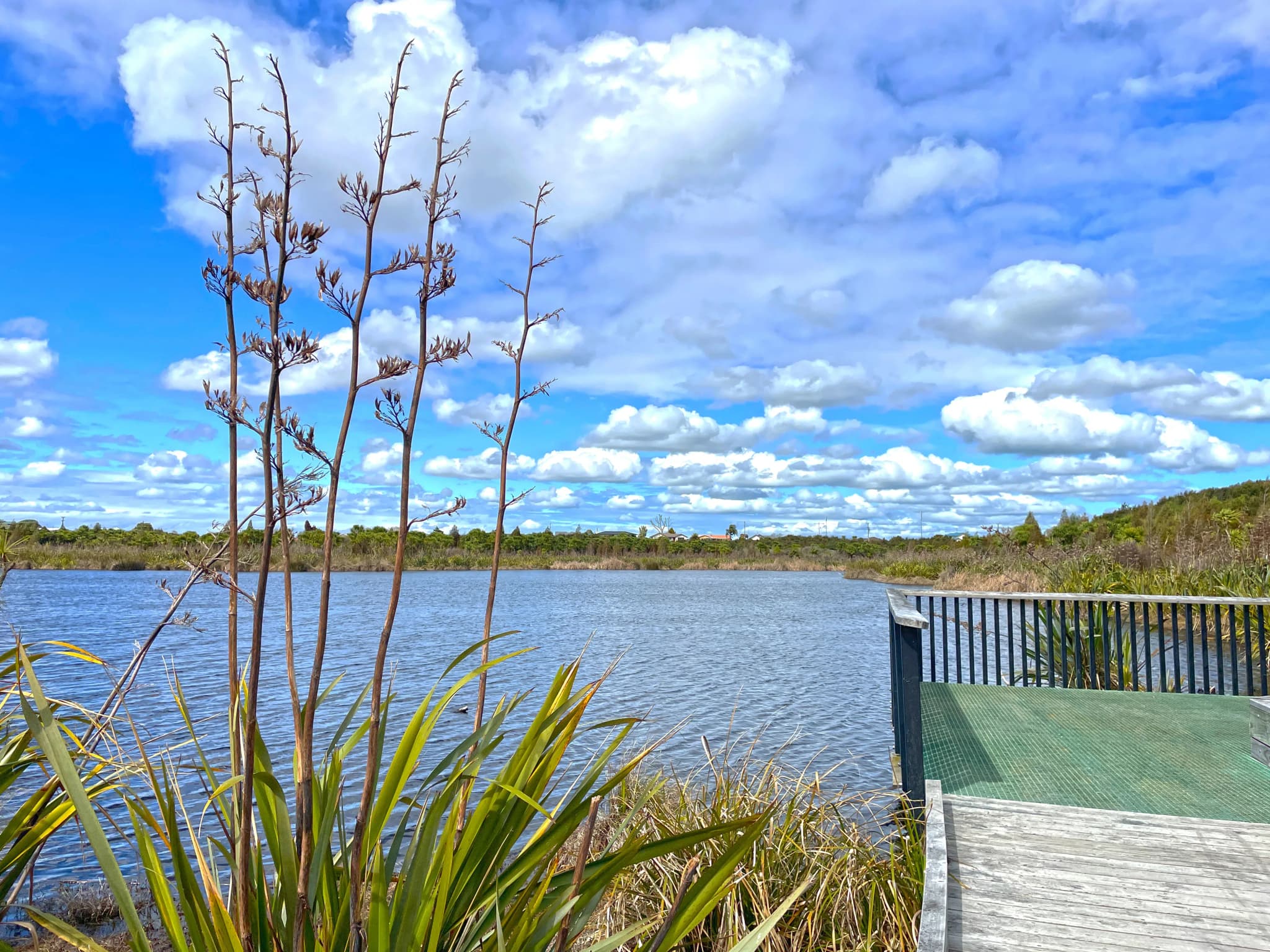
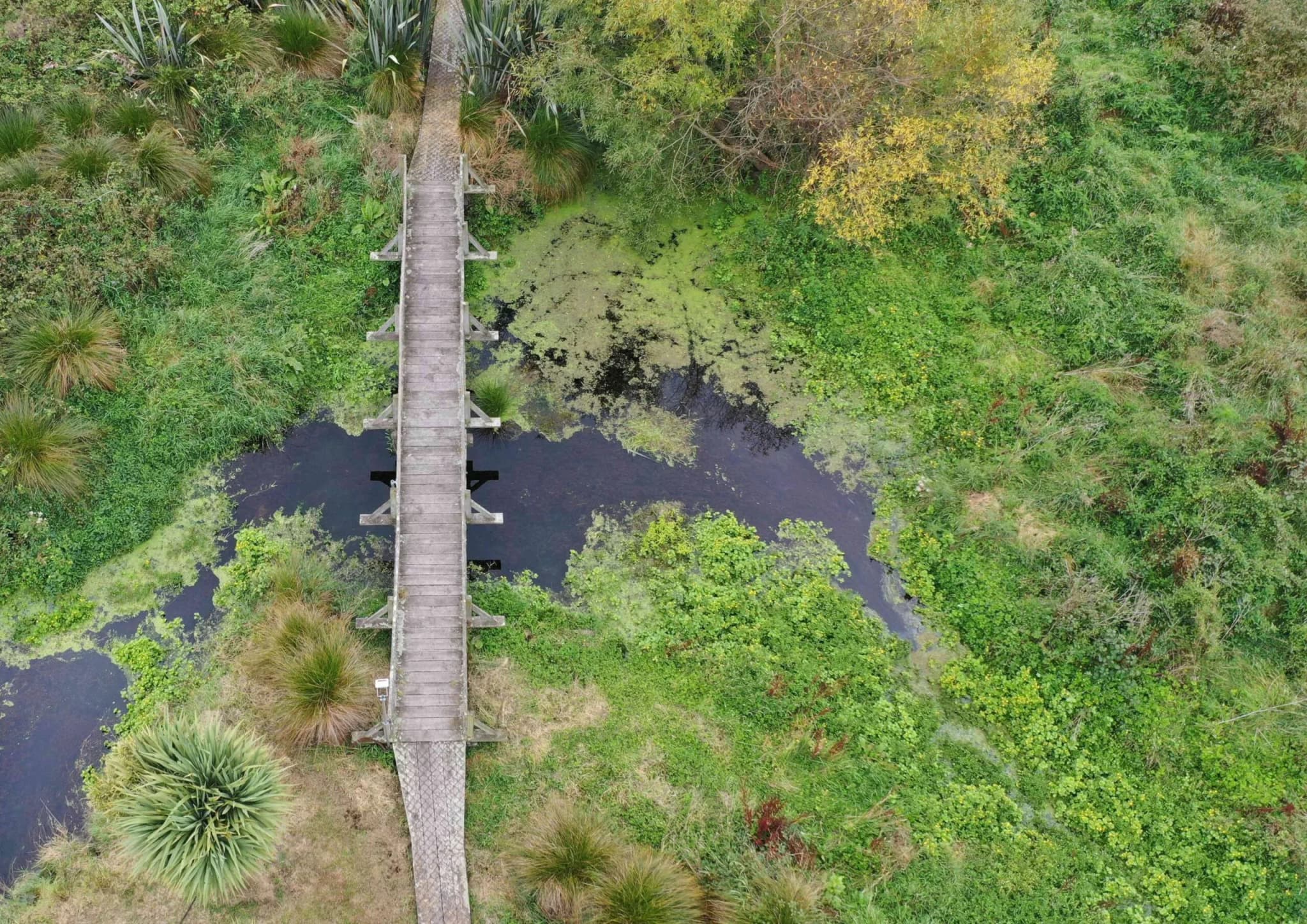
Wetland creation, restoration and riparian design
Watercourse rehabilitation and erosion control
Consent applications, assessments of effects and expert evidence
How we approach it
A monitoring programme is only worth designing if somebody can still run it in five years. Much of our freshwater work is delivered with community groups, iwi and councils rather than handed to them, so we design methods that a volunteer or a council officer can repeat consistently, write findings in language that does not need a translator, and spend time in the field with the people who will be doing the work after we leave. Where a project needs to go to a hearing we can carry it there, but the aim is usually to reach an outcome that does not require one.
Common questions about rivers, streams and wetlands
Why do freshwater assessments fail at consent?
Usually because they answer one question out of three. Freshwater work sits across what lives in the water, how the water moves, and what people want to do with the land around it. A hydraulically sound channel design that degrades habitat, or a restoration plan that floods the neighbour, will not survive scrutiny.
We combine ecological survey with hydraulic and catchment modelling so the same team can describe existing condition, predict flood behaviour and design the works.
What is in a baseline survey?
For a stream or wetland, typically habitat assessment, macroinvertebrate sampling and water quality measurement, described against the reach rather than a single point. It establishes the condition a proposed change will be judged against, which is why it is worth doing before the design is committed rather than alongside the application.
Do you design the restoration works as well as assess them?
Yes. Wetland creation and restoration, riparian design, watercourse rehabilitation and erosion control are design work we deliver, not just report on. Examples include the Rotokauri Greenway in Waikato and the Arowhenua Reserve regeneration plan in Canterbury.
Can you work with iwi, hapū and community groups?
A large part of this work is delivered that way. Freshwater is a taonga and sits at the core of cultural identity, so restoration programmes are commonly led by or shared with tangata whenua and community groups rather than delivered to them.
A practical consequence: a monitoring programme is only worth designing if somebody can still run it in five years, which usually means designing it around the people who will.
How does this connect to your other water work?
Catchment modelling shares its inputs with water services and hydrogeology, and flood behaviour connects to natural hazards. Consent-side ecology and contamination sit with environmental. The water market page shows how the pieces fit together.