Experience
Our experience
Our resources team has worked across a broad range of materials and processes, including iron ore, copper, gold, lead, zinc, mineral sands, cement, salt, coal and grain. Resources projects demand a joined-up set of disciplines, because process, structural, civil and geotechnical decisions all feed back into cost, safety and environmental outcomes. We bring those disciplines together under one engineering scope.
Whole-of-lifecycle support
We support resources clients from early studies through to construction and ongoing operations. Our engineers are comfortable scaling their input up or down, whether that means a focused sustaining-capital project on an operating site or a full multidiscipline study for a new development.
Pre-feasibility and feasibility studies
Full multidiscipline engineering design
Sustaining capital and brownfield upgrades
Process plant infrastructure
Mine site civil and structural works
Materials handling systems
Technical capability
Resources projects are often technically demanding, and our team brings specialist capability in the areas that most frequently set project risk.
3D modelling and BIM coordination
Structural assessments and strengthening
Geotechnical investigation and slope design
Construction methodology and buildability reviews
Compliance and safety in design
Experience across New Zealand
In New Zealand our resources work is mostly primary industry rather than hard-rock mining: quarrying, dairy processing, horticulture and the industrial sites that support them. We have provided environmental compliance monitoring and freshwater ecology for Waiū Dairy at Kawerau, quarry and mine material quality assessments, contamination investigations on former horticultural land in Hawke’s Bay and a detailed site investigation at Gisborne, biofiltration plant work at Kāeo in Northland, and design and assessment of dairy effluent ponds and the Mahia wastewater treatment ponds.
Alongside that sits the heavier industrial scope: geotechnical and structural work for large warehousing and cool storage, hydrocarbon investigations, and process engineering for minerals extraction and materials handling.
Environmental compliance and freshwater ecology, Waiū Dairy, Kawerau
Quarry and mine material quality assessments
Contamination investigation of horticultural land, Hawke’s Bay and Gisborne
Kāeo biofiltration plant, Northland
Dairy effluent ponds and the Mahia wastewater treatment ponds
Geotechnical and structural work for warehousing and cool storage
Where the disciplines meet
Resources projects go wrong at the joins. A process change alters a load path, a structural decision constrains maintenance access, a geotechnical finding moves the whole plant footprint, and each of those is somebody else’s drawing. Keeping process, structural, civil, geotechnical and environmental input inside one engineering scope means those interactions get resolved between engineers rather than escalated between consultants, and it lets us scale the input up for a full study or down to a single sustaining-capital job on an operating site.
Common questions about resources and primary industry
Is your New Zealand resources work mining?
Mostly not. In New Zealand the work is primary industry rather than hard-rock mining: quarrying, dairy processing, horticulture and the industrial sites that support them. Quarries has its own capability page.
What do you do for a quarry or extraction site?
Material quality assessment, hydrogeological assessment of takes and discharges, slope and stability work, consenting support and the civil design around the operation. An example is the Tauhei Quarry hydrogeological assessment in Waikato. Groundwater work sits under hydrogeology.
Can you handle contaminated land on a former horticultural or industrial site?
Yes, and it is common work. We have investigated contamination on former horticultural land in Hawke’s Bay, carried out a detailed site investigation at Gisborne, and done hydrocarbon investigations on industrial sites. That capability sits under environmental, and matters early: a contamination finding after a purchase changes the economics of a site rather than just its programme.
Do you support processing plants and effluent systems?
Yes. Examples include environmental compliance monitoring and freshwater ecology for Waiū Dairy at Kawerau, the Kāeo biofiltration plant in Northland, and the design and assessment of dairy effluent ponds and the Mahia wastewater treatment ponds.
Why do you emphasise working across disciplines here?
Because resources projects go wrong at the joins. A process change alters a load, which alters a foundation, which alters an earthworks quantity, and the consent conditions may not allow the result. Keeping geotechnical, structural, civil and environmental in one practice is what lets those interactions be caught rather than discovered.
Recent Projects
Project Experience across our resources work.
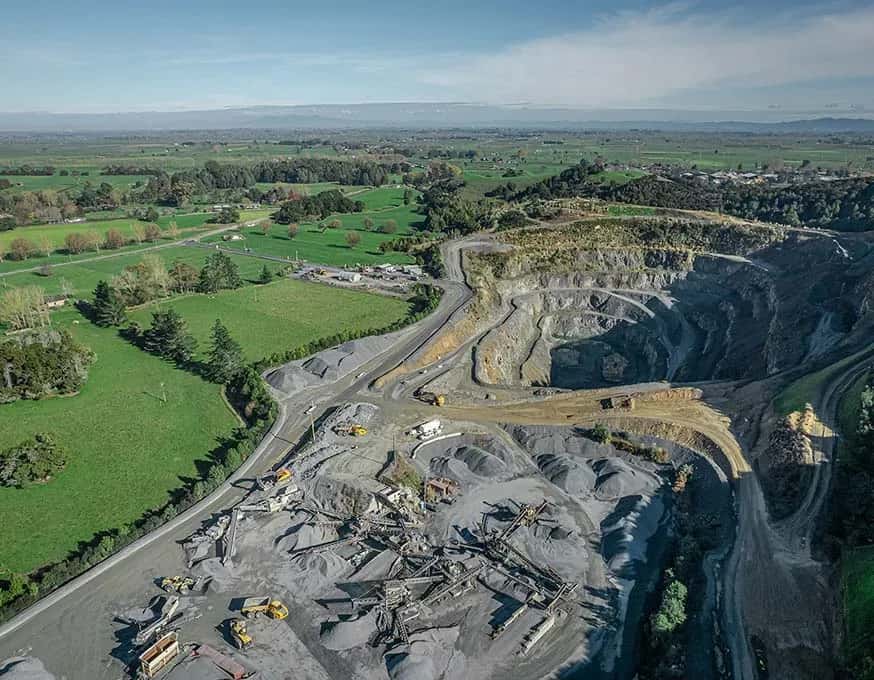
Tauhei Quarry Hydrogeological Assessment
Stevenson Aggregates, looked to re-consent their existing greywacke quarry operations in Tauhei, New Zealand. This included deepening the quarry pit to gain access to more of the resource.
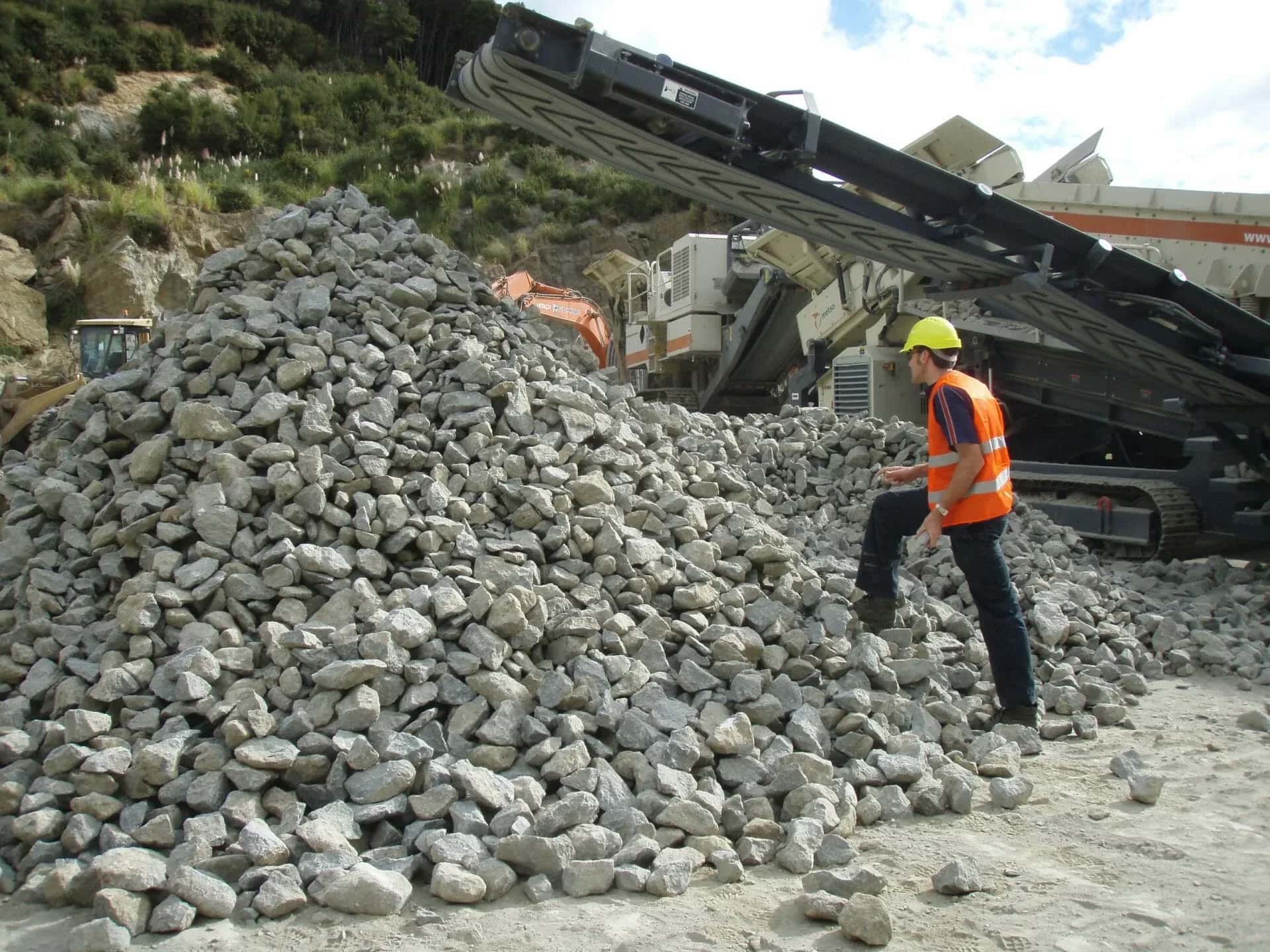
Gisborne Quarry Assessments
Gisborne
Our team conducted geotechnical investigations of four new sites to assess their potential for establishing new quarries. Work involved thorough quarry assessments to determine the nature and extent of the available resources at each location.
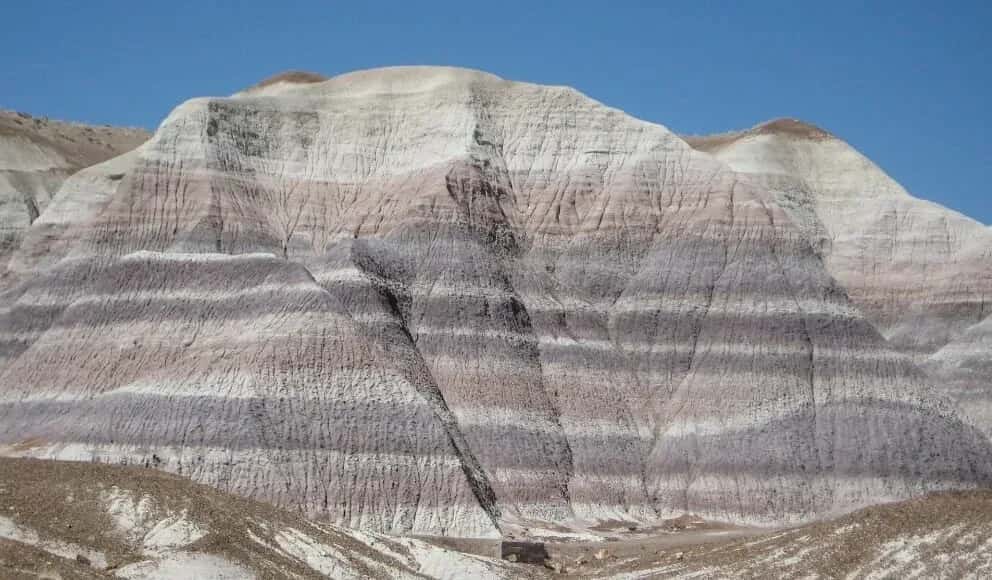
Gisborne Bentonite Mine Material Quality Assessment
Kanakanaia Road, Gisborne
Detailed analysis of bentonite mine material’s chemical and mechanical properties and its use for effluent pond lining, agricultural, and drilling products. The purpose was to provide insights into the suitability and effectiveness of bentonite for these specific uses. Our...
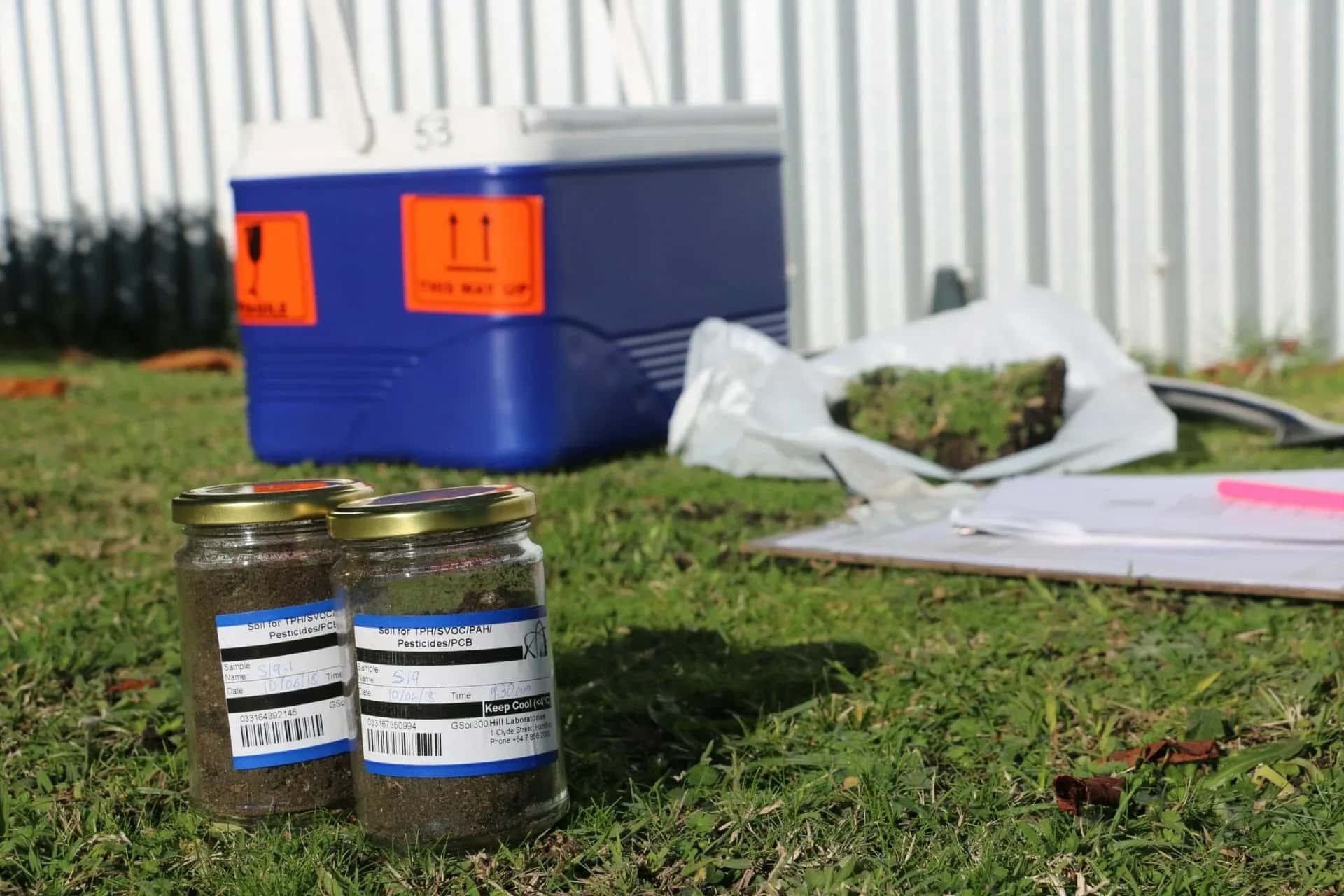
Northland Mechanical Workshop Hydrocarbon Investigation
Investigation into a long-term hydrocarbon spillage at the site of a mechanical workshop. A detailed PSI and DSI concluded that remediation of the area was required – including the removal of contaminated aggregate to the landfill.
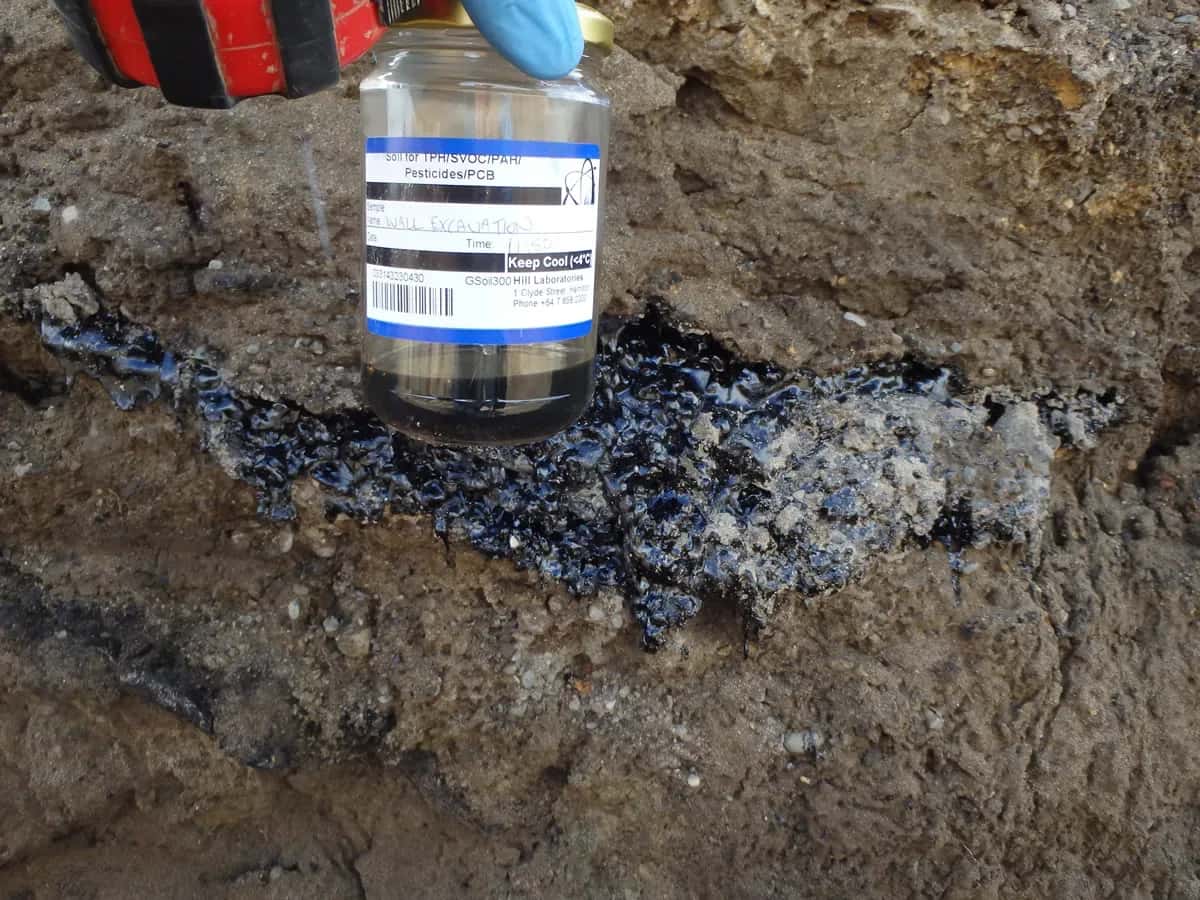
Gisborne Detailed Site Investigation (DSI)
Gisborne
We conducted a Detailed Site Investigation (DSI) for a former bitumen plant site. The project involved thorough assessments of the site’s environmental conditions, soil properties, and potential contamination risks.
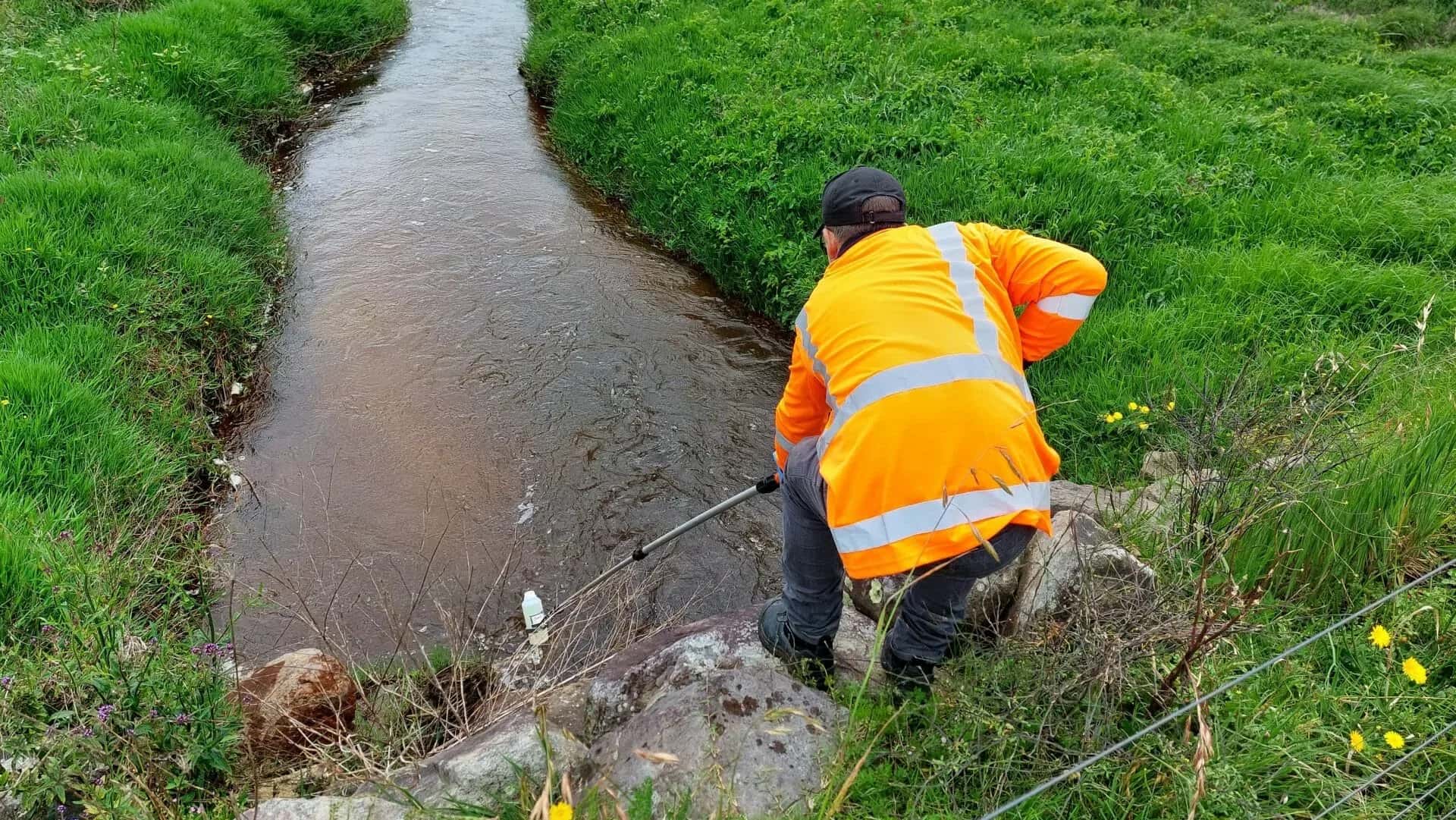
Environmental Compliance for Waiū Dairy
Waiū Dairy Ltd
Kawerau, Bay of Plenty
Surface water and groundwater monitoring and reporting for resource consent compliance, including bimonthly sampling and factual reporting against NPS-FM, ANZECC, and Drinking Water Standards.
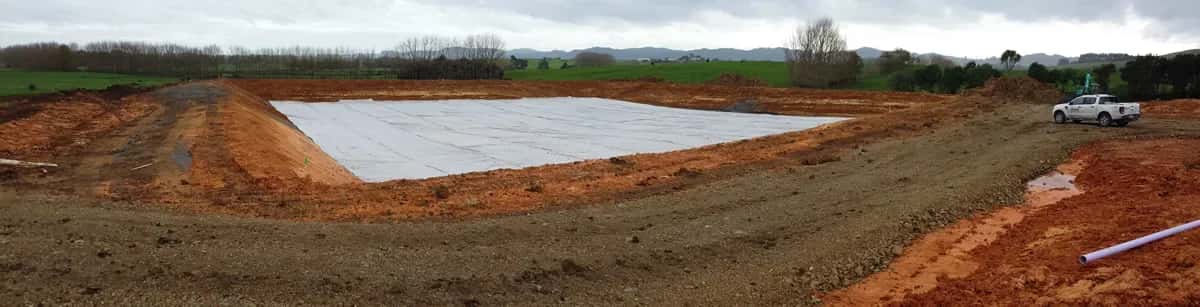
Mangatawhiri Dairy Effluent Pond
Mangatawhiri, Waikato
Design guidance and advice for a large 4m deep effluent pond.
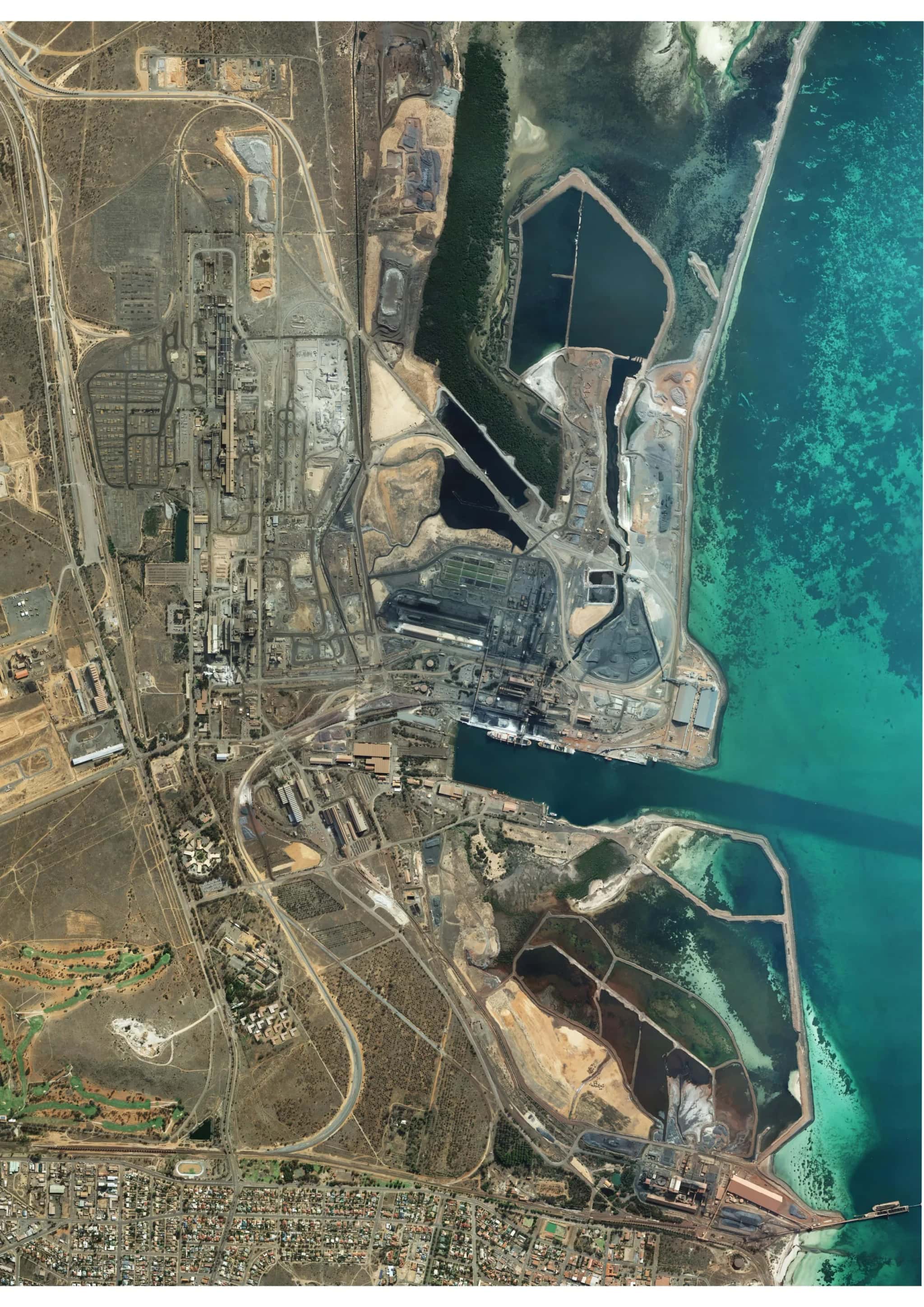
Whyalla Transformation
Whyalla, Australia
WGA provided multi-disciplinary engineering and design drafting support for multiple pre-feasibility studies relating to the Liberty Primary Steel Transformation Project.
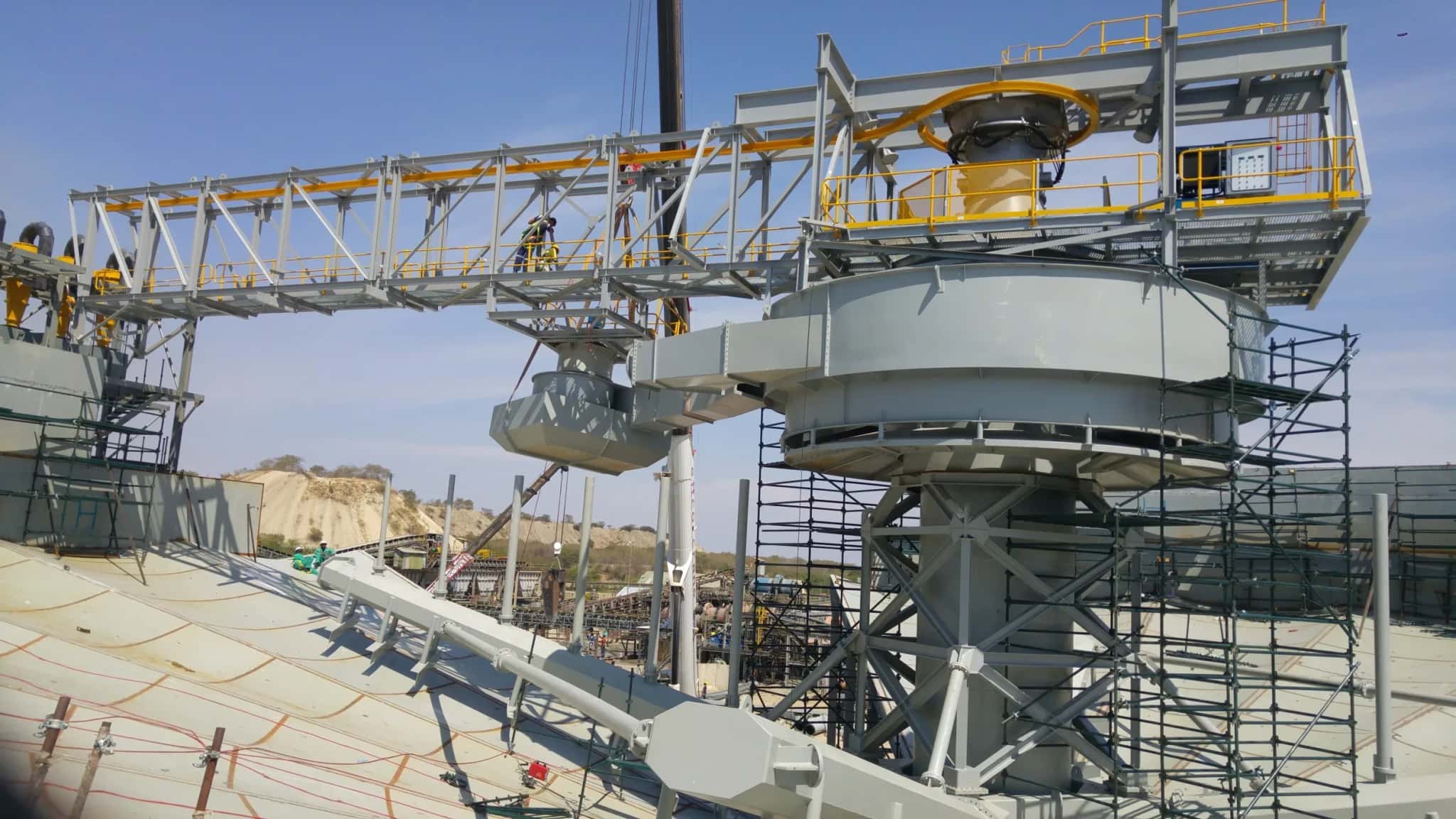
Uranium from Tails Mass Balance
Australia
Our Client's metallurgists conduct periodic production forecasting of production at their mine site, a large copper deposit and production plant in South Australia.
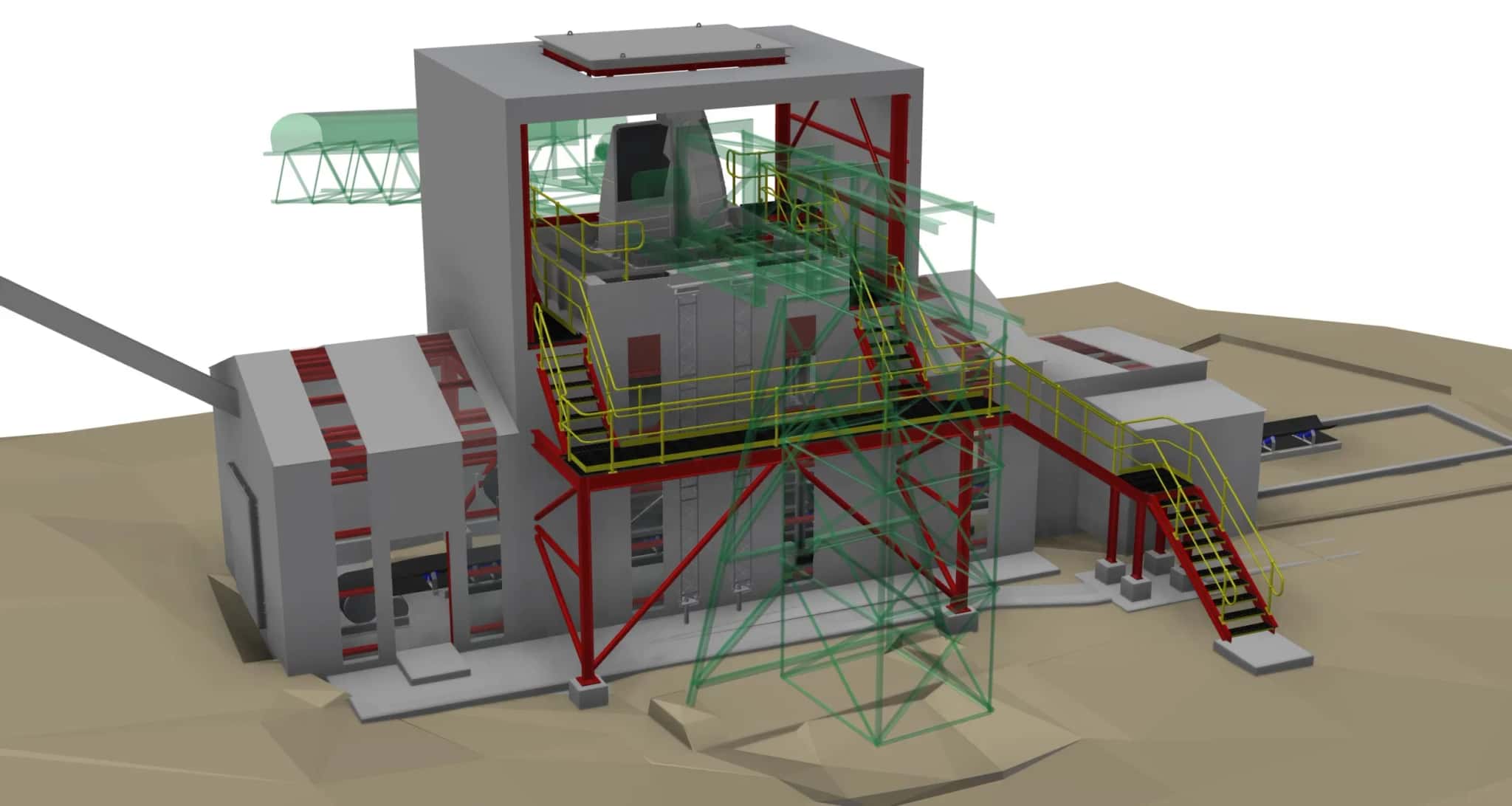
Thevenard Hopper
Thevenard, Australia
Replacement of a heavily worn 30 m³ gypsum and salt export feed hopper along with the severely corroded surrounding building. WGA completed a preliminary design, developing a material handling solution and new structure to allow a compressed installation timeframe. After…
Techno-economic Scenario Analysis
Australia
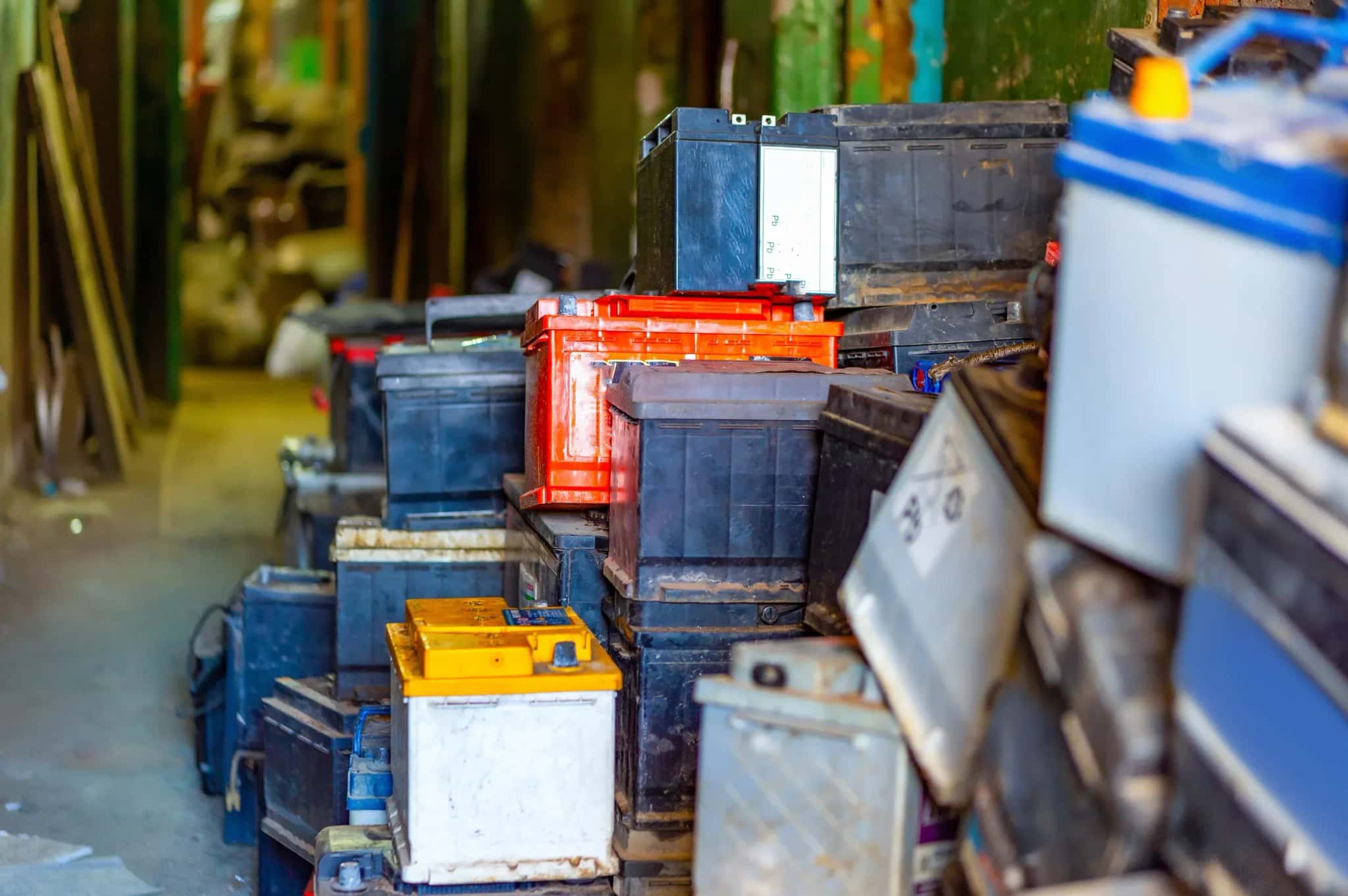
WGA supported Lithium Australia in development of a techno-economic model to optimise EVS infrastructure expansion, for both short term (1-2 years), and medium term (3-5 years) across a wide range of inputs and to rapidly assess the economic outcomes of clearly defined…
Stacker Rail Rectification
Australia
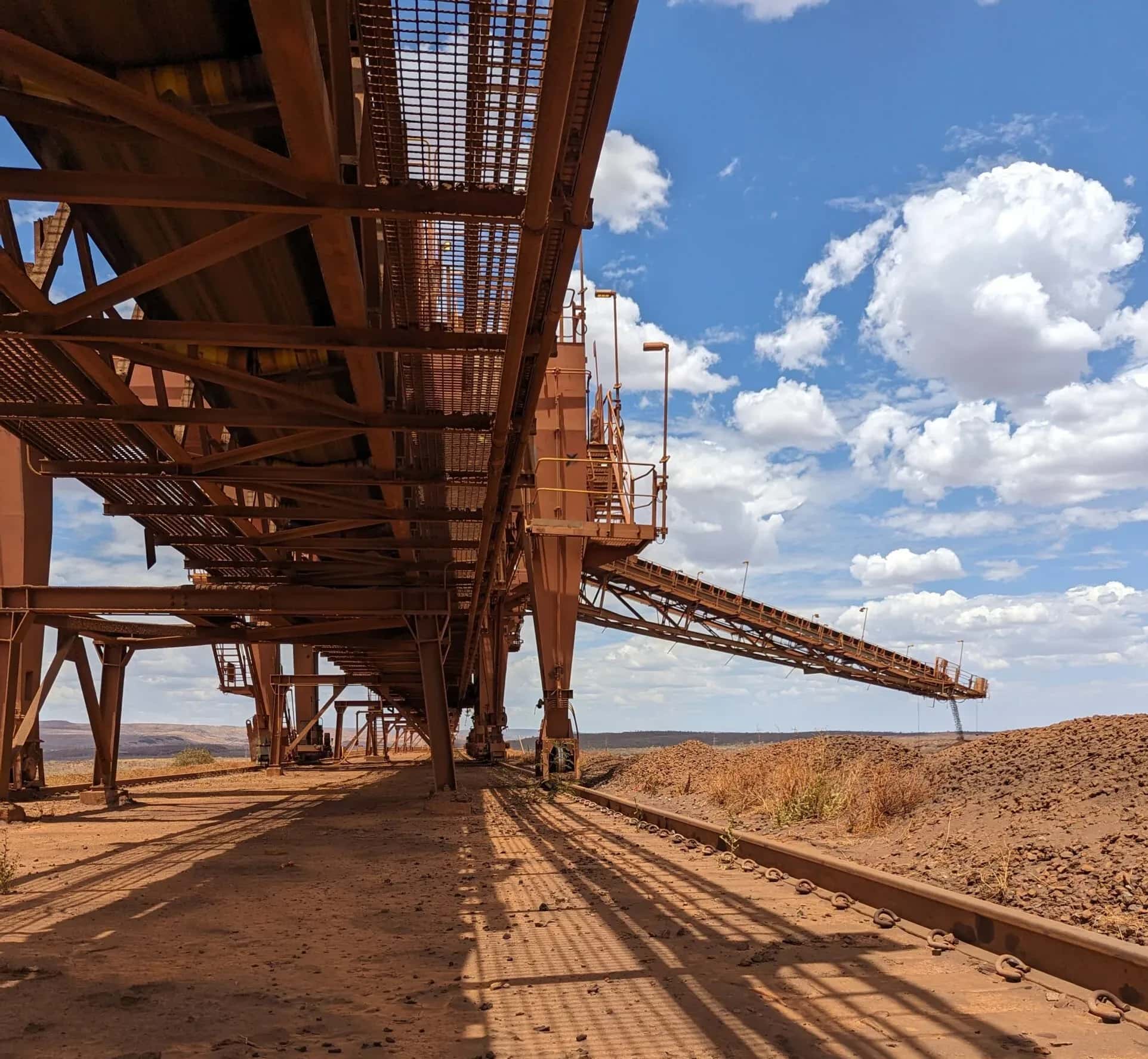
A rail-mounted iron ore stacker at a major mine in the Pilbara was experiencing rail misalignment and no longer met the requirements of Australian Standards. Over time, misaligned rails can lead to increased structural stress and fatigue on the stacker, and potentially even…