Experience
Our experience
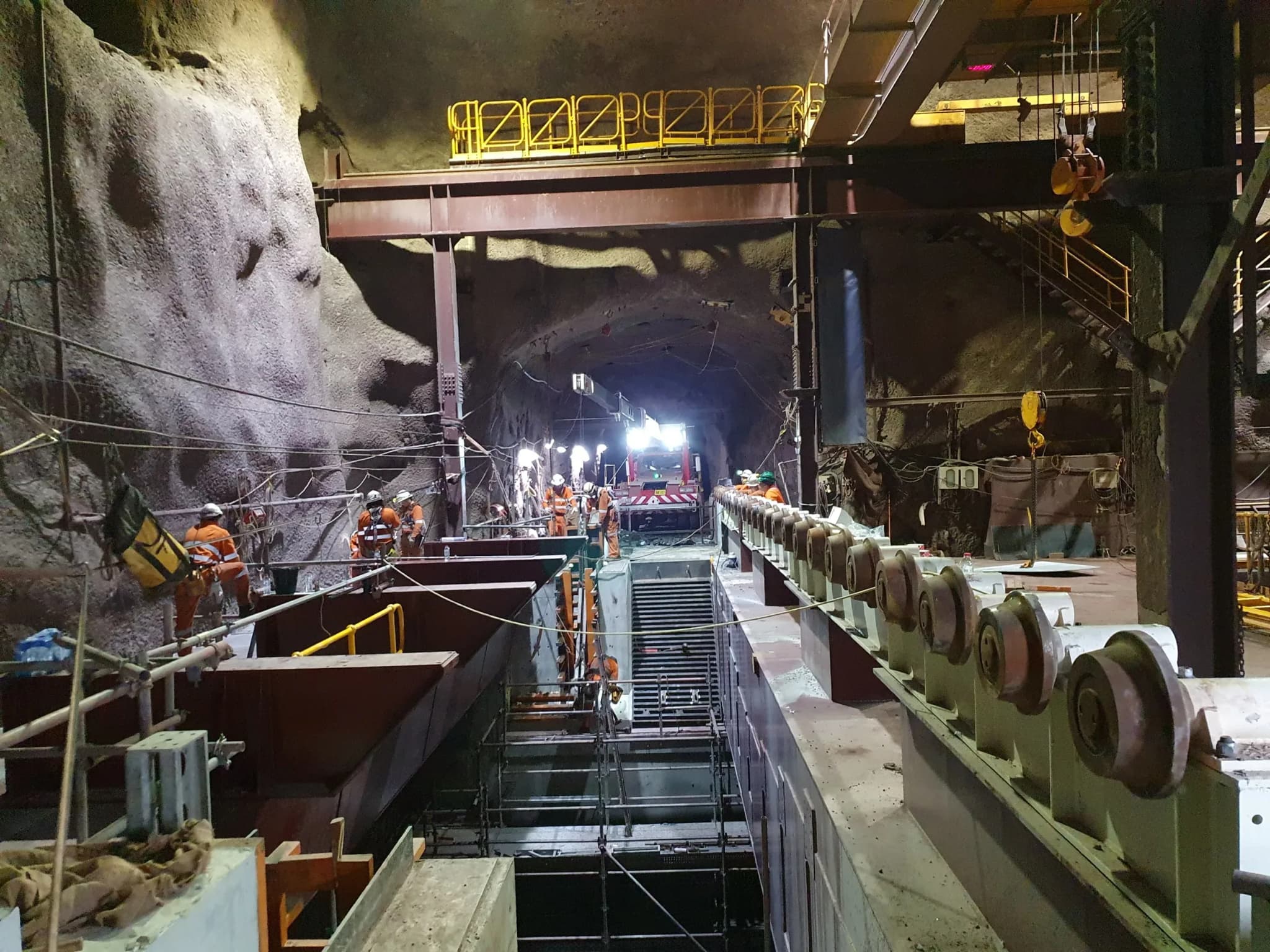
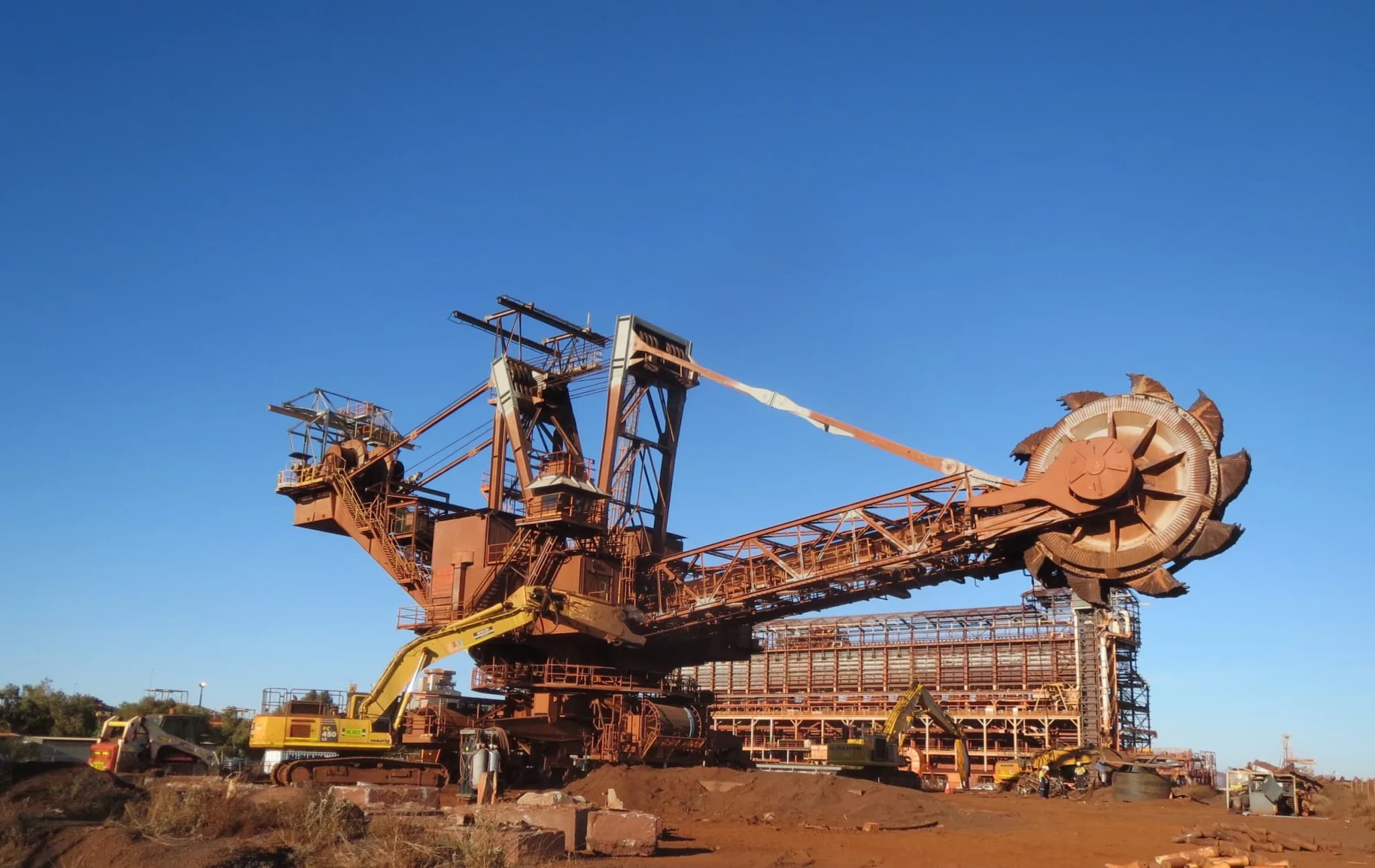
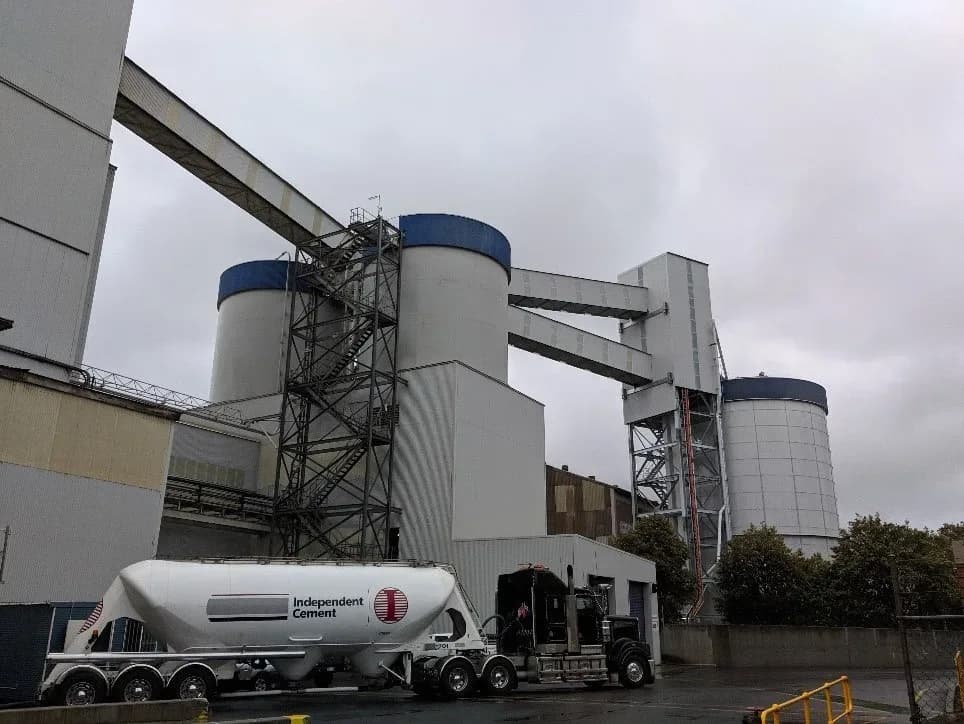
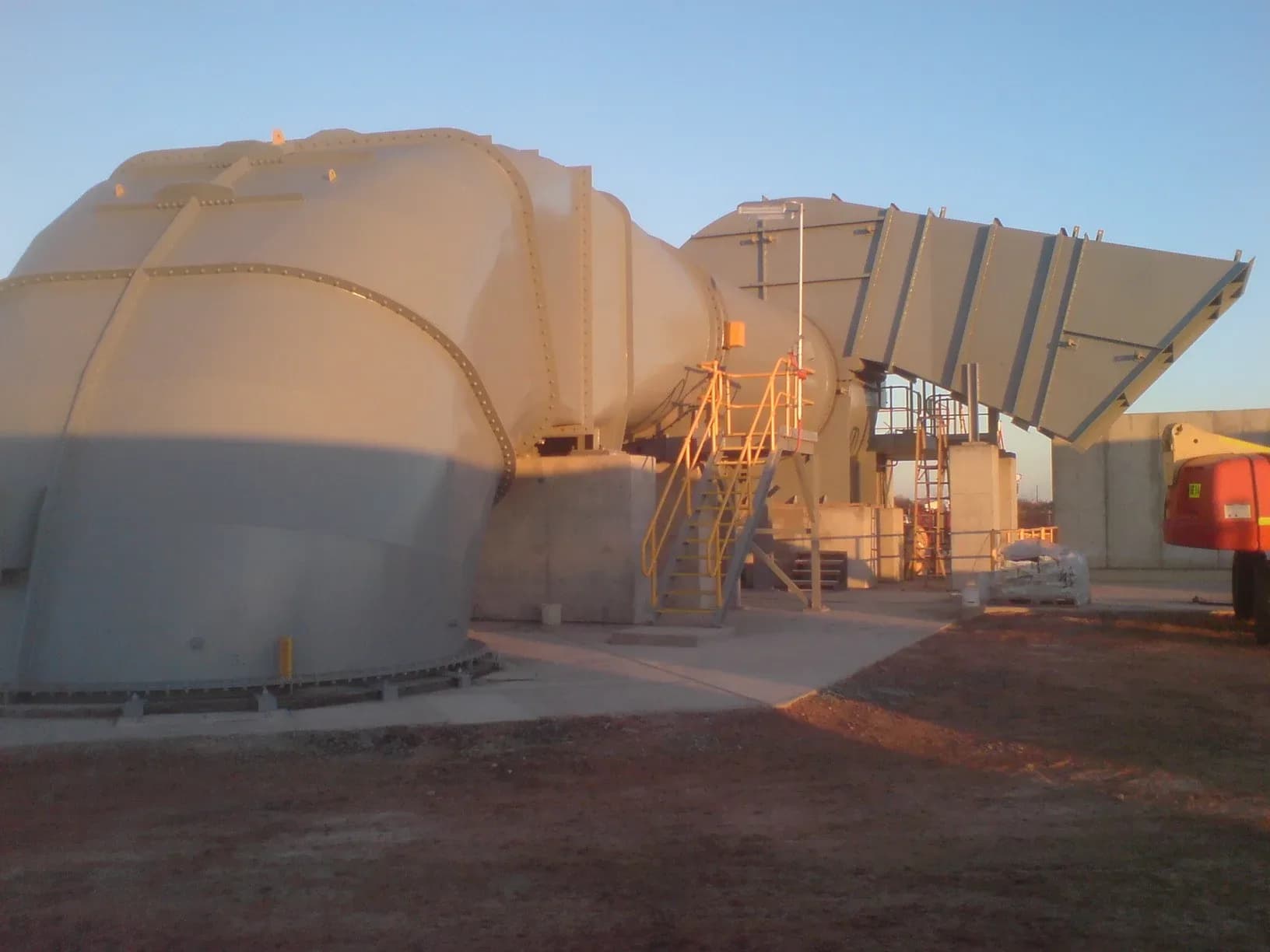
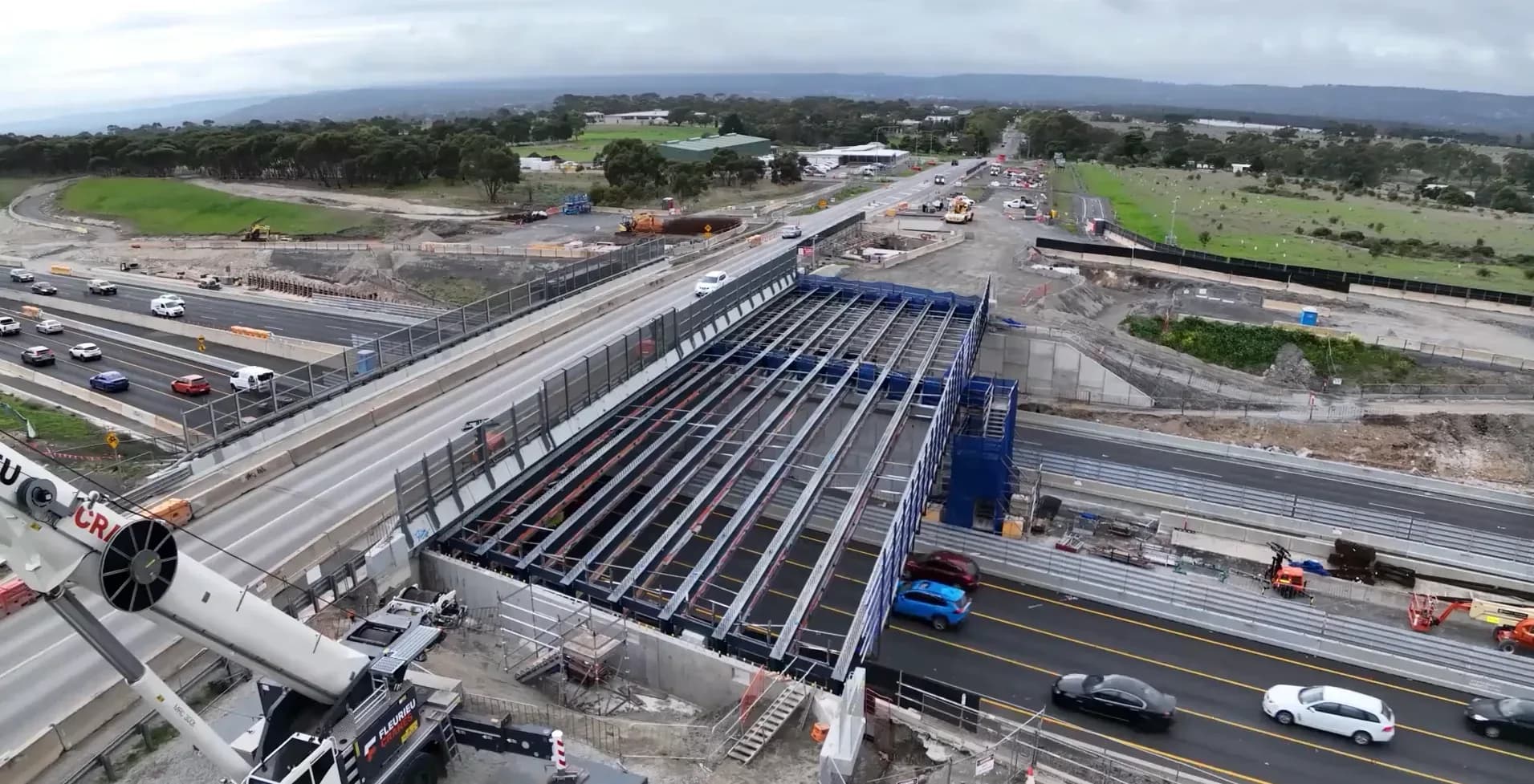
Temporary works is a scope that sits at the intersection of several of our disciplines, and it is one we have invested in accordingly. Our temporary works design capability spans civil infrastructure, building construction and demolition and dismantling, and the solutions we deliver benefit from the mix of mechanical, maritime, structural and heavy lifting engineering we have in-house.
Capability areas
We cover the full span of temporary works design that sits beneath complex construction and demolition programmes.
Construction and demolition sequence analysis
Constructability studies and reviews
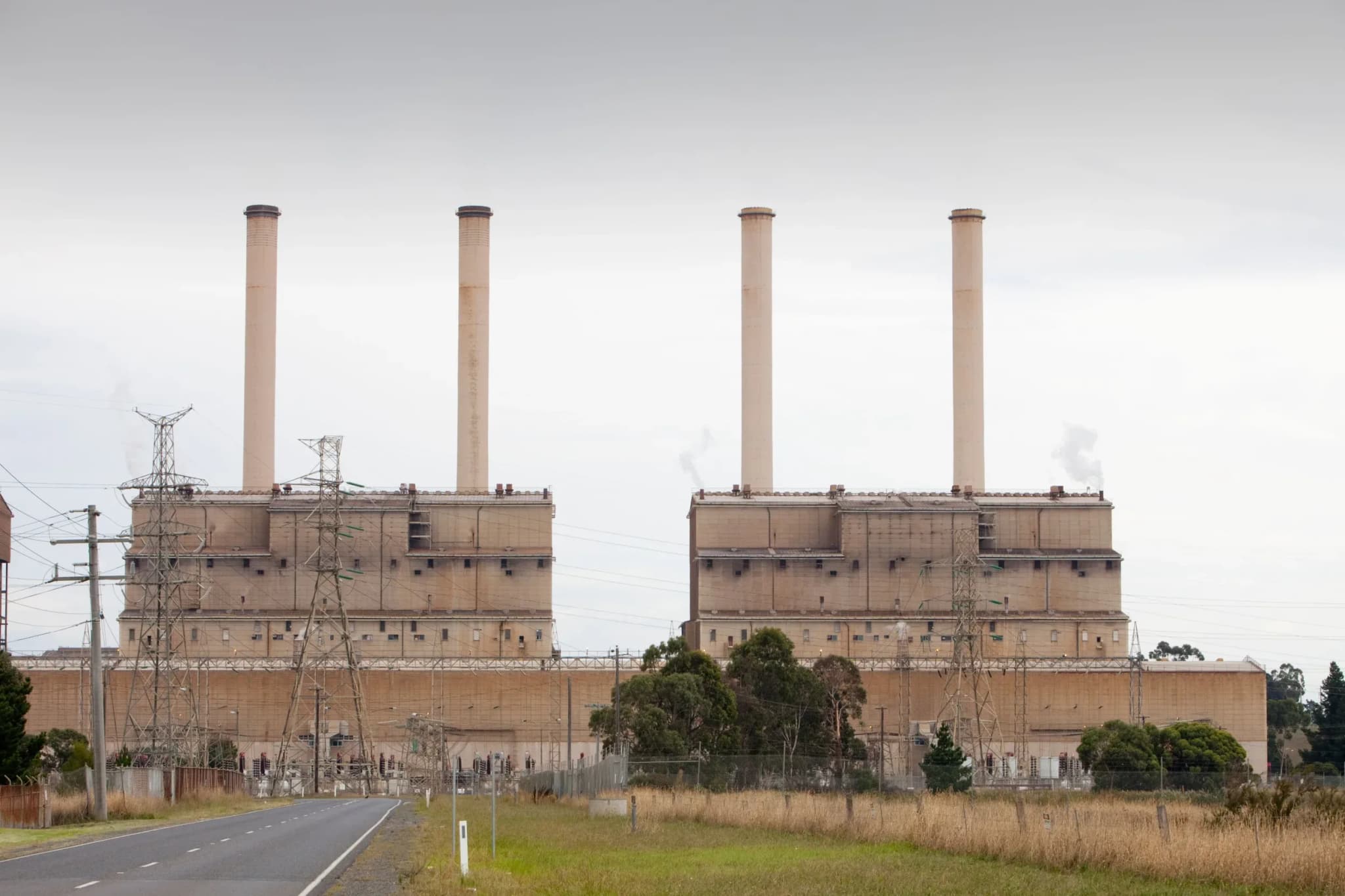
Mothballing, demolition and dismantling plans
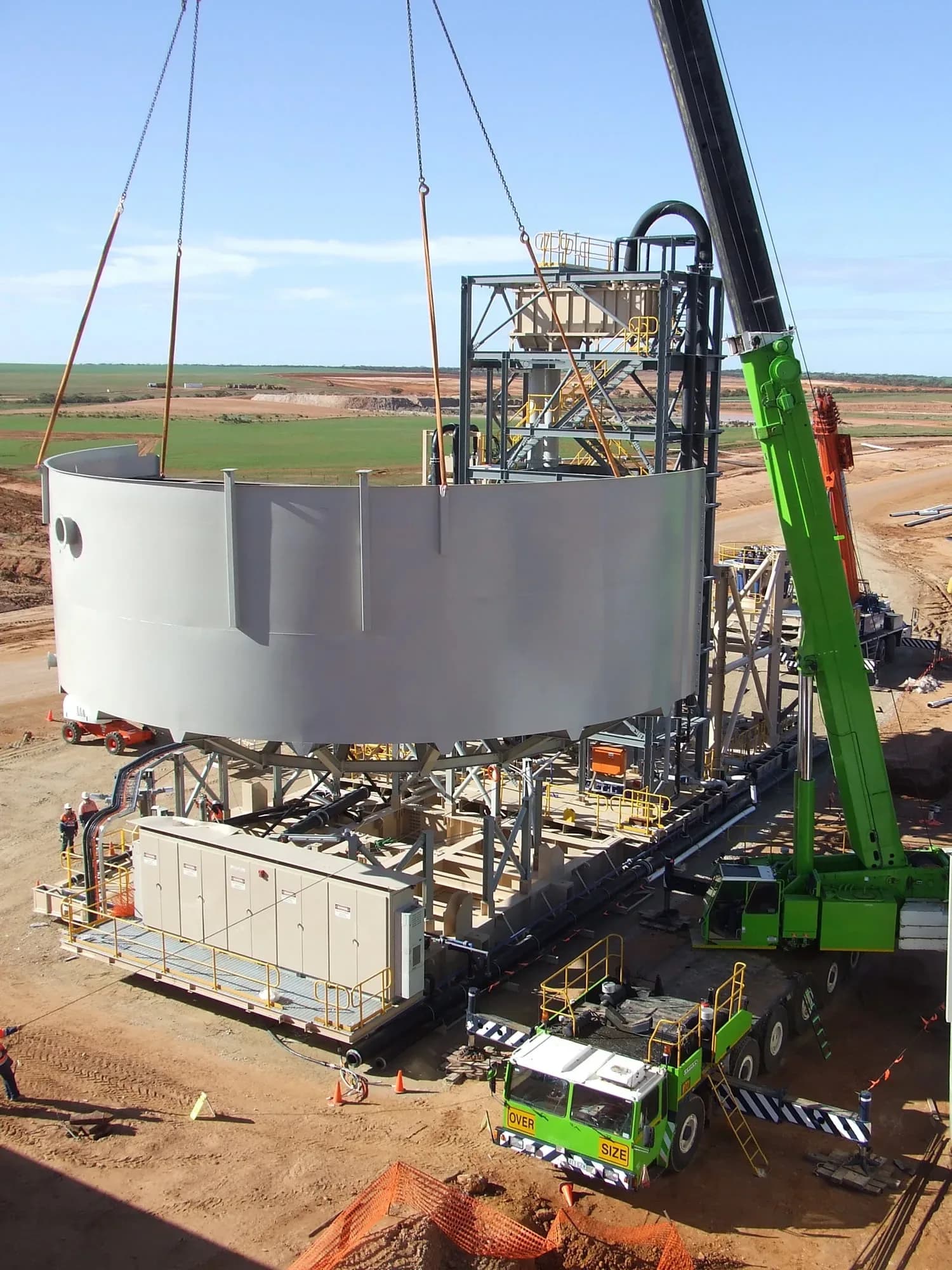
Heavy lifting and haulage planning and engineering
Cofferdams and temporary retaining structures
Construction bid assistance
Failure analysis
Temporary foundations and piling
Ground investigation and preparation
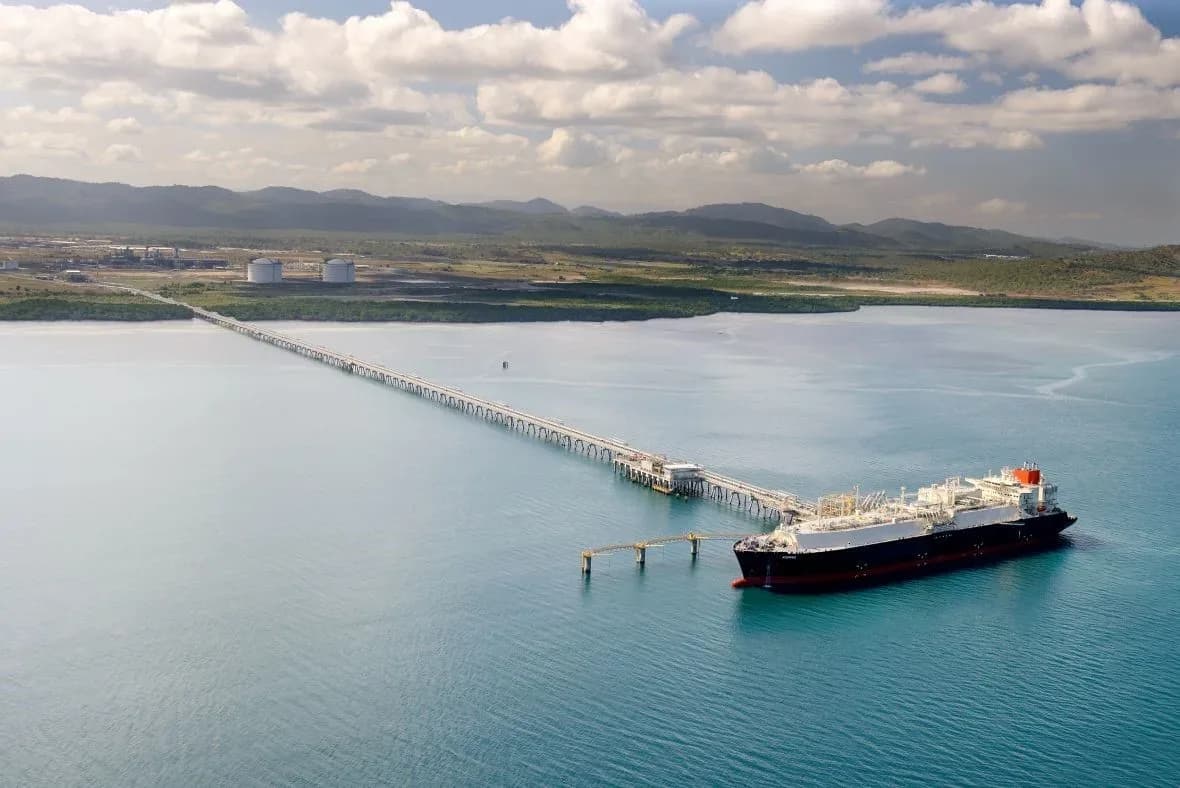
Marine construction engineering
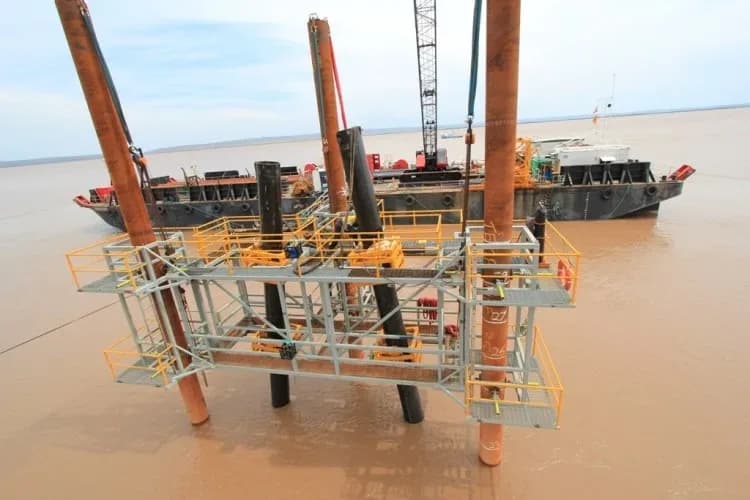
Piling and sheet piling frames and platforms
Rigging solutions and lift studies
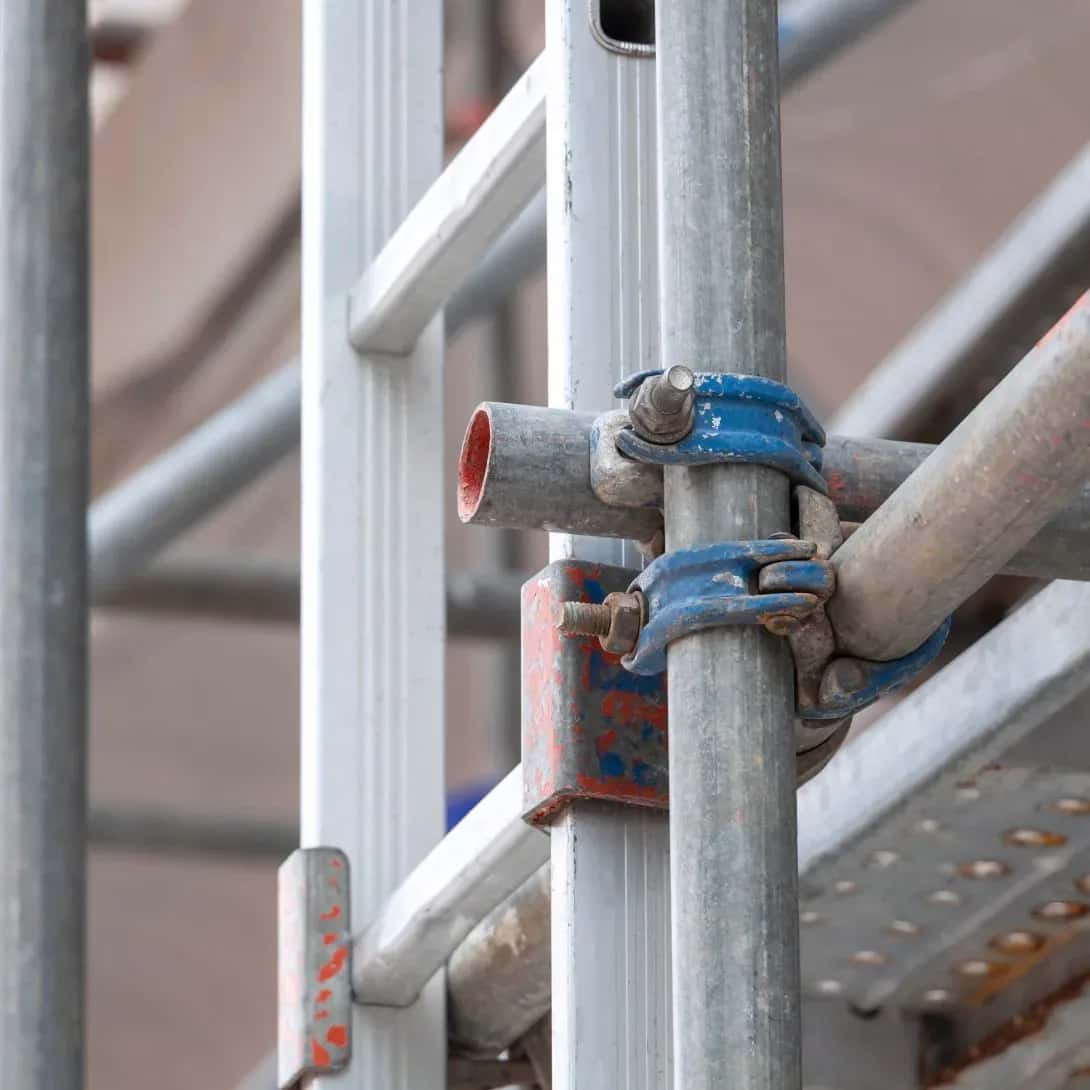
Scaffolding and staging design reviews
Special-purpose machines and launching systems
Temporary construction facilities
Temporary propping
Practical and cost-effective
Temporary works are a direct cost to the project, so design decisions have to balance safety and buildability against the real money that sits behind them. We focus on producing solutions that are both robust and economic, which usually means working closely with the contractor's team to understand what equipment, labour and sequencing are actually available on the ground.
What this work involves
Temporary works carry the same loads as the permanent structure and get a fraction of the design attention, which is why they account for a disproportionate share of construction incidents. The engineering is genuinely harder in places: the structure changes shape as the job progresses, the load cases move with the sequence, and the design has to suit the plant and labour that are actually available on that site in that week.
We design the propping, retention, platforms and lifting arrangements that sit beneath construction, demolition and dismantling programmes, and we analyse the sequence itself so that the structure is stable at every stage rather than only at the start and the end. Because structural, geotechnical, civil and marine engineering all sit in-house, a scheme that needs a cofferdam, a piling platform and a lift study does not need three consultants.
Construction and demolition sequence and stability analysis
Temporary propping, retaining structures and cofferdams
Piling platforms, frames and temporary foundations
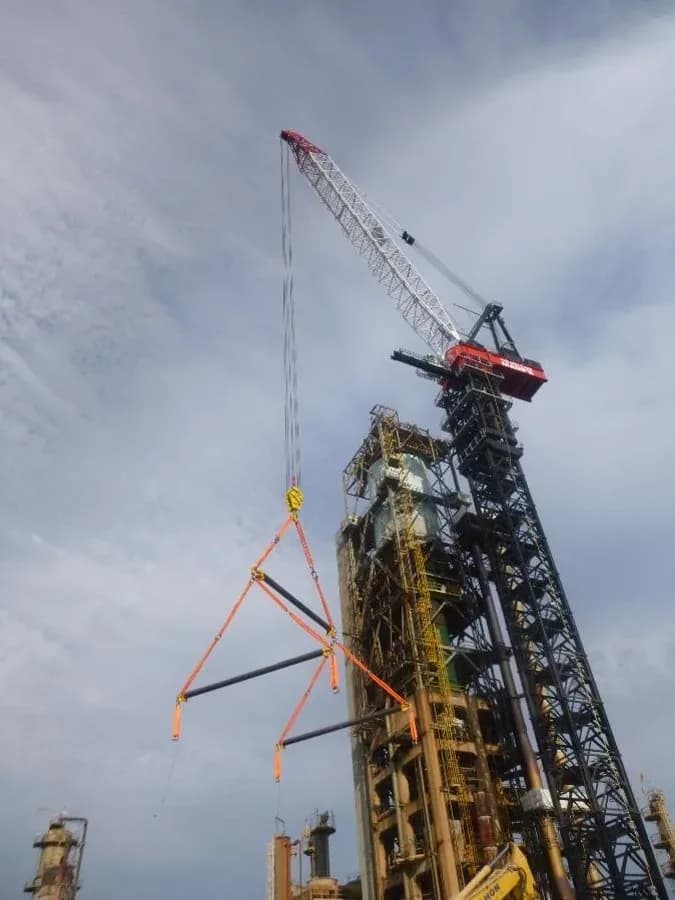
Heavy lifting, rigging and haulage planning
Scaffolding and staging design review
Constructability studies, buildability review and failure analysis
How we approach it
Temporary works are a direct cost to the project and produce nothing that survives it, so every kilogram of steel has to justify itself against the risk it removes. We work with the contractor’s team early to understand the plant, the crew and the sequence they intend to use, then design to that rather than to a generic arrangement that will be redesigned on site anyway. Where a proposed method is not safe we say so plainly and offer an alternative, which is usually cheaper than the conversation that follows an incident.
Common questions about temporary works
What counts as temporary works?
Anything engineered that holds the job up but is not part of the finished asset: propping, retention and cofferdams, piling platforms, temporary frames and foundations, lifting and rigging arrangements, staging and scaffolding design.
It also includes the sequence itself, so that the structure is stable at every stage rather than only at the start and the end.
Why does temporary works design get more attention than its cost suggests?
Because temporary works carry the same loads as the permanent structure and typically get a fraction of the design attention, which is why they account for a disproportionate share of construction incidents.
The engineering is genuinely harder in places. The structure changes shape as the job progresses, the load cases move with the sequence, and the design has to suit the plant and labour actually available on that site in that week.
Can you design to the plant we already have?
Yes, and that is usually the cheaper answer. Temporary works are a direct cost to the project and produce nothing that remains, so a scheme that suits the crane and crew already on site normally beats a more elegant one that needs a different machine.
Do you cover demolition and dismantling as well as construction?
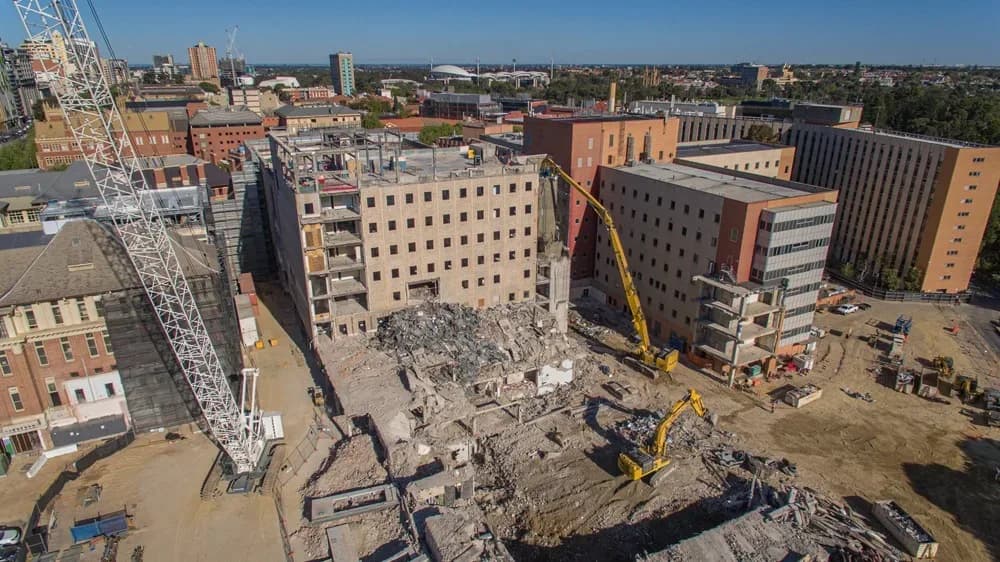
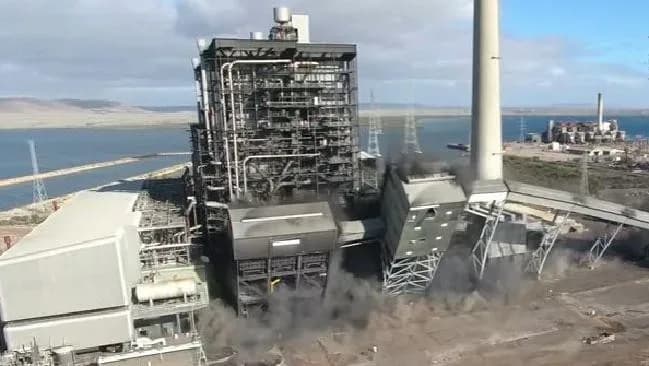
Yes. Demolition sequence and stability analysis is core work, including on large and constrained sites. Examples include the Old Royal Adelaide Hospital demolition and the Port Augusta power station demolition.
What if the scheme needs several disciplines at once?
It usually does, and that is the point of keeping them together. A scheme that needs a cofferdam, a piling platform and a lift study draws on structural, geotechnical, civil and coastal and marine engineering without needing three consultants to agree with each other first.