Temporary Works Engineering in Kerikeri
Building in the Far North often means working on sloping, weathered ground in a wet, storm-exposed climate, and the temporary works have to suit those conditions. Temporary works are the props, shoring, falsework and excavation support that hold a job safe while the permanent structure goes in, and they matter just as much on a Kerikeri lifestyle build or a Bay of Islands commercial fit-out as on a city tower.
LDE brings structural and geotechnical engineering together to design the temporary stages of construction, demolition and dismantling around Kerikeri and the wider Far North. We design propping and shoring, falsework and formwork, and the excavation support that trenches and basements need in soft and expansive clay soils.
We also set out craneage and lifting support and check stability during construction, so the build sequence stays safe and consentable. For Far North clients, that means temporary works engineering matched to local ground, weather and access.
Send a Message
Enquire about your Kerikeri project
How our Kerikeri team delivers temporary works
Far North sites bring slope, soft and expansive clays and a high-rainfall climate, so the temporary works need real engineering rather than a standard detail. Our team designs the propping, shoring, falsework and excavation support that holds a structure safe through each stage of construction, demolition or dismantling, and checks the load paths and stability as the work proceeds.
It is the same temporary works engineering we bring to building projects across Northland, combining structural and geotechnical input so the temporary stages suit both the structure and the ground.
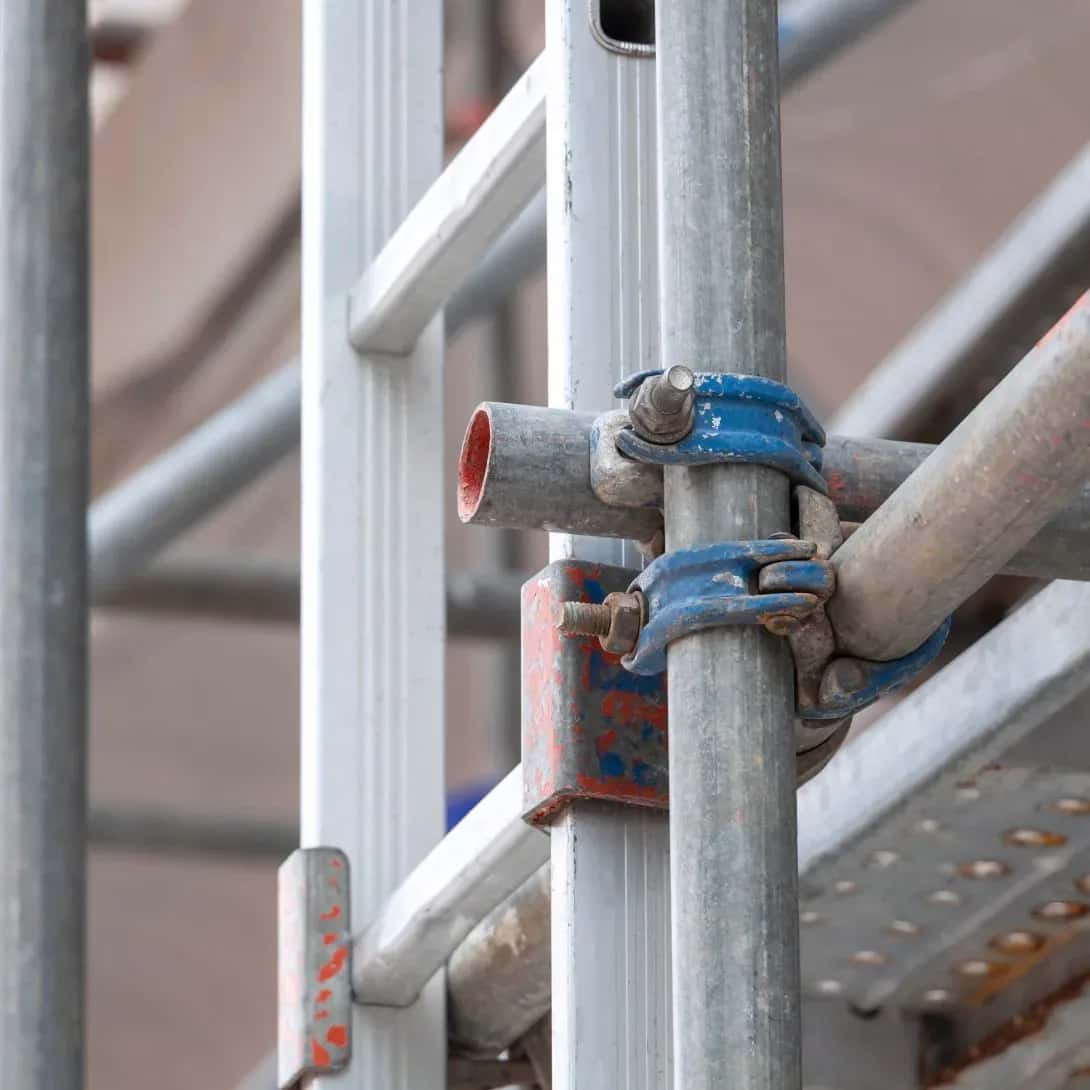
- Propping and shoring for alterations, additions and partial demolition
- Falsework and formwork design for suspended slabs and walls
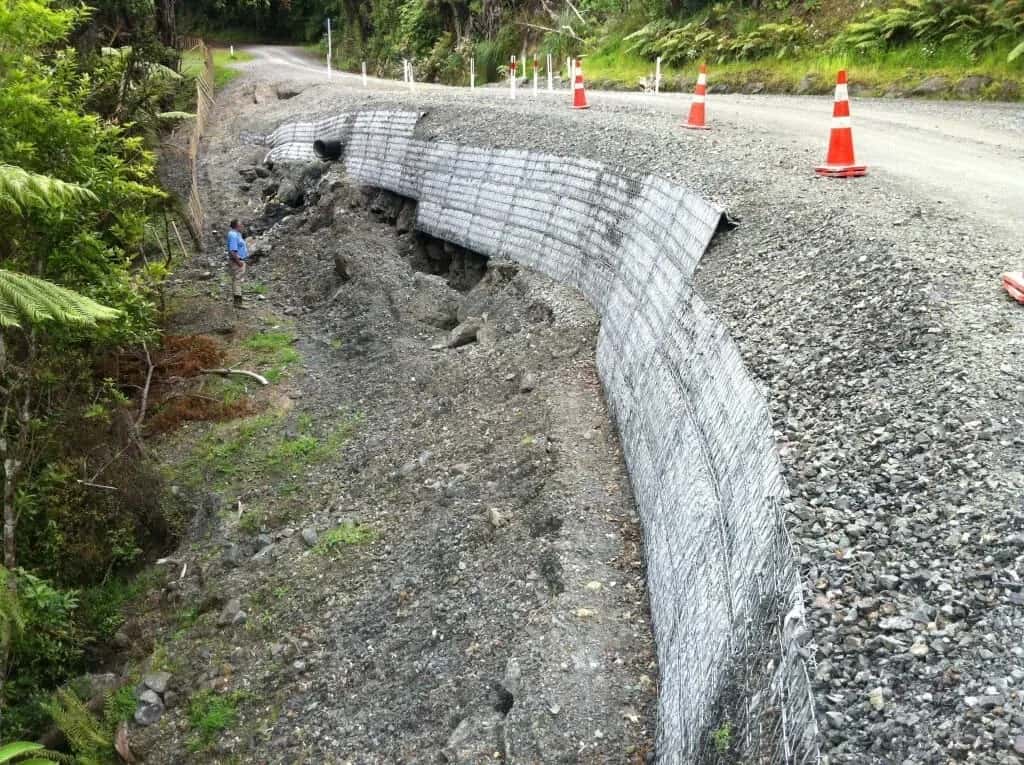
- Excavation and trench support in soft and expansive clay soils
- Craneage, lifting support and stability checks during construction
Temporary works safety and standards in the Far North
Temporary works are a recognised health and safety risk on site, so design, checking and sequencing have to be done properly. We work to WorkSafe New Zealand guidance on excavation and construction safety and to recognised national standards, alongside Northland Regional Council and Far North District Council requirements where consents apply.
- WorkSafe New Zealand excavation and construction safety guidance
- Standards New Zealand loadings and temporary structures standards
- Temporary works design, independent checking and a clear permit-to-load sequence
LDE temporary works in the Far North
LDE supports construction across the Far North with temporary works engineering for buildings, alterations and infrastructure, from props and shoring on a Kerikeri renovation to excavation support and falsework on larger Bay of Islands sites. Steady lifestyle, residential and commercial growth keeps the region building, and the temporary stages of that work need the same structural and geotechnical thinking as the permanent design. You can see the breadth of our regional delivery on the projects page and across our building work.
Common questions about temporary works in the Far North
What counts as temporary works on a Far North build?
Temporary works are the structures that support construction but are not part of the finished building: props, shoring, falsework and formwork, trench and excavation support, and the bracing that keeps things stable during the work. They are removed once the permanent structure can stand on its own.
Why do excavations near Kerikeri need temporary support?
Soft and expansive clay soils and a wet climate mean trench and excavation faces can collapse without support, which is a serious safety risk. We design shoring or battering to suit the soils and the depth, so the excavation stays safe for the people working in it.
Who designs LDE’s temporary works in the Far North?
Chartered Professional Engineers from our team, combining structural and geotechnical expertise and supported by LDE specialists across Northland and beyond.
Do you provide temporary works for demolition as well as new builds?
Yes. Demolition and dismantling often need propping, shoring and lateral support to keep parts of a structure stable while others come down, particularly on attached or partly retained buildings. We design that support and the sequence so a Far North demolition is carried out safely and in a controlled way.
Northland