
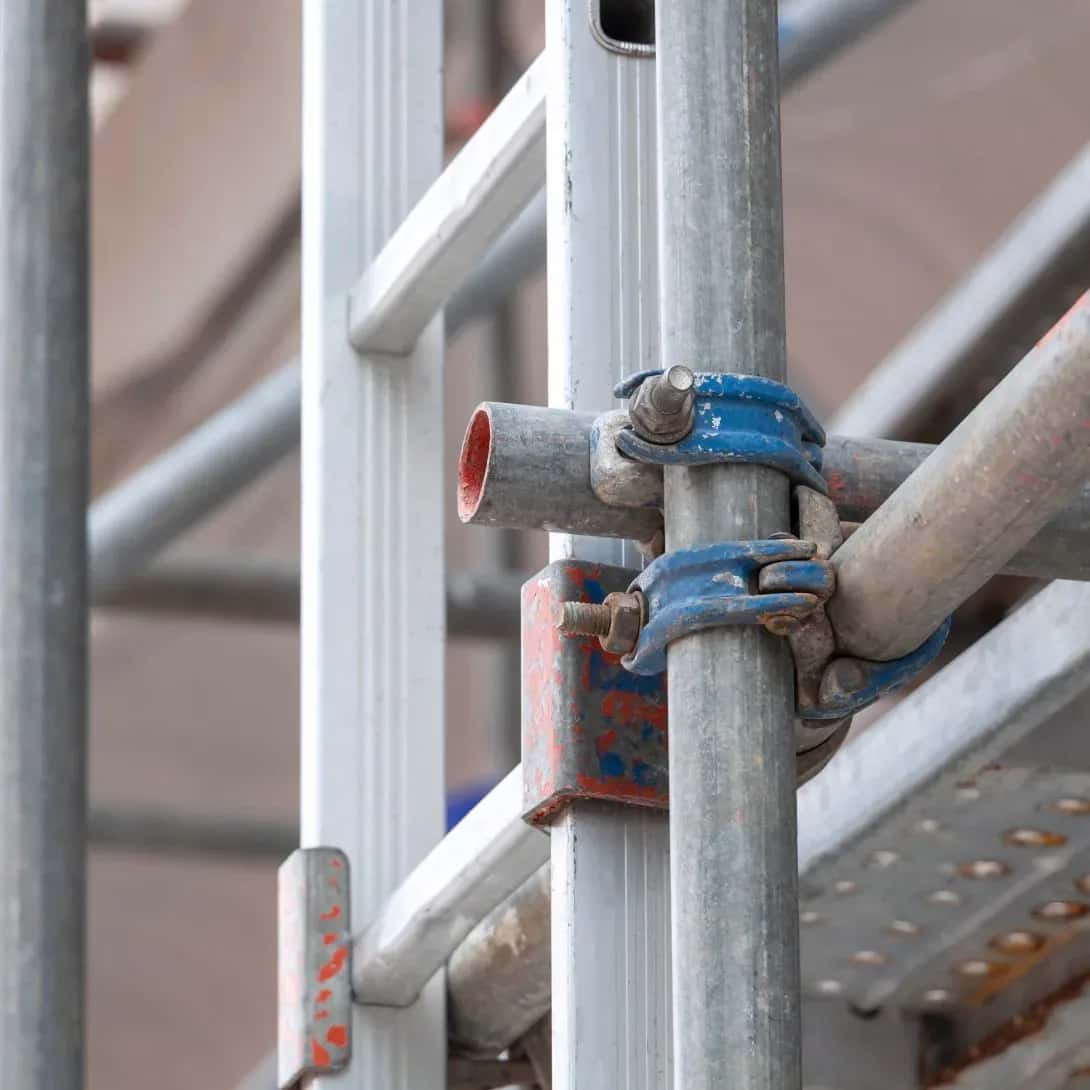
Temporary Works Engineering in Whakatāne
Construction in the Eastern Bay of Plenty has to work with the Rangitāiki Plains, where soft soils and a high water table shape every stage of a build, including the temporary ones. Temporary works are the props, shoring, falsework and excavation support that hold a site safe while the permanent structure is built, removed or modified, and on the plains the excavation and support design needs real care. LDE combines structural and geotechnical engineering to design the temporary stages of construction, demolition and dismantling across the Eastern Bay.
We design propping and shoring, falsework and formwork, and excavation and trench support for the soft alluvial soils and shallow groundwater common around Whakatāne. We also set out craneage and lifting support and check stability during construction, in a part of the country that is seismically active and flood-exposed. Where groundwater is shallow we design the support and dewatering together, so an excavation stays stable and workable rather than slumping or flooding.
For Whakatāne and the wider Eastern Bay, that means temporary works engineering rooted in how this distinctive landscape behaves.
Send a Message
Enquire about your Whakatāne project
How our Whakatāne team delivers temporary works
On the Rangitāiki Plains, soft soils and a high water table make excavation support and stability central to the temporary works. Our Eastern Bay engineers design the propping, shoring, falsework and excavation support that holds a structure safe through construction, demolition or dismantling, and check the load paths and stability as the work proceeds. Shallow groundwater means trench and excavation support has to be designed with dewatering and ground behaviour in mind.
It is the same temporary works engineering we bring to building projects across the region, combining structural and geotechnical input so the temporary stages suit both the structure and the ground.
- Propping and shoring for alterations, additions and partial demolition
- Falsework and formwork design for suspended slabs and walls
- Excavation and trench support in soft soils with a high water table
- Craneage, lifting support and stability checks during construction
Temporary works safety and standards in the Eastern Bay
Temporary works are a recognised construction risk, and shallow groundwater on the plains makes excavation safety especially important, so design, independent checking and a controlled load sequence matter. We work to WorkSafe New Zealand guidance on excavation and construction safety and to recognised national standards, alongside Bay of Plenty Regional Council Toi Moana and Whakatāne District Council requirements where consents apply.
- WorkSafe New Zealand excavation and construction safety guidance
- Standards New Zealand loadings and temporary structures standards
- Temporary works design, independent checking and a clear permit-to-load sequence
LDE temporary works in the Eastern Bay of Plenty
LDE supports construction across the Eastern Bay of Plenty with temporary works engineering for buildings, alterations and infrastructure, from props and shoring on a renovation to excavation support and falsework on community and commercial sites. Building on the Rangitāiki Plains demands respect for the soft soils, the water table and the region’s seismic setting, and the temporary stages of that work need the same structural and geotechnical thinking as the permanent design. You can explore the breadth of our regional delivery on the projects page and across our building work.
Common questions about temporary works in the Eastern Bay of Plenty
What are temporary works on a Whakatāne build?
Temporary works are the structures that support construction but do not form part of the finished building: propping and shoring, falsework and formwork, excavation and trench support, and the bracing that holds a site stable. They are removed once the permanent structure is self-supporting.
How does the high water table affect excavation support?
On the Rangitāiki Plains the water table is shallow, so an open excavation can become unstable and fill with water. We design shoring and, where needed, dewatering to suit the soils and the groundwater, so trenches and basements stay safe and workable.
Who designs LDE’s Eastern Bay temporary works?
Chartered Professional Engineers from our team, combining structural and geotechnical expertise and supported by LDE specialists across the Bay of Plenty and nationally.
Do you account for seismic loads in temporary works here?
Where it matters, yes. The Eastern Bay is seismically active, so for longer-duration or higher-risk temporary works we consider how the partly built structure and its support would respond to shaking. This keeps the temporary stages safe through what can be an extended construction programme.
Bay of Plenty
Recent projects in Bay of Plenty
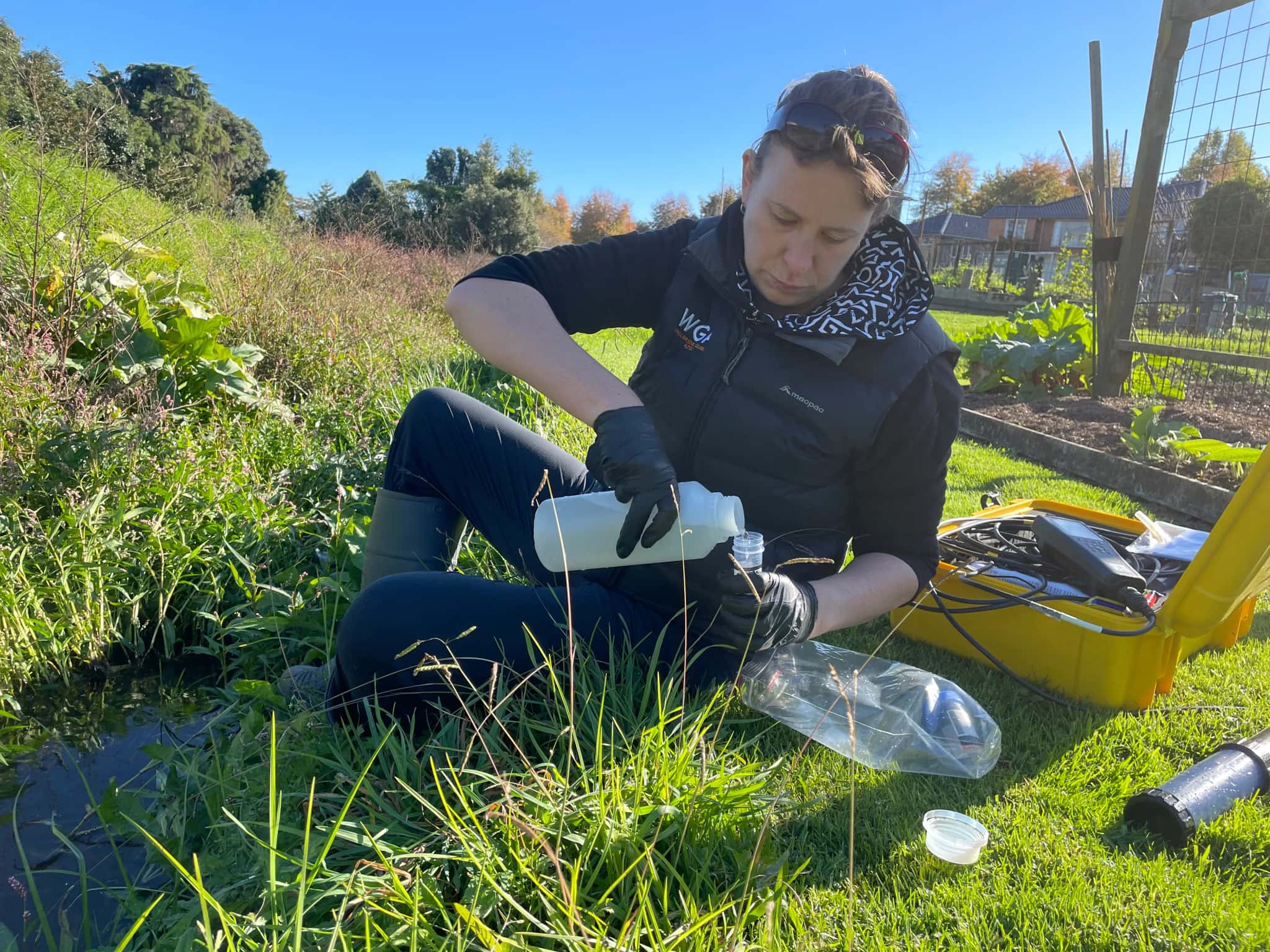
Ōmokaroa Geothermal Take and Discharge

Pillans Point Primary School, Tauranga
Tauranga
.webp&w=2048&q=60)
Pāpāmoa Retail Development
Bluehaven Group
Pāpāmoa, Bay of Plenty
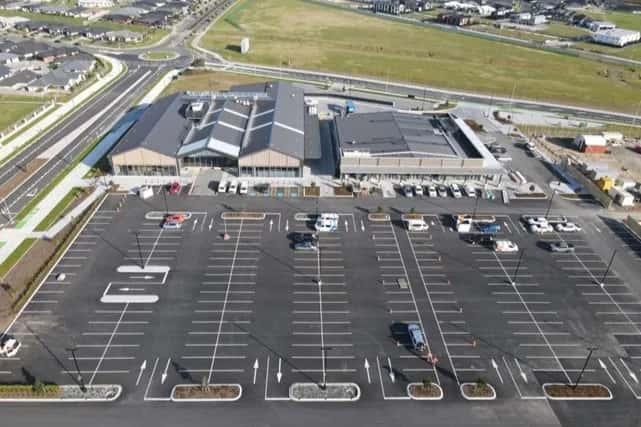
Pāpāmoa New World Supermarket
Bluehaven Group
Pāpāmoa, Bay of Plenty
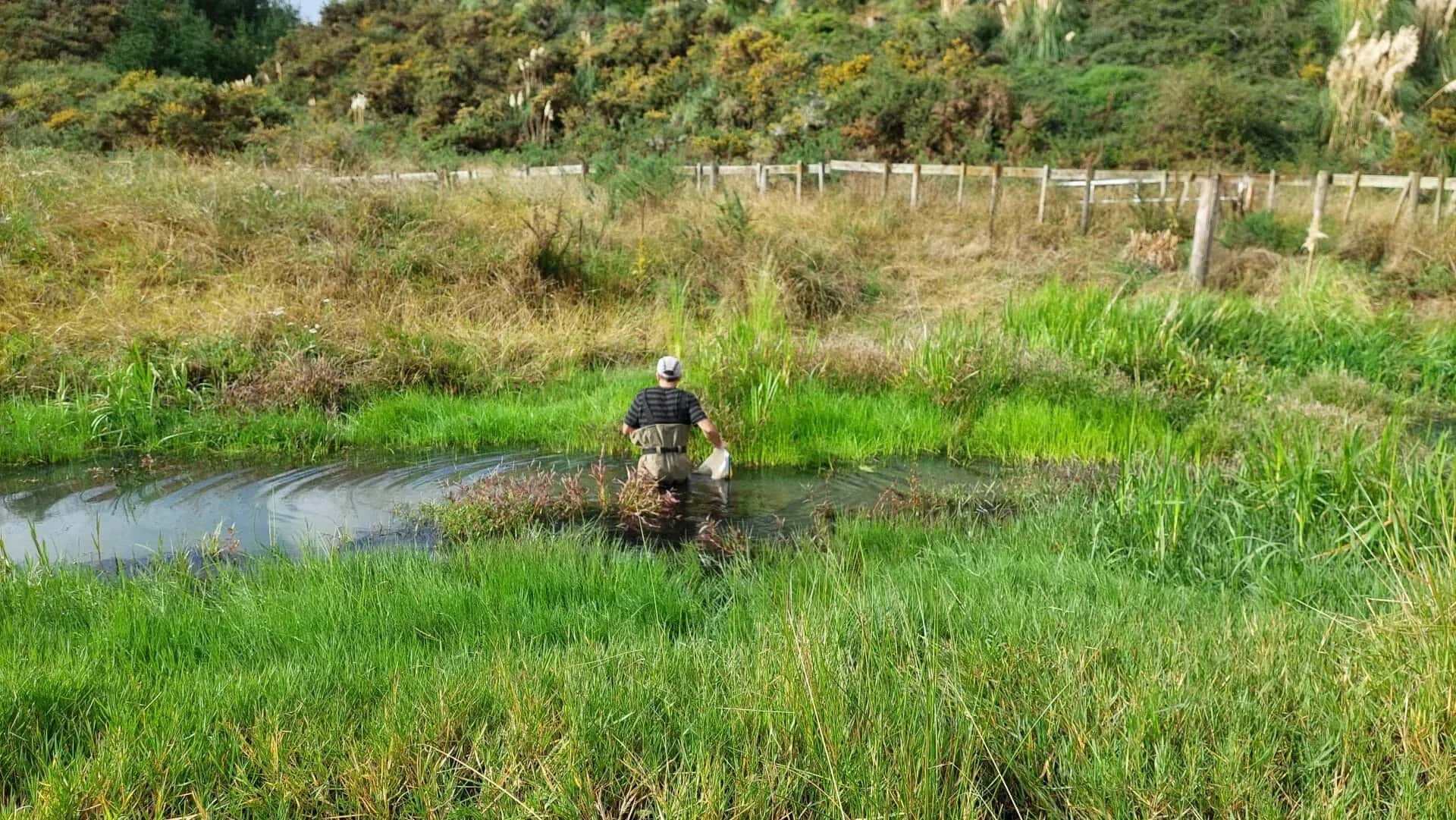
Freshwater Ecology for Waiū Dairy
Waiū Dairy Ltd
Kawerau, Bay of Plenty
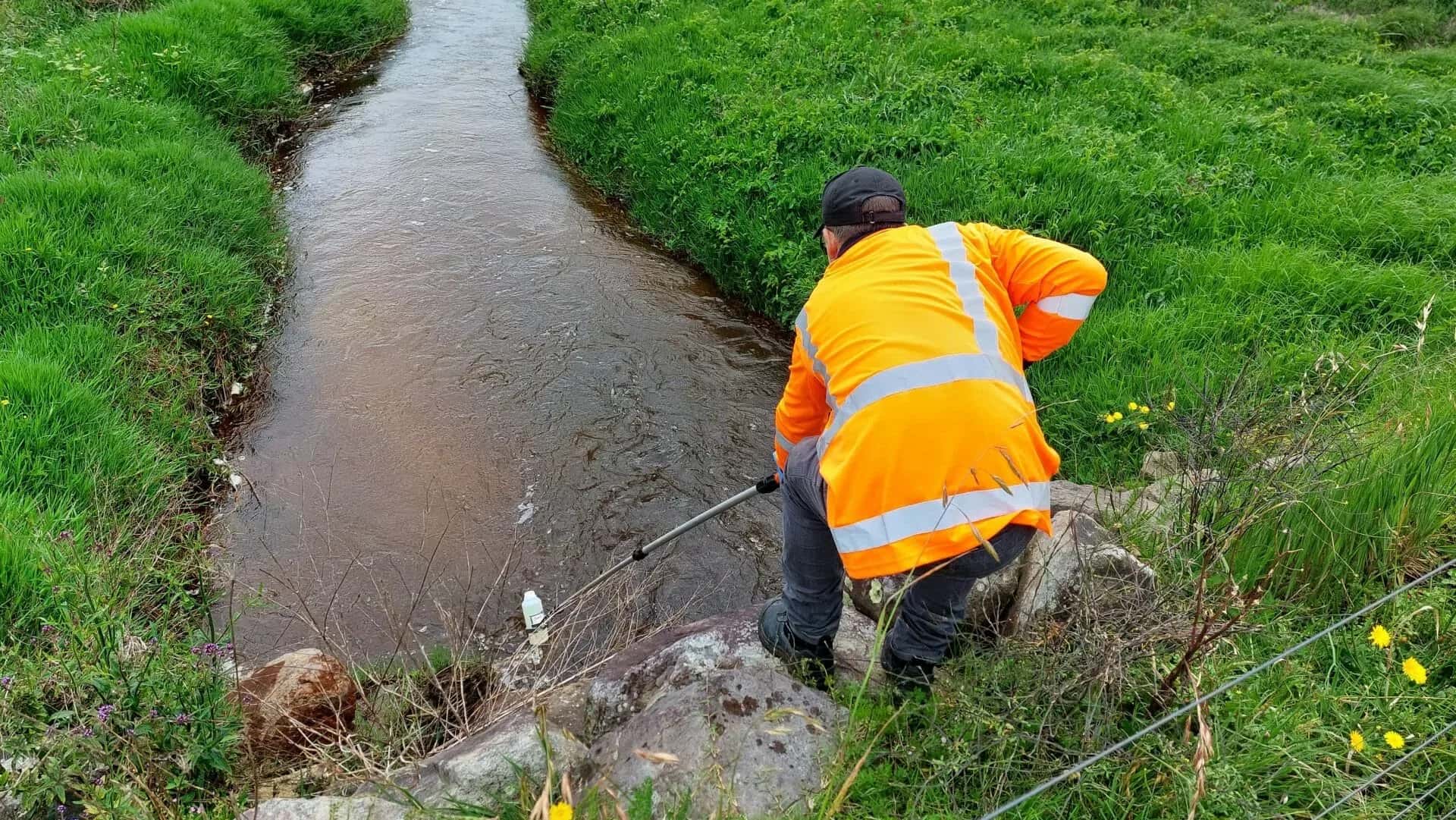
Environmental Compliance for Waiū Dairy
Waiū Dairy Ltd
Kawerau, Bay of Plenty