
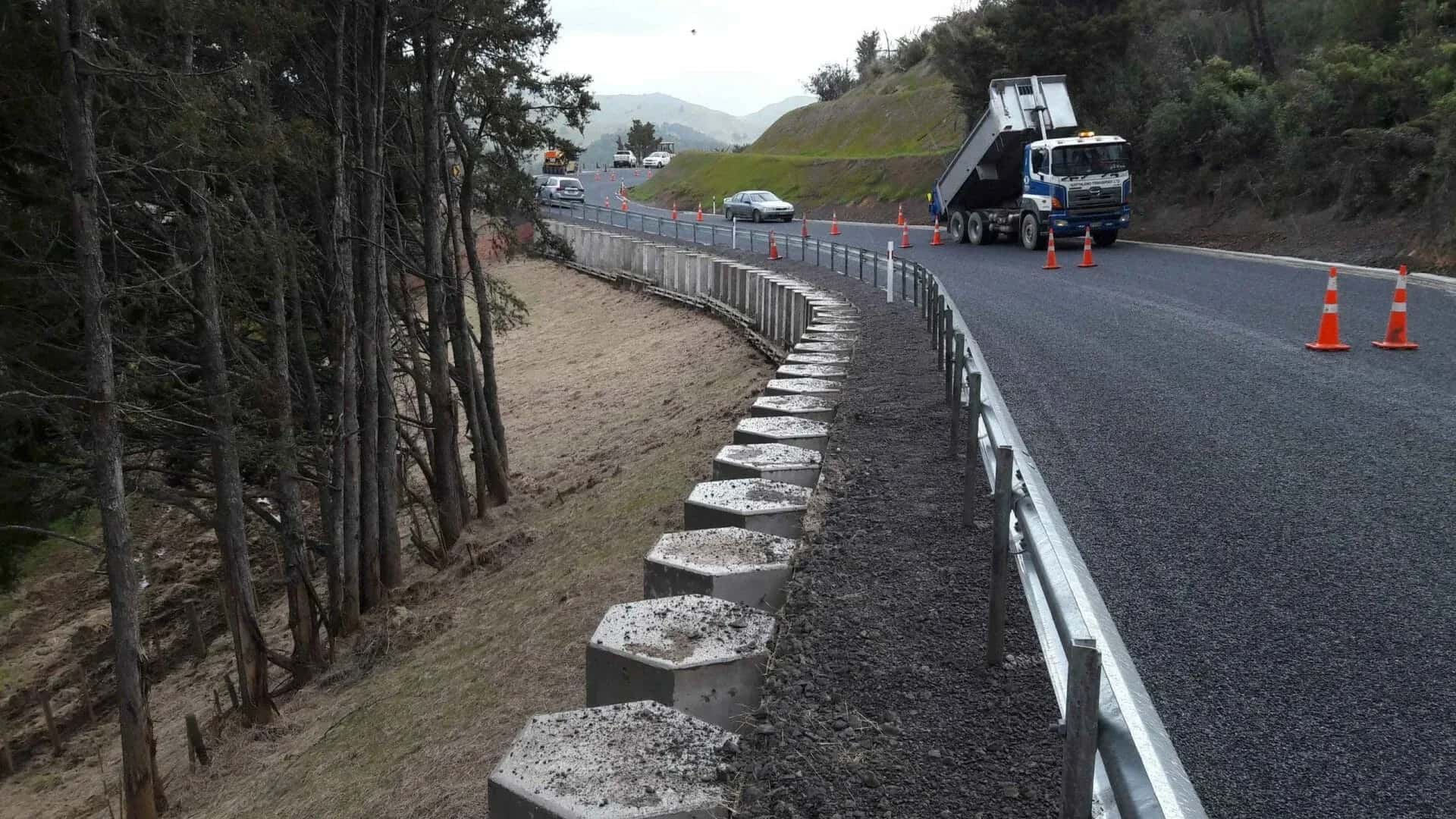
Transport Engineering in Whakatāne
Transport in the Eastern Bay of Plenty is about keeping a largely rural region connected across the Rangitāiki Plains and the surrounding hill country. State highways and rural roads link Whakatāne, Kawerau and the smaller communities, carrying commuters, forestry and horticultural freight, and they have to stay resilient to the flooding and storms the area is exposed to. Many sites front onto these rural routes, so safe access and a clear view of the traffic effects are usually the first things a project has to address.
LDE’s Whakatāne team brings transport engineering to this setting, from integrated transport assessments for new development to road safety and intersection and road geometry advice on rural routes. We help developers, councils and property owners understand the traffic effects of their projects, design safe accesses and parking, and prepare the assessments consents require. Forestry and horticultural vehicles share these roads with local traffic, so we design for the full range of users.
With the 2017 Edgecumbe flooding a reminder of how exposed the plains can be, road resilience is part of the picture. For Whakatāne and the Eastern Bay, that means practical transport advice grounded in local conditions.
Send a Message
Enquire about your Whakatāne project
How our Whakatāne team delivers transport engineering
Eastern Bay transport work centres on rural roads and state highways that carry a mix of local, forestry and horticultural traffic. New development needs safe access onto these routes, and the traffic effects of land-use change have to be understood. Our Eastern Bay engineers assess those effects, design accesses and intersections to suit rural speeds and vehicle types, and prepare the integrated transport assessments consents call for.
It is the same transport engineering capability we apply to urban development across the region, where access, parking and active modes all have to work on a single site.
- Integrated transport assessments for development and land-use change
- Rural access and intersection design for state highways and local roads
- Road safety review on routes carrying freight and local traffic
- Parking and access design for new development
Transport planning and consenting in the Eastern Bay
Local transport around Whakatāne is managed by Whakatāne District Council as the road-controlling authority, with the state highway network managed by NZ Transport Agency Waka Kotahi. We align our assessments and designs with that framework and recognised national guidance.
- NZ Transport Agency Waka Kotahi geometric design and road safety guidance
- Standards New Zealand parking and access standards
- Engineering New Zealand chartered practice
LDE transport engineering in the Eastern Bay of Plenty
LDE supports transport across the Eastern Bay of Plenty as part of how we deliver land development, with traffic and access design working alongside our civil and planning teams. Across the Rangitāiki Plains and the surrounding country we assess the transport effects of development, design safe accesses onto rural roads and state highways, and consider how routes hold up under the flood and storm exposure that defines the area. You can see more of our regional delivery on the projects page, and read about our wider transport work.
Common questions about transport engineering in the Eastern Bay of Plenty
Do I need a transport assessment for an Eastern Bay development?
Often yes. Where a development adds traffic or needs new access onto a rural road or state highway, the council usually wants an assessment of the transport effects. We scope it to the proposal and the route it connects to.
How do you design safe access on rural Eastern Bay roads?
We check sight distance, speed and the types of vehicle using the road, then design the access so it is safe to enter and exit. On state highways we work to NZ Transport Agency Waka Kotahi requirements, and on local roads to Whakatāne District Council standards.
Who leads LDE’s transport work in the Eastern Bay?
Chartered Professional Engineers from our team, supported by LDE specialists across the Bay of Plenty and nationally.
Does road resilience factor into transport design here?
Yes. The plains and surrounding roads are exposed to flooding and storms, as the 2017 Edgecumbe event showed, so we consider drainage, levels and resilience as part of access and route design. Working with our civil team, we look at how a route performs in a flood or storm, not just in normal conditions.
Bay of Plenty
Recent projects in Bay of Plenty
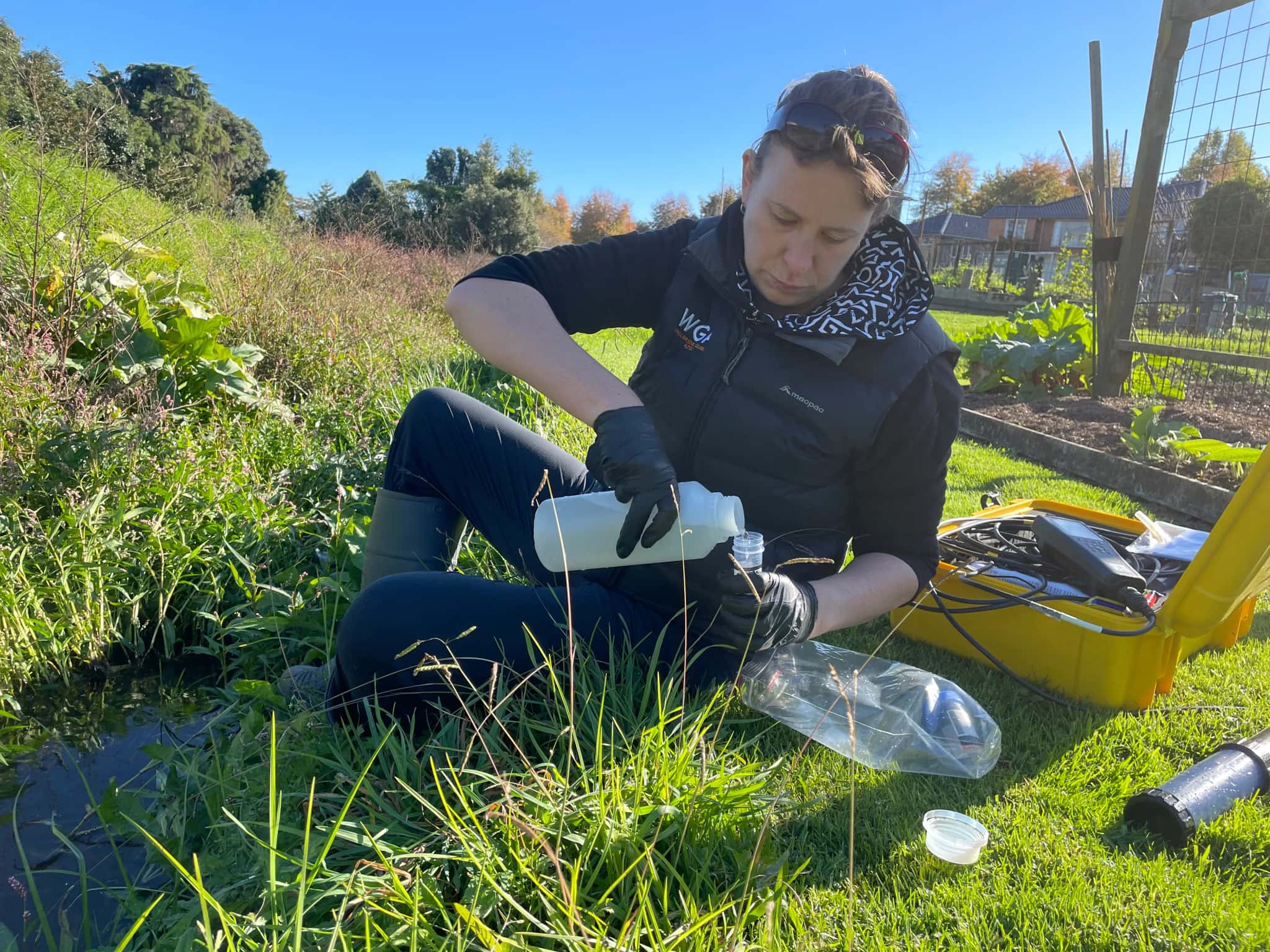
Ōmokaroa Geothermal Take and Discharge

Pillans Point Primary School, Tauranga
Tauranga
.webp&w=2048&q=60)
Pāpāmoa Retail Development
Bluehaven Group
Pāpāmoa, Bay of Plenty
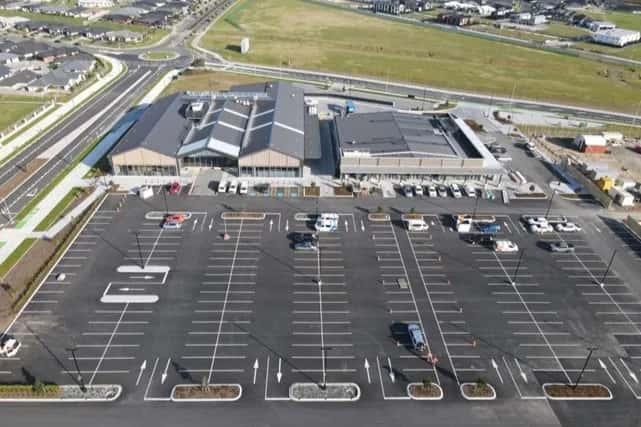
Pāpāmoa New World Supermarket
Bluehaven Group
Pāpāmoa, Bay of Plenty
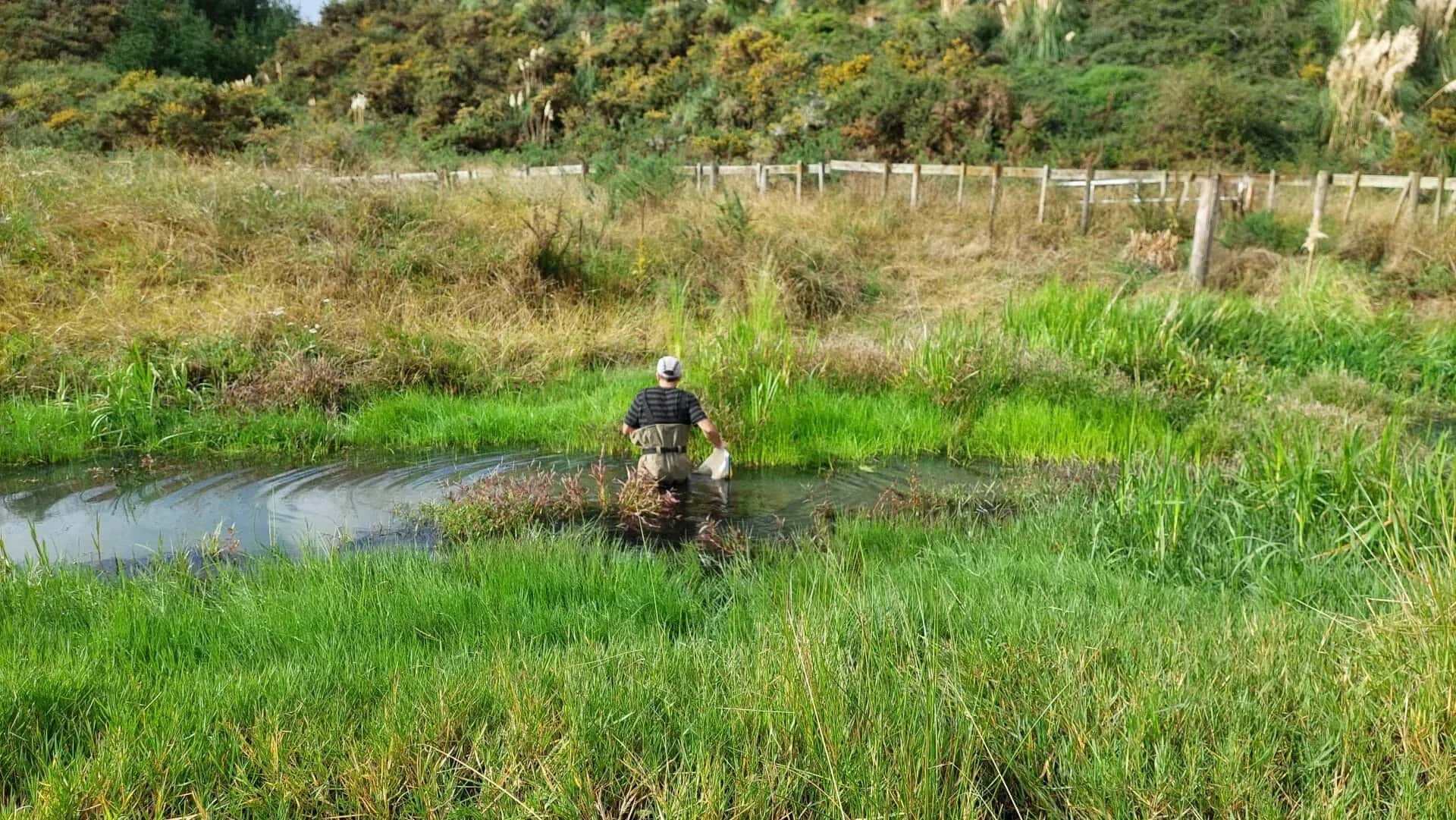
Freshwater Ecology for Waiū Dairy
Waiū Dairy Ltd
Kawerau, Bay of Plenty
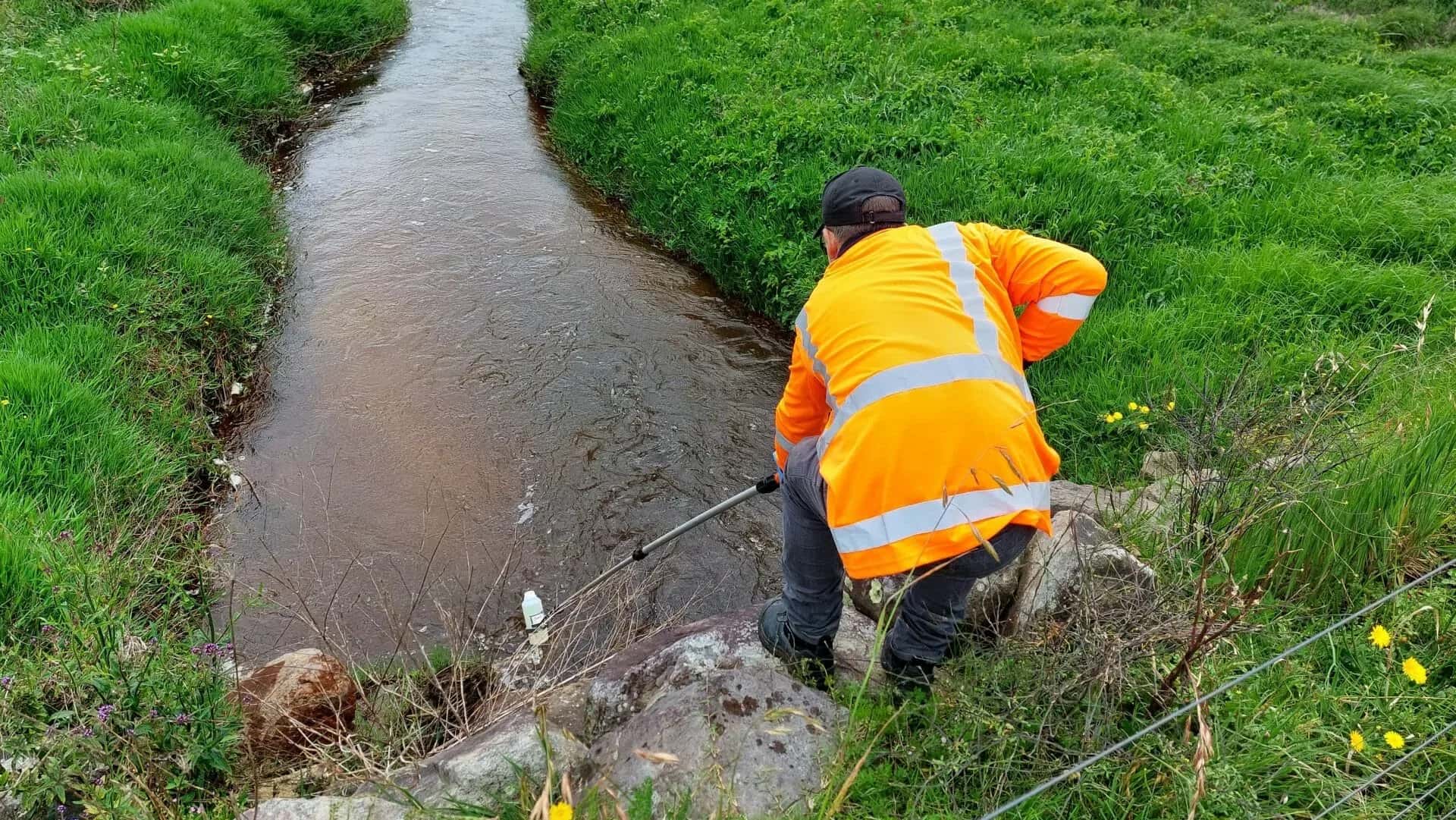
Environmental Compliance for Waiū Dairy
Waiū Dairy Ltd
Kawerau, Bay of Plenty