
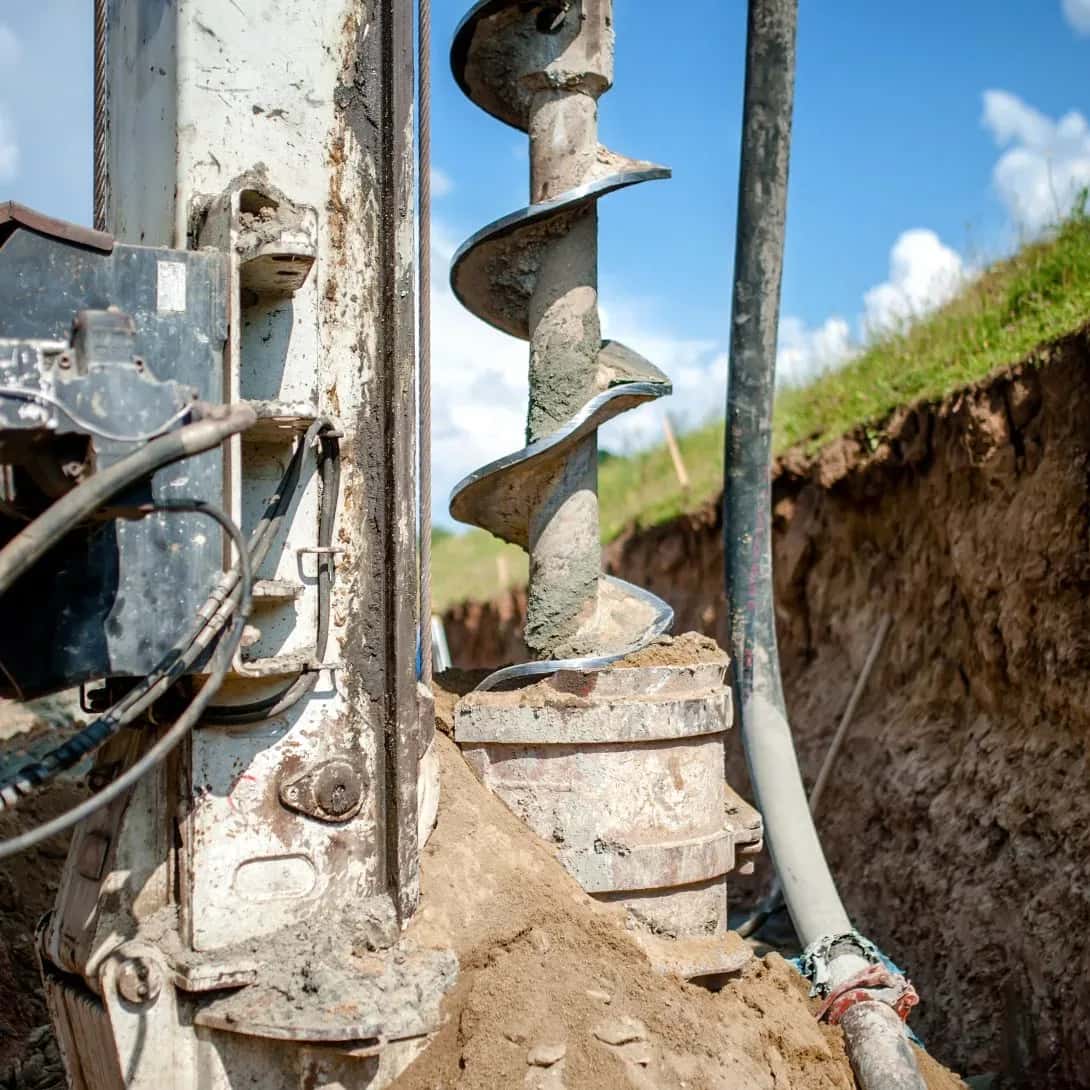
Geotechnical Engineering in Whakatāne
The Rangitāiki Plains give the Eastern Bay of Plenty rich, flat land and difficult engineering ground in equal measure. Soft alluvial soils, a high water table and recognised liquefaction susceptibility mean foundations here need real geotechnical thought, and the 2017 Edgecumbe flooding was a reminder of how finely balanced the land and water system is.
LDE’s Whakatāne team brings geotechnical, civil and structural expertise to this setting, with a strong understanding of the soft soils, seismic activity and flood exposure that define the Eastern Bay. We investigate ground conditions, assess liquefaction and settlement, and design foundations and ground improvement that suit the plains.
For Whakatāne and the wider Eastern Bay, that means engineering advice rooted in how this distinctive landscape actually behaves.
Send a Message
Enquire about your Whakatāne project
How our Whakatāne team delivers geotechnical engineering
On the Rangitāiki Plains, soft alluvial soils and a high water table put liquefaction, settlement and foundation design front and centre. Our Eastern Bay engineers investigate these conditions carefully and design foundations and ground improvement that work with the plains rather than against them.
It is the same geotechnical engineering capability we apply to water and buildings projects across the region.
- Site investigation in soft alluvial soils with a high water table
- Liquefaction and settlement assessment on the Rangitāiki Plains
- Ground improvement and foundation design for new builds
- Seismic-aware design for an active part of the Bay of Plenty
Ground conditions and consenting in the Eastern Bay
Work around Whakatāne is shaped by Bay of Plenty Regional Council Toi Moana regional plans and natural-hazard rules, with consents through Whakatāne District Council. We design to that framework and to recognised national geotechnical guidance.
- MBIE geotechnical guidance (Building Code B1)
- Natural Hazards Commission Toka Tū Ake liquefaction and flood research
- New Zealand Geotechnical Society practice guidance
LDE in the Eastern Bay of Plenty
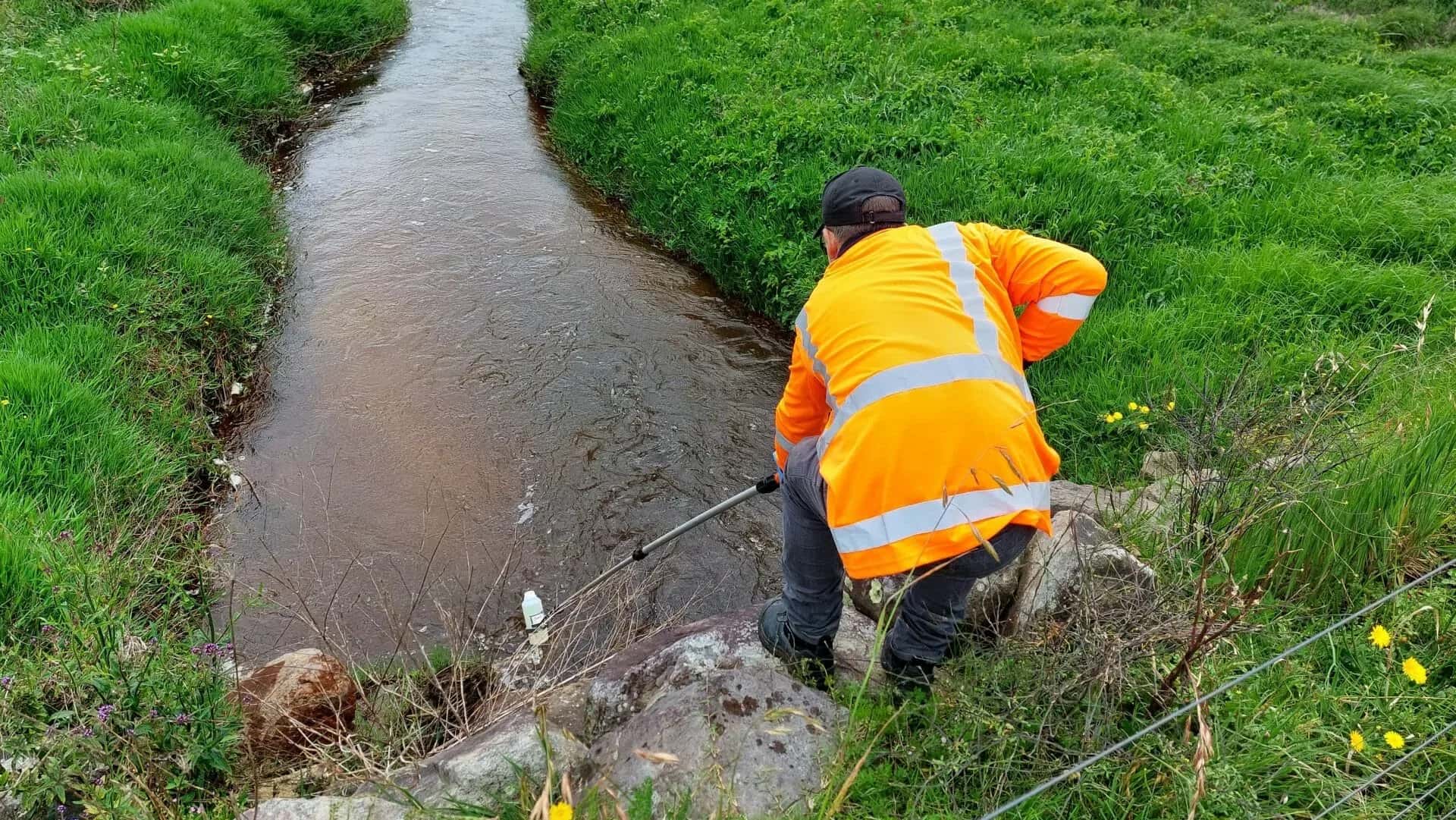
Our Eastern Bay work includes environmental and engineering support at Kawerau, such as compliance for the Waiū Dairy and associated freshwater ecology work. You can explore more of our regional delivery on the projects page.
Common questions about geotechnical engineering in the Eastern Bay of Plenty
What makes the Rangitāiki Plains difficult to build on?
Soft alluvial soils and a high water table mean liquefaction and settlement are real concerns, so foundations need proper geotechnical design rather than assumptions.
How does flood risk affect geotechnical design near Whakatāne?
The plains are flood-prone, as the 2017 Edgecumbe event showed, so we consider groundwater and flood levels alongside ground conditions when we design foundations and earthworks.
Who leads LDE’s Eastern Bay geotechnical work?
Chartered Professional Engineers from our team, supported by LDE specialists across the Bay of Plenty and nationally.
What investigation suits a build on the Rangitāiki Plains?
We usually combine boreholes or cone penetration testing with laboratory work to characterise the soft soils and groundwater, then assess liquefaction and settlement. This gives a clear basis for foundation and floor-slab design on the plains and supports your consent with the district and regional councils.
Bay of Plenty
Recent projects in Bay of Plenty
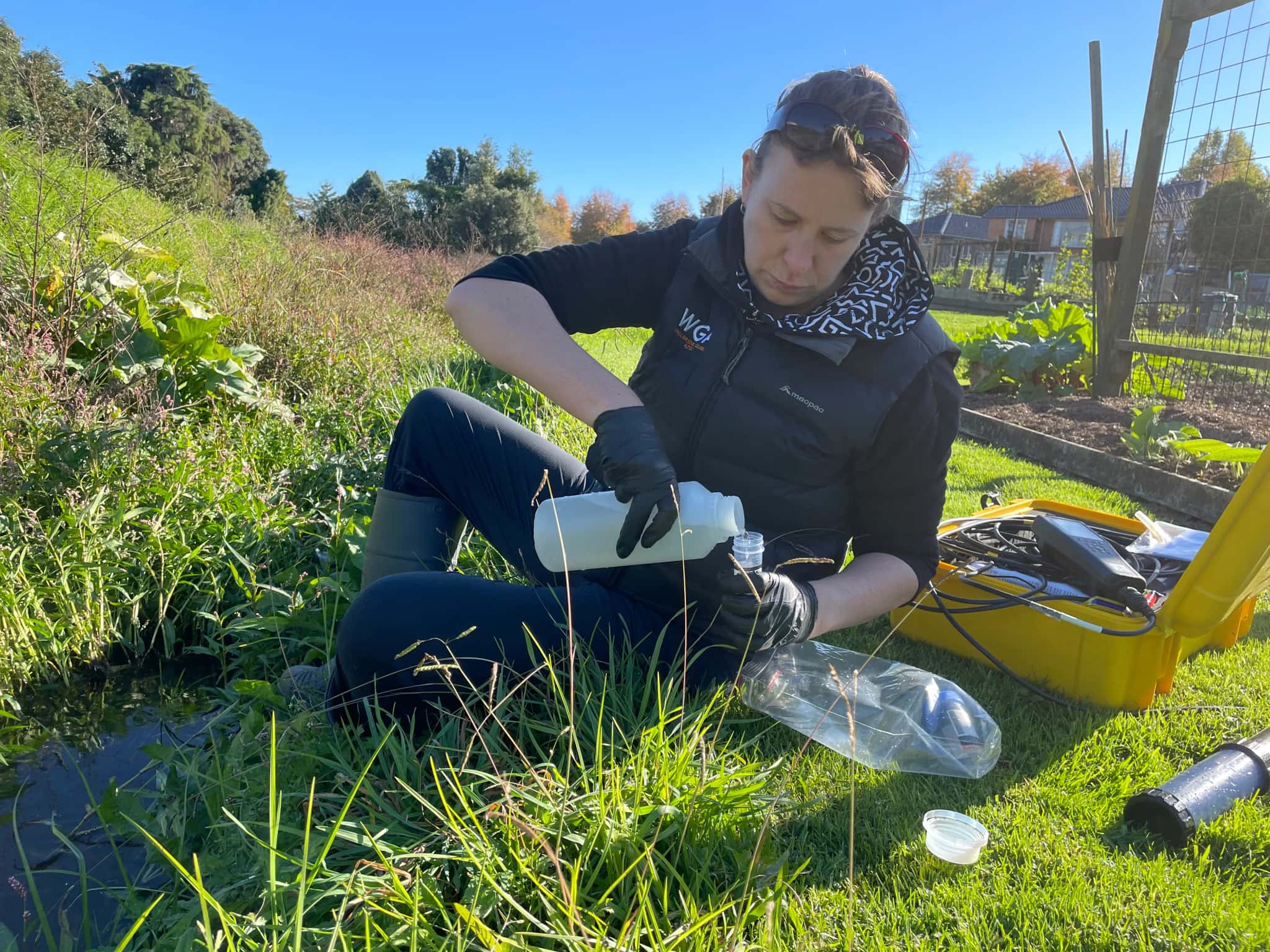
Ōmokaroa Geothermal Take and Discharge

Pillans Point Primary School, Tauranga
Tauranga
.webp&w=2048&q=60)
Pāpāmoa Retail Development
Bluehaven Group
Pāpāmoa, Bay of Plenty
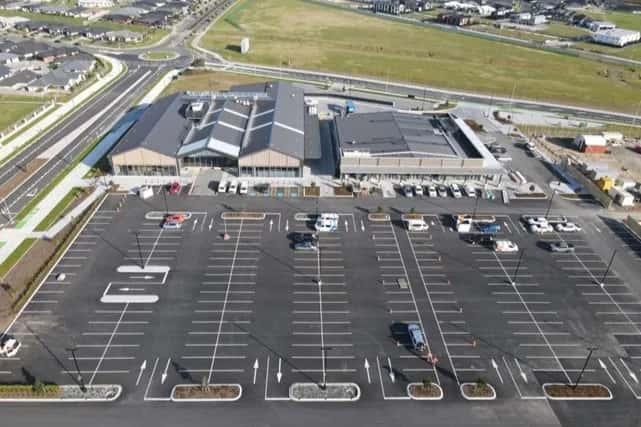
Pāpāmoa New World Supermarket
Bluehaven Group
Pāpāmoa, Bay of Plenty
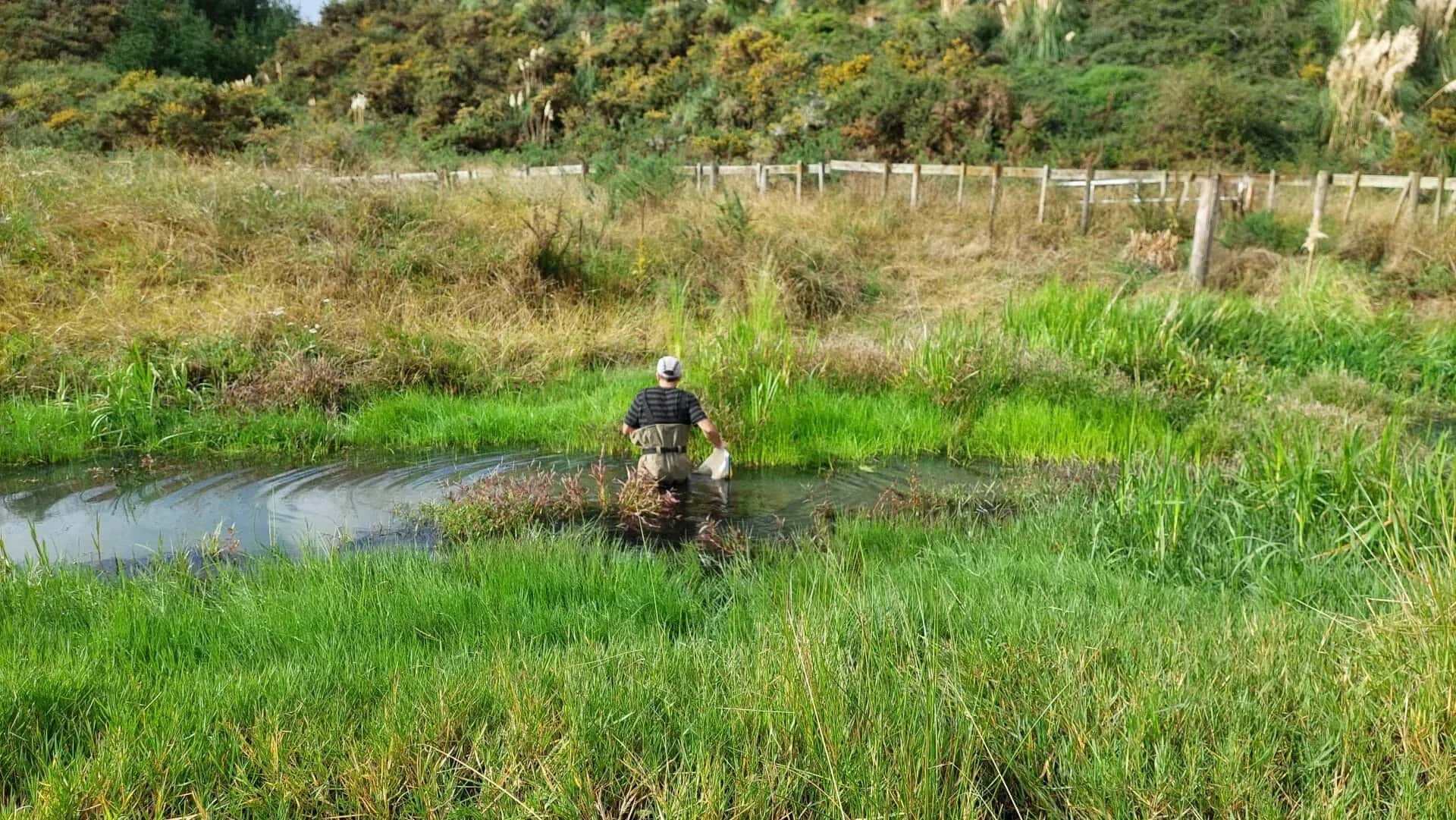
Freshwater Ecology for Waiū Dairy
Waiū Dairy Ltd
Kawerau, Bay of Plenty
Environmental Compliance for Waiū Dairy
Waiū Dairy Ltd
Kawerau, Bay of Plenty