
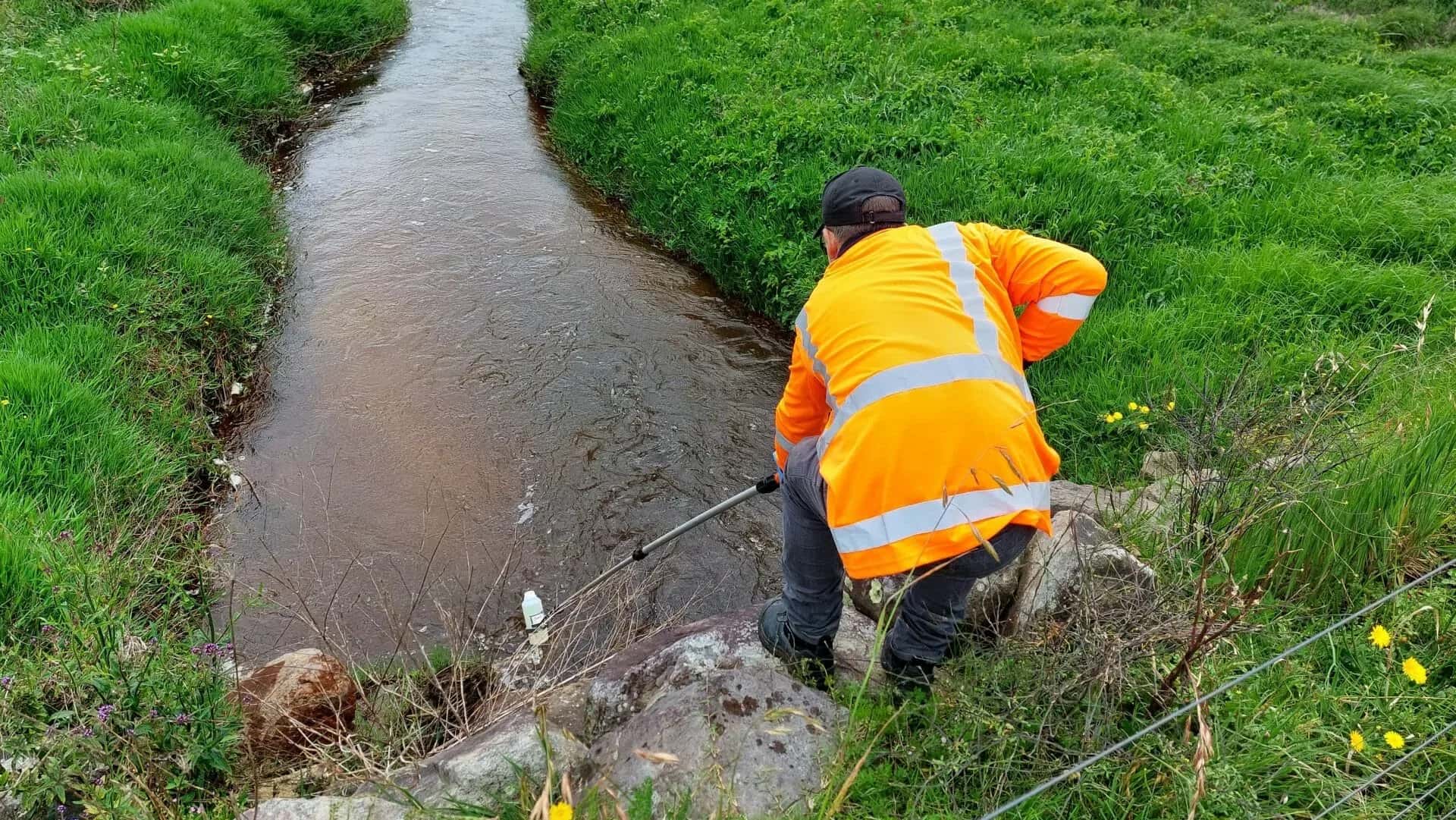
Environmental Engineering in Whakatāne
The Rangitāiki Plains make the Eastern Bay of Plenty some of the most productive dairy and horticultural land in the country, and that intensity puts freshwater quality at the heart of environmental work around Whakatāne. Farming, processing and a high water table all interact with the rivers, drains and wetlands that thread the plains and drain to the coast.
LDE’s Eastern Bay team brings environmental engineering and science to this setting, covering contaminated land, resource-consent support, freshwater and ecology, and erosion and sediment control. We assess effects on the plains’ waterways, prepare the assessments and monitoring consents require under the Resource Management Act, and design controls that protect the receiving environment.
For Whakatāne and the wider Eastern Bay, that means environmental advice rooted in how this farmed, water-rich landscape behaves, whether the project is a dairy operation, an industrial site at Kawerau, or new development on the plains.
Send a Message
Enquire about your Whakatāne project
How our Whakatāne team delivers environmental engineering
Intensive dairy and processing on the Rangitāiki Plains, combined with a high water table, put freshwater quality and discharge management at the centre of Eastern Bay work. Our team assesses effects on the plains’ rivers and drains, prepares the consenting and monitoring that operations require, and designs controls that keep nutrients, sediment and contaminants out of the receiving waters.
It is the same environmental engineering and science capability behind our water and resources and industry work across the Bay of Plenty.
- Freshwater and ecology assessment for Rangitāiki Plains waterways
- Environmental compliance and monitoring for dairy and processing operations
- Resource-consent support and assessments of environmental effects under the RMA
- Preliminary and detailed site investigations on industrial land at Kawerau and beyond
Environmental regulation and consenting in the Eastern Bay
Around Whakatāne, Bay of Plenty Regional Council Toi Moana is the regional consent authority under the Resource Management Act for freshwater, discharges and coastal activities, while Whakatāne District Council manages land use. We prepare assessments and monitoring to suit both, and design to national direction.
- Ministry for the Environment freshwater national direction and the NPS-FM
- Taumata Arowai, the Water Services Authority for discharge and source-water expectations
Recent environmental work in the Eastern Bay of Plenty
Our Eastern Bay environmental work includes environmental compliance for the Waiū Dairy at Kawerau and the associated freshwater ecology assessment, where monitoring and consent conditions were designed to protect the local waterways. You can explore more of our regional delivery on the projects page.
Common questions about environmental engineering in the Eastern Bay of Plenty
Why does freshwater dominate environmental work on the plains?
The Rangitāiki Plains are intensively farmed and laced with rivers, drains and wetlands that carry water to the coast, so nutrients and sediment can reach sensitive systems quickly. The high water table makes the link between land and water even tighter. The regional council manages this closely, which puts freshwater assessment and monitoring at the centre of most consents.
What environmental support do dairy and processing sites need?
They need discharge and water-take consents, plus the monitoring and reporting that keep them within limits. We set up and run compliance programmes, as we have for the Waiū Dairy at Kawerau, including the sampling regimes and records the regional council can audit, so operators meet their conditions with confidence.
Who leads LDE’s Eastern Bay environmental work?
Experienced environmental scientists and engineers from our team, supported by LDE specialists across the Bay of Plenty and nationally, with a strong working knowledge of the Eastern Bay’s catchments.
Can LDE help an industrial site at Kawerau with consenting?
Yes. We prepare site investigations, discharge assessments and the monitoring data that consents at Kawerau and across the Eastern Bay require, and we engage with the regional council on conditions. Building the technical case carefully, especially on freshwater effects, gives the application its best chance.
Bay of Plenty
Recent projects in Bay of Plenty
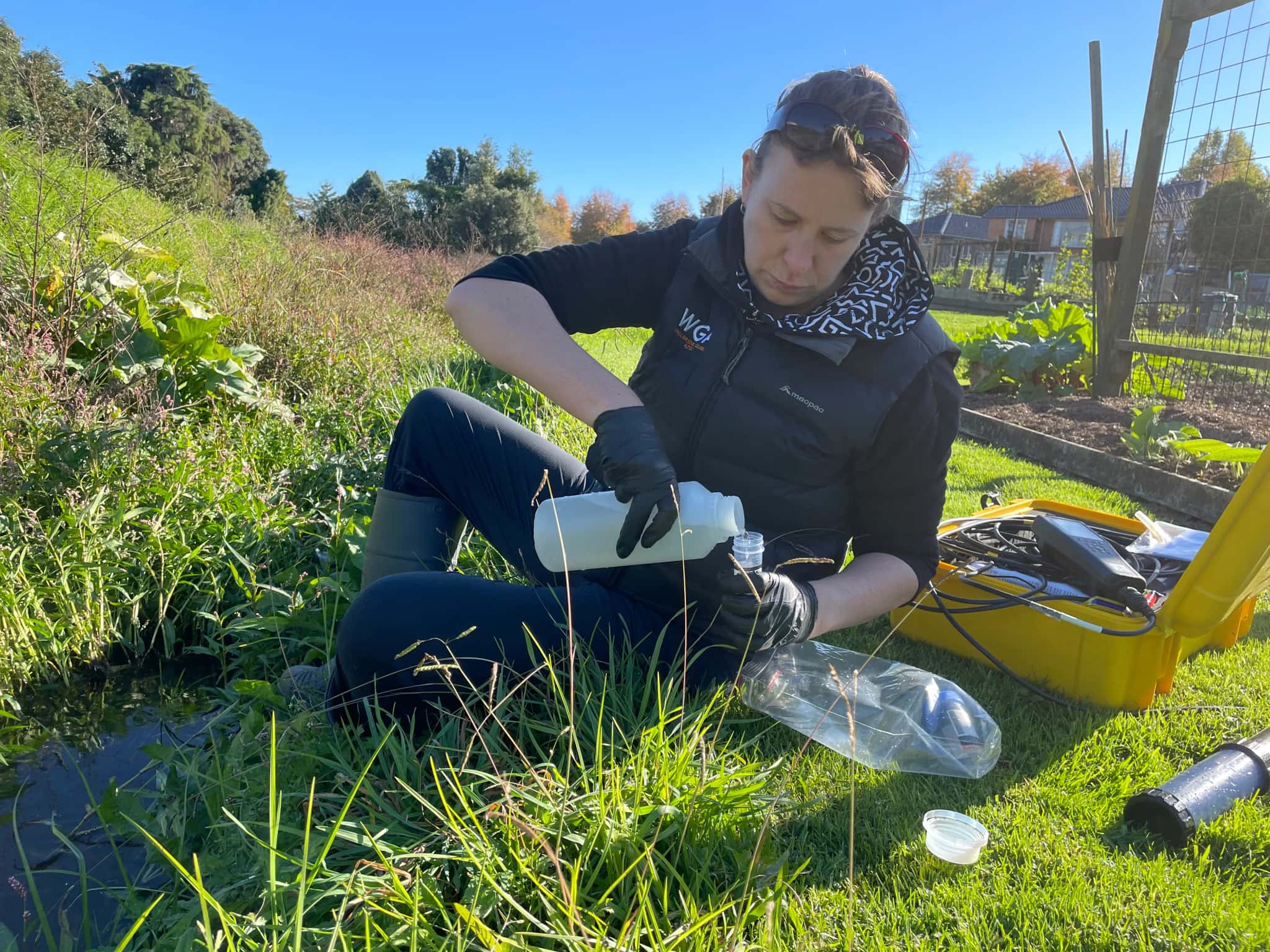
Ōmokaroa Geothermal Take and Discharge

Pillans Point Primary School, Tauranga
Tauranga
.webp&w=2048&q=60)
Pāpāmoa Retail Development
Bluehaven Group
Pāpāmoa, Bay of Plenty
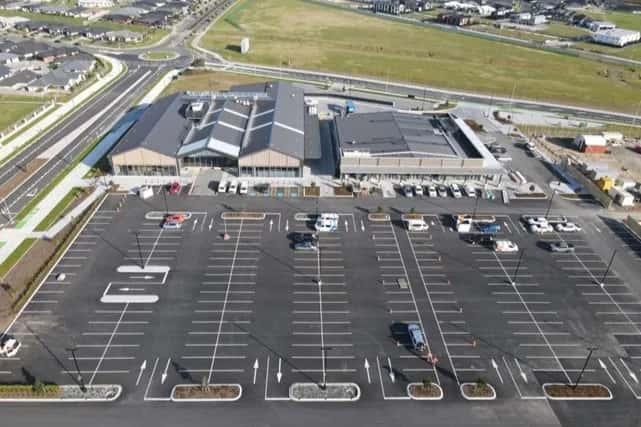
Pāpāmoa New World Supermarket
Bluehaven Group
Pāpāmoa, Bay of Plenty
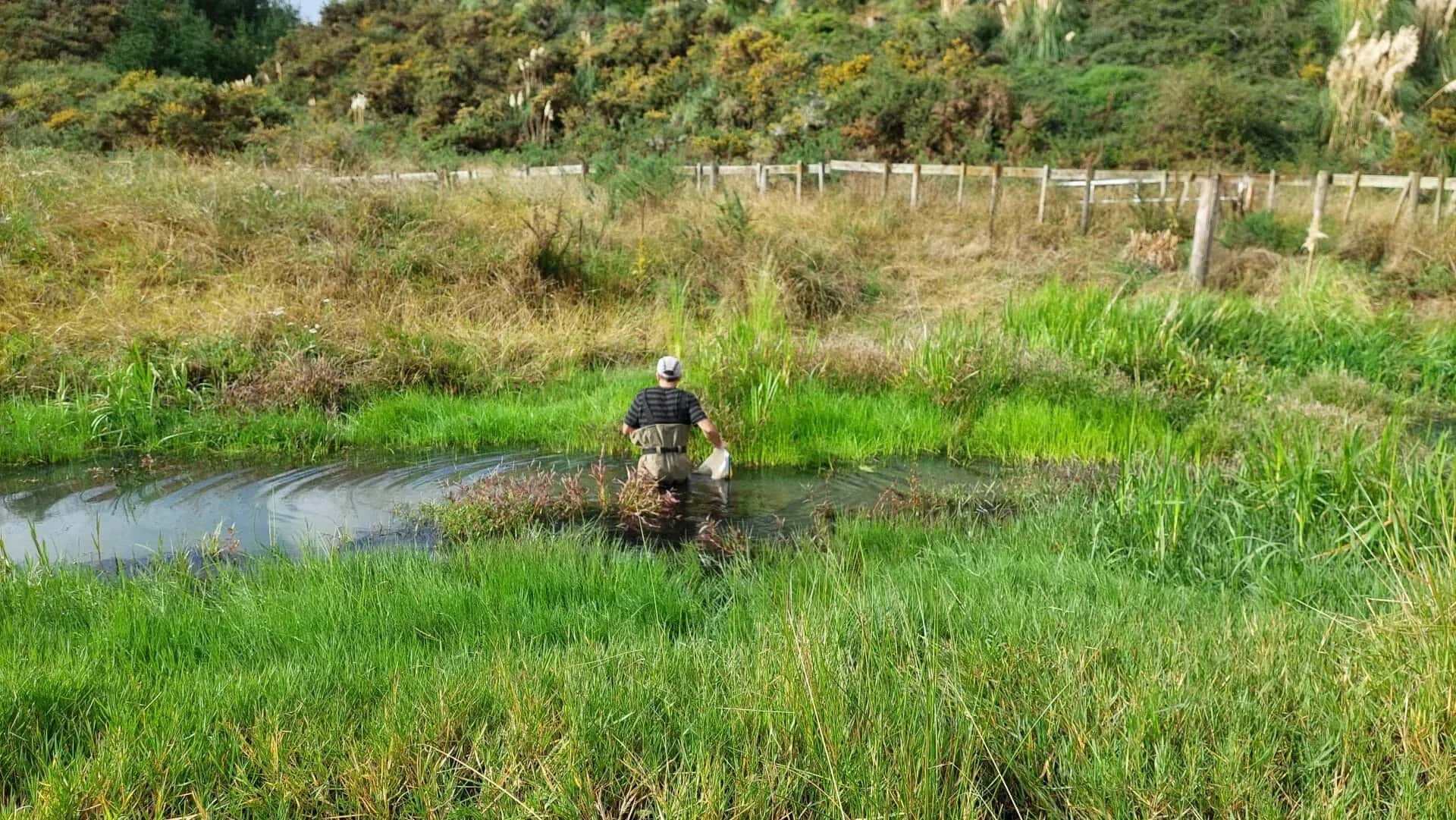
Freshwater Ecology for Waiū Dairy
Waiū Dairy Ltd
Kawerau, Bay of Plenty
Environmental Compliance for Waiū Dairy
Waiū Dairy Ltd
Kawerau, Bay of Plenty