
Quarry Engineering in Whakatāne
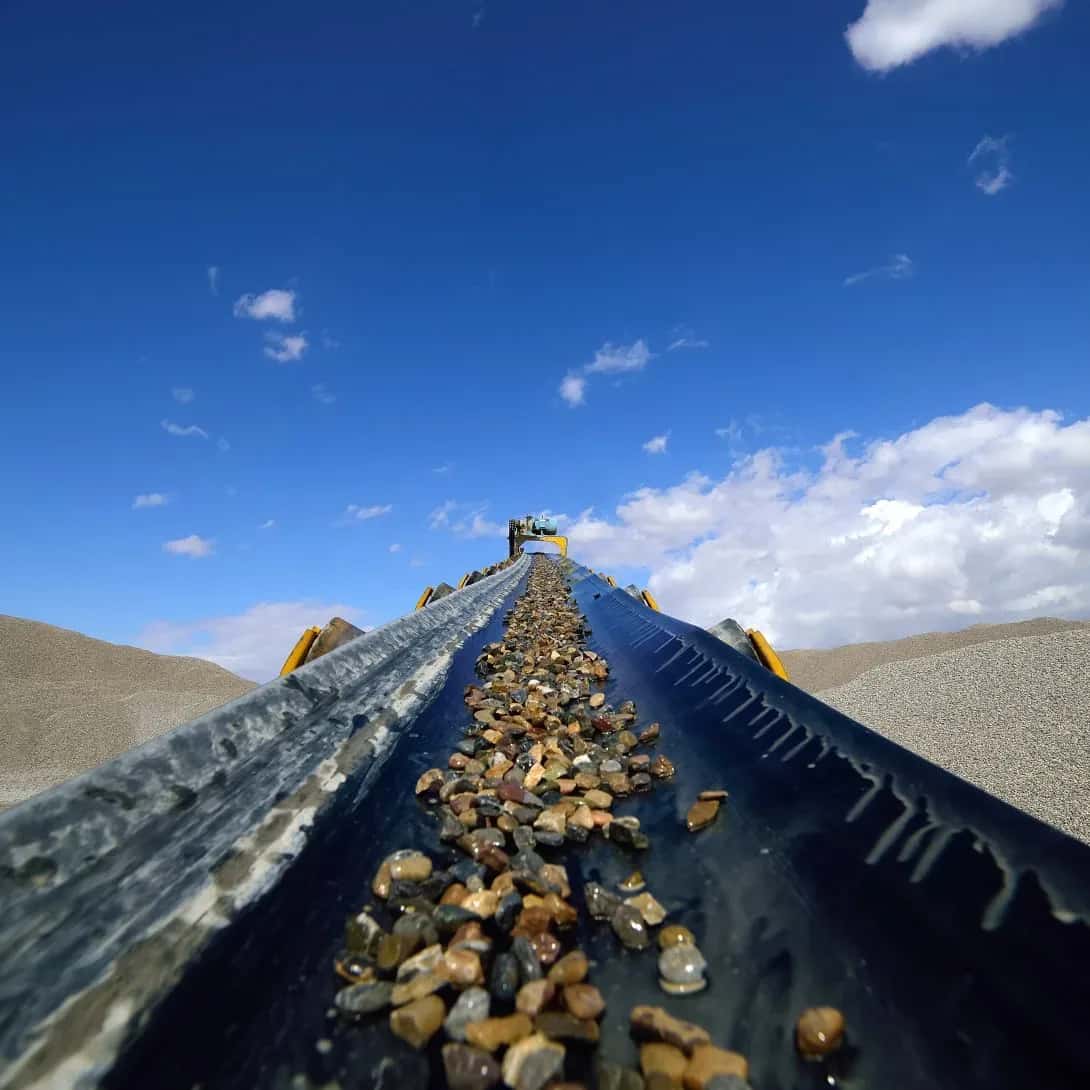
In the Eastern Bay of Plenty, a great deal of the aggregate that surfaces the roads and props up rural infrastructure starts life as river gravel. The Rangitāiki and Whakatāne rivers have laid down extensive alluvial deposits across their flood plains, and gravel drawn from beds and terraces feeds everything from district roading to the forestry haul routes that keep the region’s plantations moving. Working those deposits is as much a river-management problem as a quarrying one.
Take too much, or take it from the wrong reach, and you can lower the bed, undercut a bank or change how a flood travels. LDE engineers gravel and alluvial extraction across the Eastern Bay with that balance front of mind, scoping volumes, designing how and where material is lifted, setting up processing, and keeping discharges and disturbance within what the river can absorb. We carry the work through Resource Management Act consenting, so an operator ends up with a source that supplies the district and keeps the river system healthy.
For Eastern Bay clients that means extraction shaped around flood capacity, bank stability and ecology, not just tonnage. Talk to our Whakatāne team about your site.
Send a Message
Enquire about your Whakatāne project
How our Whakatāne team delivers quarry engineering
River-gravel extraction sets the rhythm for most Eastern Bay quarry work, so we begin by reading the river: where gravel is replenishing, how much can come out of a given reach without dropping the bed, and which terraces hold workable alluvial material. From that picture we plan the dig, design safe working and final batters in loose riverine ground, and lay out screening, washing and stockpiling so graded product reaches district roads and forestry routes on time.
The Rangitāiki and Whakatāne flood plains sit low and wet, with a shallow water table that limits how deep a pit can run and how it drains. We assess groundwater up front and design dewatering, diversion and discharge so a site keeps producing through the wet season without pushing silt into the rivers or compromising the way a flood moves across the plains.
- River-gravel resource assessment on the Rangitāiki and Whakatāne systems
- Extraction planning that protects bed levels and bank stability
- Screening, washing and stockpiling for rural and forestry roading supply
- Groundwater, discharge and flood-plain controls for low, wet sites
Extraction consenting and compliance in the Eastern Bay
Gravel extraction, land disturbance, water takes and discharges across the Eastern Bay are governed by regional plans that Bay of Plenty Regional Council Toi Moana administers under the Resource Management Act, with river-gravel rules that weigh supply against bed and bank health. We prepare the assessments and river-aware management plans that an extraction consent needs, and we set up the operation to hold its conditions in practice.
- Bay of Plenty Regional Council Toi Moana regional plans for river-gravel extraction and discharges
- WorkSafe New Zealand duties for quarries and extractive operations
- Ministry for the Environment guidance on resource management and the environment
LDE quarry engineering in the Eastern Bay of Plenty
Throughout the Eastern Bay, district roading, rural infrastructure and forestry haulage keep river-gravel and alluvial sources in steady work, and LDE stands behind the operators who supply them. We take projects from resource scoping and extraction planning through processing and discharge control to the reshaping of worked ground once a reach is finished. The work draws on our broader resources and extractives experience, and you can explore more of our regional delivery on the projects page.
Common questions about quarry engineering in the Eastern Bay of Plenty
Where does the Eastern Bay get its aggregate?
A large share comes from river gravel and alluvial deposits laid down by the Rangitāiki and Whakatāne rivers, lifted from beds and terraces and graded for roading. We work out how much a reach can sustainably yield and how to win it without harming the river.
How do you stop gravel extraction from damaging the river?
Over-extraction can lower the bed, steepen banks and shift how floods behave, so we tie volumes and locations to what the river is actually replenishing. Extraction is planned reach by reach, with monitoring, so the operation keeps supplying gravel while bed levels, banks and aquatic habitat hold up.
Who carries out LDE’s Eastern Bay quarry engineering?
Chartered Professional Engineers from our team, combining process and geotechnical expertise and supported by LDE specialists across the Bay of Plenty and nationally.
Can LDE supply gravel engineering for forestry roading?
Yes. Plantation forestry leans on a heavy network of haul roads, and we plan extraction and processing so graded river gravel reaches those routes when harvesting demands it. That includes matching product to the road, sequencing supply around harvest cycles, and keeping the extraction itself within the river’s limits.
Bay of Plenty
Recent projects in Bay of Plenty
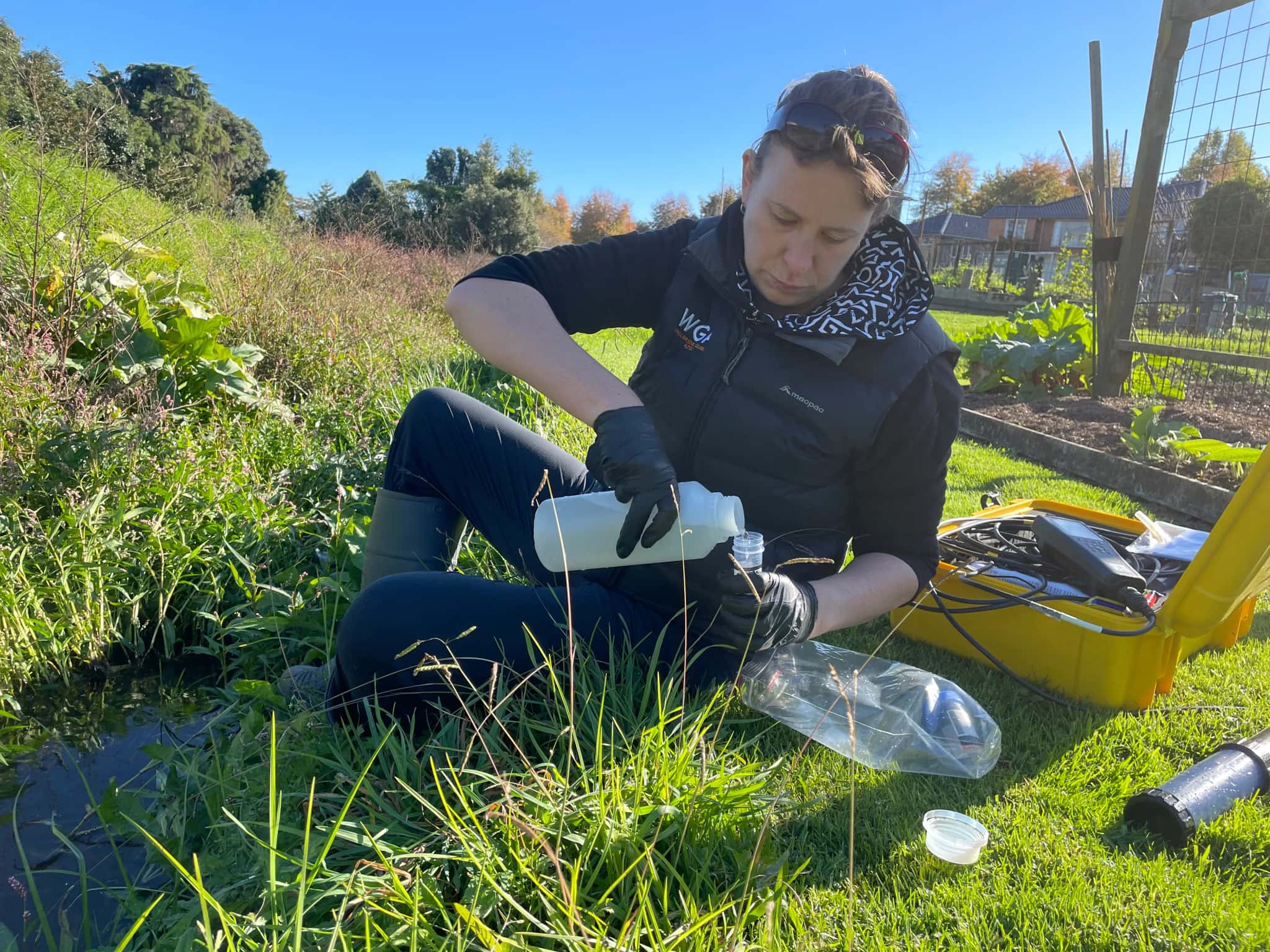
Ōmokaroa Geothermal Take and Discharge

Pillans Point Primary School, Tauranga
Tauranga
.webp&w=2048&q=60)
Pāpāmoa Retail Development
Bluehaven Group
Pāpāmoa, Bay of Plenty
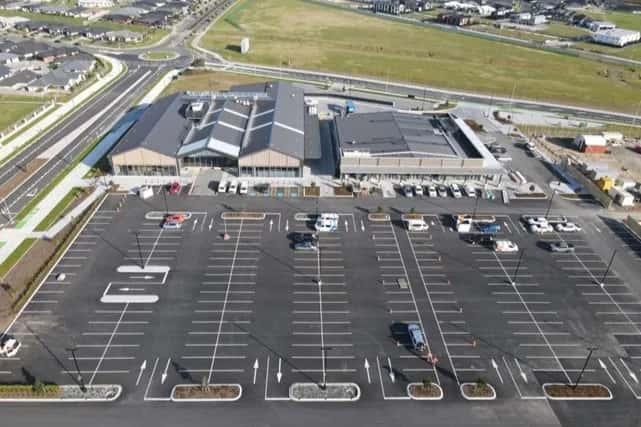
Pāpāmoa New World Supermarket
Bluehaven Group
Pāpāmoa, Bay of Plenty
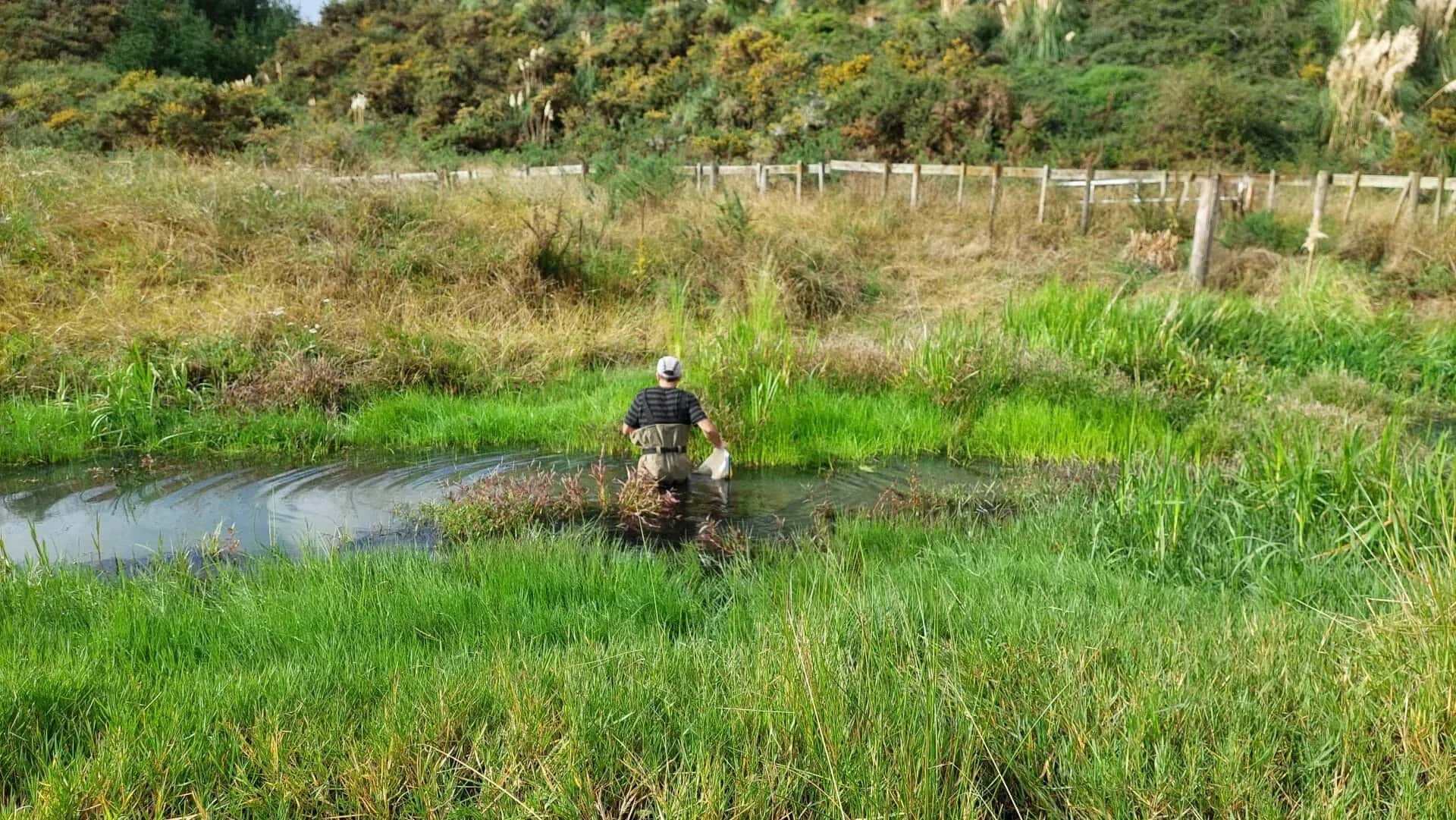
Freshwater Ecology for Waiū Dairy
Waiū Dairy Ltd
Kawerau, Bay of Plenty
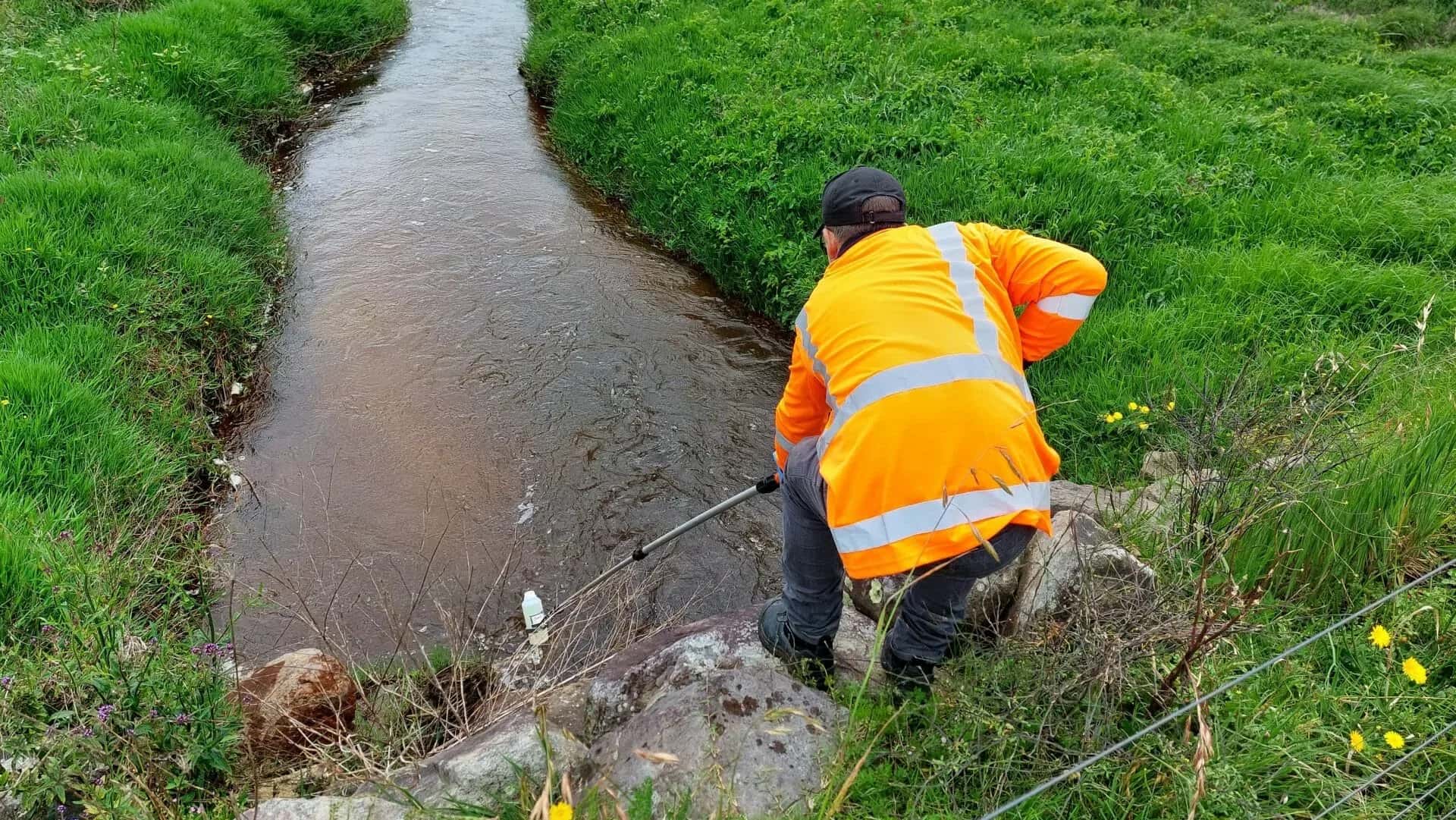
Environmental Compliance for Waiū Dairy
Waiū Dairy Ltd
Kawerau, Bay of Plenty