Temporary Works Engineering in Hamilton
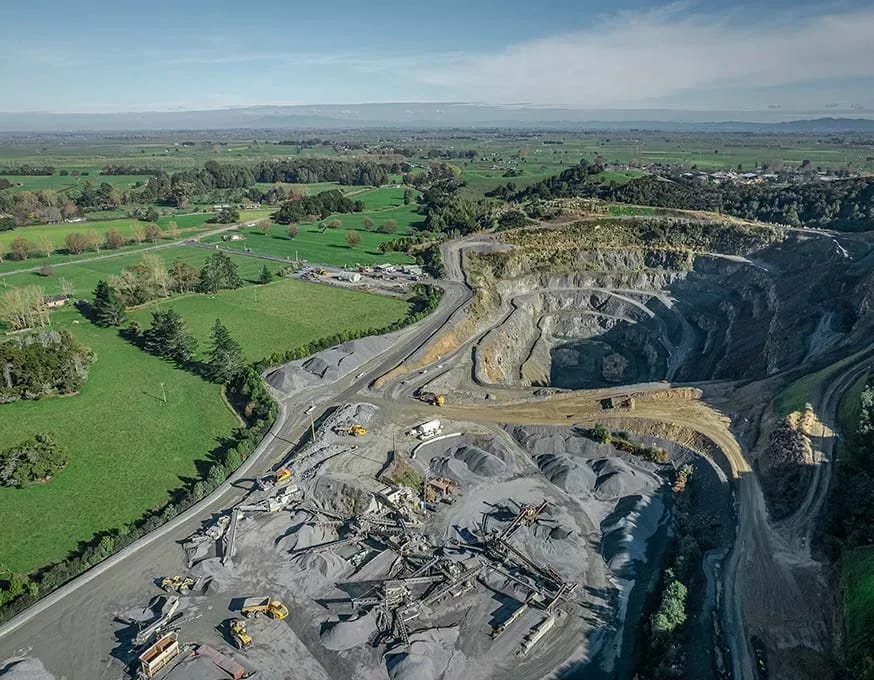
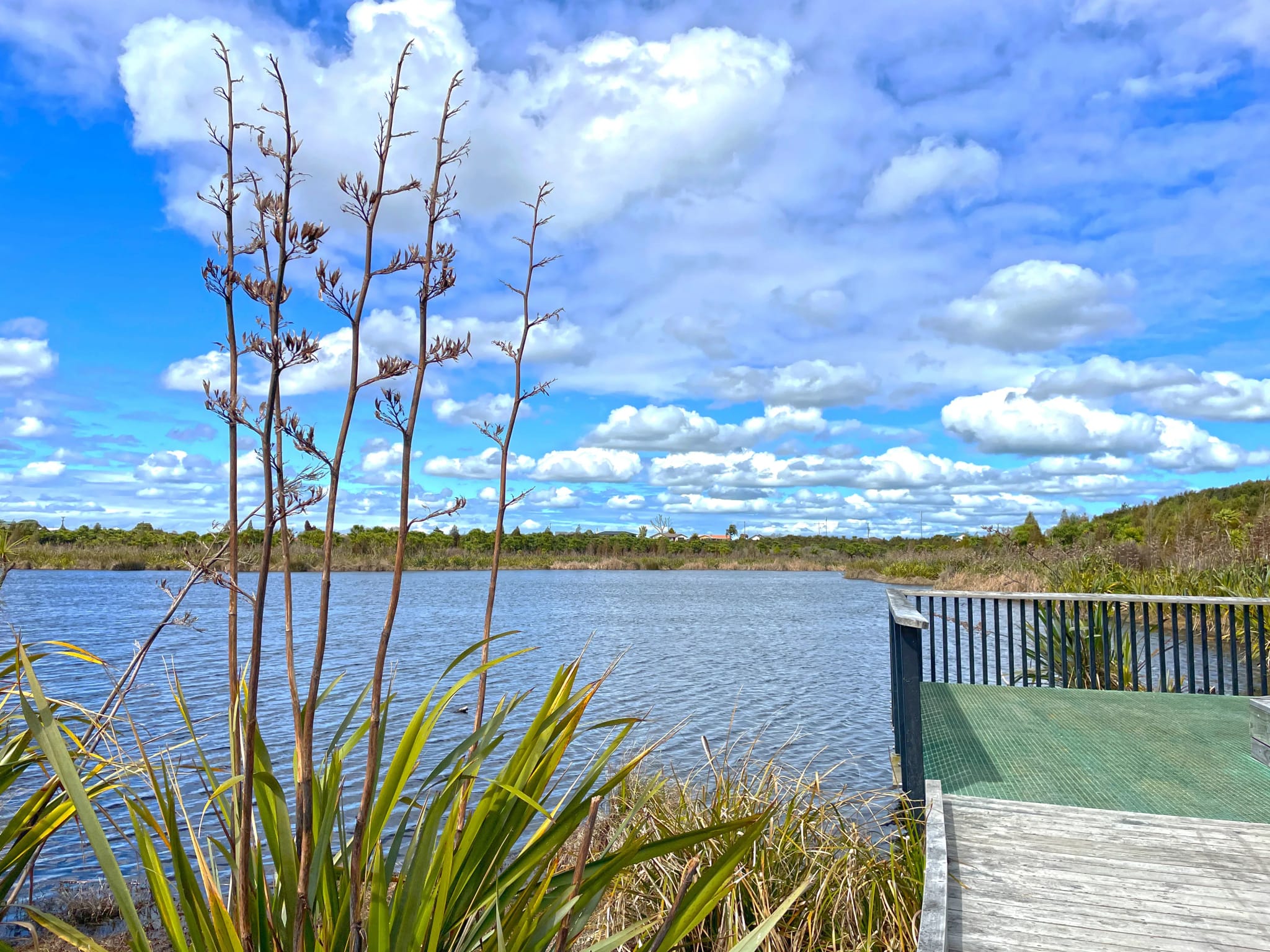
Much of Hamilton is built on ground that moves when it is loaded or drained. Soft peat underlies parts of the city, groundwater sits close to the surface on the lower land, and steep-sided gullies run through the suburbs, so deep trenches, pump station shafts and basements usually need engineered support. Growth at Rotokauri, Peacocke and Ruakura has brought a large volume of pipe laying, bridge building and earthworks, all with temporary stages that have to be designed and checked. LDE provides temporary works engineering for contractors and asset owners across Hamilton and the Waikato. We design trench shields and shoring systems for the ground found, falsework for bridge decks and cast-in-place structures, cofferdams for culvert and outfall works, and working platforms for cranes and piling rigs on soft sites. Where excavations need dewatering, we assess how lowering the water will affect peat and soft soils nearby, because peat that dries out can shrink and settle permanently. Each design comes with calculations, drawings and a clear sequence for installation and removal.
Send a Message
Enquire about your Hamilton project
How LDE delivers temporary works in Hamilton
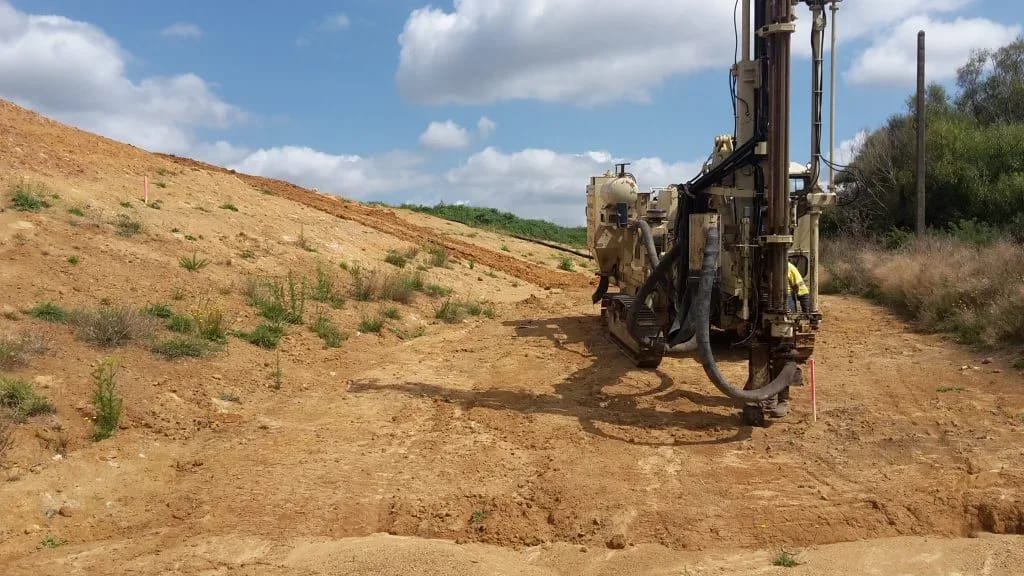
The first question on a Hamilton site is what the ground will do when it is opened up or loaded. Peat and soft silts give little support to a trench wall and can squeeze or heave at the base, while gully sides can be close to their limit before any cut is made. We use the investigation data, or specify more where it is thin, then choose between shields, slide rail systems, sheet piles or benching to suit the depth and the space available. Falsework and propping are designed for the actual founding conditions, which on soft ground may mean spreader mats or piled supports.
The work sits within LDE’s national temporary works service and supports our transport and urban development projects in the Waikato.
- Trench shoring and shaft support for pipelines and pump stations
- Bridge falsework and formwork on soft founding soils
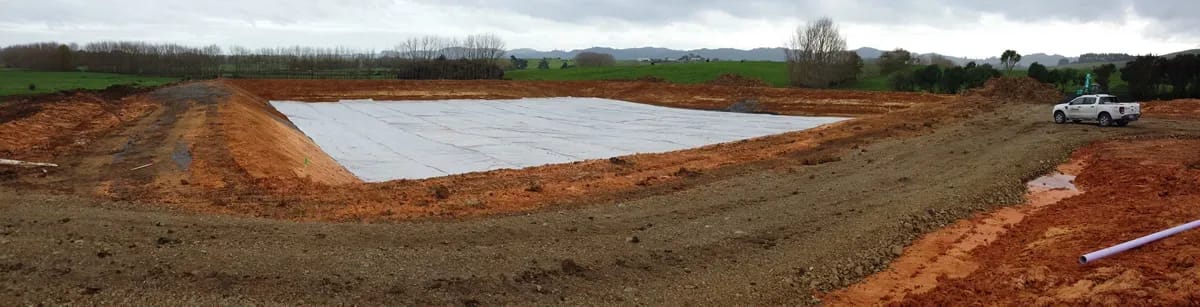
- Cofferdams and temporary stream diversions
- Settlement assessment for dewatering near peat
Safety, consents and standards in the Waikato
Excavation and construction safety fall under the Health and Safety at Work Act 2015, and our designs follow national good practice for excavations and temporary structures. Dewatering takes, discharges and temporary works in or beside waterways usually need consent from Waikato Regional Council, and effects on the Waikato River are weighed against Te Ture Whaimana o Te Awa o Waikato. Work in the local road corridor or near council pipes needs approval from Hamilton City Council as road controlling authority and network owner.
- WorkSafe New Zealand guidance on trenching and excavation safety
- Standards New Zealand structural design and loadings standards
- Engineering New Zealand professional standards for Chartered Professional Engineers
LDE temporary works in the Waikato
Typical commissions include deep sewer and water main trenches, pump station and manhole shafts, bridge and underpass construction on growth-area roads, culverts through gullies, and basements or lift pits for new buildings in the central city. Clients are typically civil contractors and their subcontractors, with councils and developers asking for independent checks of the temporary works on their projects. Early involvement pays off, because the choice of support system can change the size of the excavation, the plant needed and the time the trench stays open.
Common questions about temporary works in the Waikato
Why is peat a problem for trenches and dewatering?
Peat is weak and highly compressible, so an unsupported trench wall can fail and the base can heave. Draining it also causes shrinkage that does not reverse. We design support that limits ground movement and keep drawdown as local and short-lived as the work allows.
Can LDE design falsework for bridges and culverts?
Yes. We design falsework, formwork support and temporary propping for bridge decks, abutments and box culverts, including the founding of the falsework on soft ground, and agree the pour sequence and striking criteria with the contractor.
Who leads LDE’s Waikato temporary works design?
Structural and geotechnical engineers from our team share the design, supported by LDE specialists nationally.
How do gullies affect temporary works in Hamilton?
Gully sides in Hamilton are often steep and formed in weak ash and alluvium, and a cut or crane load near the edge can reduce their stability. We check slope stability for temporary cuts, access tracks and plant positions near gullies and set exclusion zones where needed.