Geotechnical Engineering in Hamilton
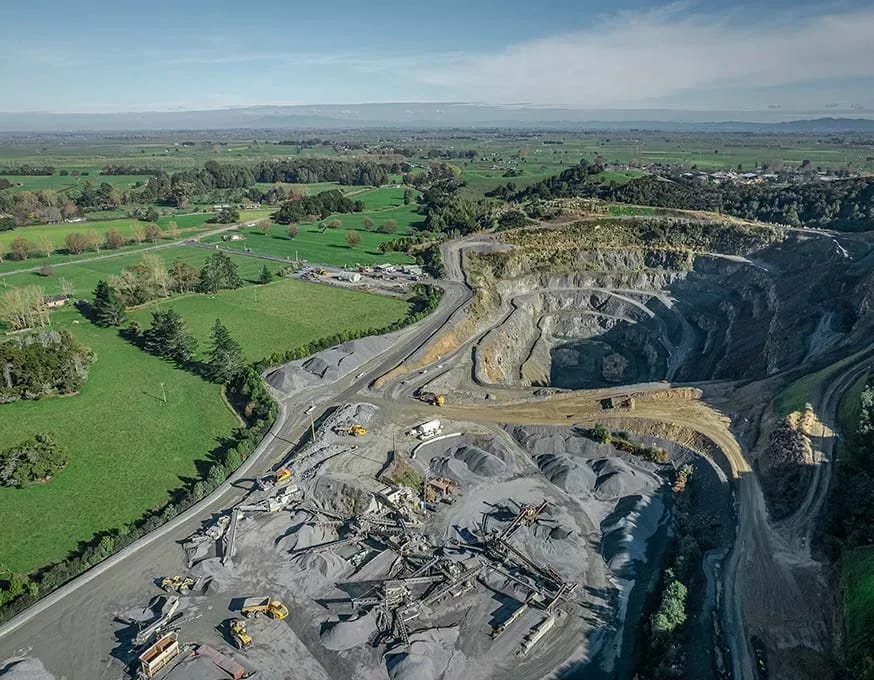
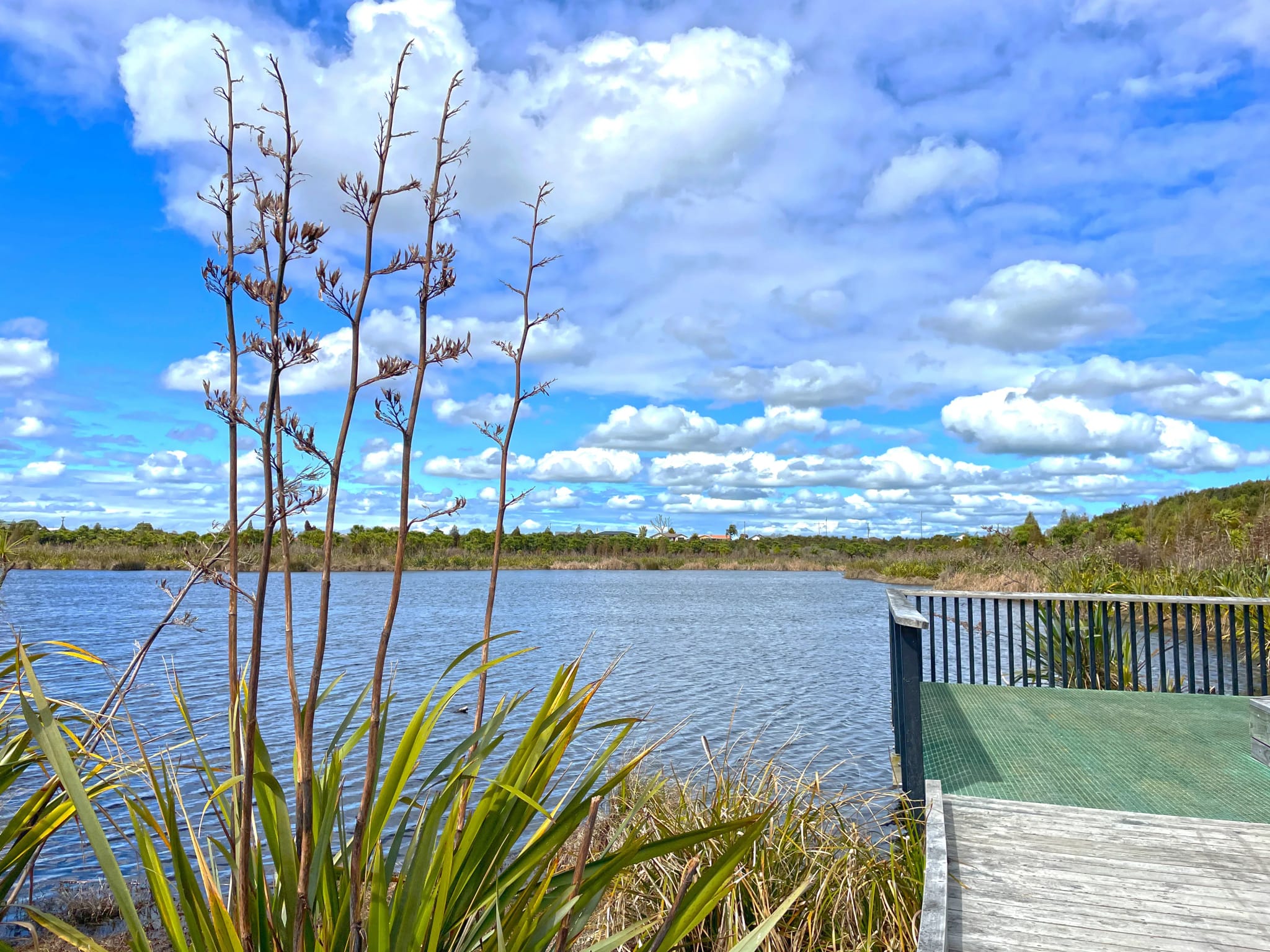
Hamilton’s ground problems are slow ones. Seismic hazard in the Waikato is lower than in much of the North Island, so the design questions here are more often about how far soft ground will settle, how quickly peat will compress, and whether the edge of a gully will stay where it is. The city is built on Hinuera Formation sands, silts and gravels laid down by the ancestral Waikato River and capped with volcanic ash. Steep-sided gullies cut through it, and soft, compressible peat fills the low ground around Rotokauri and Lake Waiwhakareke. A building platform that looks level and firm can sit over material that will keep consolidating for years after the fill goes on. LDE investigates these conditions and designs foundations, earthworks and slope works for houses, subdivisions, commercial and industrial buildings and infrastructure across Hamilton and the Waikato. With growth under way at Rotokauri, Peacocke and Ruakura, much of that work is on greenfield land, where the investigation sets the cost of the earthworks as much as the foundations.
Send a Message
Enquire about your Hamilton project
How LDE delivers geotechnical engineering in Hamilton
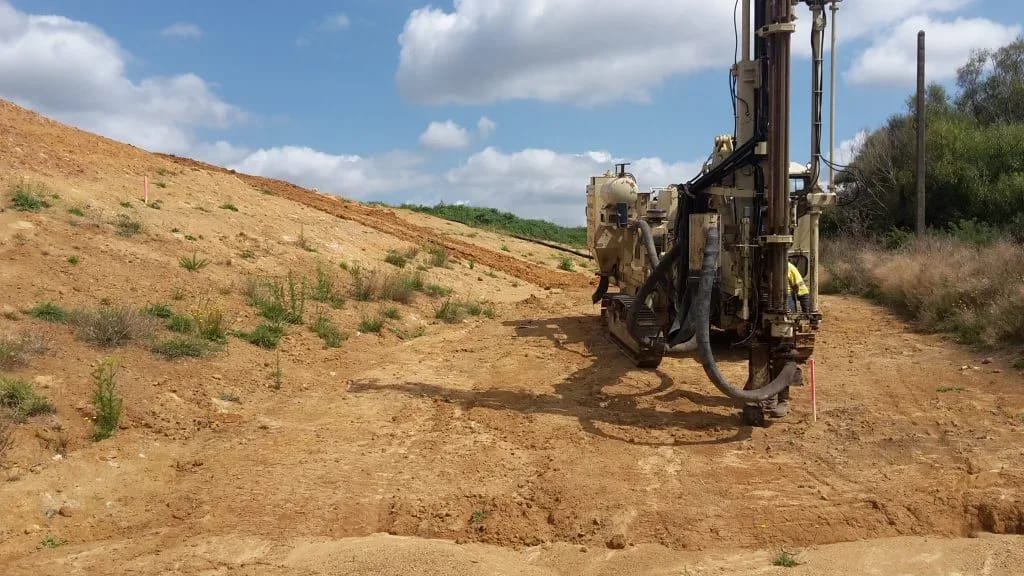
Investigation in Hamilton is mostly about finding the soft layers and measuring how they will behave. We use CPTs, hand augers and machine boreholes to locate peat and soft silt, take samples for consolidation testing, and monitor groundwater, because a falling water table is one of the things that drives peat shrinkage. Near gullies we map the slope and test the ash and Hinuera materials to check stability and set building setbacks.
It is part of LDE’s national geotechnical engineering practice, and supports our urban development and transport work, where subdivision earthworks and road embankments on soft ground set the programme.
- Settlement analysis and preload design for fill over peat and soft silt
- Gully-edge slope stability, setbacks and retaining design
- Foundation investigation for houses, warehouses and commercial buildings
- Earthworks specifications and testing for subdivision platforms
Consenting and ground hazards in the Waikato
Hamilton City Council issues building consents and sets land-use and subdivision rules through the Hamilton City District Plan. Waikato Regional Council regulates groundwater takes and discharges to land and water, and any consent affecting the Waikato River must give effect to Te Ture Whaimana o Te Awa o Waikato, the Vision and Strategy for the river. Our investigations and reports are shaped to meet both councils’ requirements.
- MBIE geotechnical guidance (Building Code B1)
- New Zealand Geotechnical Society guidance on the field description of soil and rock
- Standards New Zealand standards for engineered fill and foundations
Seismic surveying and wireline geophysics in the Waikato
Peat and soft silt in the Hamilton basin rarely lie in flat, continuous layers. They fill old channels and hollows, so their thickness can change sharply between two CPTs a short distance apart. Geophysics shows what lies between the test points.
- Electrical resistivity imaging to trace peat and soft channel fill across a site
- MASW for shear-wave velocity profiles and site subsoil class
- Wireline logging to calibrate survey results against borehole strata
- Ground penetrating radar for shallow peat, buried services and old fill
We plan the survey around a design question, such as how far a peat body extends under a proposed road, and interpret it with the intrusive results. Our geophysics page sets out the methods in full.
LDE geotechnical engineering in the Waikato
Waikato geotechnical work comes from a wide range of clients. Developers at Rotokauri, Peacocke and Ruakura need area-wide investigations, settlement predictions and earthworks design before the first lots are sold. Home builders and designers need foundation reports for sites near gullies or over peat. Industrial and logistics buildings at Ruakura bring large slab areas where differential settlement governs. Councils and transport agencies need ground models for roads, bridges, pipelines and stormwater works that cross soft ground and gully systems such as the Mangakōtukutuku at Peacocke.
Common questions about geotechnical engineering in Hamilton
Is liquefaction a concern in Hamilton?
It can be, on loose saturated Hinuera sands, but the lower seismic hazard means it governs fewer sites than it would in Christchurch or Napier. For most Hamilton projects, settlement of soft soils and peat and the stability of gully slopes are the bigger design issues. We check liquefaction where the ground and the importance of the building call for it.
How is fill placed safely over peat?
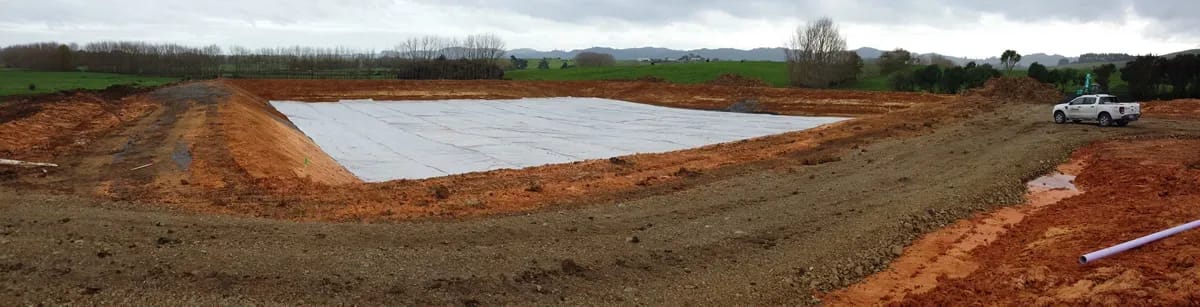
Where the peat is shallow it is usually dug out and replaced. Where it is deep, the usual approach is preloading: fill goes on in stages and settlement is monitored until it has slowed enough to build. Lightweight fill and piled foundations are other options, and the choice depends on peat depth, programme and cost.
How close can I build to a Hamilton gully?
That depends on the slope height and angle, the soil strength and the groundwater. We assess the slope and recommend a building setback, or retaining and drainage measures, to support the consent application.
Who leads LDE’s Hamilton geotechnical work?
Chartered Professional Engineers from our team, supported by LDE specialists nationally.