Quarry Engineering in Hamilton
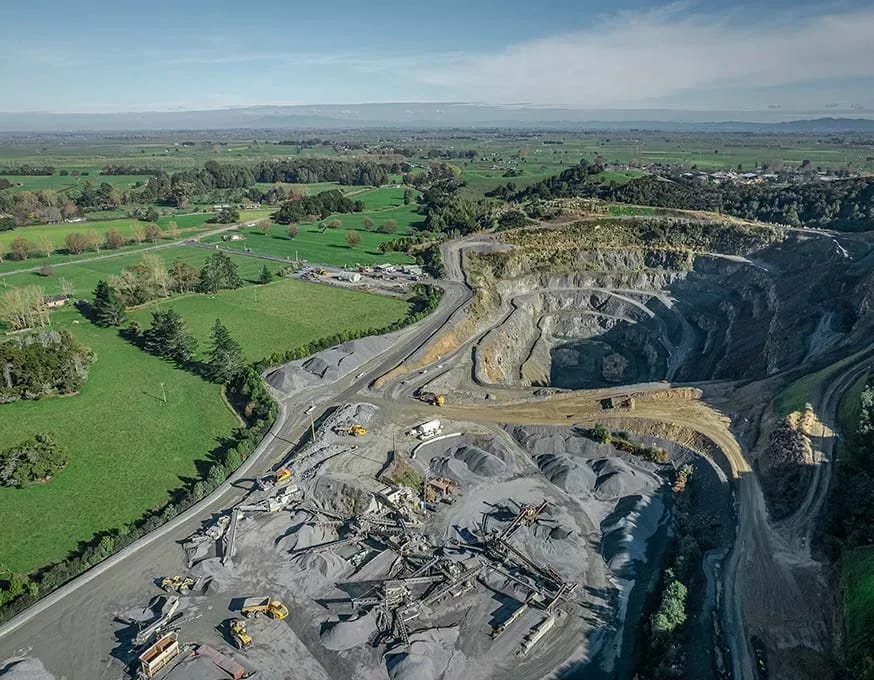
The Waikato is a major source of aggregate, supplying Hamilton’s growth and a share of the rock and sand trucked north to Auckland. Hard greywacke is quarried from the ranges around the Hamilton basin, while sand comes from pits in the Hinuera Formation and from the lower Waikato River. Each source brings different engineering. Greywacke faces are cut by joints and crushed zones that control their stability, and blasting and crushing need careful management near neighbours. Sand pits in the basin can reach the water table, and extraction near the river is weighed against Te Ture Whaimana o Te Awa o Waikato, the Vision and Strategy that consents affecting the river must give effect to. Heavy traffic, dust and noise also have to be managed for the people who live nearby. LDE provides quarry engineering for operators across Hamilton and the Waikato. We assess resources, design faces, benches and haul roads, plan extraction staging and water management, and prepare the technical reports that support consent applications and ongoing compliance.
Send a Message
Enquire about your Hamilton project
How LDE delivers quarry engineering in Hamilton
For a hard-rock quarry we map the joints, bedding and weathered zones in the greywacke, then design face heights, bench widths and overall slope angles that suit the rock mass and the blasting method. Sheared zones and clay seams can control the stability of a whole face, so we look for them early. For sand and gravel pits in the basin we compare the depth of the resource with the groundwater level, decide whether extraction runs dry or wet with a pond, and plan how the site will be drained and rehabilitated.
The work belongs to LDE’s quarry engineering service within our resources practice, and it connects to the transport projects that consume the aggregate.
- Rock mass mapping and face stability assessment
- Bench, ramp and overall slope design for greywacke quarries
- Resource modelling for sand and gravel deposits
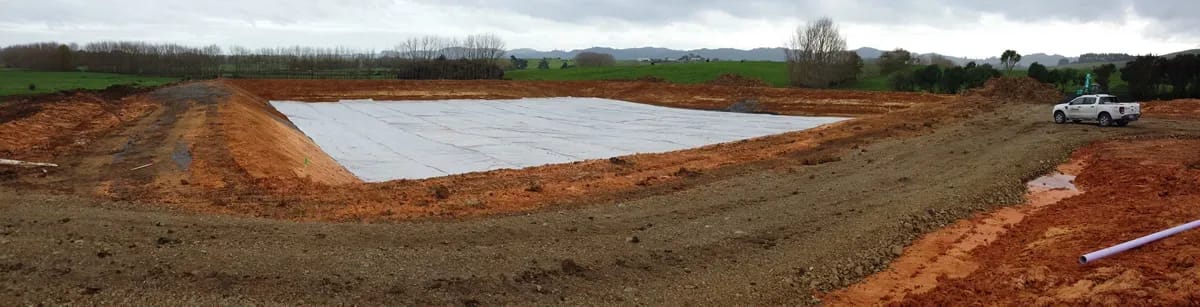
- Stormwater, sediment pond and water take design
Quarry consents and the Waikato River
Waikato Regional Council consents water takes, discharges to air and water, and works in riverbeds under the Waikato Regional Plan, and any consent affecting the Waikato River must give effect to Te Ture Whaimana. Land use consent for quarrying is decided by the district council where the site sits. Within the city that is Hamilton City Council, but most quarries lie in surrounding districts such as Waikato, Waipā and Matamata-Piako. Operating quarries also answer to the Health and Safety at Work (Mining Operations and Quarrying Operations) Regulations 2016, which treat ground instability, explosives and vehicle operating areas as principal hazards.
- WorkSafe New Zealand health and safety requirements for extractive sites
- Ministry for the Environment resource management guidance, including on freshwater
- Engineering New Zealand practice standards for Chartered Professional Engineers
LDE quarry engineering in the Waikato
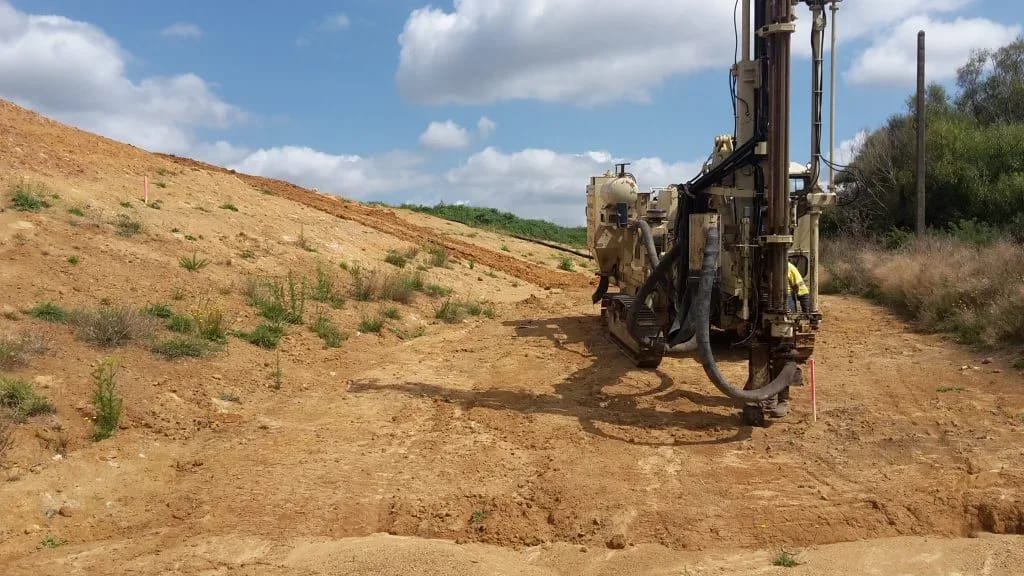
Typical commissions include face stability reviews at operating hard-rock quarries, design of new benches and pit extensions, sand pit feasibility and staging, sediment and stormwater systems, and closure and rehabilitation plans. Clients are typically quarry operators, landowners with a resource to assess, and contractors opening borrow pits for large earthworks projects. Where a site is close to the river or a tributary, we plan extraction and water management around the river framework from the first layout.
Common questions about quarry engineering in the Waikato
What controls the stability of a greywacke quarry face?
Mostly the defects in the rock: joints, bedding, faults and crushed zones, and how they are oriented relative to the face. Weathering near the surface also weakens the rock. We map these features, analyse the likely failure modes and set face geometry, scaling and catch bench requirements to manage them.
How does Te Ture Whaimana affect a quarry consent?
Where a quarry could affect the Waikato River through sediment, discharges or changes to water flows, the consent decision must give effect to the Vision and Strategy for the river. The applicant has to show how the operation avoids harm to the river and supports its restoration and protection. We design treatment, setbacks and monitoring to support that case.
Who leads LDE’s Waikato quarry engineering?
Geotechnical and civil engineers from our team lead each commission, supported by LDE specialists nationally.
Can LDE help with a sand pit that reaches the water table?
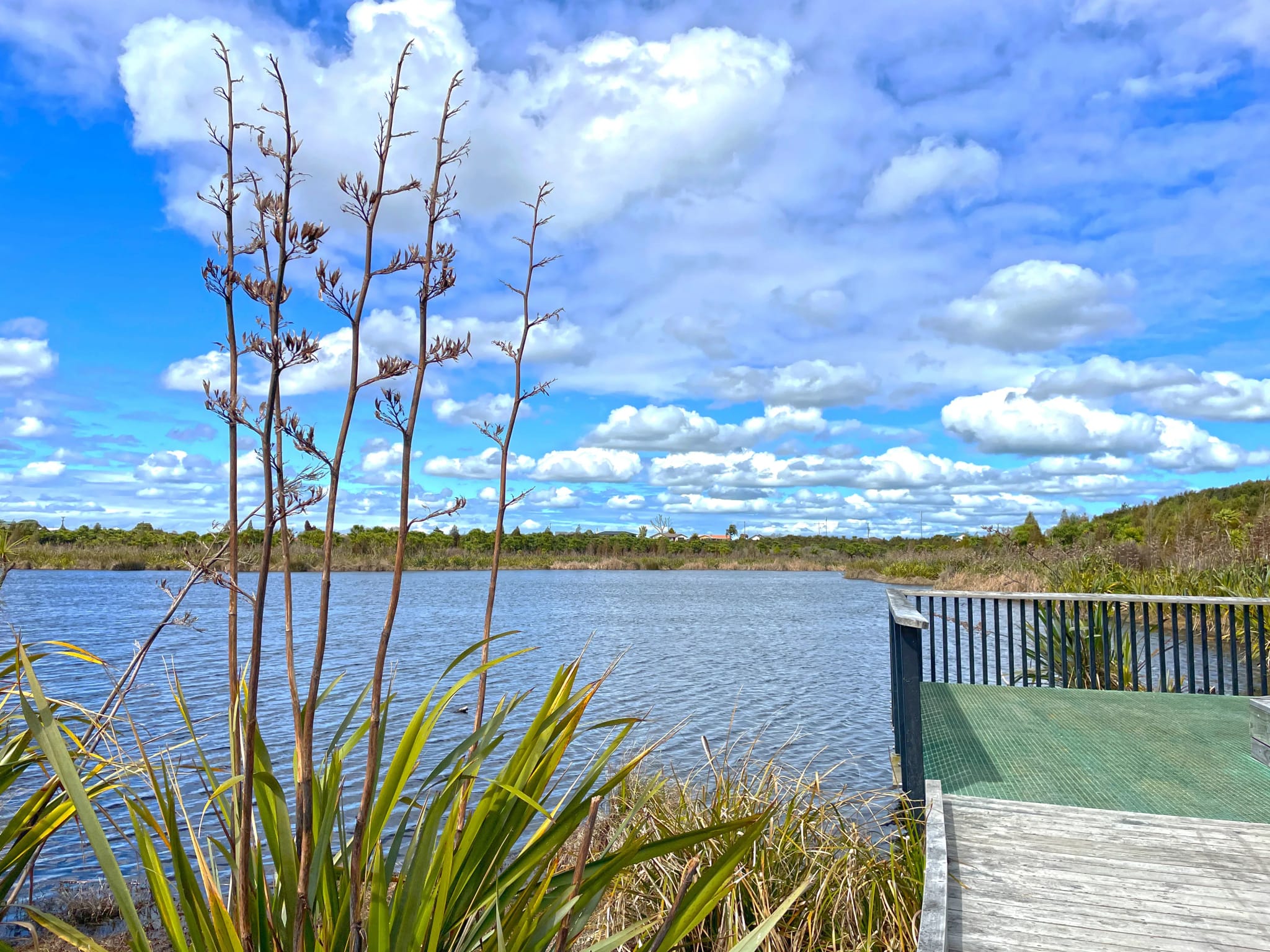
Yes. We assess how wet extraction will affect groundwater levels and nearby bores, design pond batters that stay stable, and plan how the pond will be shaped and planted at closure.