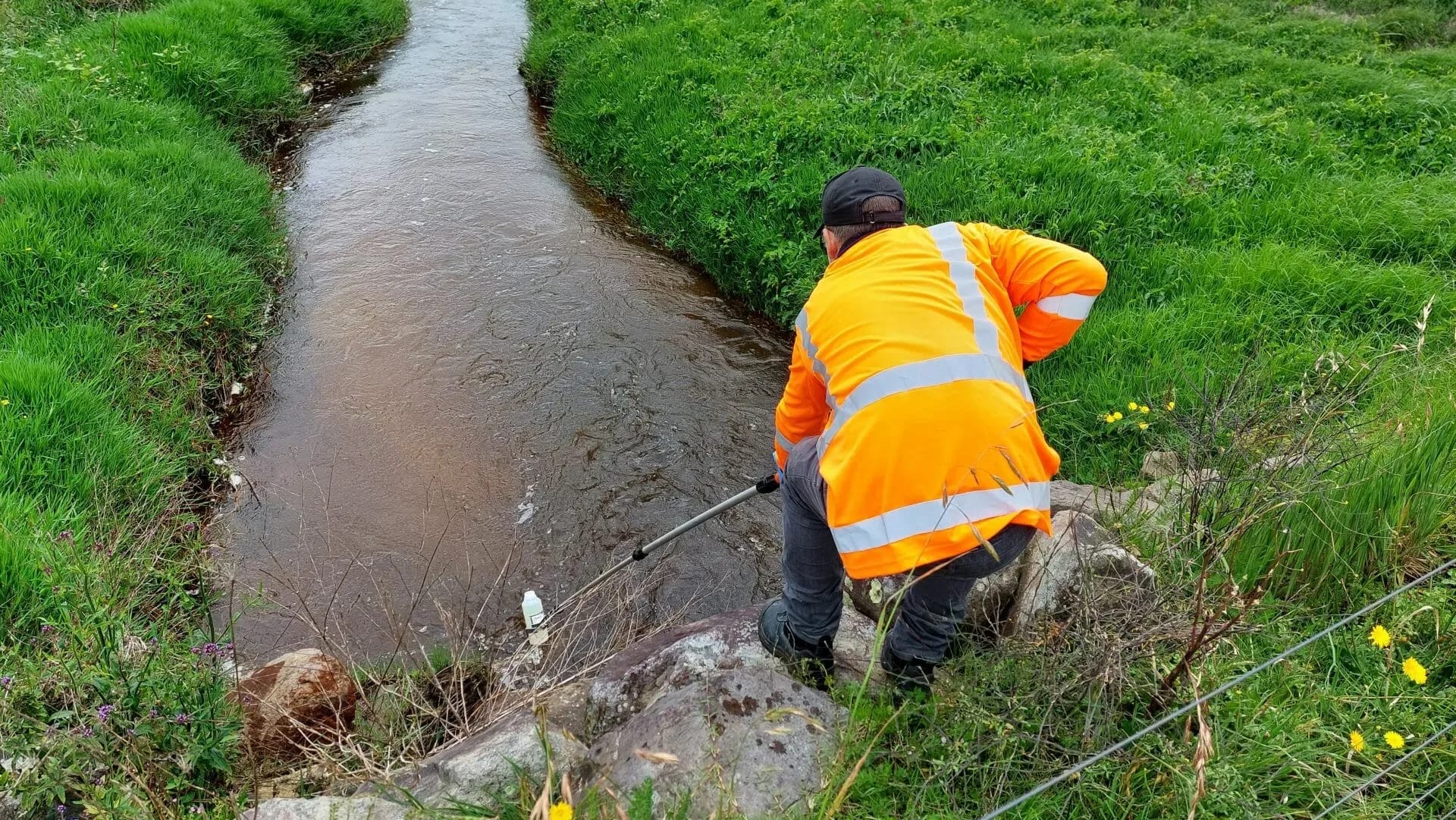
Environmental Engineering in Hamilton
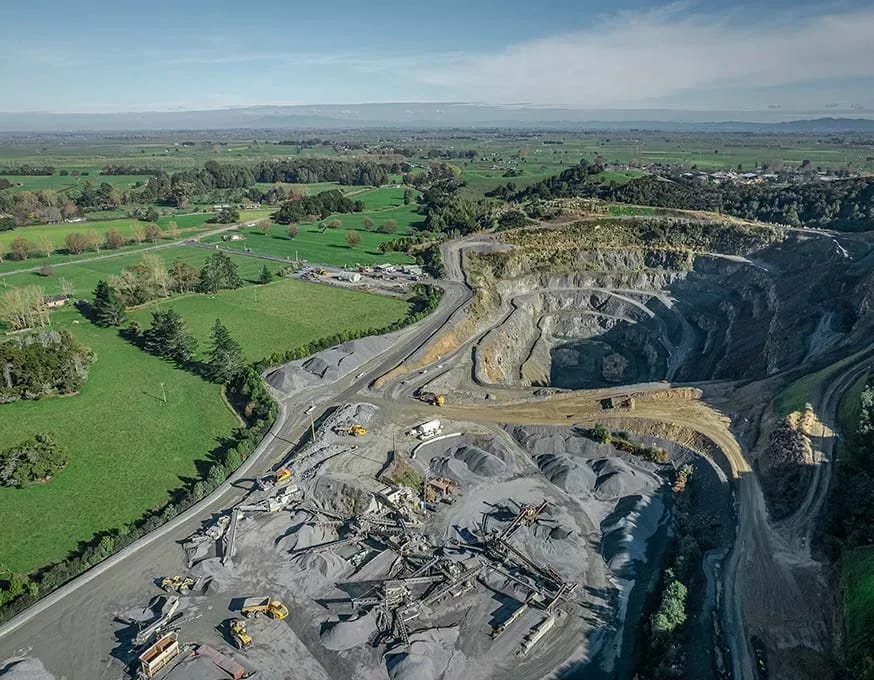
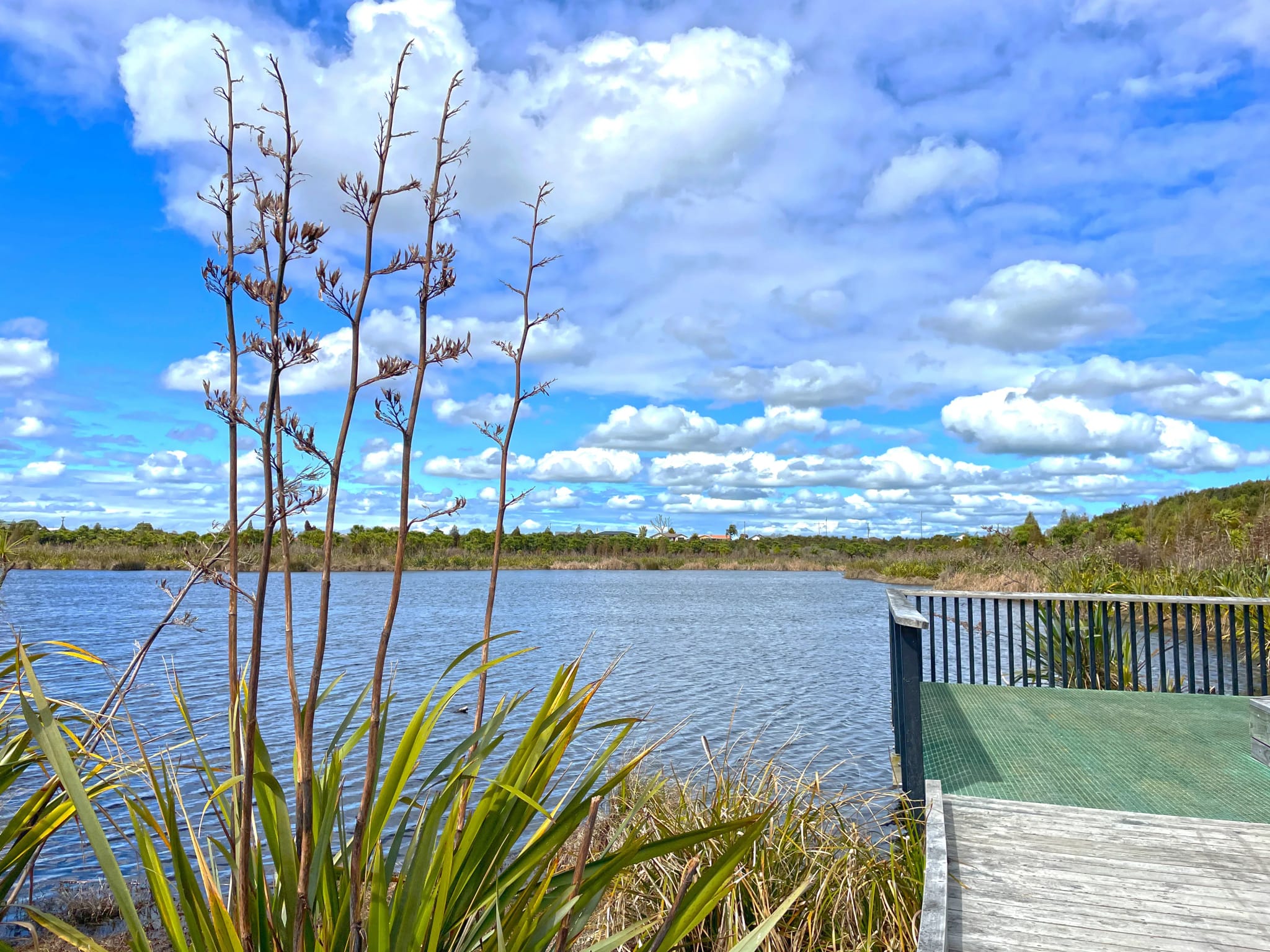
Environmental work in Hamilton comes back to the Waikato River. Any consent that affects the river has to give effect to Te Ture Whaimana o Te Awa o Waikato, the Vision and Strategy for the Waikato River, so discharges, earthworks and stormwater near it are assessed closely. The city’s gullies carry streams and their vegetation down to the river, peat lakes such as Rotokauri and Waiwhakareke sit on the city’s western edge, and dairying across the wider region brings farm effluent and nutrient questions. Growth at Rotokauri, Peacocke and Ruakura is turning rural land into suburbs and industrial estates. LDE provides environmental engineering and science for projects in Hamilton and across the Waikato, covering contaminated land, resource-consent support, freshwater and ecology, and erosion and sediment control. We investigate how land has been used, measure effects on streams, gullies and lakes, write the assessments that Waikato Regional Council and Hamilton City Council need, and design the site controls that go with them. The result is consent documentation that answers the river’s own legal framework as well as the regional and district plans.
Send a Message
Enquire about your Hamilton project
How LDE delivers environmental engineering in Hamilton
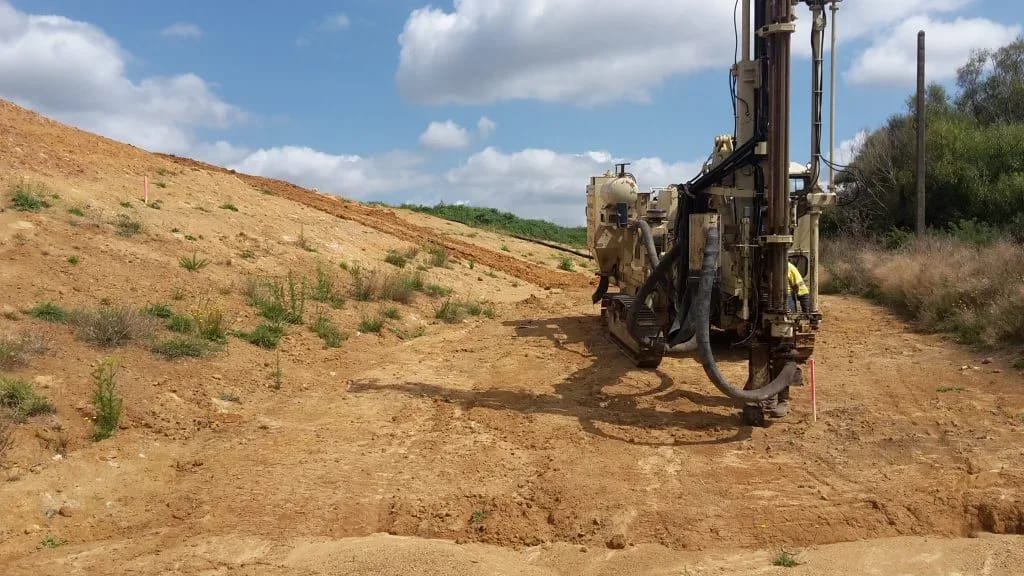
We start by working out what the land has been used for and where its water goes. On a greenfield block that may mean testing former farm features such as sheep dips, fuel stores and offal pits before subdivision. On an urban site it means reviewing older industrial and commercial uses. For projects that drain to a gully, a peat lake or the river, we describe the receiving environment, assess the effects of construction and of the finished development, and recommend the treatment and controls that keep those effects within plan limits.
It draws on the same environmental engineering and science capability behind our water and urban development work in other regions.
- Preliminary and detailed site investigations on farm, urban and industrial land
- Assessments of environmental effects that address the Vision and Strategy
- Stream, gully and peat-lake ecology and water-quality assessment
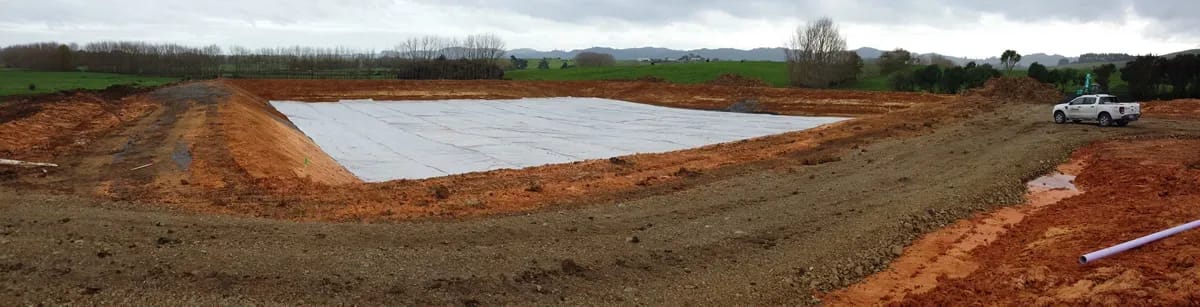
- Erosion and sediment control for greenfield earthworks in the growth areas
Resource consents and the Waikato River framework
Waikato Regional Council is the consent authority for discharges, water takes, earthworks near waterways and farm effluent, working under the Waikato Regional Plan. Hamilton City Council decides land-use and subdivision consents under its district plan and administers the national standard for contaminants in soil. Both councils must give effect to the Vision and Strategy, whose custodian is the Waikato River Authority, so we build that assessment into each application from the outset instead of adding it at the end.
- Ministry for the Environment freshwater national direction, including natural inland wetlands
- Taumata Arowai, the Water Services Authority source-water rules for supplies drawn from the river
LDE environmental engineering in the Waikato
The work we take on in the Waikato follows the region’s land use. Developers in the growth areas need site investigations, ecology surveys and sediment control before and during bulk earthworks. Industrial and logistics projects around Ruakura and Te Rapa need contamination and discharge assessments. Dairy farms need effluent discharge assessments and consent support, and rural landowners selling to developers need a clear record of what the land was used for. Public bodies need effects assessments for works on or near the river and its gullies.
Common questions about environmental engineering in the Waikato
What does giving effect to the Vision and Strategy mean for my consent?
Te Ture Whaimana o Te Awa o Waikato sets objectives for restoring and protecting the health and wellbeing of the Waikato River. Where a project could affect the river, directly or through a tributary, the assessment has to address that restoration and protection, which goes further than showing the effects are minor. In practice it shapes stormwater treatment, sediment control and riparian planting, and it often calls for early engagement with mana whenua.
Does a former dairy farm need testing before it is subdivided?
Often it does. Sheep dips, spray races, fuel tanks, farm dumps and offal pits all fall within the Hazardous Activities and Industries List, and they were common on Waikato farms. The district council will expect a preliminary site investigation where these may have been, and we use historical aerial photographs, farm records and a walkover to find them before any sampling.
When should ecology surveys start for a Waikato development?
As early as the site layout allows. Stream classification, fish surveys and wetland mapping can move road alignments, lot boundaries and stormwater devices, and some surveys give better results in particular seasons. Starting them at concept stage avoids redesign after the consent application is lodged.
Who leads LDE’s Waikato environmental work?
Environmental scientists and engineers from our team, supported by LDE specialists nationally.