Temporary Works Engineering in Christchurch
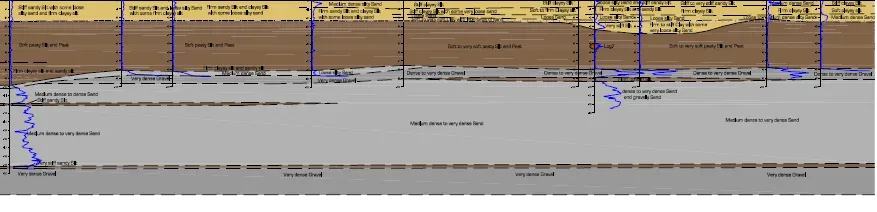
Temporary works in Christchurch start with the ground. Across the central city and the eastern suburbs the ground is loose silt and sand that liquefied in 2010 and 2011, and the water table is shallow, so a basement, lift pit or service trench can need both excavation support and dewatering before work can go ahead. Many sites share boundaries with buildings that were repaired or rebuilt after the earthquakes, and those neighbours have to stay stable while the new work goes in. On the Port Hills the concerns shift to cut slopes, loess and rockfall, and around Lyttelton Harbour to working beside the water. LDE designs the temporary works that keep these sites safe: sheet piles, soldier piles and shoring, propping and needling, falsework and formwork, and the platforms that carry cranes and piling rigs. Our structural and geotechnical engineers work together on each design, so the loads on a prop and the behaviour of the soil behind it are assessed as one problem. We also plan dewatering and assess its settlement effects on nearby buildings and services.
Send a Message
Enquire about your Christchurch project
How LDE delivers temporary works in Christchurch
We start from the site investigation and the contractor’s method. Groundwater level, soil strength and the position of neighbouring footings set the type of support, whether that is a braced sheet pile box, a cantilevered soldier pile wall or battered slopes with a dewatering system. For each design we produce drawings, calculations and a construction sequence, then set the monitoring and trigger levels that tell the site team when to stop and review. Where a permanent structure is being altered or partly demolished, we design the props and load transfers that hold it up while the work is done.
This is the same temporary works engineering we provide nationally, applied to buildings and ports, marine and coastal work in the Christchurch area.
- Sheet pile, soldier pile and braced excavation design
- Dewatering assessment and settlement prediction for nearby structures
- Propping, needling and facade retention during alterations
- Crane and piling platform design on soft ground
Dewatering, consents and safety in Canterbury
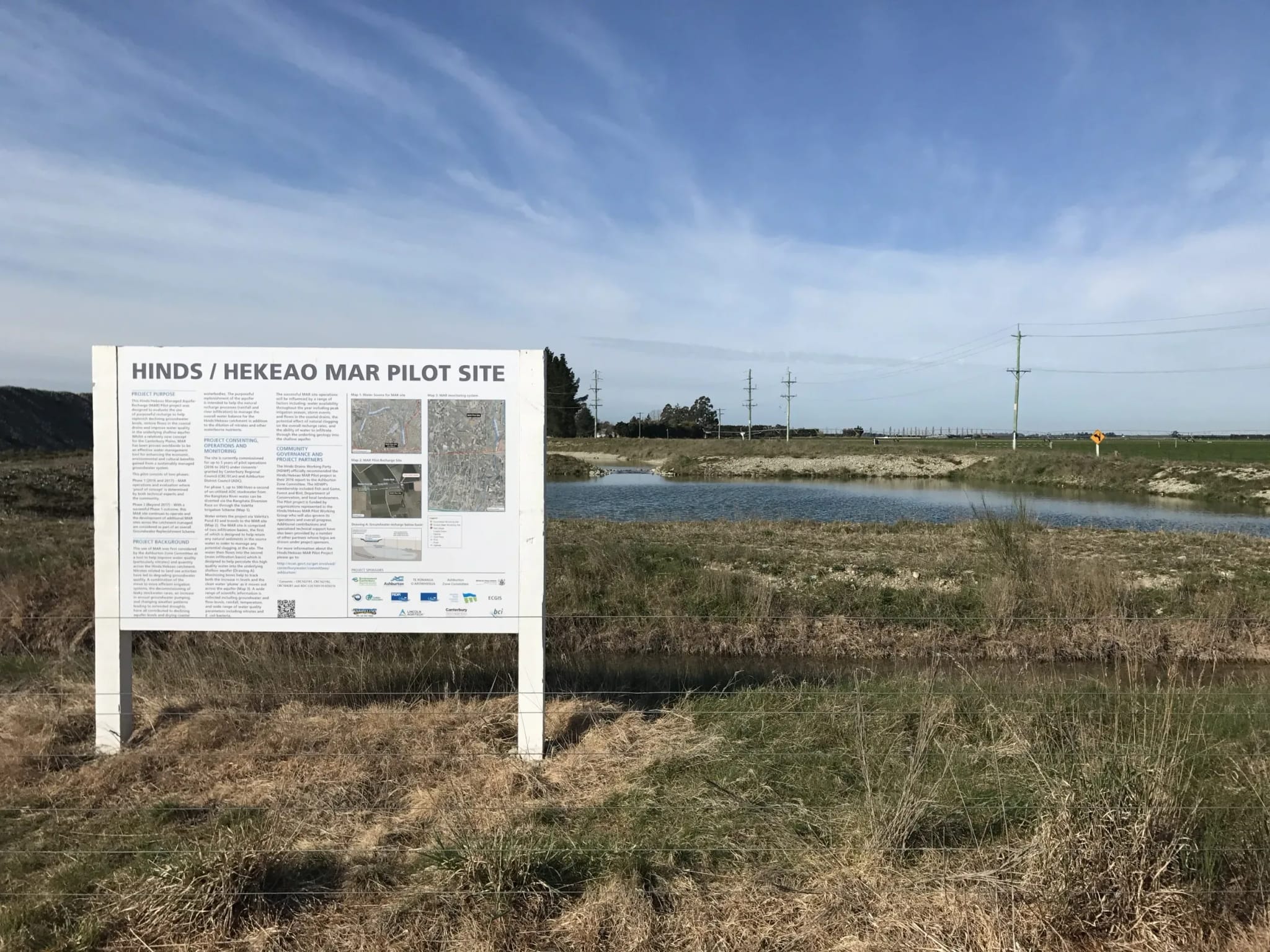
Taking groundwater for construction dewatering, and discharging it, is regulated by Environment Canterbury under the Canterbury Land and Water Regional Plan, and many city sites need a resource consent before pumping starts. Discharges to the stormwater network also need approval from Christchurch City Council, which publishes its own dewatering guideline and expects the water to be treated to remove sediment. We prepare the technical information for those applications and design the treatment and monitoring the conditions call for.
- WorkSafe New Zealand good practice guidelines for excavation safety
- Standards New Zealand loadings and structural design standards used for temporary works
- Engineering New Zealand practice guidance for Chartered Professional Engineers
LDE temporary works in Canterbury
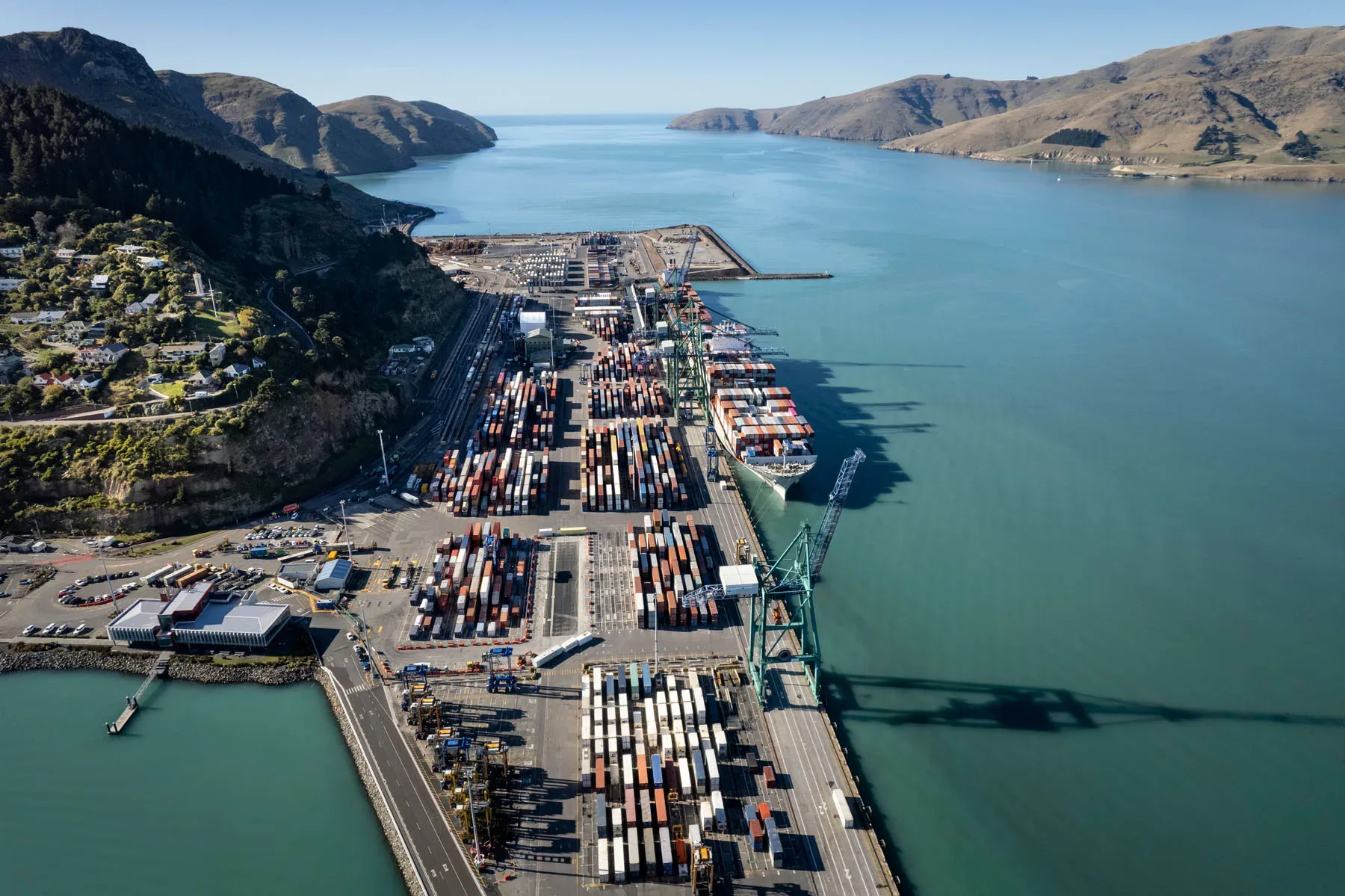
Typical commissions include basements and deep lift pits in the central city, pipe and pump station excavations for council three waters work, bridge and culvert replacements, alterations to existing commercial buildings, and wharf and seawall work around the harbour. Clients are usually main contractors, piling and civil subcontractors, and the owners or councils who want a temporary works design checked before work starts. On Port Hills sites we look at the stability of temporary cuts and at rockfall protection for crews working below slopes.
Common questions about temporary works in Canterbury
Why does dewatering in Christchurch need careful assessment?
Lowering the water table increases the effective stress in the soil, and soft silts, clays and peat can settle as a result. That settlement can reach neighbouring buildings, roads and pipes. We estimate the drawdown and its effects before pumping starts and set monitoring so any movement is picked up early.
Can LDE check a contractor’s temporary works design?
Yes. We carry out independent checks of temporary works designed by others, at the depth the risk and complexity call for, and record the outcome so the permit to load can be issued on a sound basis.
Who leads LDE’s Canterbury temporary works design?
Chartered Professional Engineers from our team lead the design, supported by LDE specialists nationally.
How are earthquakes allowed for in temporary works?
Temporary works in Canterbury are still designed for seismic actions, scaled under the loadings standard to their intended life and the consequence of failure. Props and shoring that hold up an existing building get particular attention, because their failure would affect people inside and around it.