Quarry Engineering in Christchurch
Christchurch draws most of its aggregate from the alluvial gravels laid down by the Waimakariri River across the Canterbury Plains. Pits on the western side of the city, around Yaldhurst, West Melton and McLeans Island, work these gravels for concrete, roading and drainage aggregate. The material is plentiful, but the setting brings constraints. The plains gravels hold the aquifers that supply most of the city’s drinking water, housing has grown close to several pits, and dust from extraction and processing has been a long-running concern for nearby residents and for regulators. LDE provides quarry engineering for operators working these gravels. We assess the resource and its grading, plan extraction depth and staging with the highest groundwater level in mind, design stable pit faces and haul roads, and set out processing and stockpile areas to limit dust. We also plan rehabilitation, including backfilling worked pits with controlled fill so the aquifer below stays protected. The aim is an operation that can be consented, run safely and closed well.
Send a Message
Enquire about your Christchurch project
How LDE delivers quarry engineering in Christchurch
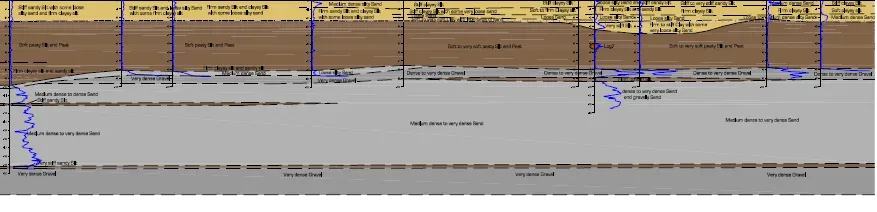
Canterbury Plains gravels can generally be dug without blasting, so the engineering questions are how deep to go, how steep the faces can stand and how to keep the operation clean. We review bore logs and groundwater records to set a pit floor that stays clear of the highest groundwater level, or assess the effects where deeper extraction is proposed. Face angles and bench widths are set for loose, cohesionless gravels and for the plant that works them. We lay out crushing, screening and wash plants, stockpiles and internal roads to reduce dust and keep sediment-laden water on site.
This work is part of LDE’s quarry engineering service and our wider resources practice. Where pit access affects the road network, our transport engineers join the team.
- Resource assessment, grading analysis and reserve estimates
- Extraction floor design relative to groundwater
- Pit face, bench and haul road geometry
- Dust, stormwater and sediment management design
Quarry consents and safety rules in Canterbury
Excavation over the aquifers, discharges to air from crushing and stockpiles, and water use are regulated by Environment Canterbury under the Canterbury Land and Water Regional Plan and the Canterbury Air Regional Plan. Land use consent for quarrying within the city boundary is decided by Christchurch City Council under the Christchurch District Plan, while pits further west, such as those around West Melton, fall under Selwyn District Council. Once operating, a quarry must meet the Health and Safety at Work (Mining Operations and Quarrying Operations) Regulations 2016, which require a certificated quarry manager and principal hazard management plans for risks such as ground instability.
- WorkSafe New Zealand guidance for quarry operators under the extractives regulations
- Ministry for the Environment national direction on air quality and resource management
- Standards New Zealand NZS 4407 methods for sampling and testing road aggregates
LDE quarry engineering in Canterbury
Typical commissions include extensions to existing pits, feasibility studies for new extraction areas on the plains, face stability assessments, processing plant layouts, and rehabilitation plans for pits nearing the end of their life. Clients are typically quarry operators and landowners, along with councils reviewing quarry proposals. For sites near housing, we prepare the engineering inputs to dust and noise assessments and design the bunds, setbacks and staging that address them.
Common questions about quarry engineering in Canterbury
How deep can a Canterbury gravel pit go?
Depth is usually limited by groundwater rather than by the gravel. The regional plan ties the rules for excavation over aquifers to the highest groundwater level at the site, and going closer to it or below it brings a more demanding consent. We use local bore records and monitoring to define that level and design the floor to suit.
What does dust control involve at a quarry near Christchurch?
It starts with layout: stockpiles, crushers and haul roads placed away from boundaries and sheltered where possible. Then come water carts, sealed access roads, wind monitoring and limits on work during dry nor’west conditions. We design the physical measures and help operators set trigger levels for their dust management plans.
Who leads LDE’s Canterbury quarry engineering?
Chartered Professional Engineers from our team, drawing on geotechnical and process expertise and supported by LDE specialists nationally.
Can a worked-out gravel pit be reused?
Yes. Pits are commonly backfilled and returned to rural use or developed, but the fill has to be controlled so it does not contaminate the aquifer below. We prepare rehabilitation plans, fill acceptance criteria and final landforms that suit the intended end use.