Water Services in Christchurch
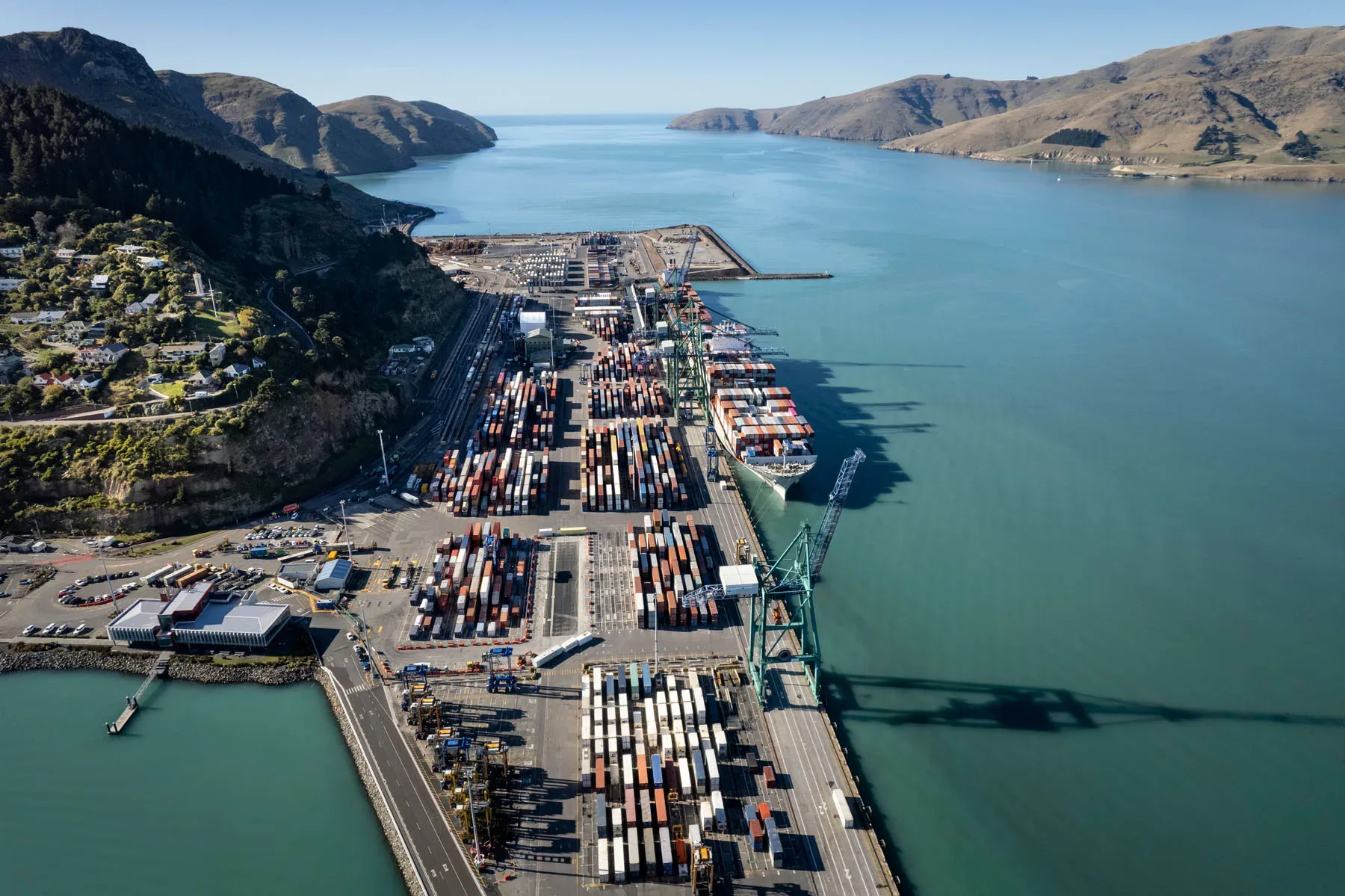
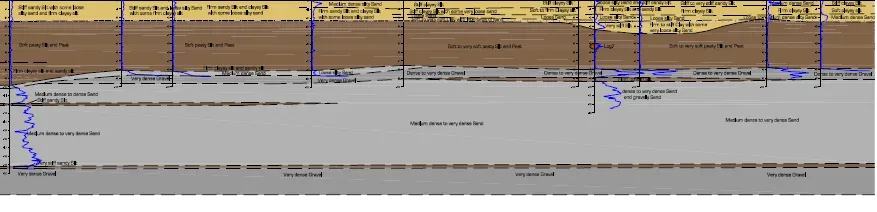
Christchurch’s water networks sit on some of the most demanding ground in the country for buried services. The flat land in the east is prone to liquefaction and has a shallow water table, much of the city has little natural fall for gravity pipes, and the 2010 and 2011 earthquakes damaged water, wastewater and stormwater networks badly enough that large parts were rebuilt. Most of the city’s drinking water comes from bores into the confined gravel aquifers beneath it, and stormwater drains to the Ōtākaro Avon and Ōpāwaho Heathcote rivers and the Avon-Heathcote Estuary. LDE provides water services engineering for projects in Christchurch and across Canterbury, covering network and reticulation design, treatment, pump stations, capacity and renewals, and stormwater management and consenting. We design servicing for subdivision and infill development, plan upgrades and renewals for council and private networks, and prepare the stormwater treatment and discharge design that the city council and Environment Canterbury expect. The aim is three-waters infrastructure that suits the ground, tolerates movement in the next large earthquake and protects the rivers the city drains to.
Send a Message
Enquire about your Christchurch project
How LDE delivers water services in Christchurch
On flat Christchurch sites the constraints are grade, groundwater and ground movement. Gravity wastewater and stormwater need enough fall, which the land often does not give, so we balance pipe depth against the cost and risk of building below the water table, and turn to pump stations or pressure systems where gravity will not work. In areas prone to liquefaction we specify flexible pipe materials and joints that tolerate ground movement. On the Port Hills the problem reverses, and the design has to control steep, fast runoff and protect loess slopes from erosion at outlets.
It is the same water services capability behind our water and urban development work across New Zealand.
- Water and wastewater reticulation for subdivision, infill and commercial sites
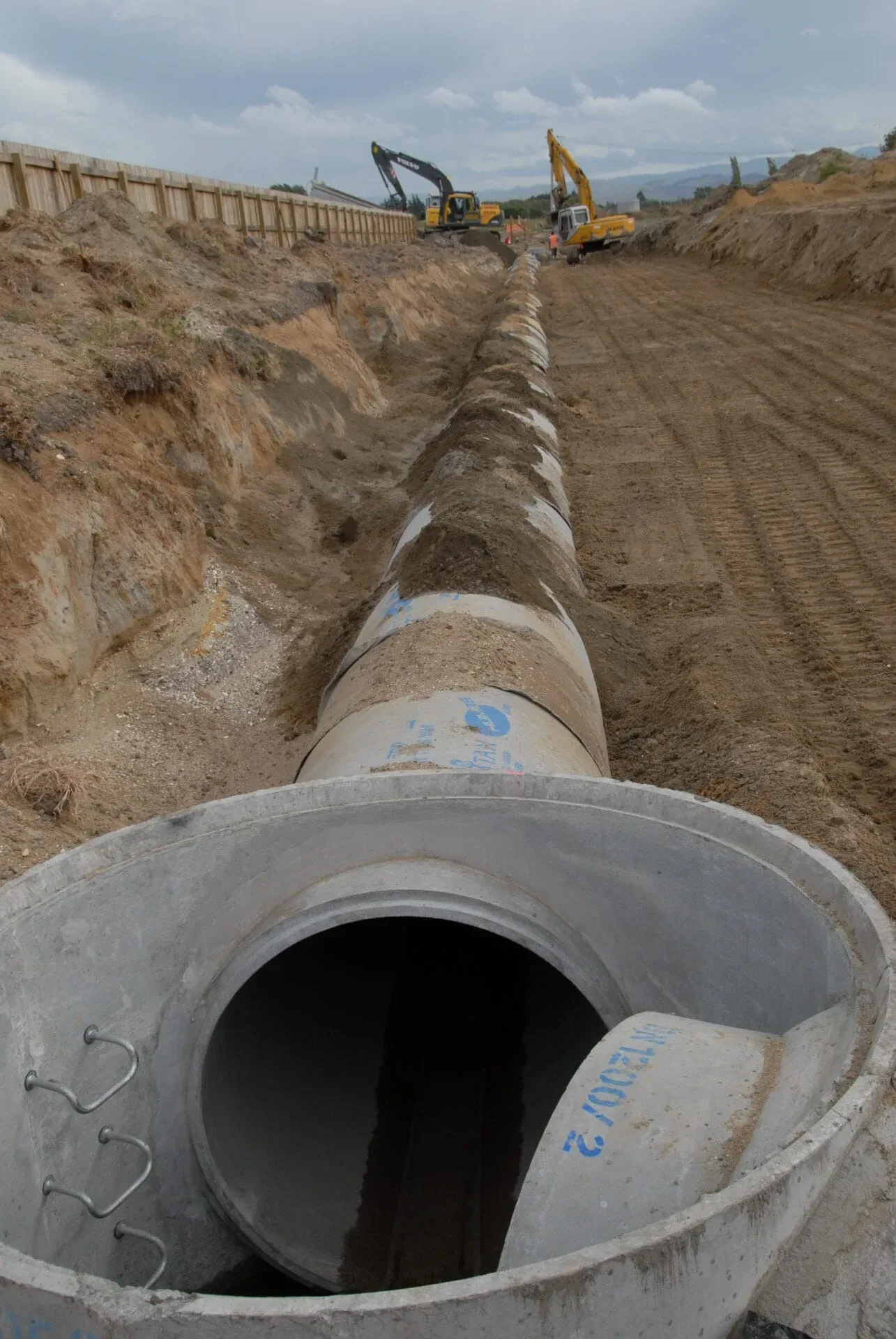
- Pump station and pressure sewer design where the land is too flat for gravity
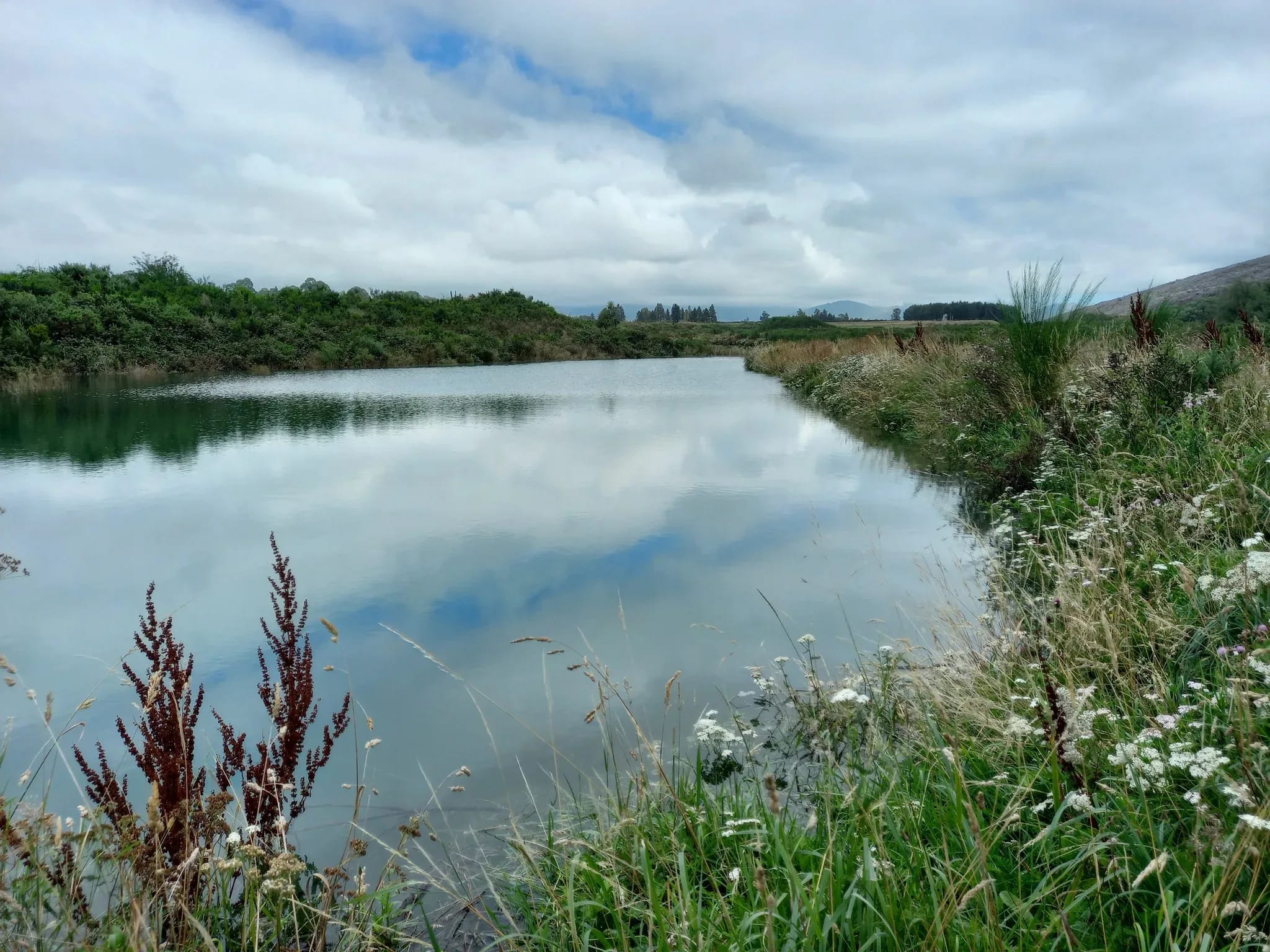
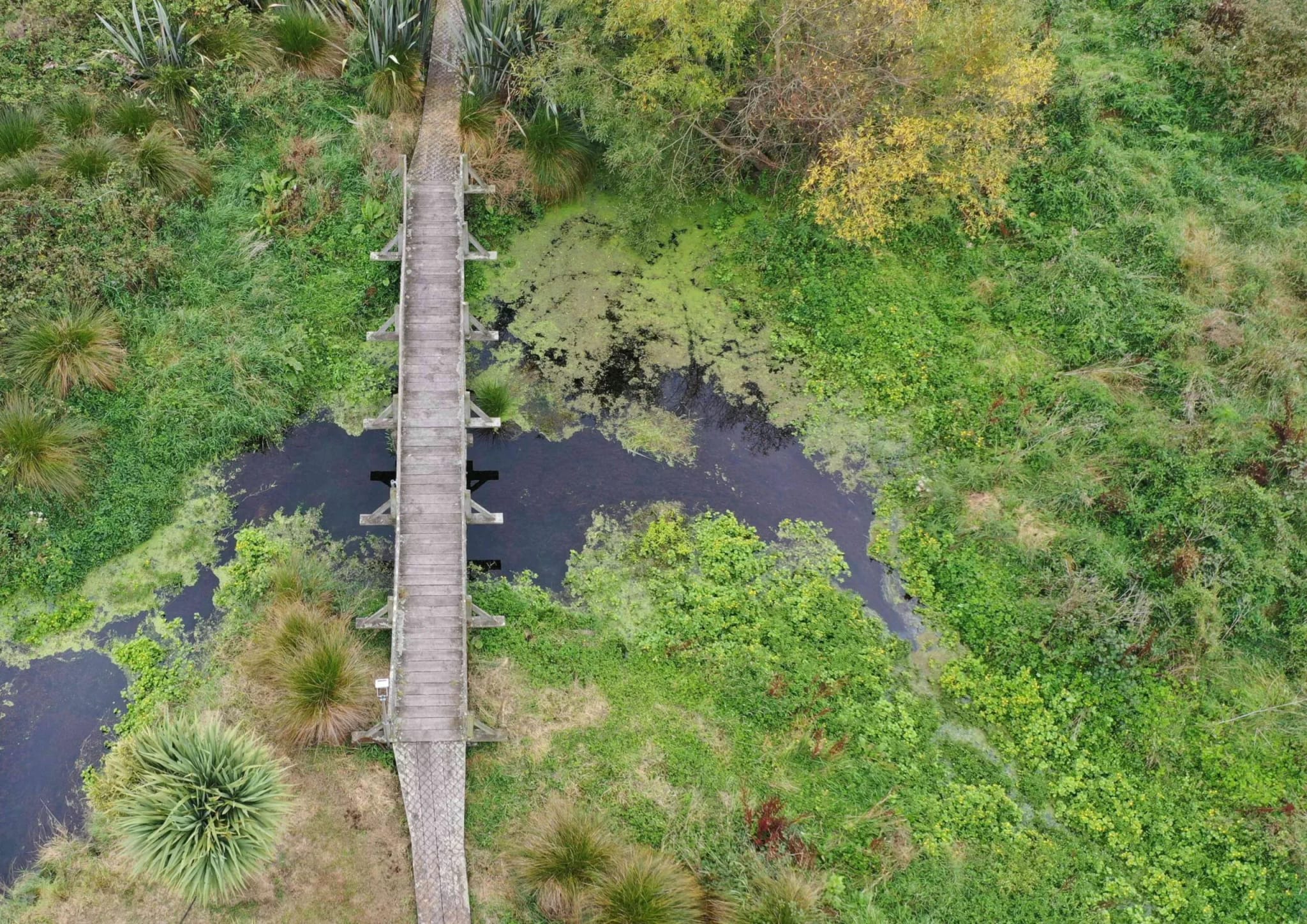
- Stormwater treatment basins, wetlands and rain gardens for discharges to the rivers
- Capacity checks and renewals planning for networks on liquefaction-prone ground
Water services regulation and consenting in Canterbury
Christchurch City Council sets the design requirements for new water, wastewater and stormwater assets in the city through its Infrastructure Design Standard, and approves connections to its networks. Environment Canterbury consents discharges to water and land and manages groundwater under the Canterbury Land and Water Regional Plan, which matters for stormwater outfalls, construction dewatering and any new bore. We design to both sets of requirements and to national rules for drinking water and network performance.
- Taumata Arowai, the Water Services Authority drinking-water standards and rules for network operators
- Water New Zealand good-practice guidance for pipes, pump stations and stormwater
- Standards New Zealand published standards for water supply and drainage design
LDE water services in Christchurch
The water services work we take on in Christchurch covers the kinds of project the city generates now. Infill and multi-unit housing on older sections needs connections checked against network capacity, and sometimes on-site stormwater detention. Greenfield subdivision at the city edge needs full reticulation, stormwater basins and, on flat land, pump stations. Commercial and industrial sites need trade waste and stormwater treatment. Asset owners need condition and capacity assessment to plan renewals on networks that mix pipes rebuilt after the earthquakes with older assets. Clients include developers, builders, commercial owners and public bodies.
Common questions about water services in Christchurch
Why do Christchurch pipes need to be designed for liquefaction?
Liquefaction in 2010 and 2011 broke rigid pipes, pulled joints apart and changed pipe grades as the ground settled and spread. Large areas of the city remain susceptible to liquefaction in a future earthquake. Designing for it means flexible materials and joints, careful bedding, and layouts that let a damaged section be isolated and repaired quickly.
How does the high water table affect servicing a Christchurch site?
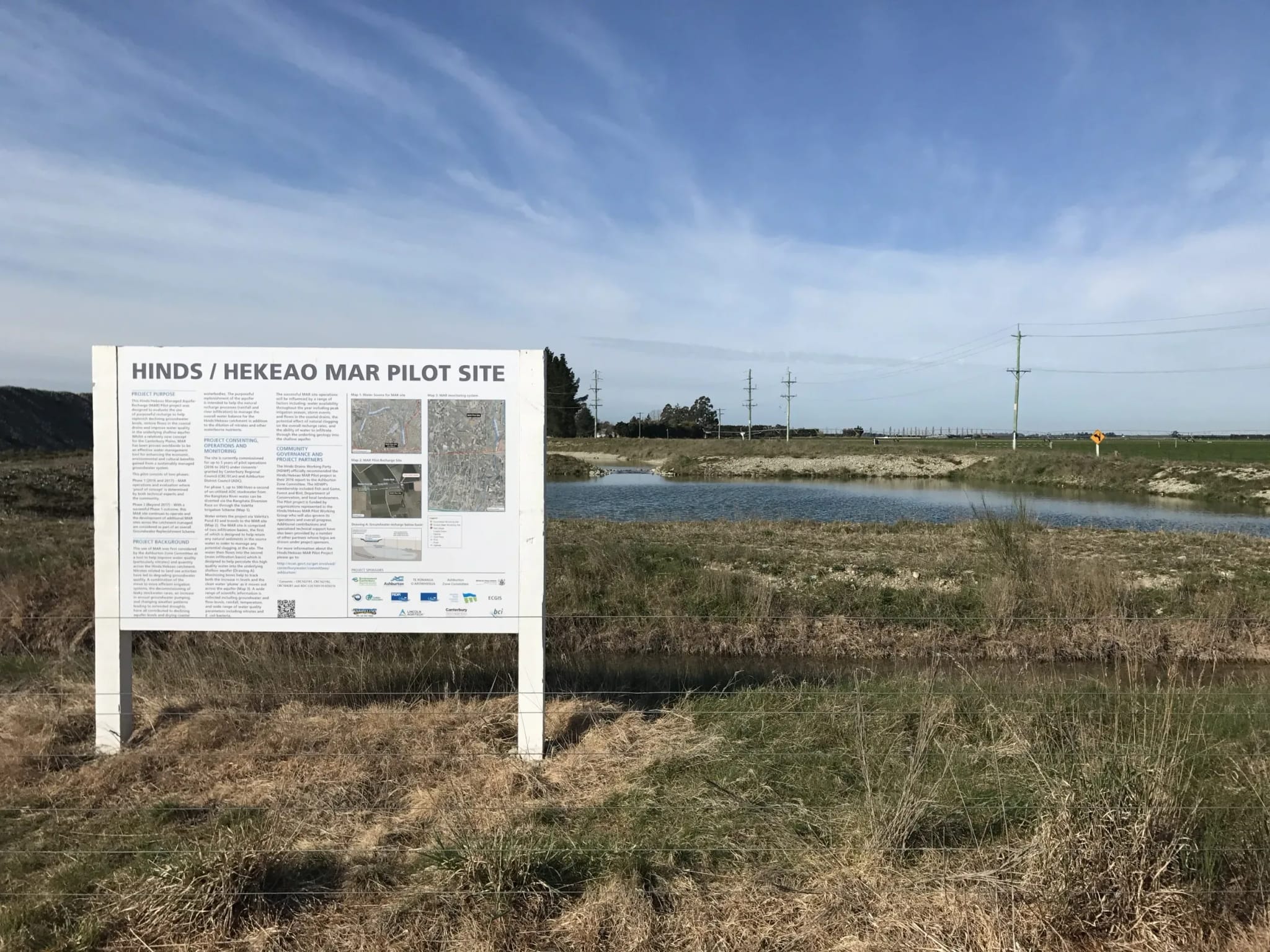
In much of the city groundwater sits within a few metres of the surface, and closer in the east. Deep pipe trenches and pump station wet wells may need dewatering during construction, which can need consent from Environment Canterbury, and pipes below the water table must be sealed against groundwater infiltration. We set pipe depths and pump station locations with those costs in mind.
Where does stormwater from a new Christchurch development go?
Usually into the council network and then to one of the city’s rivers or the estuary, or, on the free-draining gravels to the west, into the ground through soakage. The city council expects treatment and, in many catchments, detention to limit peak flows. We size the devices, check the downstream capacity and design the connection so the development meets the council’s standards.
Who leads LDE’s Christchurch water services work?
Chartered Professional Engineers from our team, supported by LDE specialists nationally.