Environmental Engineering in Gisborne
Tairāwhiti’s environmental challenges are written into its landscape: erosion-prone hill country, rivers that carry heavy sediment and forestry slash, and a coast that bore the brunt of Cyclone Gabrielle. Add the contaminated-land legacy of Gisborne’s urban and industrial sites, and environmental work here spans land, freshwater and recovery.
LDE’s Gisborne team brings environmental engineering and science to all of it, covering contaminated land, resource-consent support, freshwater and ecology, and erosion and sediment control. Because Gisborne District Council is a unitary authority, environmental and land-use rules sit together, and our team works fluently across both.
We investigate sites, assess effects on rivers and the coast, prepare the assessments consents require under the Resource Management Act, and design controls that hold sediment in difficult country. For Tairāwhiti, that means environmental advice grounded in storm recovery, erosion and the realities of this exposed East Coast region.
Send a Message
Enquire about your Gisborne project
How our Gisborne team delivers environmental engineering
Erosion, sediment-laden rivers and storm recovery shape most environmental work in Tairāwhiti, alongside the contaminated-land legacy of Gisborne’s urban sites. Our team investigates land and water, assesses effects on the rivers and coast, and designs the erosion, sediment and consenting measures that development and recovery both rely on in this exposed country. Forestry, horticulture and the district’s steep catchments all feed into how we scope that work.
It is the same environmental engineering and science capability behind our water and urban development work across the region.
- Preliminary and detailed site investigations for contaminated land
- Erosion and sediment control in erosion-prone hill country
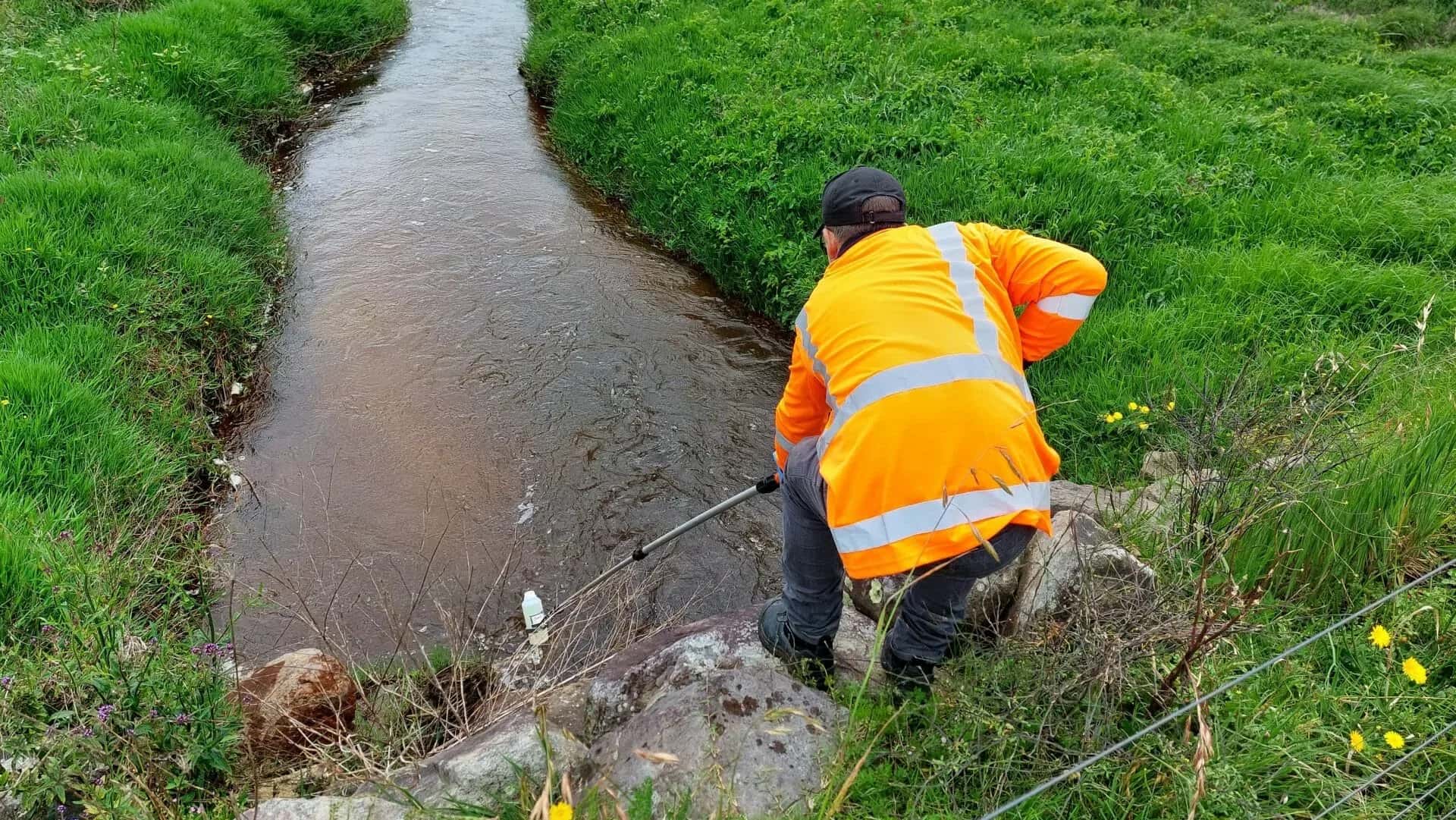
- Freshwater and ecology assessment for sediment-affected rivers and the coast
- Resource-consent support and assessments of environmental effects under the RMA
Environmental regulation and consenting in Tairāwhiti
As a unitary authority, Gisborne District Council holds both regional and district roles, so contaminated land, freshwater, discharges and land use are managed in one place under the Resource Management Act. We align our investigations, assessments and reporting with that framework and national direction.
- Ministry for the Environment contaminated-land and freshwater national direction
- Taumata Arowai, the Water Services Authority for discharge and source-water expectations
Recent environmental work across Tairāwhiti
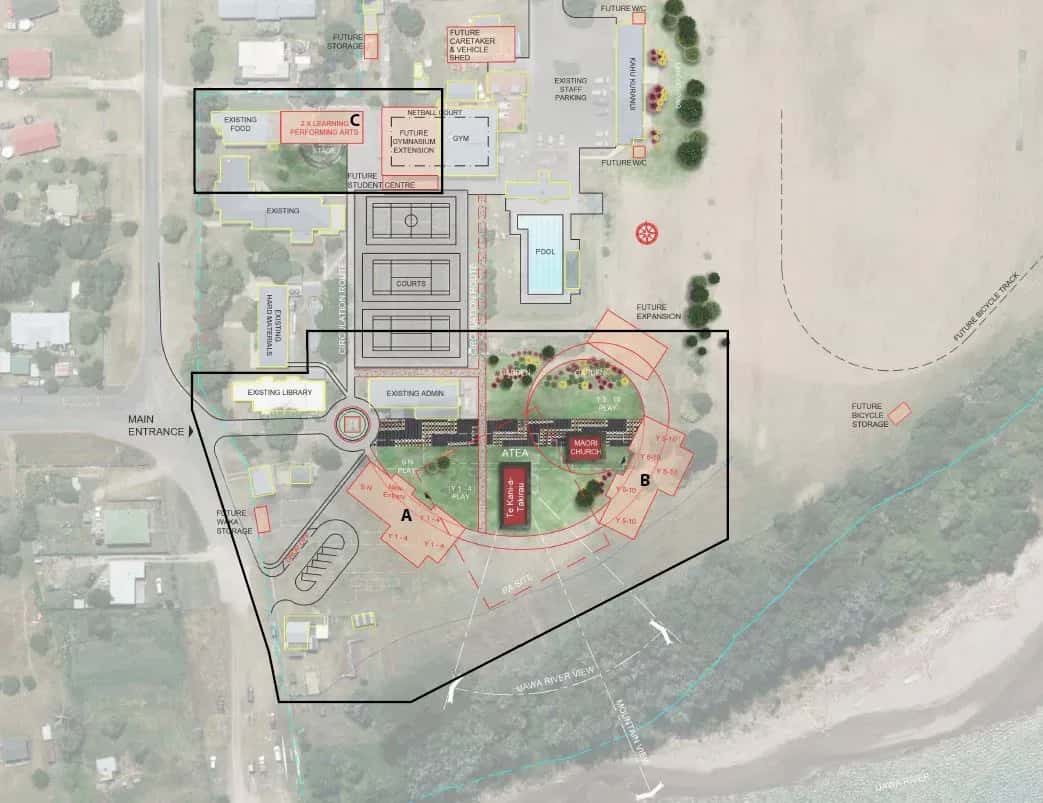
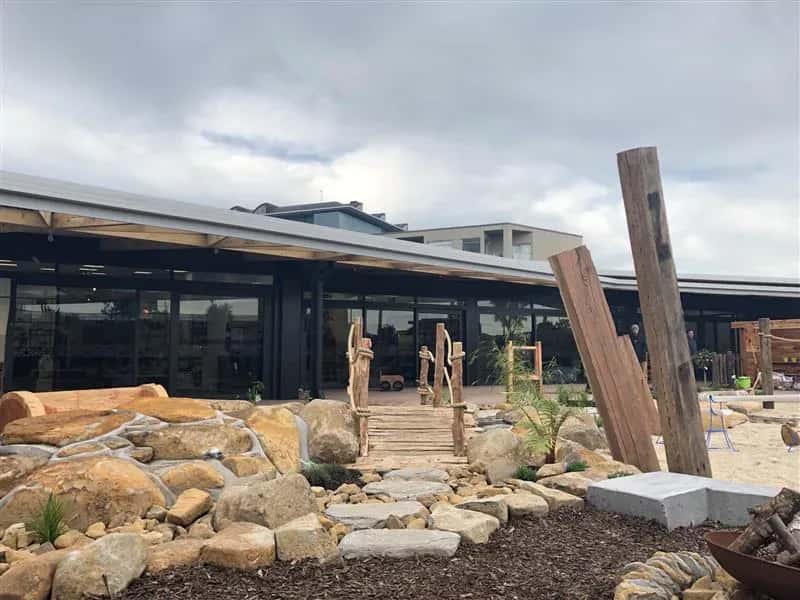
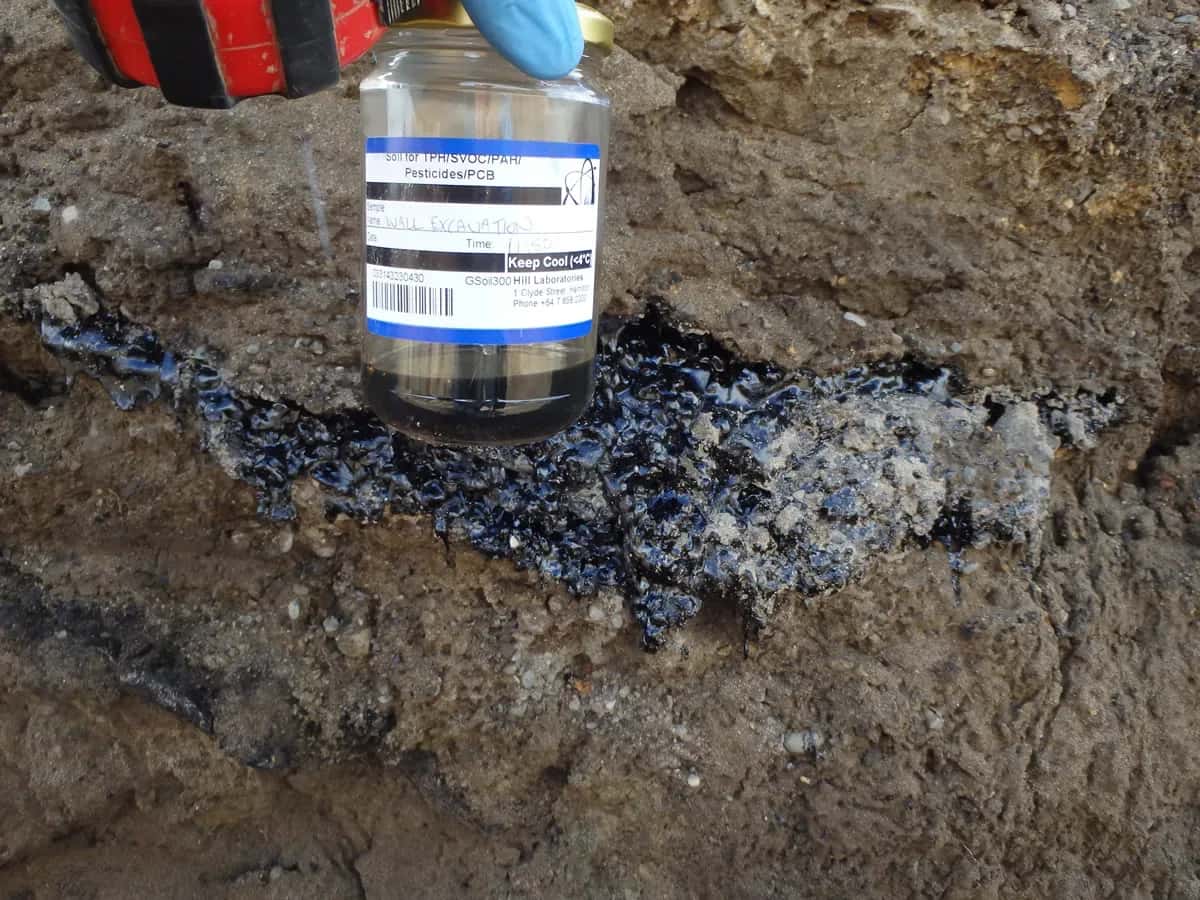
Our Gisborne environmental projects include a detailed site investigation in Gisborne confirming and managing land contamination, and environmental input to the Tolaga Bay Area School redevelopment on the coast. These sit within a wider portfolio of contaminated-land, freshwater and recovery work, more of which is on the projects page.
Common questions about environmental engineering in Tairāwhiti
How has Cyclone Gabrielle shaped environmental work in Tairāwhiti?
The cyclone drove huge volumes of sediment and forestry slash into rivers and onto the coast, so erosion control, sediment management and freshwater recovery are now central to many projects. We assess the effects and design measures that reduce sediment loss from this erosion-prone country, and we prepare the consenting that repair and rebuild works need under the unitary plan.
When is a detailed site investigation needed in Gisborne?
When a preliminary investigation flags a former use that may have left contamination, a detailed site investigation samples soil and groundwater to confirm it. We have done this in Gisborne to clear the way for safe development under the contaminated-land standard, and the findings inform any remediation or site management the unitary council requires.
Who leads LDE’s Tairāwhiti environmental work?
Experienced environmental scientists and engineers from our Gisborne team, supported by LDE specialists nationally, with first-hand experience of the region’s erosion and storm-recovery work.
Can LDE help with environmental aspects of storm recovery?
Yes. We assess sediment and contaminant effects after major weather, design erosion and sediment controls for repair works, and prepare the consenting that recovery projects need. Much of our Tairāwhiti work involves restoring land and protecting waterways after storms, so we understand the urgency these situations carry.





Tairāwhiti / East Coast