Transport Engineering in Gisborne
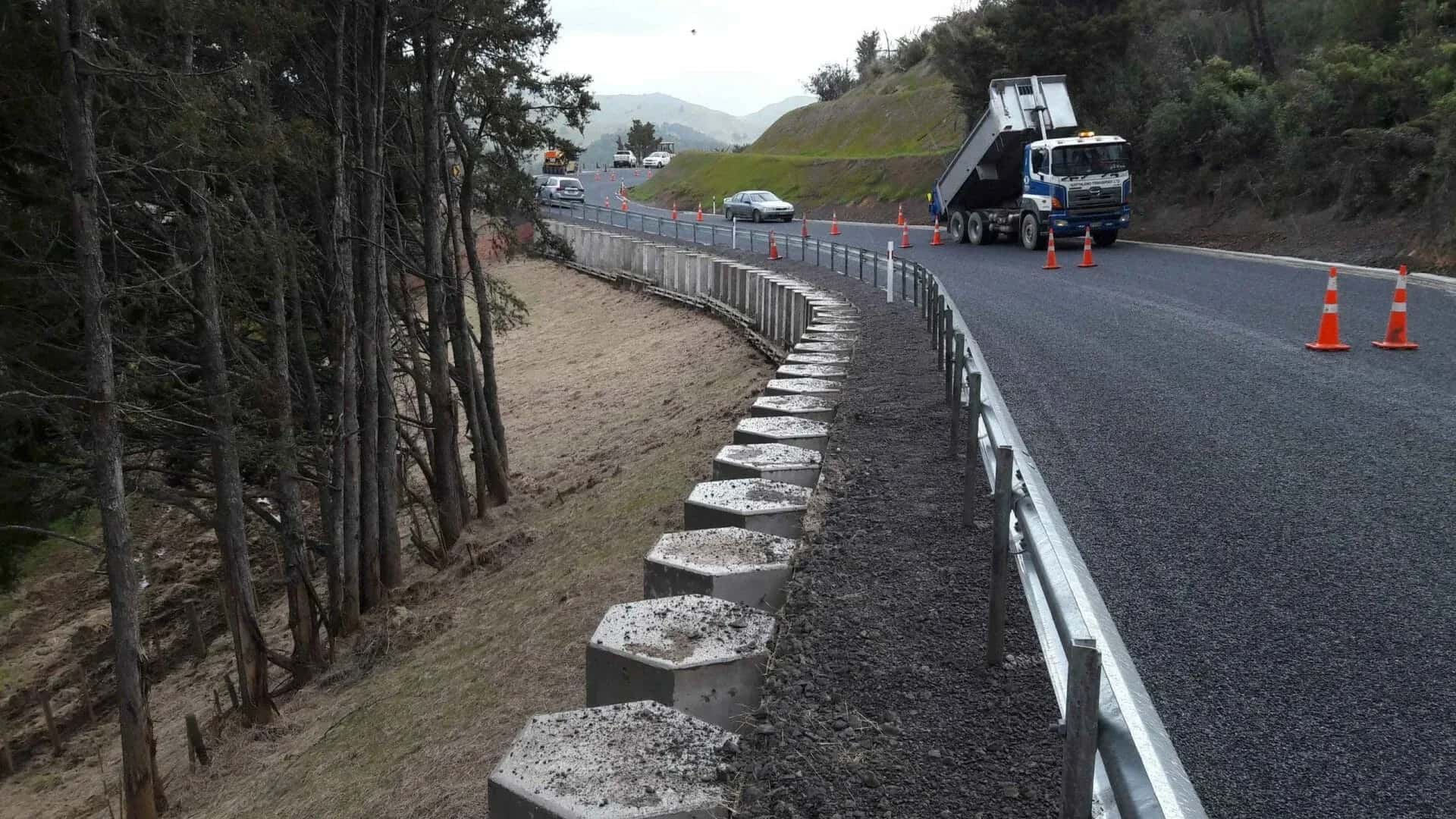
Transport in Tairāwhiti is about keeping a remote region connected through difficult country and severe weather. Long rural roads and state highways link Gisborne with the East Coast settlements, carrying commuters, forestry and horticultural freight across erosion-prone hill country, and Cyclone Gabrielle showed how quickly those links can be cut. With few alternative routes, the resilience and safety of each road matters more than it would in a better-connected region.
LDE’s Gisborne transport engineers work across this landscape, from integrated transport assessments for new development to road safety and intersection and road geometry advice on rural routes. Because Gisborne District Council is a unitary authority, regional and district transport roles sit together, and our team works fluently across both. We help clients understand the traffic effects of their projects, design safe accesses and parking, and bring road resilience into the picture on routes exposed to storms and slips.
For Tairāwhiti, that means transport advice grounded in how the region actually moves and how its roads survive severe weather.
Send a Message
Enquire about your Gisborne project
How our Gisborne team delivers transport engineering
In Tairāwhiti, rural roads and state highways carry most of the transport task across steep, erosion-prone country. New development needs safe access onto these routes, and the traffic effects of land use have to be understood and managed. Our Gisborne engineers assess those effects, design accesses and intersections to suit rural speeds and the larger vehicles that use these roads, and prepare the integrated transport assessments consents require.
This builds on our national transport engineering capability and supports urban development across the district, where access, parking and active modes all shape a project.
- Integrated transport assessments for development and land-use change
- Rural access and intersection design for state highways and local roads
- Road safety review on storm-exposed rural routes
- Parking and access design for new development
Transport planning and consenting in Tairāwhiti
As a unitary authority, Gisborne District Council holds both regional and district roles and is the road-controlling authority for local roads, while the state highway network is managed by NZ Transport Agency Waka Kotahi. We align our assessments and designs with that framework and recognised national guidance.
- NZ Transport Agency Waka Kotahi geometric design and road safety guidance
- Standards New Zealand parking and access standards
- Engineering New Zealand chartered practice
LDE transport engineering in Tairāwhiti
LDE supports transport across Tairāwhiti as part of how we deliver land development, with traffic and access design working alongside our civil and planning teams. Across the region’s long rural network we assess the transport effects of development, design safe accesses onto state highways and local roads, and bring road resilience into the picture on routes that storms and cyclones regularly damage. You can see more of our regional delivery on the projects page, and read about our wider transport work.
Common questions about transport engineering in Tairāwhiti
Do I need a transport assessment for a Gisborne development?
Often yes. Where a development adds traffic or needs new access onto a rural road or state highway, the council usually wants an assessment of the transport effects. We scope it to the proposal and the route it connects to.
How does the unitary council affect a transport project here?
Gisborne District Council holds both regional and district roles and controls the local road network, so transport consents and approvals are managed in one place. We work across that single framework, which can simplify the path for a Tairāwhiti project.
Who leads LDE’s transport work in Gisborne?
Local Chartered Professional Engineers from our Gisborne team, supported by LDE transport specialists nationally.
Can LDE bring road resilience into transport design?
Yes. On Tairāwhiti’s storm-exposed roads we consider drainage, geometry and resilience as part of access and route design, working closely with our civil team. After events like Cyclone Gabrielle, thinking about how a route performs in severe weather, not just on a normal day, is an important part of the work here. With few alternative routes in much of the region, keeping a single road open can matter a great deal to the communities that depend on it.





Tairāwhiti / East Coast
.webp&w=2048&q=60)