
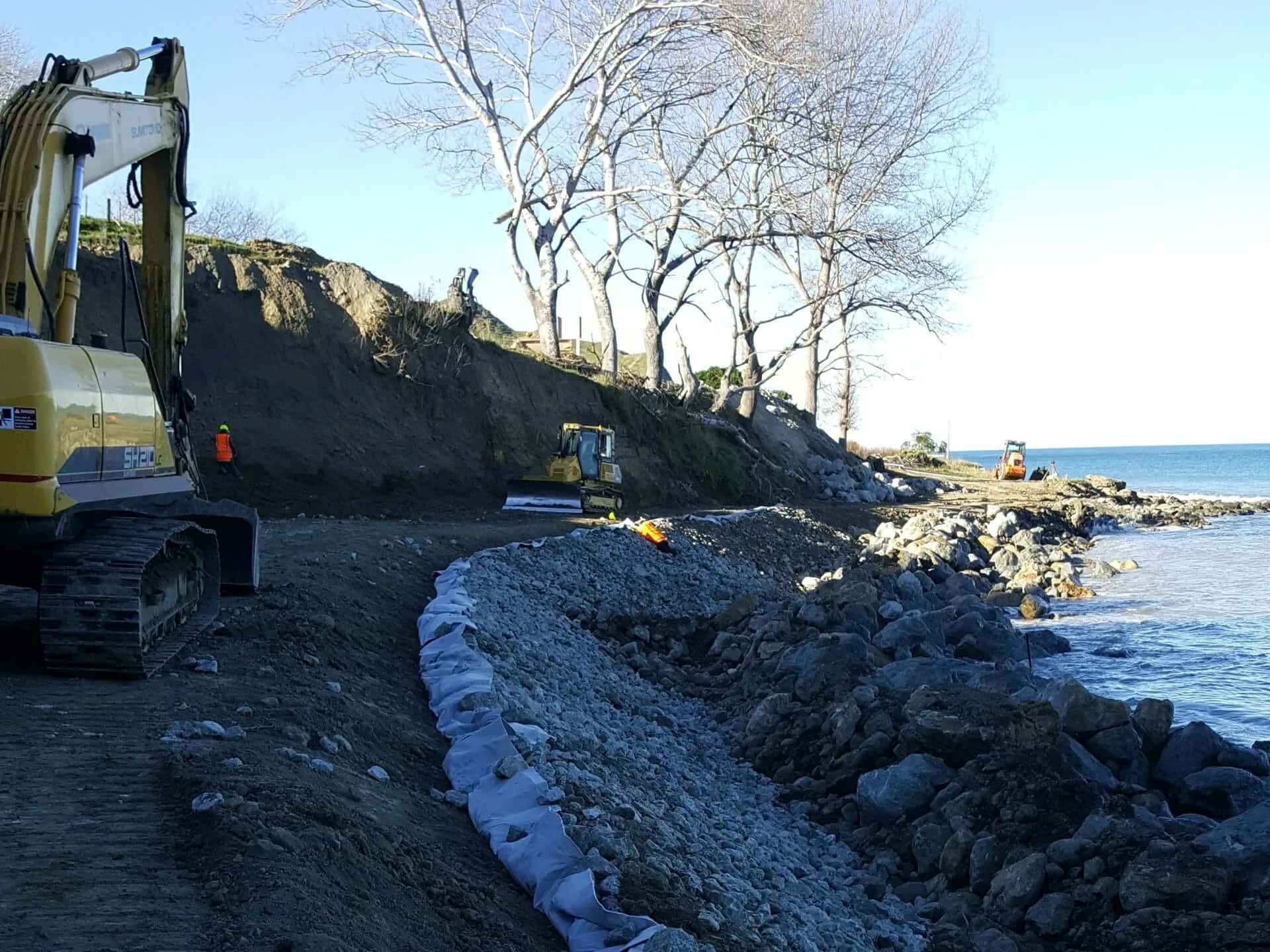
Coastal Engineering in Tauranga
Tauranga is built around a harbour and an open ocean coast, and both shape how the city grows. The harbour carries New Zealand’s largest port and a long, sheltered foreshore, while the Pāpāmoa and Mount Maunganui beaches face the full energy of the Bay of Plenty swell.
Coastal erosion, dune management and surge are live issues along that open coast, and the harbour edge brings its own structures and reclamation questions. LDE’s Tauranga team brings coastal and marine engineering to this setting, with seawall and revetment design, coastal erosion and hazard assessment, wharf and jetty structures, and sea-level-rise resilience for low-lying coastal suburbs.
For Tauranga and the wider Bay of Plenty, that means coastal advice matched to a fast-growing city poised between a working harbour and an exposed ocean beach.
Send a Message
Enquire about your Tauranga project
How our Tauranga team delivers coastal engineering
Tauranga’s coast splits into two worlds: a sheltered, busy harbour and an exposed ocean beach at Pāpāmoa and Mount Maunganui. Our Tauranga team designs for both, assessing wave, surge and erosion exposure on the open coast and structure and reclamation needs around the harbour. On the beach suburbs we focus on dune erosion, coastal hazard lines and the protection of low-lying property; around the harbour we design and repair seawalls and foreshore structures.
It is the same coastal and marine engineering capability that supports our ports and marine work, alongside the urban development experience driving Bay of Plenty growth.
- Coastal erosion and dune assessment at Pāpāmoa and Mount Maunganui
- Seawall and revetment design for open-coast and harbour foreshores
- Wharf, jetty and foreshore-structure design around the harbour
- Storm-surge and sea-level-rise resilience for low-lying coastal suburbs
Coastal hazards and consenting in the Bay of Plenty
Coastal work around Tauranga is shaped by Bay of Plenty Regional Council Toi Moana coastal plans and natural-hazard information, with consents through Tauranga City Council. We align hazard assessment and design with that framework and national coastal policy.
- Ministry for the Environment coastal hazard and RMA guidance
- Natural Hazards Commission Toka Tū Ake coastal erosion and inundation research
- Maritime New Zealand navigation and structures requirements
LDE on the Bay of Plenty coast
We bring coastal and marine engineering to the Bay of Plenty’s harbour and open-coast settings, from foreshore protection on eroding beaches to structures around the harbour edge. You can see more of our regional delivery on the projects page, and read about our ports and marine capability across the country.
Common questions about coastal engineering in the Bay of Plenty
Why is coastal erosion such an issue at Pāpāmoa and Mount Maunganui?
These open-coast beaches face the full Bay of Plenty swell, and their dunes erode in storms while low-lying property sits close behind. We assess the erosion and hazard exposure and design dune or hard protection where it is justified.
How does storm surge affect low-lying Tauranga suburbs?
Surge raises sea levels during storms and can push water over dunes and into low suburbs. We factor surge and sea-level rise into design water levels and into protection and setback advice for coastal development.
Who carries out LDE’s Tauranga coastal work?
Chartered Professional Engineers from our Bay of Plenty team, backed by the wider LDE coastal and marine network.
Should I protect an eroding beach property with a seawall?
Not always. A seawall can protect one property but pass erosion along the coast, so we assess the whole setting first and sometimes recommend dune restoration or setbacks instead. Where a structure is the right answer, we design it for the open-coast wave climate and the consent requirements that apply at Pāpāmoa and the Mount.

Bay of Plenty
Recent projects in Bay of Plenty
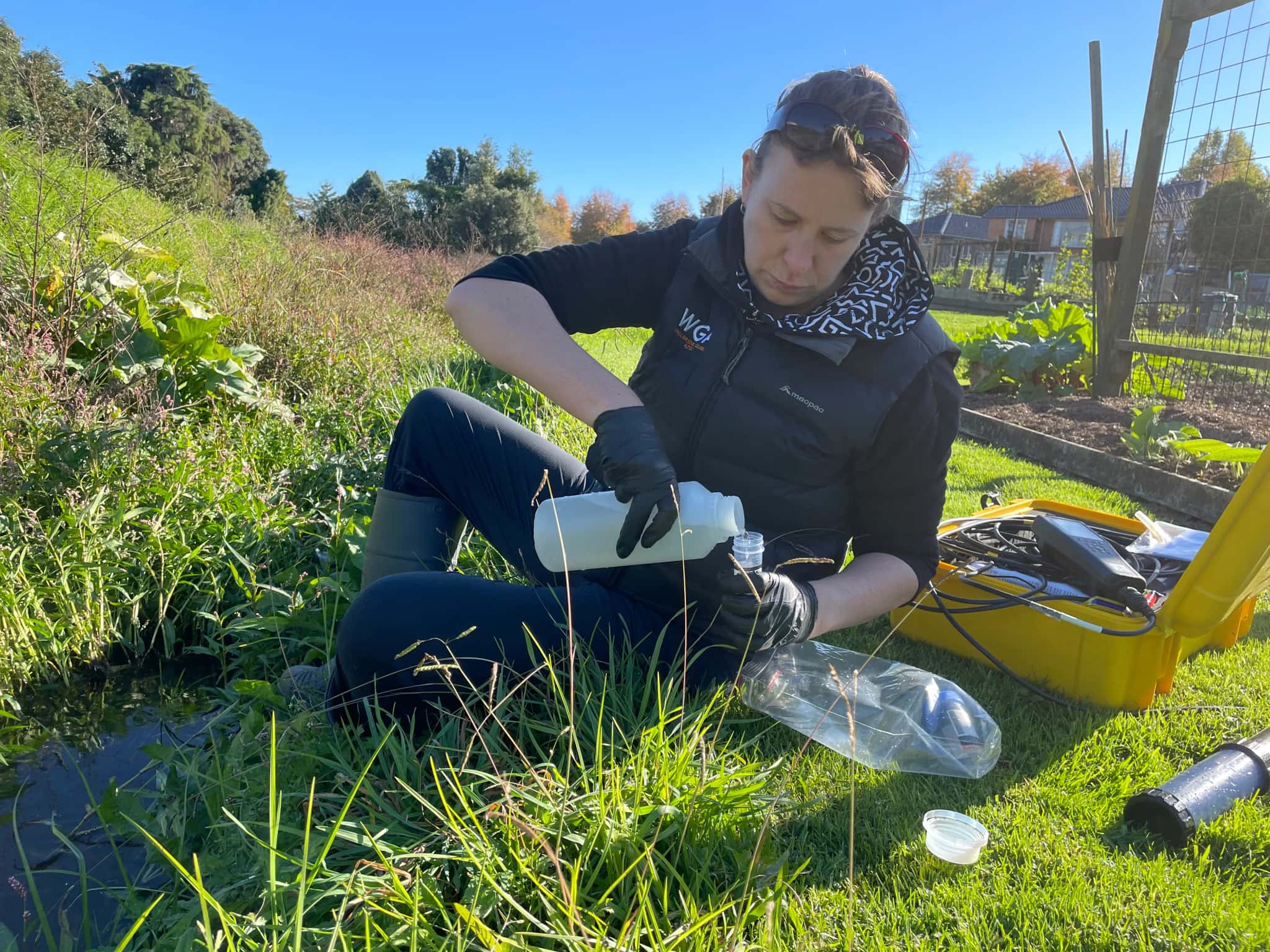
Ōmokaroa Geothermal Take and Discharge

Pillans Point Primary School, Tauranga
Tauranga
.webp&w=2048&q=60)
Pāpāmoa Retail Development
Bluehaven Group
Pāpāmoa, Bay of Plenty
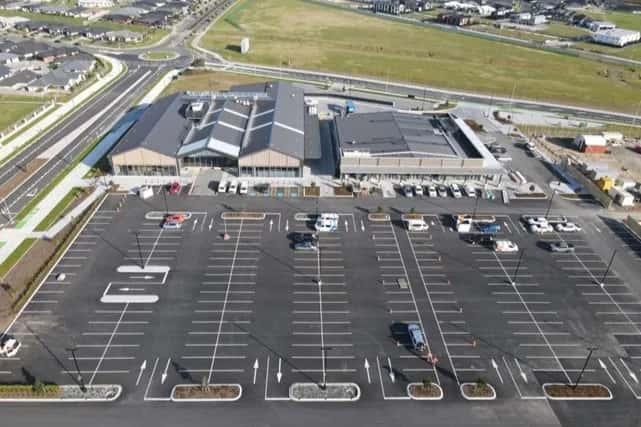
Pāpāmoa New World Supermarket
Bluehaven Group
Pāpāmoa, Bay of Plenty
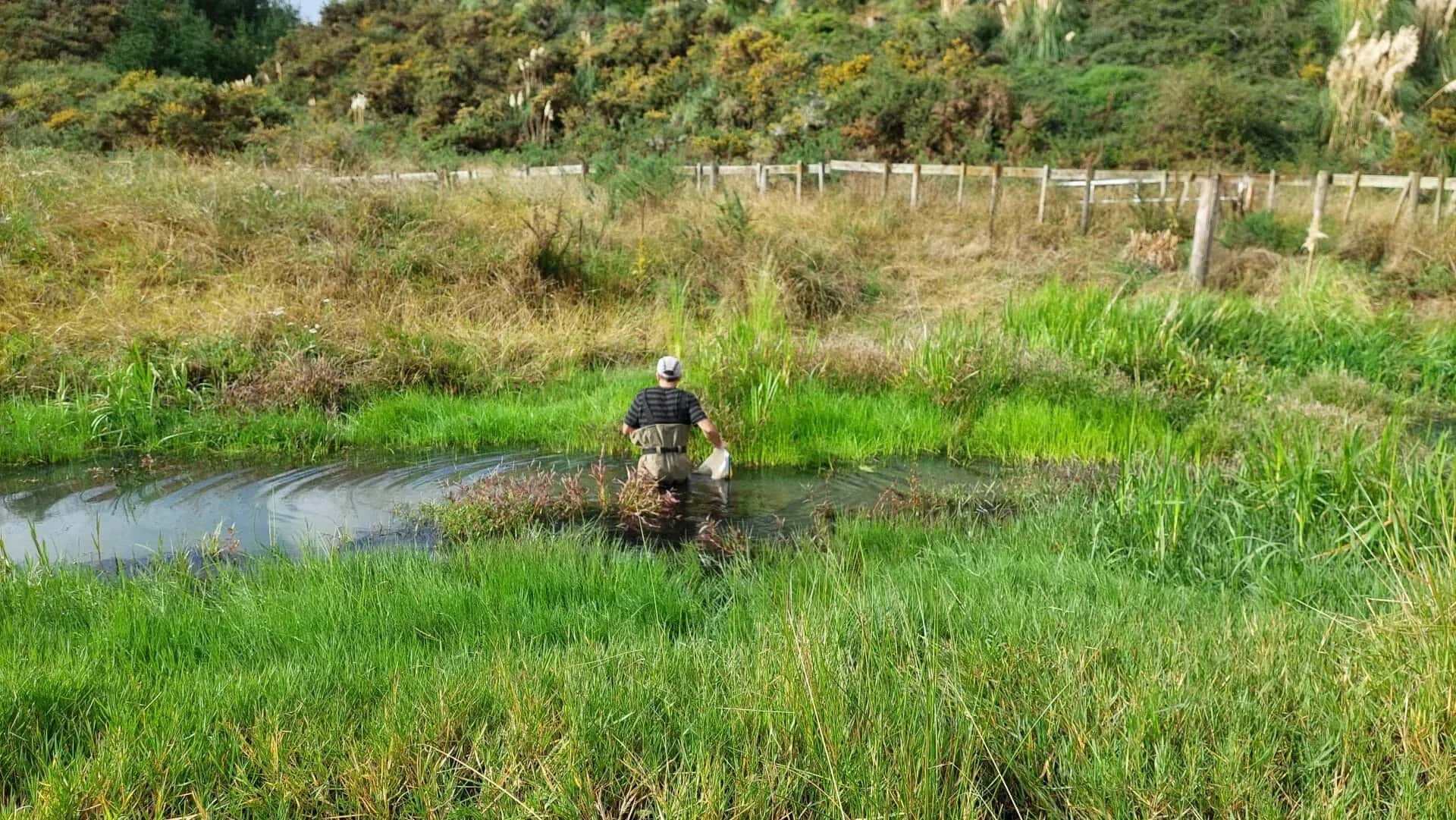
Freshwater Ecology for Waiū Dairy
Waiū Dairy Ltd
Kawerau, Bay of Plenty
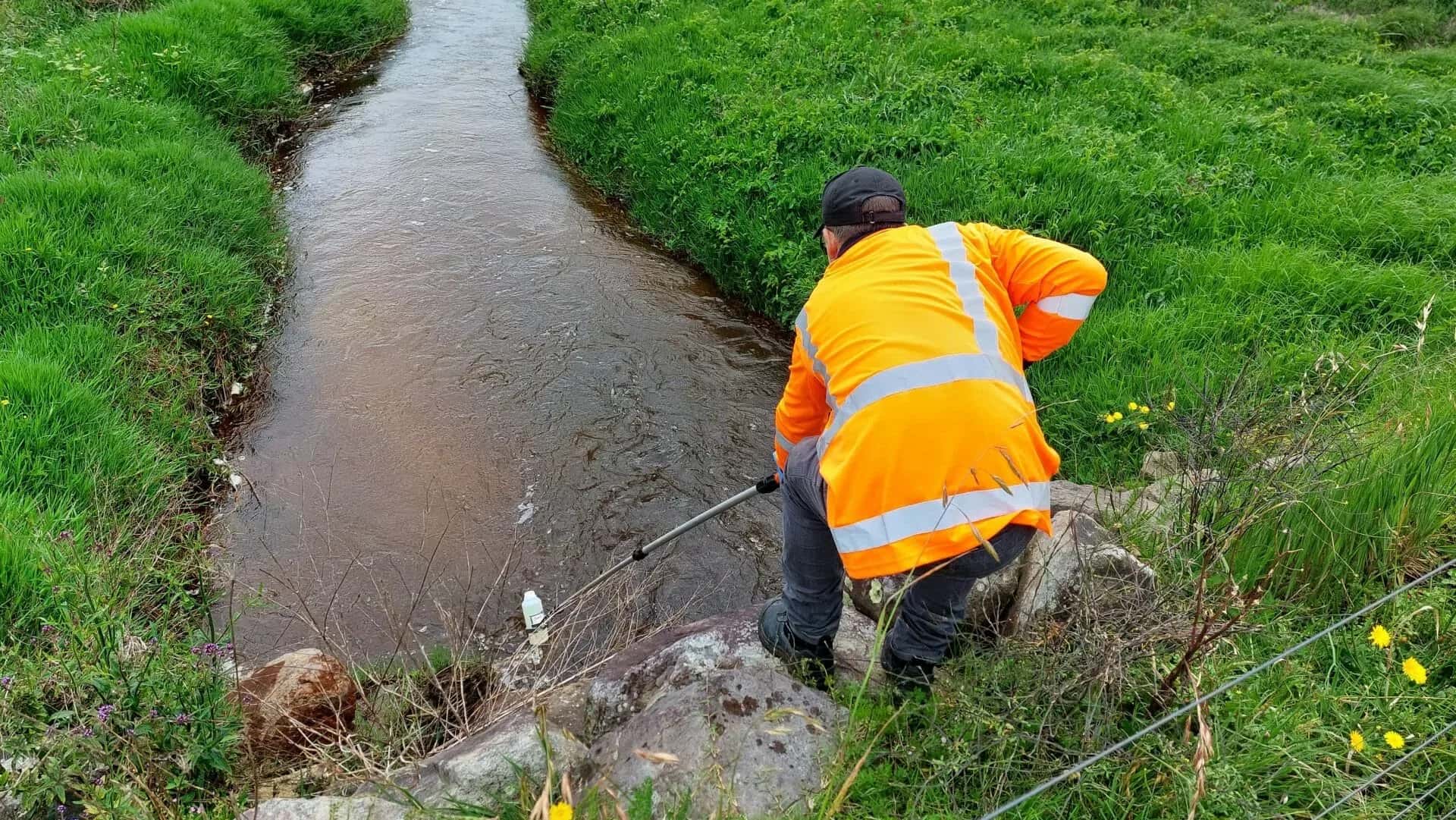
Environmental Compliance for Waiū Dairy
Waiū Dairy Ltd
Kawerau, Bay of Plenty