
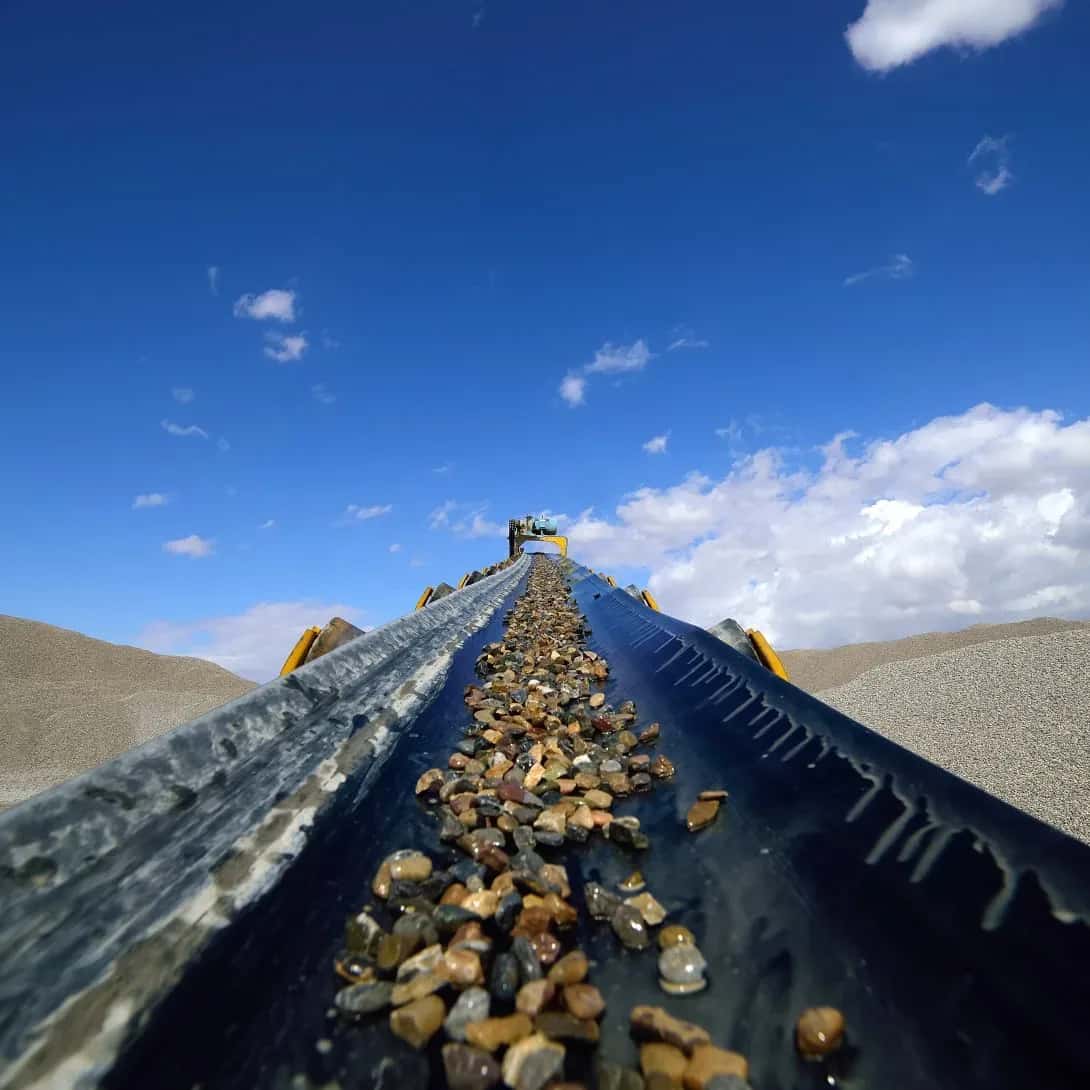
Quarry Engineering in Tauranga
Few places in New Zealand swallow aggregate as quickly as the western Bay of Plenty. Subdivisions march out across Pāpāmoa and Te Tumu, the Port of Tauranga keeps expanding its freight and logistics footprint, and commercial building never really pauses. All of that basecourse, sand and rock has to come from somewhere, and much of it is won from volcanic and pumice-derived deposits inland together with coastal sand resources nearer the harbour.
Reading those materials correctly is its own discipline: pumice aggregate is light and abrasive, the sands grade differently from one terrace to the next, and a pit that drains well in summer can flood in a wet Bay autumn. LDE brings quarry engineering to operators right across the subregion, scoping resources, designing benches and faces, laying out crushers and screens, and putting the water, dust and sediment controls in place that a harbour catchment demands. Our Chartered Professional Engineers carry that through Resource Management Act consenting as well, so a source moves from first drilling to a worked, compliant pit.
For Tauranga clients that is engineering tuned to a fast-urbanising coast, keeping supply ahead of the cranes while the harbour stays clean. Talk to our Tauranga team about your site.
Send a Message
Enquire about your Tauranga project
How our Tauranga team delivers quarry engineering
When a subregion grows this fast, the question is rarely whether there is rock in the ground and almost always whether you can win it quickly, cleanly and close to where the trucks are heading. We start by characterising the deposit, because volcanic and pumice-derived material behaves nothing like the harder rock further south and the coastal sands vary across short distances. From there we shape benches and faces that hold, then size crushing, screening and stockpiling so a yard can feed Pāpāmoa, Te Tumu and the port corridor without falling behind.
Pumice is light, free-draining and abrasive, which changes how plant wears and how product is graded, so we design the processing train around the actual material rather than a generic spec. Around the harbour, sand extraction and a high summer water table add their own constraints, and we work those in from the start so the operation runs through the wet months as well as the dry.
- Resource characterisation for volcanic, pumice-derived and coastal-sand deposits
- Bench and face design tuned to light, free-draining aggregate
- Crushing and screening layout sized for port-corridor and subdivision demand
- Stormwater, sediment and dust control within a working harbour catchment
Extraction consenting and compliance in the Bay of Plenty
In the Bay of Plenty, land disturbance, water takes, discharges to air and water, and dust are all controlled through regional plans administered by Bay of Plenty Regional Council Toi Moana under the Resource Management Act. We put together the effects assessments and the management plans a consent application rests on, and we build the operating controls so the site stays inside its conditions once it is running.
- Bay of Plenty Regional Council Toi Moana regional plans for land disturbance, water and discharges
- WorkSafe New Zealand duties for quarries and extractive operations
- Ministry for the Environment guidance on resource management and the environment
LDE quarry engineering in the Bay of Plenty
Across the western Bay, demand from housing, the Port of Tauranga and commercial construction keeps volcanic, pumice and coastal-sand sources busy, and LDE supports the operators behind that supply. Our involvement runs from first resource scoping and pit layout through processing, water and dust control, and the staged return of worked ground to other uses. It draws on the same depth we bring to the wider resources and extractives sector, and you can follow more of our regional delivery on the projects page.
Common questions about quarry engineering in the Bay of Plenty
Why does the western Bay get through so much aggregate?
Greenfield housing at Pāpāmoa and Te Tumu, the steady expansion of the Port of Tauranga and a busy commercial market all draw heavily on basecourse, sand and rock. Sourcing it nearby cuts cartage, which is why pinning down and working local deposits efficiently pays off here.
What is different about engineering a pumice-aggregate quarry?
Pumice and volcanic material is light, abrasive and free-draining, so it grades, crushes and wears plant differently from hard rock. We test the deposit early and tune the faces and the processing train to it, which keeps product on spec and avoids surprises once production ramps up.
Who carries out LDE’s Bay of Plenty quarry engineering?
Chartered Professional Engineers from our Bay of Plenty team, pairing process design with geotechnical depth and drawing on specialists across the wider LDE network.
How do you keep a Tauranga quarry from affecting the harbour?
Because so many sites sit in catchments that drain to Tauranga Harbour, we treat sediment and stormwater as a first-order design problem, not an afterthought. We size ponds and diversions to the regional plan, manage discharges through the wet season, and keep dust down with suppression and sensible layout, so the operation does not load silt or contaminants into the estuary.

Bay of Plenty
Recent projects in Bay of Plenty
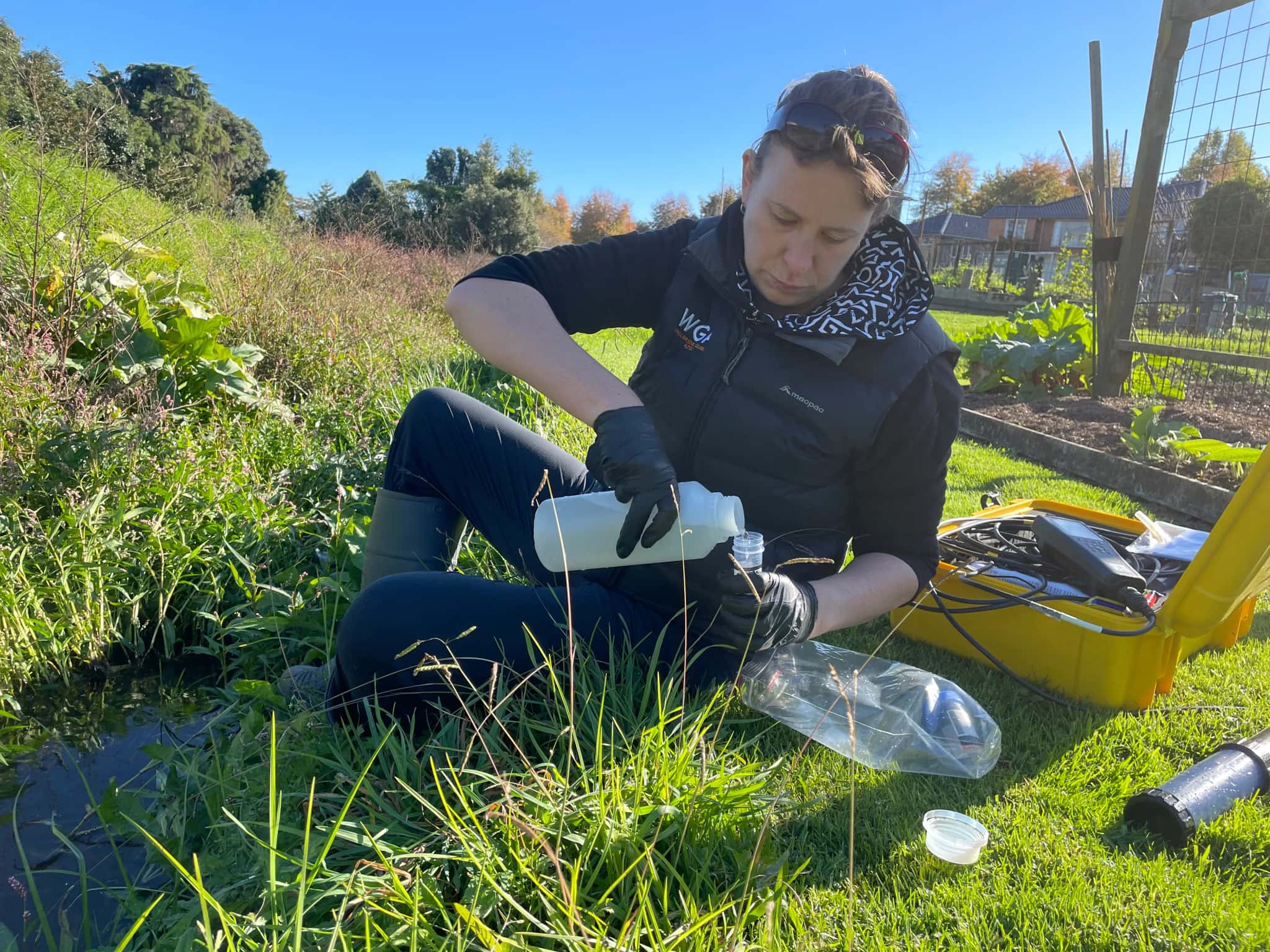
Ōmokaroa Geothermal Take and Discharge
Pillans Point Primary School, Tauranga
Tauranga
.webp&w=2048&q=60)
Pāpāmoa Retail Development
Bluehaven Group
Pāpāmoa, Bay of Plenty
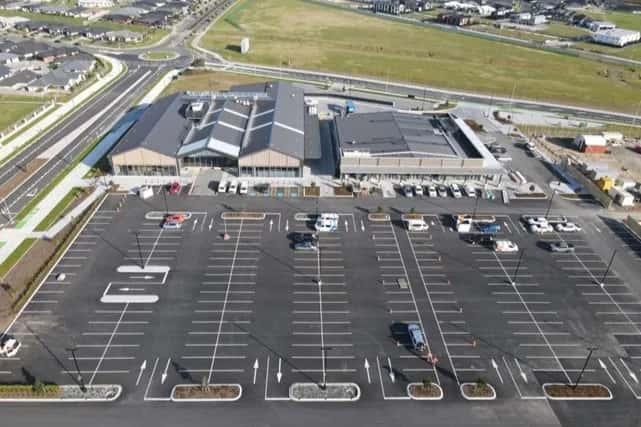
Pāpāmoa New World Supermarket
Bluehaven Group
Pāpāmoa, Bay of Plenty
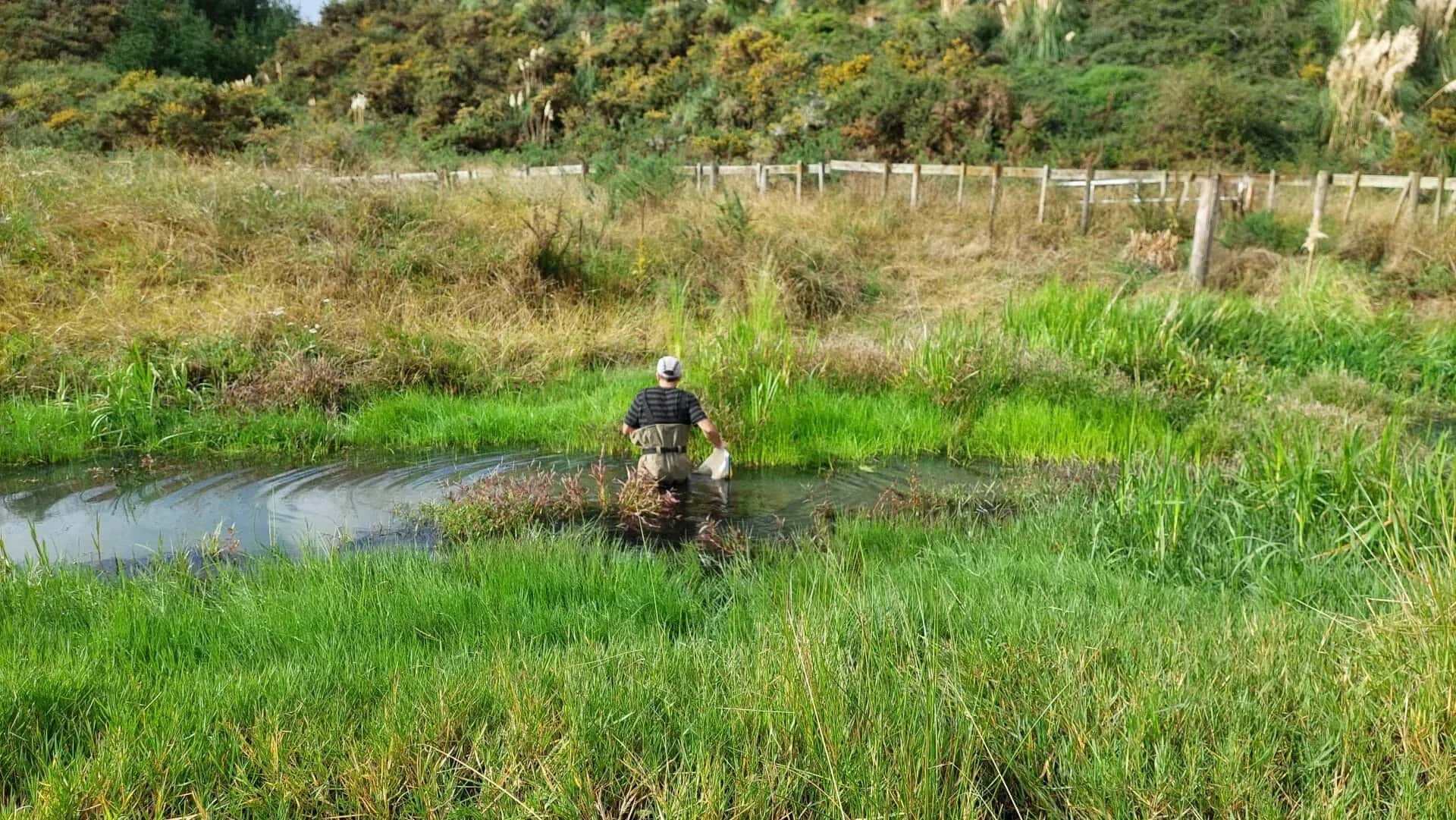
Freshwater Ecology for Waiū Dairy
Waiū Dairy Ltd
Kawerau, Bay of Plenty
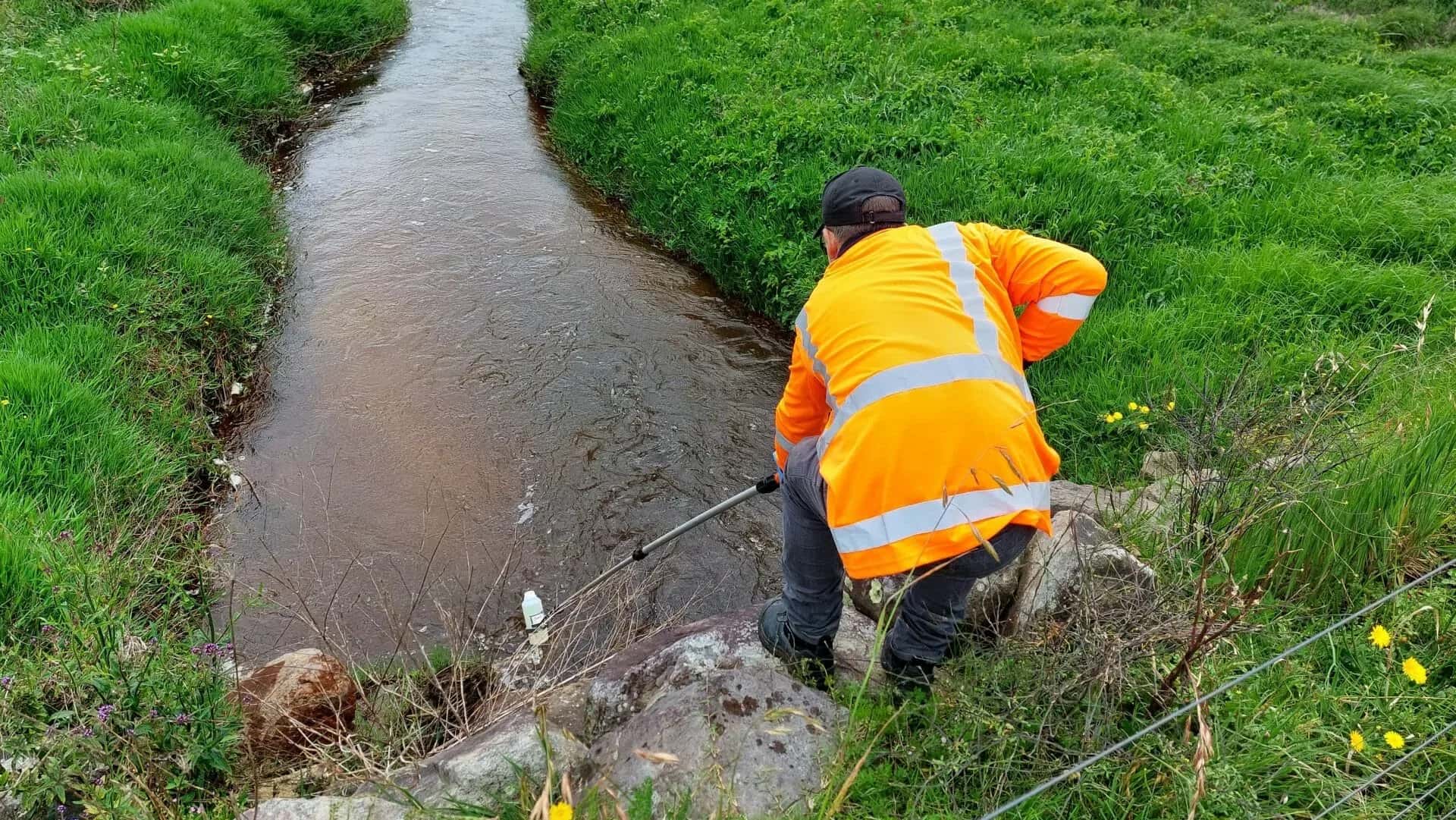
Environmental Compliance for Waiū Dairy
Waiū Dairy Ltd
Kawerau, Bay of Plenty