Coastal Engineering in Whangārei
Whangārei sits at the head of a long tidal harbour, and almost everything on its edge is a coastal engineering question. The harbour fringe is soft and estuarine, the open coast at the Heads and beyond is exposed to swell, and Northland’s storm record keeps erosion and surge firmly on the agenda.
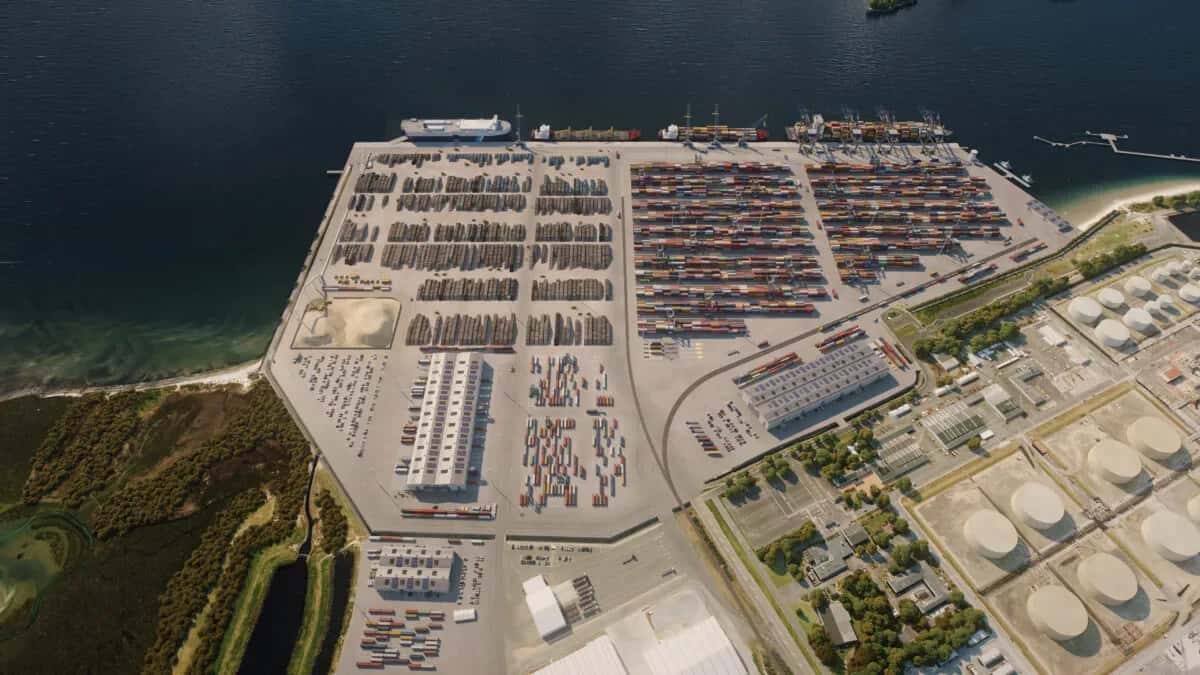
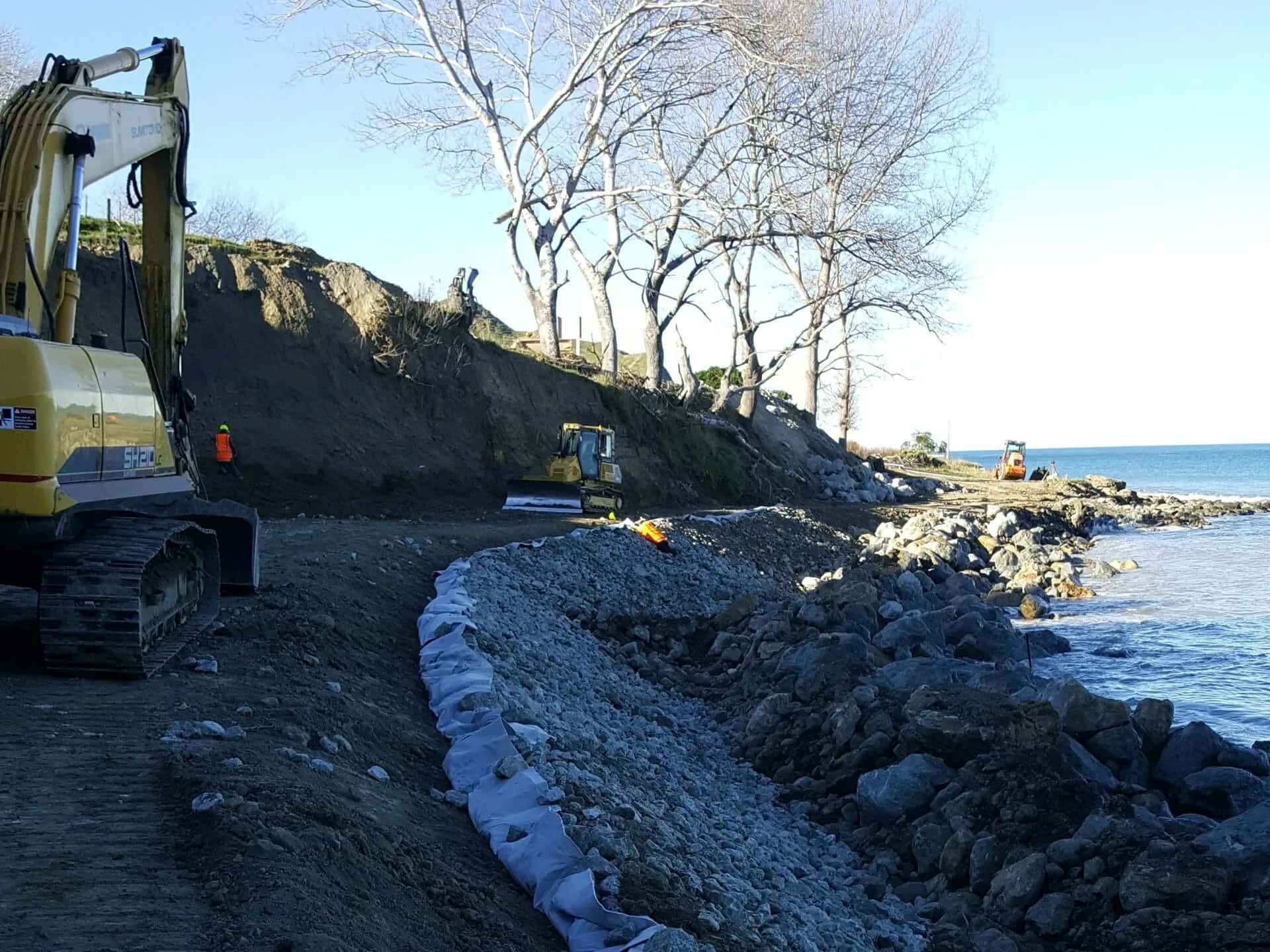
LDE’s Whangārei team brings coastal and marine engineering across all of it, with seawall and revetment design, coastal erosion and hazard assessment, and wharf, jetty and reclamation work for Northland’s largest city. As the port and the Marsden Point corridor keep growing, we support both new marine development and the repair of ageing foreshore structures.
For Whangārei clients, that means clear, buildable coastal advice grounded in how this harbour and coast really behave under tide, wave and storm.
Send a Message
Enquire about your Whangārei project
How our Whangārei team delivers coastal engineering
A soft, estuarine harbour fringe and an exposed open coast give Whangārei two very different coastal problems, and our team designs for both. We assess wave, tide and erosion exposure, then design seawalls, revetments and harbour structures that suit the foreshore ground and the energy hitting it. Around the port and industrial waterfront we also assess reclamation and foreshore fill, and provide the settlement advice that heavier coastal structures need on soft ground.
It is the same coastal and marine engineering capability behind our ports and marine work, supported by our water experience across Northland.
- Seawall and revetment design for soft harbour-edge and open-coast sites
- Coastal erosion and hazard assessment around the harbour and the Heads
- Wharf, jetty and foreshore-structure design and repair
- Reclamation and foreshore-fill assessment on soft estuarine ground
Coastal hazards and consenting in Northland
Coastal work around Whangārei is shaped by Northland Regional Council coastal plans and natural-hazard information, with consents through Whangārei District Council. We design to that framework and to national coastal policy and standards.
- Maritime New Zealand navigation safety and structures
- Ministry for the Environment coastal hazard and RMA guidance
- Natural Hazards Commission Toka Tū Ake coastal erosion and inundation research
LDE on the Northland coast
Our Northland marine experience includes the Pōuto Wharf design and build on the Kaipara Harbour, an exposed-water structure where wave loading and soft foreshore ground drove the design. You can explore more of our regional coastal and marine delivery on the projects page.
Common questions about coastal engineering in Northland
Why does Whangārei’s harbour edge need careful coastal design?
The harbour fringe is soft estuarine ground that settles under load and erodes in storms. Seawalls, revetments and harbour structures all need design matched to that ground and to the tide and wave conditions at the site.
Can LDE repair an existing seawall or wharf?
Yes. We assess the condition and remaining capacity of ageing foreshore structures, then design repairs or upgrades. Much of the Northland coast carries older walls and wharves that need this work as exposure and use change.
Who carries out LDE’s Northland coastal work?
Chartered Professional Engineers from our Whangārei team, backed by the wider LDE coastal and marine network.
How do you factor sea-level rise into coastal structures here?
We use national sea-level-rise guidance to set design water levels over the life of the structure, then check freeboard, crest height and erosion allowance against them. On Whangārei’s low-lying harbour edge this keeps a new wall or reclamation fit for purpose as conditions change, rather than just for today’s tides.
Northland