Transport Engineering in Whangārei
As Northland’s largest city, Whangārei carries the region’s busiest roads and its growing freight task. State Highway 1 runs through the district, the Marsden Point and Northport corridor keeps heavy vehicles moving, and steady residential and industrial growth puts pressure on intersections, accesses and town-centre streets. New development has to slot into this network without compromising safety or capacity, which is where good transport assessment and design earn their place.
LDE’s Whangārei team covers the full range: integrated transport assessments when new development is proposed, road safety audits, and the geometry of roads and intersections. We work for developers, councils and property owners, setting out what a project will do to traffic, designing accesses and layouts for drivers, pedestrians and cyclists, and preparing the assessments a consent needs. A town-centre street, a suburban growth area and a freight route each behave differently, so the design follows the road and the people using it.
With Northland’s storm exposure a constant test of road resilience, we bring practical local knowledge to keeping the network safe and moving. For Whangārei clients, that means clear transport advice grounded in how the city and district travel.
Send a Message
Enquire about your Whangārei project
How our Whangārei team delivers transport engineering
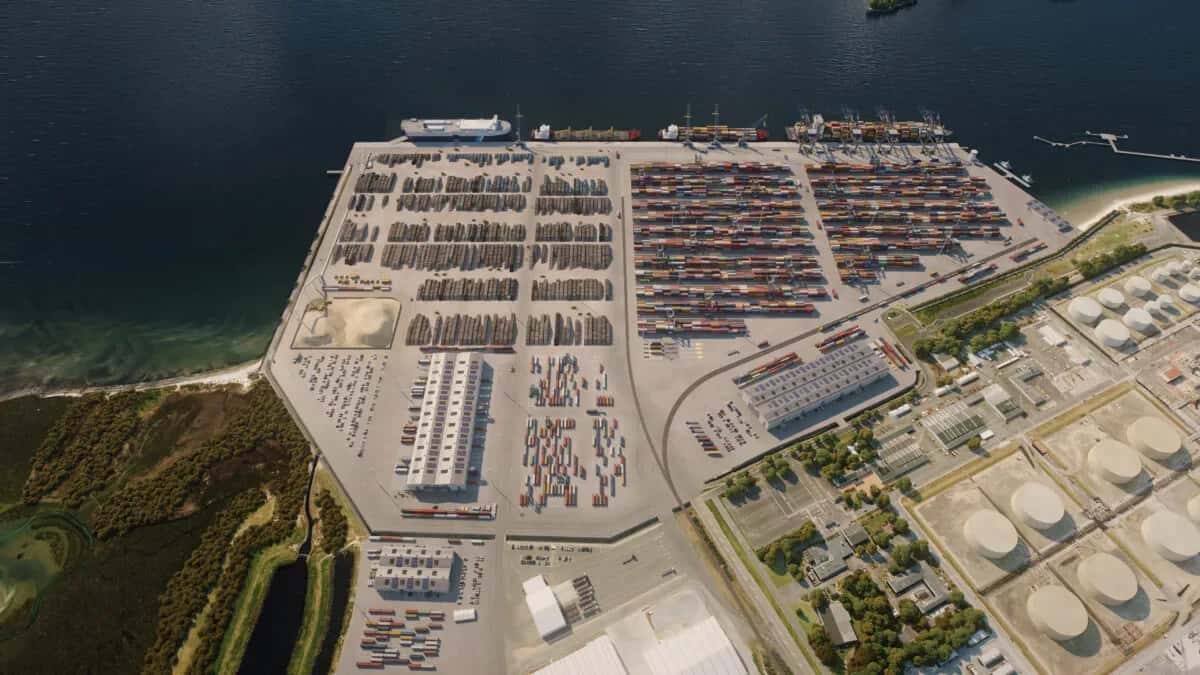
In Whangārei the work runs from busy town-centre streets and new residential areas to the freight routes that feed Northport. The work moves between integrated transport assessments, intersection and geometry design, and safety reviews of routes shared by cars, trucks, cyclists and pedestrians. Each time the job is to work out what a proposal does to traffic, then design an access and layout that copes with it.
It is the same transport engineering capability behind our urban development work across Northland, where parking, access and walking and cycling all have to be designed together.
- Integrated transport assessments for residential and commercial development
- Intersection and road geometry design for urban and freight routes
- Road safety audits across the district network
- Parking, access and active-mode design for new development
Traffic management, traffic impact assessments and road safety audits in Whangārei
A Whangārei project can need transport engineering at three stages: a traffic assessment for the resource consent, a plan for managing traffic during construction, and independent safety audits of the design and the finished road. To start, phone +64 9 974 8799 and ask for the transport team, or send an enquiry with the project location and a short description, and we will tell you which of the three the job needs.
- Traffic impact assessment. It shows what the finished development adds to the roads around it: the extra trips, how people will drive, walk and cycle into and out of the site, and whether the nearby roads can take them. Whangārei District Council usually wants a transport assessment with the resource consent when a subdivision, commercial building or change of use adds traffic or moves an access, and on sites near Northport and Marsden Point the heavy vehicle movements are counted too.
- Traffic management plans (TMPs) and traffic guidance schemes (TGSs). The TGS is the drawing of temporary signs, cones, tapers and lanes at a worksite, and the TMP is the document around it, recording how the site will run, who is responsible and under what conditions. Both must be ready before work starts beside live traffic, whether on a district council street or on State Highway 1. We prepare them, plan the staging where a road has to stay open, and review TMPs written by others.
- Road safety audit. An audit can be done at feasibility, at each design stage, before a new road or access opens, and on a road already in use. For a new access onto State Highway 1 or a change to a town-centre intersection, that means safety risks are checked while the design can still change.
Transport planning and consenting in Northland
Whangārei District Council controls the local roads, and NZ Transport Agency Waka Kotahi runs the state highway network, State Highway 1 included. Our assessments and designs follow the requirements of both, and the national guidance listed below.
- NZ Transport Agency Waka Kotahi geometric design and road safety guidance
- Standards New Zealand parking and access standards
- Engineering New Zealand chartered practice
LDE transport engineering in Northland
Across Northland our transport work supports land development, and the traffic and access design is done beside the civil and planning work on the same project. Whangārei’s residential and industrial growth, the freight task through the Marsden Point and Northport corridor, and ongoing storm-recovery work all shape the transport picture, and we bring road safety, geometry and assessment expertise to it. Our Northland projects are on the projects page, and the national transport page sets out the full capability.
Common questions about transport engineering in Northland
What is an integrated transport assessment and when do I need one?
It is a report that sets out how a development will affect the transport network, covering traffic generation, access, parking and safety. Whangārei District Council usually asks for one where a project adds meaningful traffic or changes access, and we scope it to the proposal.
What does a road safety audit involve?
It is an independent check of a proposed road or intersection, or of one already in use, that looks for safety risks before anyone is hurt. We audit designs at each stage and existing roads around the district, and each audit ends with recommendations the designer or road controller can act on.
Who carries out LDE’s transport work in Whangārei?
Chartered Professional Engineers from our Whangārei team, backed by the wider LDE transport network.
Can LDE design intersections and accesses for freight routes?
Yes. We design intersections, accesses and road geometry to suit the larger vehicles that use Northland’s freight routes, checking swept paths, sight lines and safety. Getting the geometry right for heavy vehicles as well as cars keeps a route around the port corridor both safe and efficient.
Northland