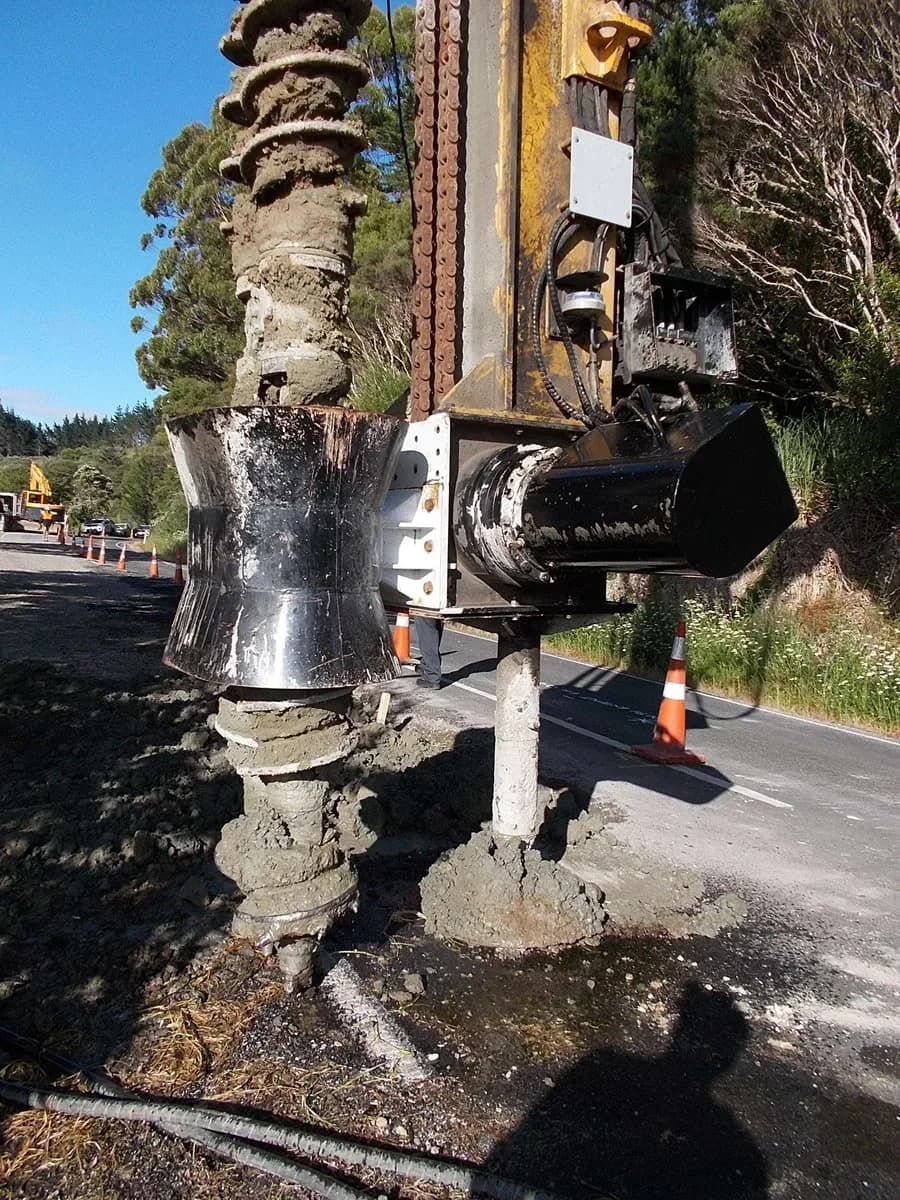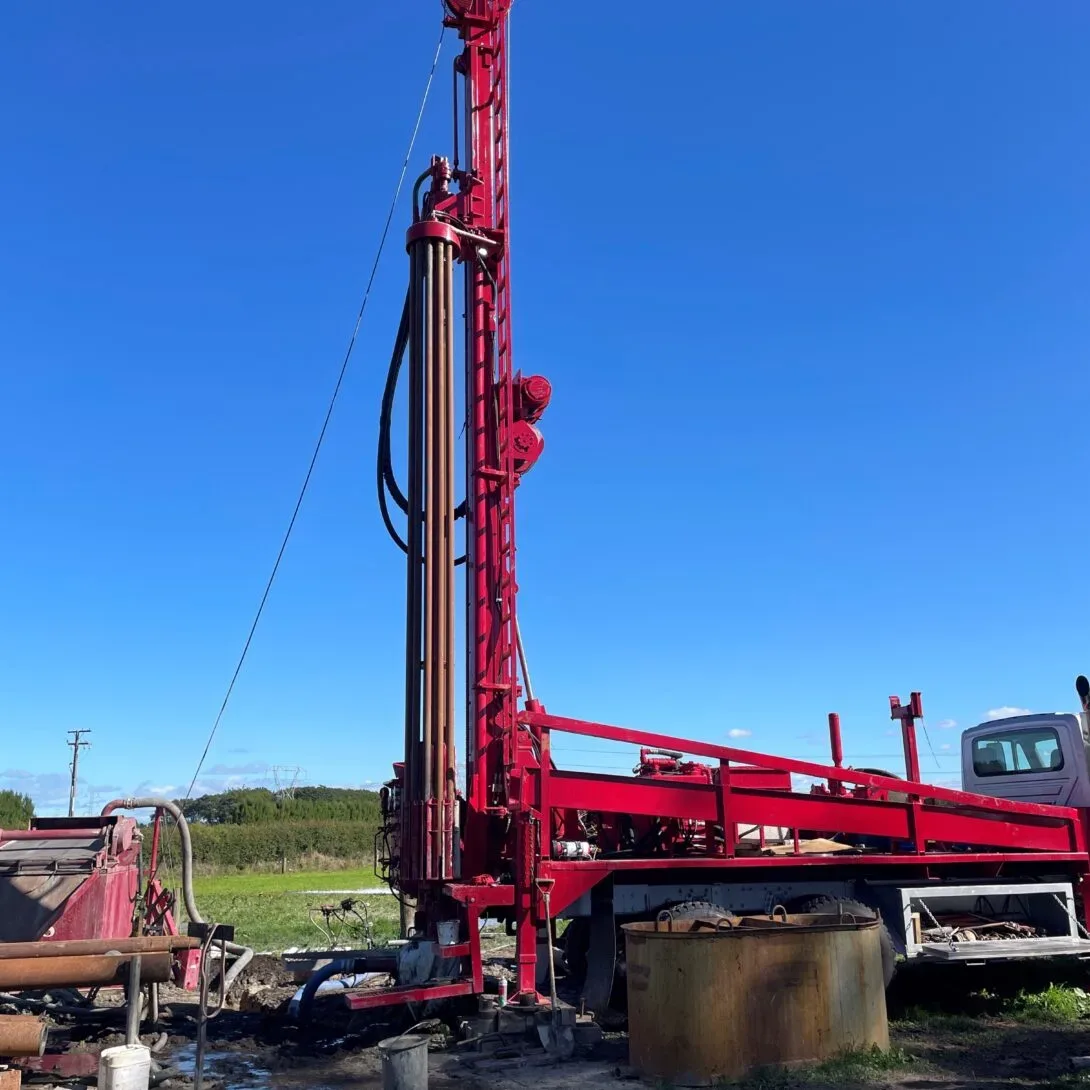
Groundwater Engineering in Kerikeri
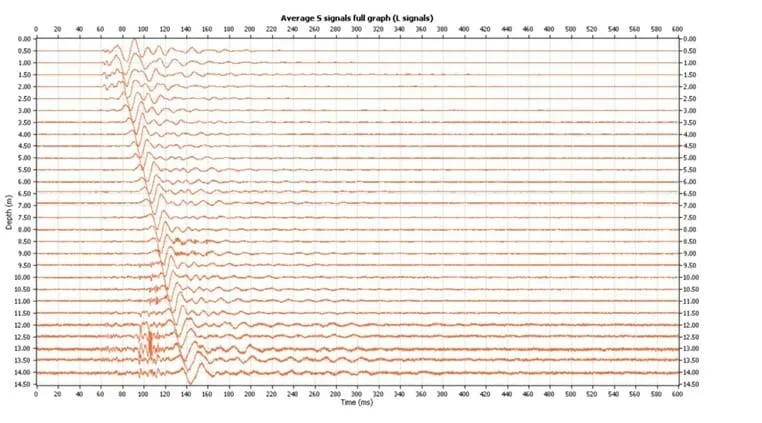
Groundwater is the working water supply for much of the Far North. Orchards, packhouses and rural communities around Kerikeri and the Bay of Islands draw on shallow aquifers, and the coastal setting means an over-pumped bore can pull saltwater inland and damage the resource for everyone around it. LDE provides groundwater engineering for this part of Northland, covering bore investigation, aquifer testing, water-take and abstraction assessment, and the monitoring that a take consent depends on.
We pump-test and analyse bores, estimate sustainable yield, assess the effect of a take on neighbouring users and on coastal aquifers, and prepare the technical case for a consent. We also design and manage groundwater monitoring so a horticultural or community take stays within its limits over time. Our work helps growers, developers and rural landowners secure a reliable, defensible water take in a district where demand keeps rising and coastal aquifers need careful handling.
For Kerikeri clients, that means practical groundwater advice matched to Far North conditions. Talk to our Kerikeri team about your next project.
How our Kerikeri team delivers groundwater engineering
Most Far North groundwater work starts with a bore and a question of yield. Growers and rural communities need to know how much a shallow aquifer can safely give, and how a new take sits alongside existing bores and the coast. Our team pump-tests bores, analyses the aquifer response, and estimates a sustainable take that holds up under scrutiny rather than guesswork.
We then build the technical case for the take, from abstraction effects to a monitoring regime. This sits within our wider groundwater engineering capability and our work in the resources sector, where a secure water supply underpins Far North horticulture and growth.
- Bore investigation and pumping tests on shallow Far North aquifers
- Sustainable-yield and water-take assessment for orchards and rural supply
- Saltwater-intrusion risk assessment for coastal bores
- Groundwater monitoring and reporting to support take consents
Groundwater takes and consenting in the Far North
Taking groundwater above a permitted threshold needs a resource consent from Northland Regional Council, which manages aquifer allocation and sets the conditions a take must meet. We prepare the supporting assessment and monitoring so an application is well founded, and we design to recognised national guidance from the start.
- Ministry for the Environment guidance on freshwater allocation and groundwater management
- Water New Zealand good-practice guidance for bores and groundwater
LDE groundwater engineering in the Far North
LDE delivers groundwater engineering across the Far North, from bore testing and water-take assessment for orchards and rural supply to the monitoring that keeps a take within its limits. As horticulture and lifestyle growth around Kerikeri and the Bay of Islands push demand higher, much of our work is about securing reliable abstraction while protecting shallow coastal aquifers from over-allocation and saltwater intrusion. You can see more of our regional water delivery on the projects page.
Common questions about groundwater in the Far North
Do I need a consent to take groundwater near Kerikeri?
Beyond a small permitted volume for stock or domestic use, taking groundwater needs a resource consent from Northland Regional Council. We assess the aquifer and the proposed take, and prepare the technical case the council needs to grant it.
How do you work out how much an aquifer can give?
We run a pumping test on the bore, measure how the aquifer and nearby bores respond, and use that to estimate a sustainable yield. This shows what the bore can reliably deliver without drawing the aquifer down too far or affecting neighbours.
Who carries out LDE’s groundwater work in Kerikeri?
Chartered Professional Engineers from our team, supported by LDE water specialists across Northland and beyond.
How do you protect a coastal bore from going salty?
On coastal Far North aquifers, over-pumping can draw saltwater in and spoil the bore. We assess that risk, set a take and a pumping regime that keeps it in check, and monitor water quality so the problem is caught early. This protects both your supply and the shared aquifer around it.
Northland