
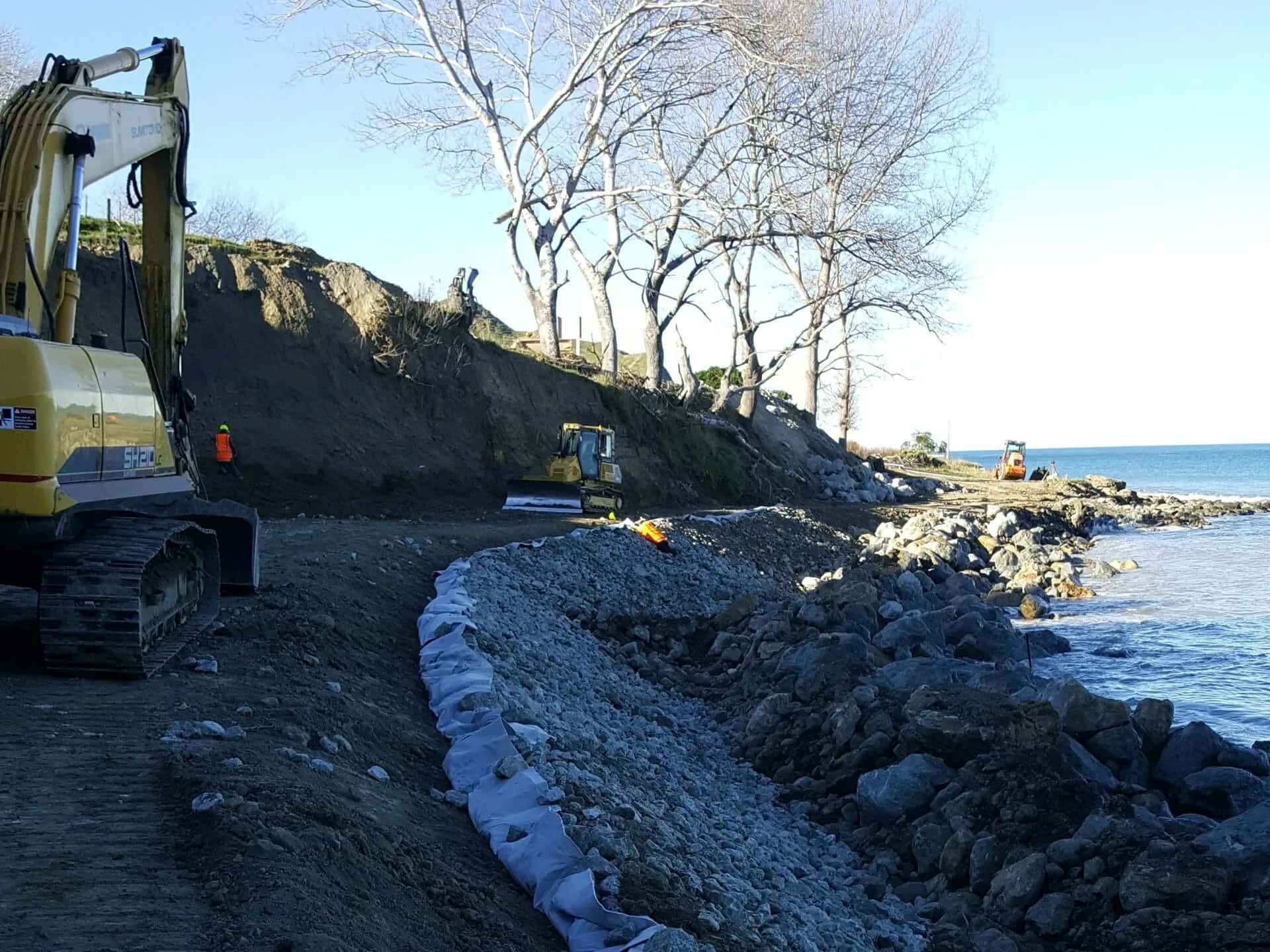
Coastal Engineering in Napier
Napier’s coast is unusual and demanding in equal measure. The 1931 earthquake lifted the Ahuriri shoreline and reshaped the harbour, the Marine Parade frontage is a mixed-sand-and-gravel beach that the sea constantly rearranges, and the low-lying flats around Ahuriri and the port carry real coastal-inundation and surge risk.
Hawke’s Bay has put significant work into understanding this coastline’s hazards, and engineering has to keep pace. LDE’s Napier team brings coastal and marine engineering to this setting, with seawall and revetment design, coastal erosion and hazard assessment, foreshore and port-related structures, and sea-level-rise and surge resilience for low coastal land.
For Napier and the wider Hawke’s Bay, that means coastal advice grounded in the real behaviour of a gravel coast and a low-lying, uplifted shoreline.
Send a Message
Enquire about your Napier project
How our Napier team delivers coastal engineering
Napier’s mixed-sand-and-gravel beach and low, uplifted shoreline make coastal erosion and inundation the defining issues. Our Napier team assesses how the gravel coast moves under swell and storm, then designs seawalls, revetments and foreshore protection that work with that dynamic frontage. On the low flats around Ahuriri and the port we factor surge and sea-level rise into hazard assessment and the design of coastal land and structures.
It is the same coastal and marine engineering capability that supports our ports and marine work, alongside the water and flood-protection experience this low coast relies on.
- Coastal erosion assessment on the Marine Parade gravel beach
- Seawall and revetment design for a dynamic mixed-sediment frontage
- Coastal hazard and inundation assessment around Ahuriri and the port
- Storm-surge and sea-level-rise resilience for low-lying coastal land
Coastal hazards and consenting in Hawke’s Bay
Coastal work around Napier is shaped by Hawke's Bay Regional Council coastal hazard information and Napier City Council consent requirements. We align assessment and design with that framework and national coastal policy.
- Ministry for the Environment coastal hazard and RMA guidance
- Natural Hazards Commission Toka Tū Ake coastal erosion and inundation research
- Maritime New Zealand navigation and port structures
LDE on the Hawke’s Bay coast
We bring coastal and marine engineering to the Hawke’s Bay coast, from erosion protection on the Marine Parade gravel beach to coastal hazard assessment on the low Ahuriri flats. You can see more of our regional delivery on the projects page, and read about our ports and marine capability across the country.
Common questions about coastal engineering in Hawke’s Bay
Why is the Marine Parade beach a coastal engineering challenge?
Marine Parade is a mixed-sand-and-gravel beach that the sea constantly reshapes, drawing material down the coast in storms. Protecting the frontage means working with that movement rather than assuming a stable shoreline.
What coastal hazards affect the low land around Ahuriri?
The reclaimed and low-lying flats around Ahuriri and the port are exposed to coastal inundation and storm surge, made sharper by sea-level rise. We assess that hazard and design land and structures to manage it.
Who carries out LDE’s Napier coastal work?
Chartered Professional Engineers from our team, backed by the wider LDE coastal and marine network across New Zealand.
How does sea-level rise change the picture for Napier’s coast?
A rising sea raises design water levels and increases both erosion on the gravel beach and inundation on the low flats. We use national guidance to set those levels over a structure’s life and advise on protection, crest heights and setbacks so coastal work stays fit for purpose as conditions change.


Hawke's Bay
Recent projects in Hawke's Bay
.webp&w=2048&q=60)
Mix'd Cocktail Bar Alterations
Simkin Construction Ltd
Napier
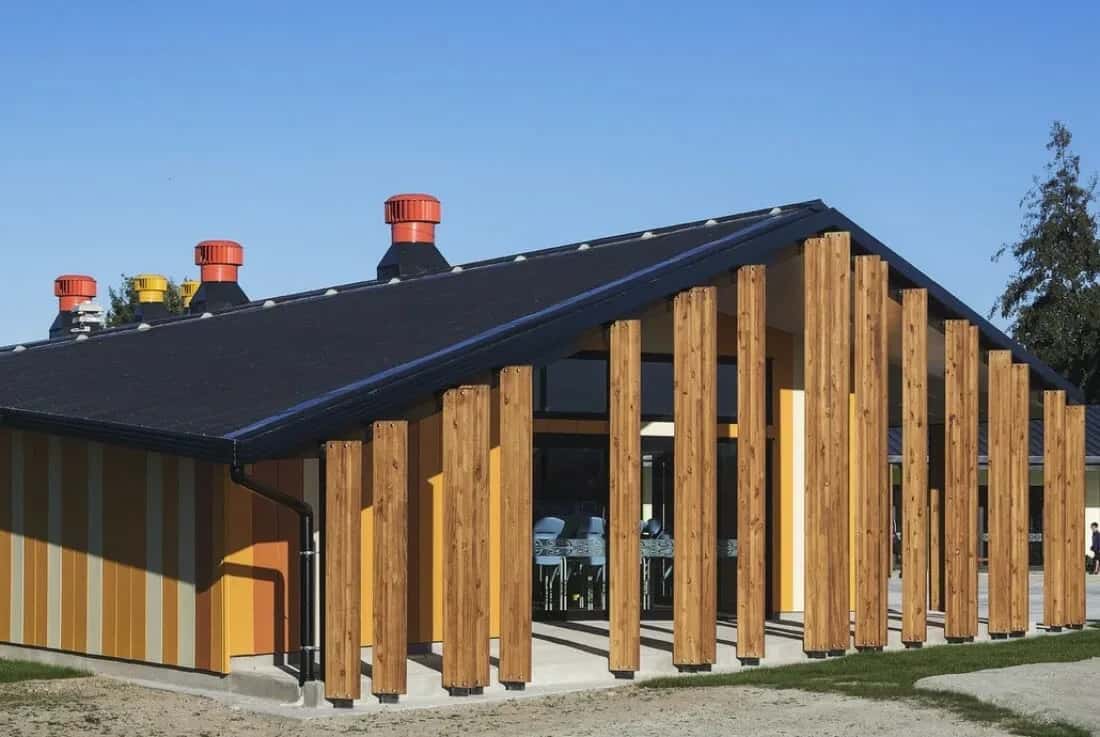
TKKM o Ngati Kahungunu School
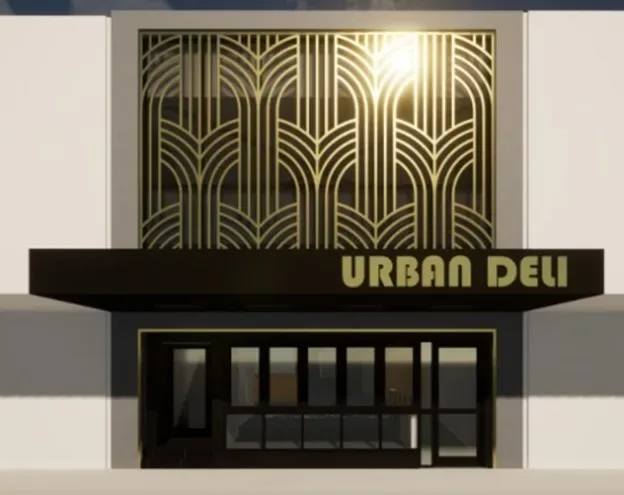
Napier Heritage Building Seismic Strengthening and Restoration
Napier
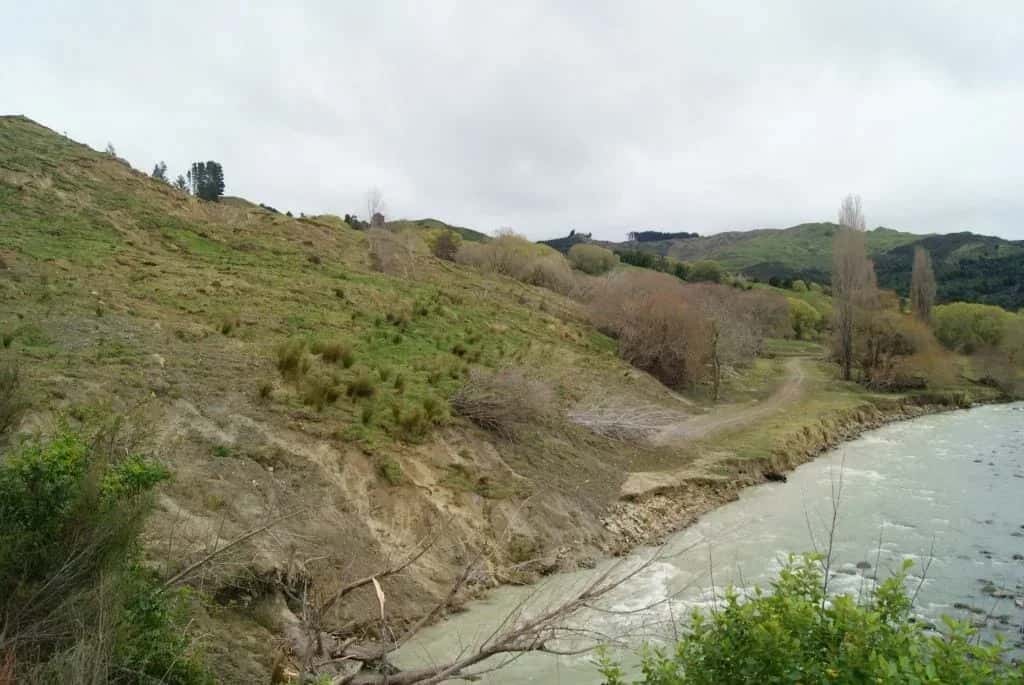
Nuhaka River Road Landslide
Nuhaka
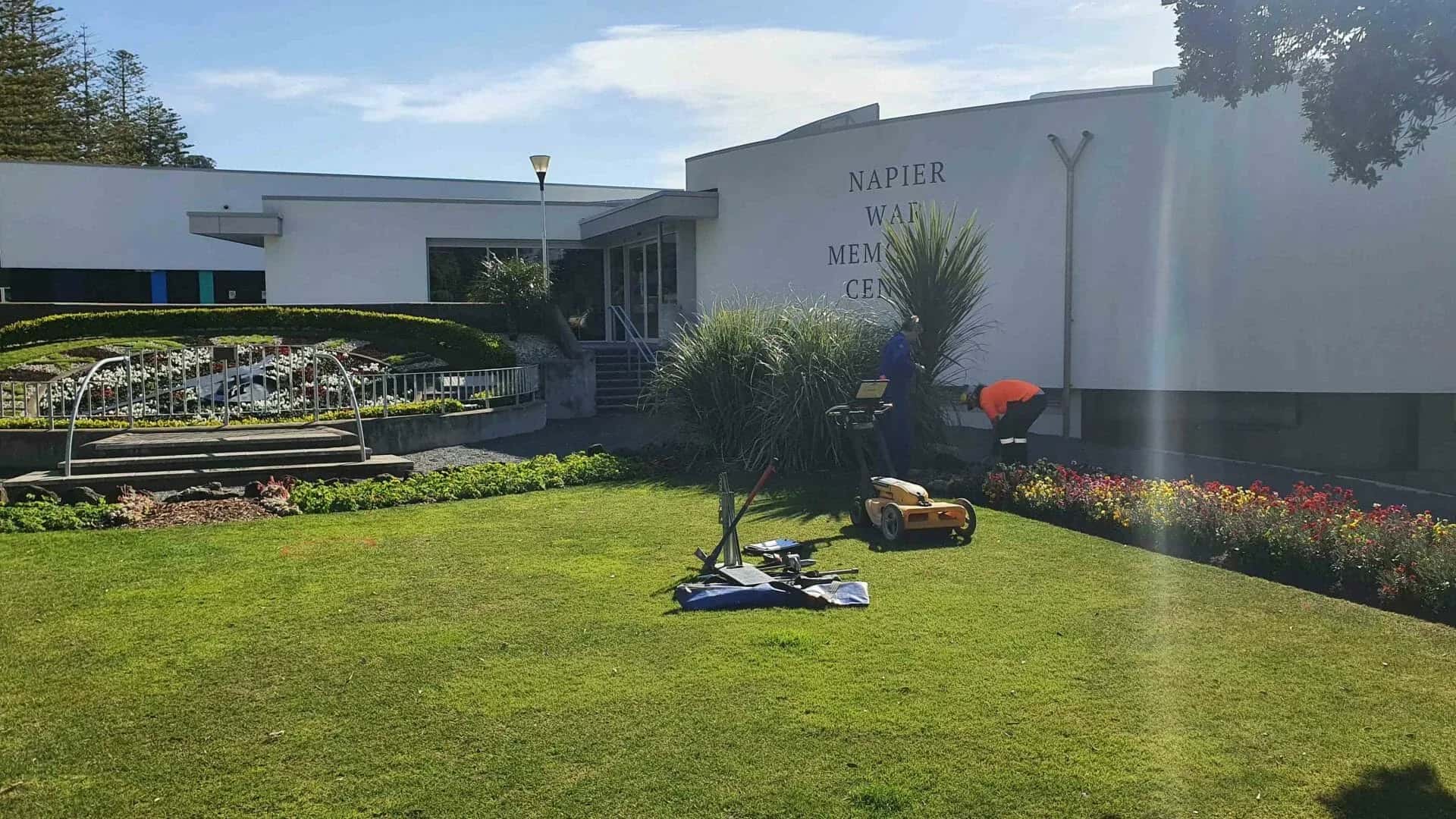
Napier War Memorial Restoration
Napier City Council c/- Designgroup Stapleton Elliot
Marine Parade, Napier
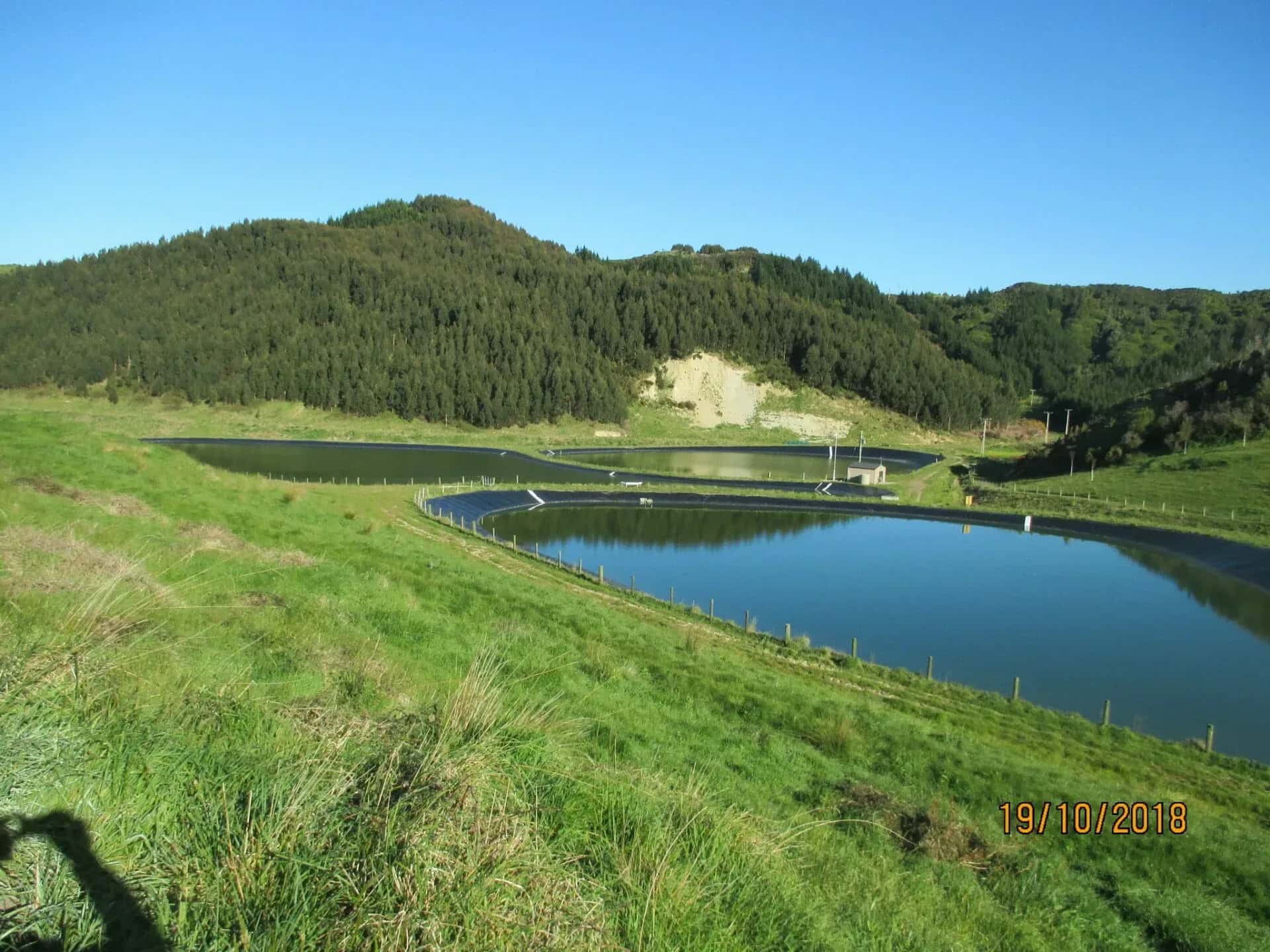
Mahia Wastewater Treatment Ponds
Mahia