Geotechnical Engineering in Whanganui
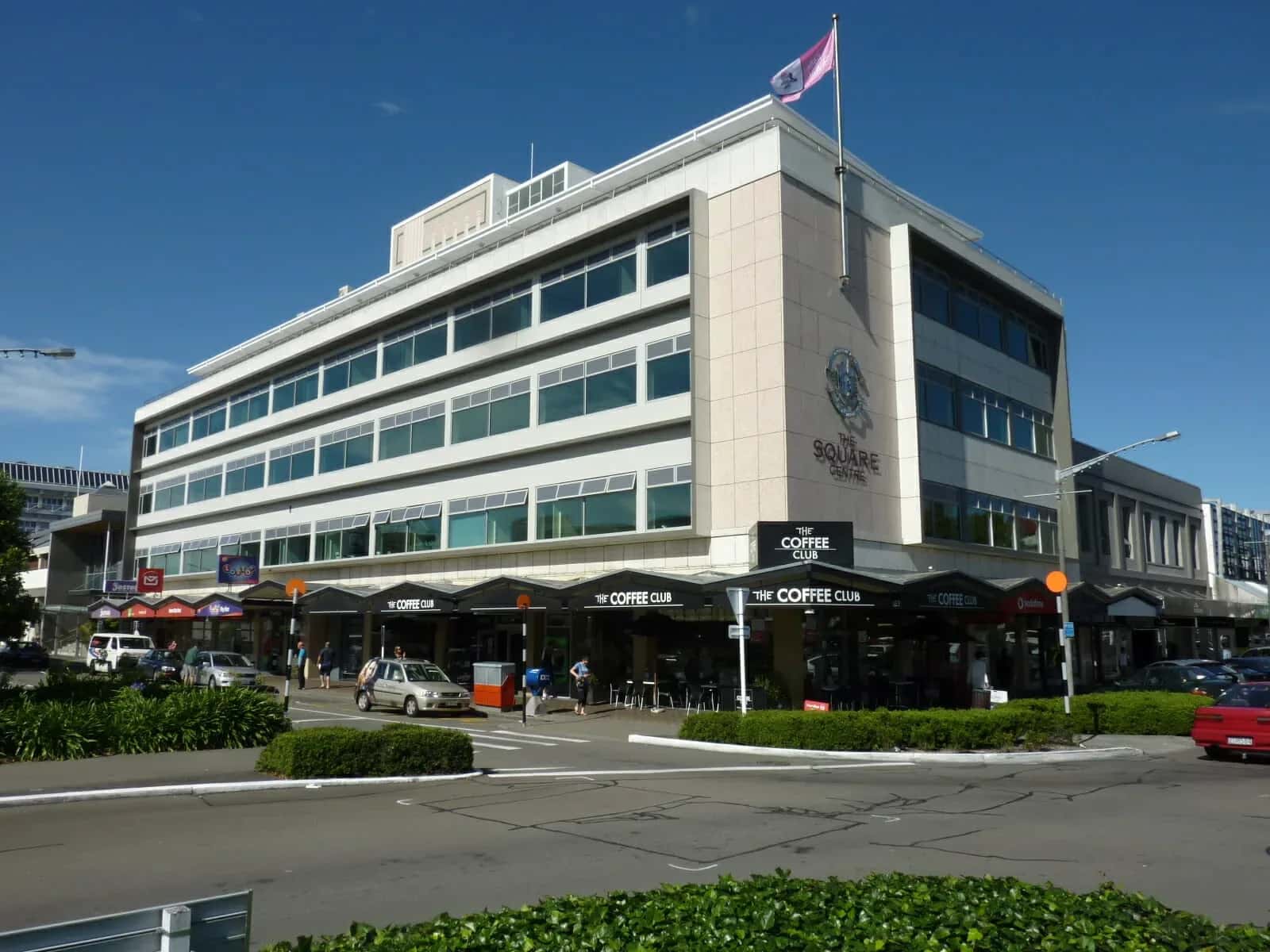
Whanganui’s river terraces, papa hill suburbs and heritage buildings each bring their own geotechnical challenges. Soft alluvial soils line the Whanganui River, the papa hill country is prone to slope instability, and the city’s older unreinforced-masonry buildings need seismic assessment and strengthening.
LDE’s team works across all three, combining geotechnical, civil and structural expertise for the Whanganui and Manawatū area. We investigate ground conditions, design slope stabilisation and foundations, and provide the seismic and ground advice that supports both new development and the strengthening of existing structures.
With flood risk on low-lying land and instability in the hills, local knowledge counts. For Whanganui clients, that means geotechnical engineering grounded in the realities of river-terrace soils, hill-country slopes and a seismically active region.
Send a Message
Enquire about your Whanganui project
How our Whanganui team delivers geotechnical engineering
Soft river-terrace soils, papa hill slopes and seismic exposure define geotechnical work in Whanganui. Our team investigates the ground, designs slope stabilisation and foundations, and supports the seismic assessment and strengthening that the city’s older buildings often need. We also advise on flood-prone low-lying sites, and design retaining structures where hillside homes meet unstable papa country.
It is the same geotechnical engineering capability behind our buildings and water work across the Whanganui and Manawatū area.
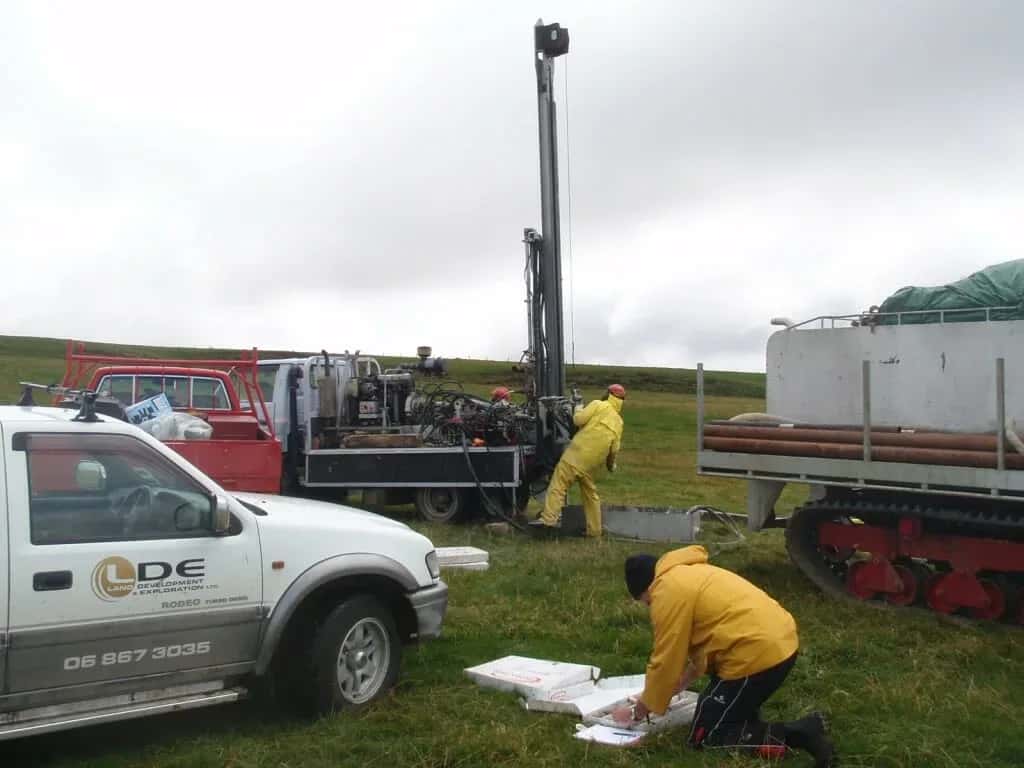
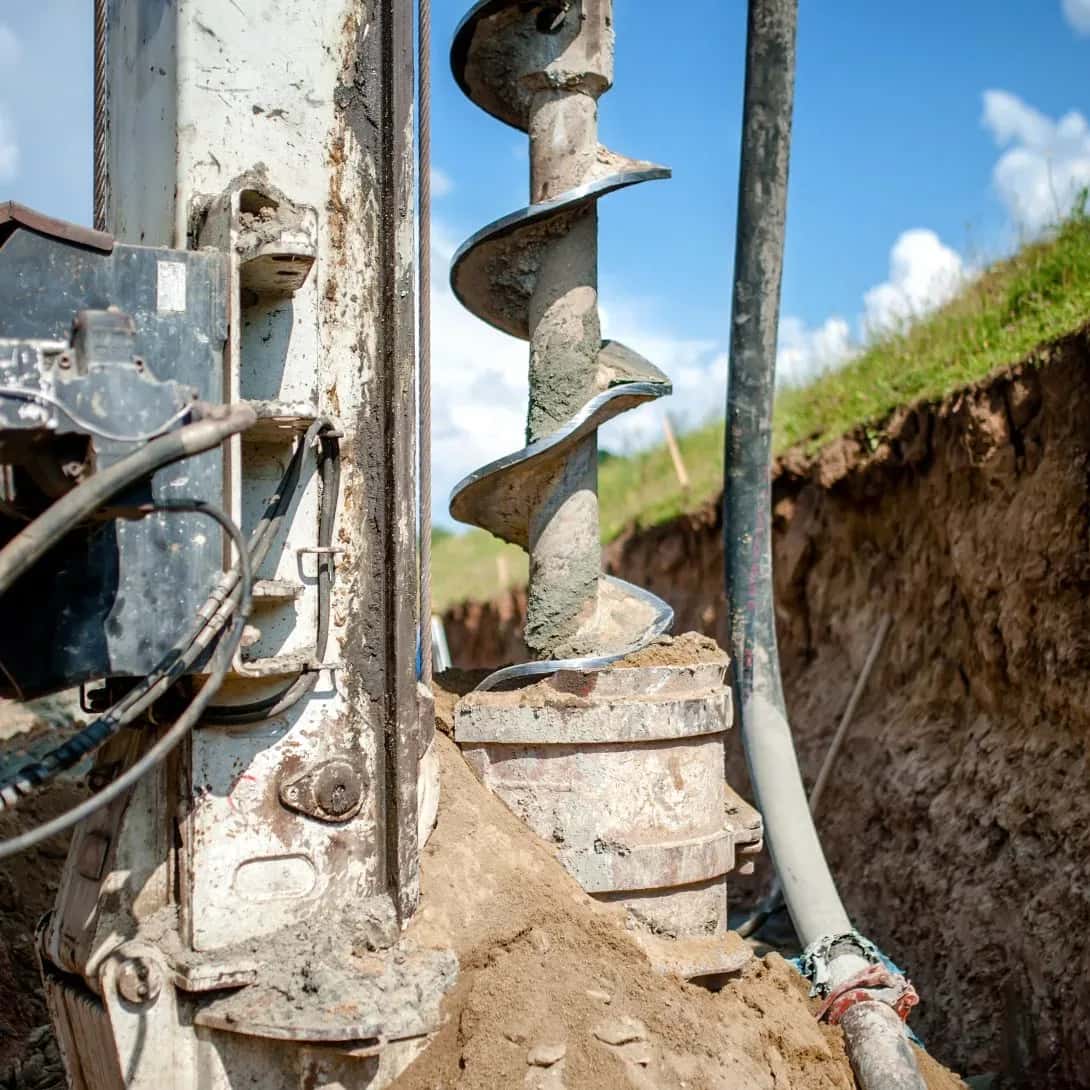
- Site investigation on soft river-terrace and alluvial soils
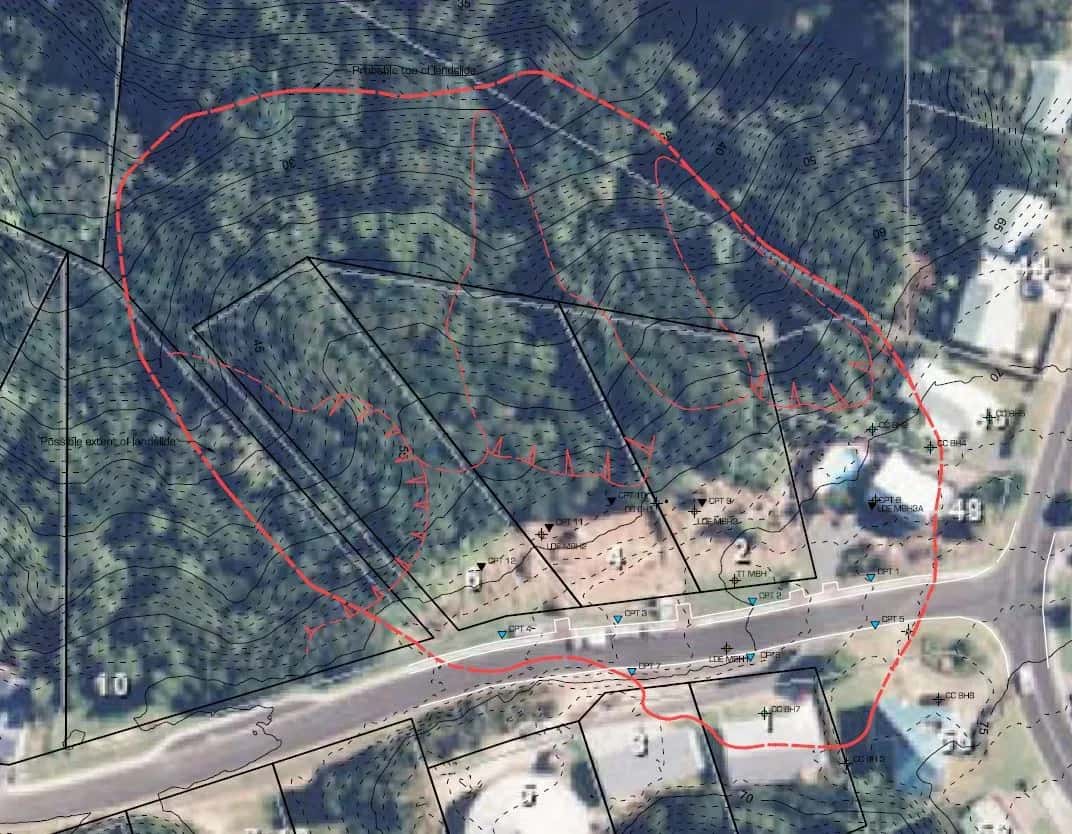
- Slope stability and stabilisation in papa hill suburbs
- Foundation advice for new builds and existing structures
- Ground input to seismic assessment and strengthening
Ground conditions and consenting in the Whanganui and Manawatū area
Development here is shaped by Horizons Regional Council regional plans and natural-hazard information, with consents through Whanganui District Council. We align investigation and design with that framework and recognised national guidance.
- MBIE geotechnical guidance (Building Code B1)
- New Zealand Geotechnical Society practice guidance
- Natural Hazards Commission Toka Tū Ake seismic and flood research
Seismic surveying and wireline geophysics in Manawatū-Whanganui
The river terraces and papa hill country around Whanganui and the Manawatū change over short distances, which is exactly the condition that punishes an investigation planned on boreholes alone. Seismic surveying covers the ground between them.
- Seismic refraction and MASW for shear-wave velocity profiles and site subsoil class
- Wireline logging of boreholes to calibrate the survey against logged strata
- Depth to rockhead and weathering profile across a site rather than at points
- Electrical resistivity imaging where groundwater or fill is the question
- Ground penetrating radar and EM service location before any intrusive work
Results are surveyed to real coordinates and interpreted by the same engineers who write the geotechnical report, so the survey answers a design question instead of arriving as a standalone dataset.
Seismic surveying and wireline work in the Manawatū and Whanganui is delivered by the same team. Full method detail (seismic refraction, MASW, downhole logging, resistivity and radar) is on our geophysics page.
Recent geotechnical work in the region
Our local work includes seismic strengthening and restoration in Whanganui, a detailed seismic assessment of a local building, and seismic strengthening at Palmerston North.
Common questions about geotechnical engineering in the Whanganui and Manawatū area
What ground conditions define Whanganui projects?
Soft river-terrace soils, papa hill slopes and flood-prone low-lying land each need their own geotechnical approach, so site-specific investigation matters here.
Does LDE help with seismic strengthening in Whanganui?
Yes. We provide the geotechnical input that supports seismic assessment and strengthening of the city’s older and heritage buildings, working alongside our structural team.
Who leads LDE’s Whanganui and Manawatū geotechnical work?
Chartered Professional Engineers from our team, supported by LDE specialists nationally.
Can LDE assess older Whanganui buildings for earthquake risk?
Yes. We provide the geotechnical input for seismic assessments of existing buildings, including the ground and foundation behaviour that feeds a detailed seismic assessment. Working with our structural engineers, we help owners of Whanganui’s older and heritage buildings understand their risk and plan any strengthening.

Whanganui / Manawatū