Groundwater Engineering in Whanganui
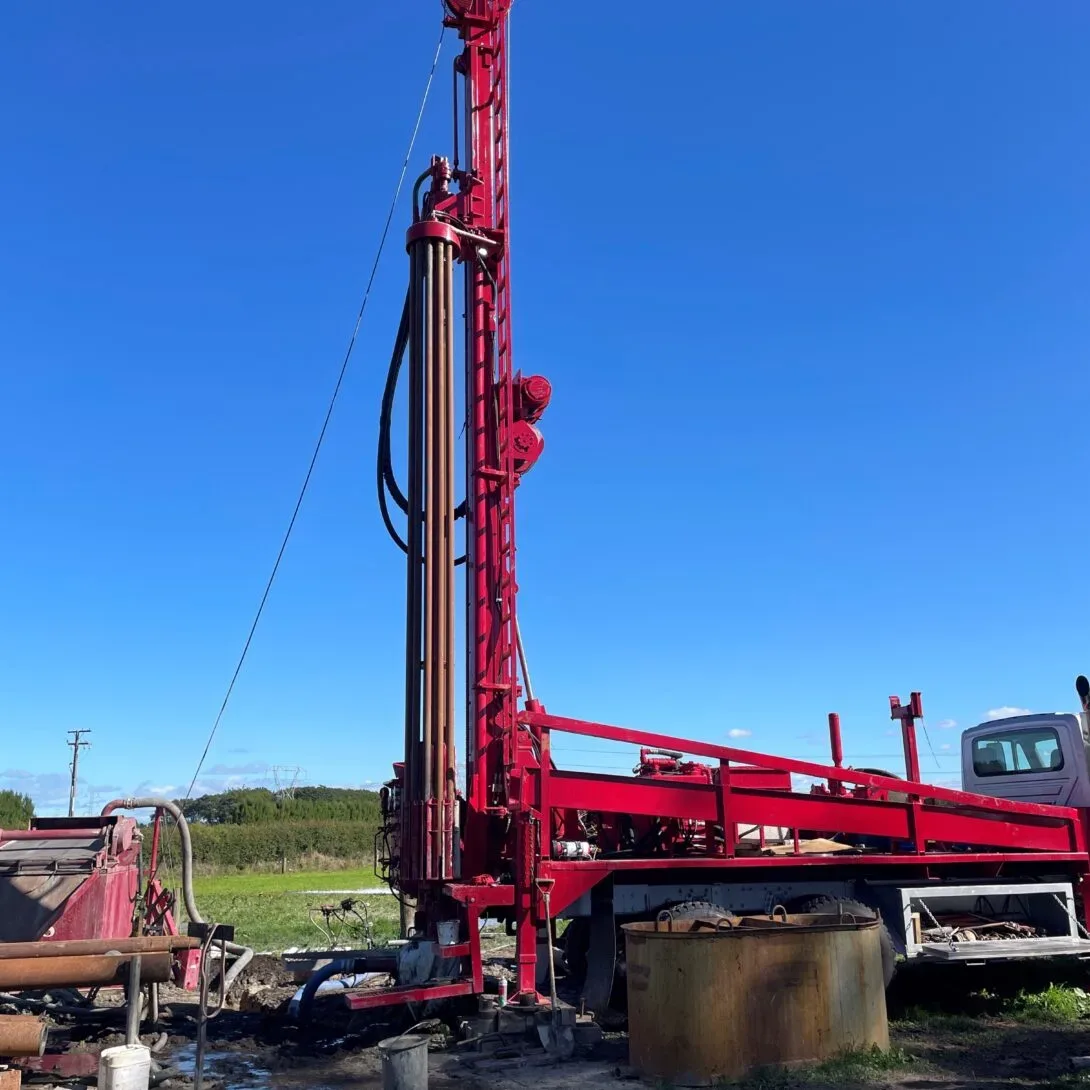
Out across the Whanganui and Manawatū river terraces, a bore is how many farms and orchards get their water. The alluvial flats along the Whanganui River and through Manawatū hold aquifers that landowners lean on for irrigation and stock supply, and because those aquifers are often in close contact with the rivers, a bore that takes too much can pull on the river itself. LDE brings the engineering side of that picture together for the region.
We measure what a bore can sustainably give through pumping tests and analysis, work out whether a proposed take is fair on neighbours and on connected surface flows, and turn the numbers into a take application the regional council can grant. Where building work on low-lying flats runs into shallow groundwater, we also design the dewatering to keep the excavation dry. Allocation and stream depletion are watched closely here, so reliable testing and ongoing monitoring carry real weight in any take we support.
The result for farmers, growers and developers is a groundwater take that is both dependable and defensible. Talk to our Whanganui team about your next project.
How our Whanganui team delivers groundwater engineering
Groundwater in the Whanganui and Manawatū area is mostly about rural supply. Farms and growers on the river terraces and alluvial flats draw on aquifers that need testing and a take assessment, and because those aquifers are often connected to the rivers, the effect of a take on surface flows matters. Our team pump-tests bores, estimates sustainable yield, and weighs how a take sits alongside other users and the river systems.
Where development reaches the shallow water table on low-lying land we also design dewatering. This sits within our wider groundwater engineering capability and our work in the resources sector, where farms and growers across the region rely on a secure take.
- Bore investigation and pumping tests on river-terrace and alluvial aquifers
- Water-take and sustainable-yield assessment for farms and growers
- Construction dewatering where development reaches groundwater
- Groundwater monitoring and reporting to support take consents
Groundwater takes and consenting in the Whanganui and Manawatū area
Taking groundwater for irrigation or supply, or dewatering an excavation, above the permitted limits needs a resource consent from Horizons Regional Council, which manages aquifer allocation and the effects of abstraction on connected rivers. We prepare the assessment and monitoring an application needs, and design to recognised national guidance.
- Ministry for the Environment guidance on freshwater allocation and groundwater management
- Water New Zealand good-practice guidance for bores and groundwater
LDE groundwater engineering in the region
LDE delivers groundwater engineering across the Whanganui and Manawatū area, from bore testing and water-take assessment for farms and growers on the river terraces to dewatering and monitoring for development that reaches groundwater. With aquifers linked to the river systems and managed for allocation, much of our work is about securing reliable rural takes and keeping them within sustainable limits. You can see more of our regional water delivery on the projects page.
Common questions about groundwater in the Whanganui and Manawatū area
Do I need a consent to take groundwater here?
Beyond a small permitted volume for stock or domestic use, taking groundwater for irrigation or supply needs a resource consent from Horizons Regional Council. We test the bore, estimate a sustainable take, and prepare the technical case the council needs.
How does a bore take affect the nearby rivers?
River-terrace aquifers are often connected to the rivers, so pumping a bore can reduce surface flows as well as draw down neighbouring bores. We assess that connection with a pumping test and analysis, and set a take and monitoring regime that keeps the effects within acceptable limits.
Who leads LDE’s groundwater work in Whanganui and Manawatū?
Chartered Professional Engineers from our team, supported by LDE water specialists nationally.
Can groundwater affect construction on low-lying land?
It can. On the low-lying river flats the water table is shallow, so basements, services and deeper earthworks can fill with groundwater. We estimate the inflow and design dewatering to keep the works dry and on programme, and manage the discharge to suit the consent.
Whanganui / Manawatū