Maritime Engineering in Whangārei
Whangārei sits at the head of a deep working harbour, and marine infrastructure runs the length of it. Commercial wharves and the deepwater berths at Marsden Point and Northport handle real freight, the town basin and marina serve a large recreational fleet, and jetties, pontoons and ramps line the harbour edge. Keeping all of that safe and serviceable takes maritime engineering matched to soft estuarine ground, genuine vessel loads and a tidal harbour.
LDE brings wharf, jetty and berth design to Northland’s largest city, with pile and berthing-structure work, pontoon and ramp design, mooring and navigation-aid support, and the condition inspections that ageing harbour structures rely on. We support both new marine development around the port corridor and the renewal of older wharves and jetties. Our Chartered Professional Engineers pair local knowledge with the wider LDE network, so Whangārei clients get durable, buildable marine structures grounded in how this harbour actually works.
Talk to our Whangārei team about your next maritime project.
How our Whangārei team delivers maritime engineering
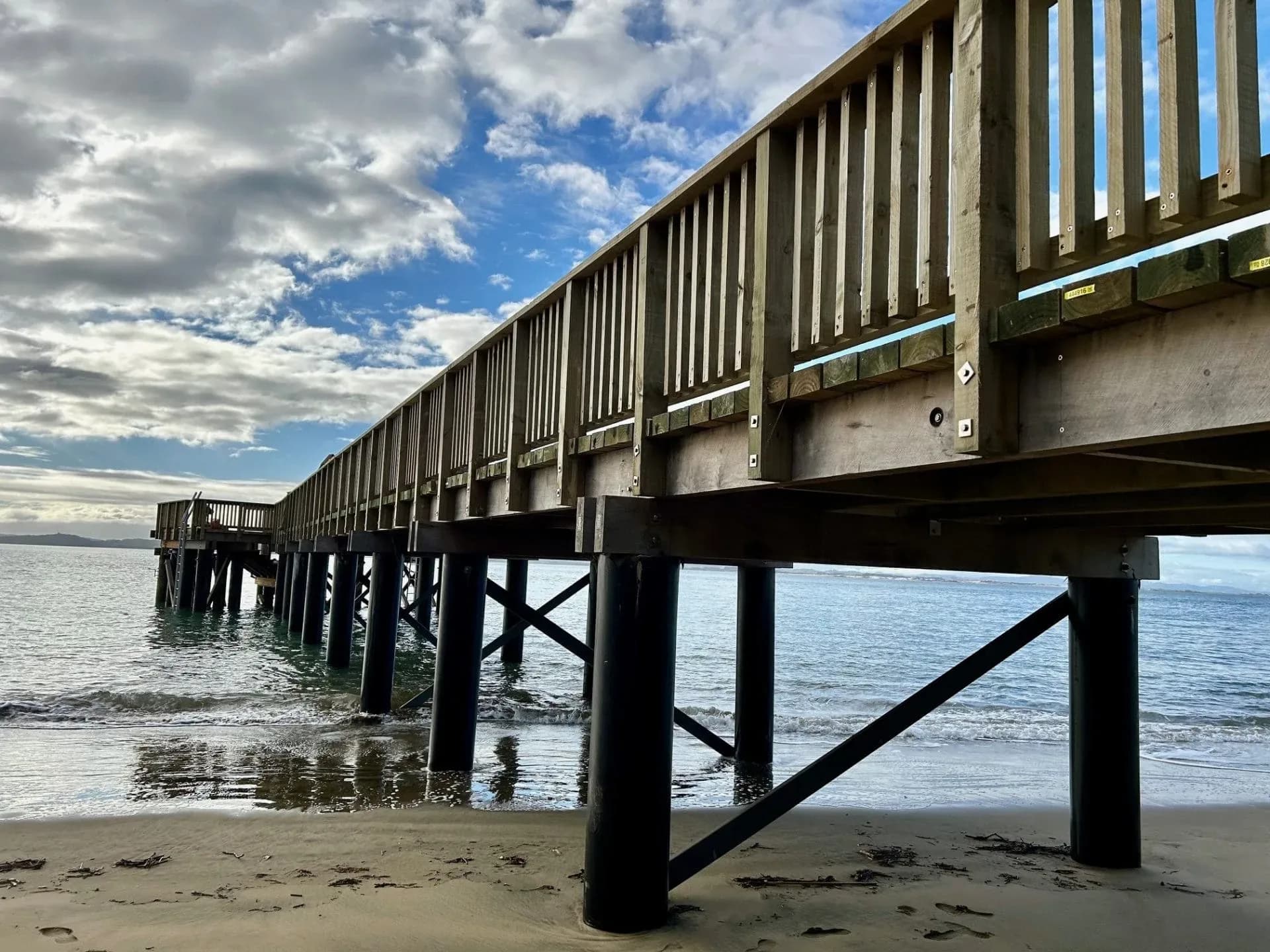
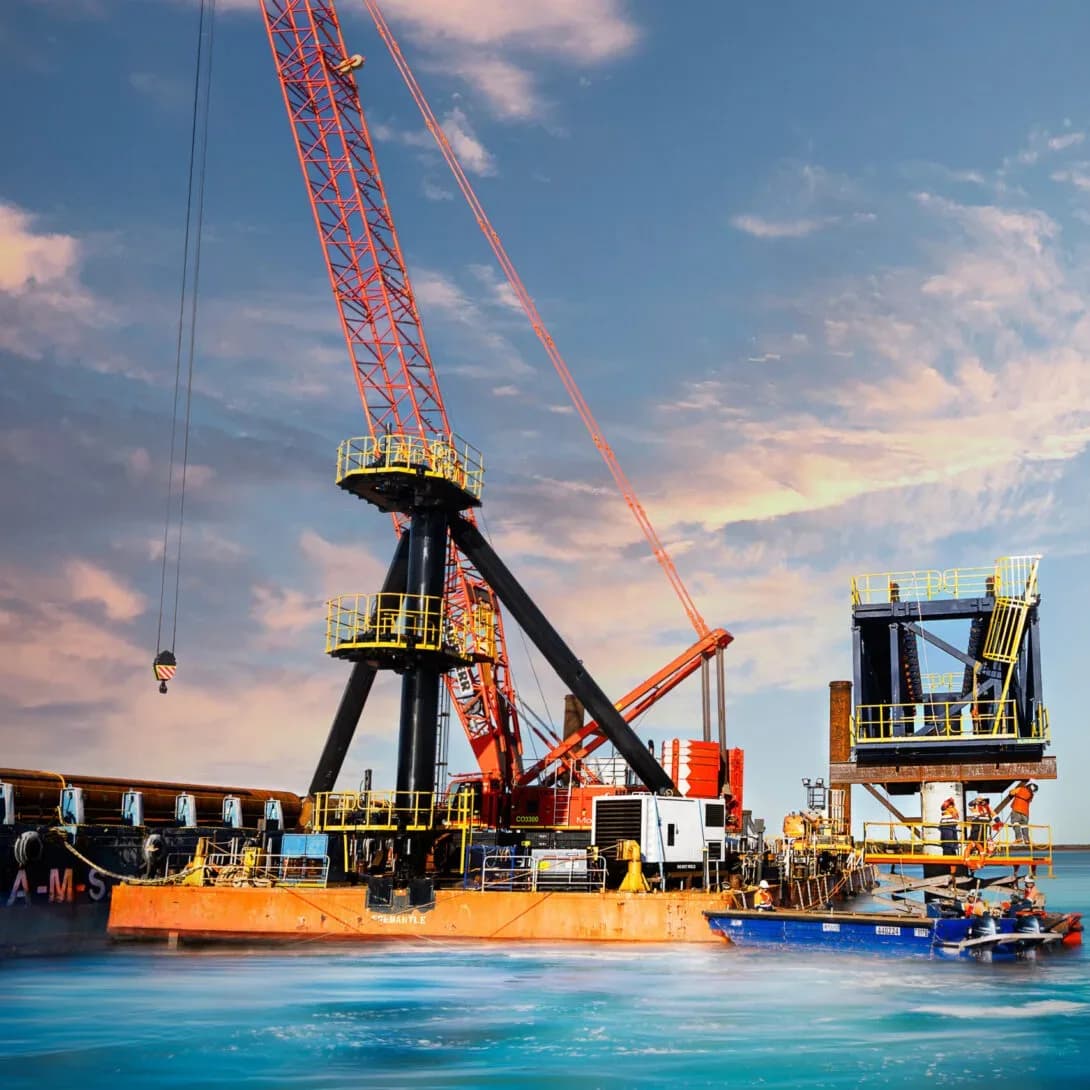
Whangārei Harbour carries everything from deepwater commercial berths to recreational pontoons, so our marine work spans a wide range of structures. We design wharves and berthing structures for genuine vessel loads, jetties and pontoons for the marina and harbour edge, and boat ramps for community access, detailing piles, fenders and decks to suit the harbour and the soft ground beneath it. On the many ageing structures around the harbour we inspect condition, assess capacity and design the repairs or replacements that keep berths working.
It is the same maritime engineering capability behind our ports and marine work, supported by our water experience across Northland.
- Wharf and berthing-structure design for commercial and recreational vessels
- Jetty, pontoon and gangway design for the marina and harbour edge
- Boat ramp and marine-access design for harbour communities
- Condition inspection, durability and capacity assessment of harbour structures
Marine consenting and standards in Northland
Marine structures around Whangārei are consented through Northland Regional Council in the coastal marine area, with building consents and land-side approvals through Whangārei District Council. We design to that framework and to recognised national maritime standards and guidance.
- Maritime New Zealand navigation safety on a working harbour
- Standards New Zealand structural, loading and durability standards for marine structures
LDE maritime engineering in Northland
LDE designs and renews marine structures across Northland’s harbours, from wharves and berthing structures on a working harbour to jetties, pontoons and boat ramps for recreational and community use. We understand the soft estuarine ground, the tidal range and the vessel loads these structures carry, and we plan them to be durable and straightforward to maintain. You can explore more of our regional marine delivery on the projects page, and read about our ports and marine capability nationally.
Common questions about maritime engineering in Northland
What marine structures can LDE design on Whangārei Harbour?
We design wharves, berths, jetties, pontoons, gangways and boat ramps, from commercial structures that take real vessel loads to recreational access for the marina and harbour edge. We match each to the water depth, the tide and the use it carries.
Can LDE assess and renew an ageing wharf or jetty?
Yes. We inspect the piles, deck and connections, assess remaining capacity, and design repairs, strengthening or replacement. With a long harbour edge of older structures, this renewal work is a constant part of marine engineering in Whangārei.
Who carries out LDE’s Northland maritime work?
Chartered Professional Engineers from our Whangārei team, backed by the wider LDE maritime and structural network.
How do you design wharf piles for soft harbour ground?
Soft estuarine ground means piles often have to reach firmer material well below the seabed, so we pair marine structural design with geotechnical assessment to set the right pile type, length and capacity. This keeps a wharf or berth stable under vessel and berthing loads on ground that would not support a shallow foundation.
Northland