Maritime Engineering in Auckland CBD
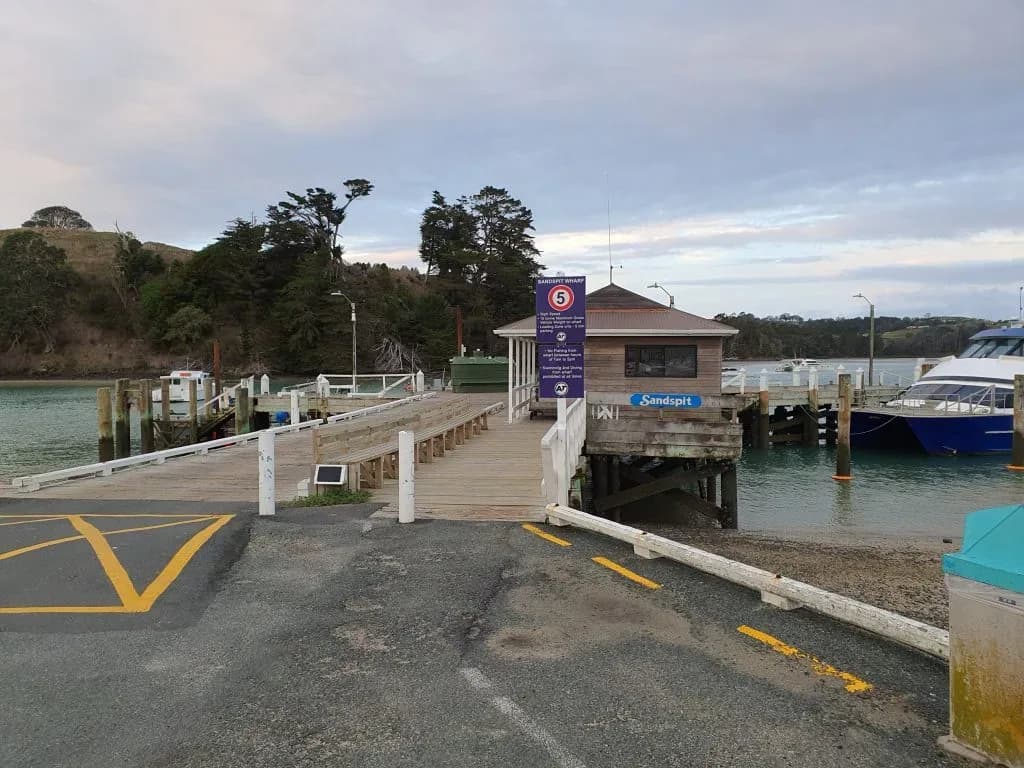
Central Auckland is a working waterfront, and its edge is lined with marine infrastructure. The ferry basin and downtown wharves carry constant passenger and freight traffic, the inner harbour holds berths, pontoons and piles in heavy daily use, and every structure has to perform on reclaimed ground beside a busy harbour. Designing and renewing that infrastructure takes maritime engineering matched to genuine vessel loads, tight tidal windows and a hard-working marine environment.
LDE brings wharf, berth and jetty design to the central city, with pile and fender systems, ferry and pontoon structures, mooring and navigation-aid support, and the condition inspections that an ageing waterfront depends on. Our Chartered Professional Engineers work across the central harbour and the wider region, bringing the same rigour to a downtown ferry structure as to an inner-harbour wharf. Working under the Auckland Unitary Plan, we keep marine projects moving and consentable.
Talk to our Auckland CBD team about your next maritime project.
How our Auckland CBD team delivers maritime engineering
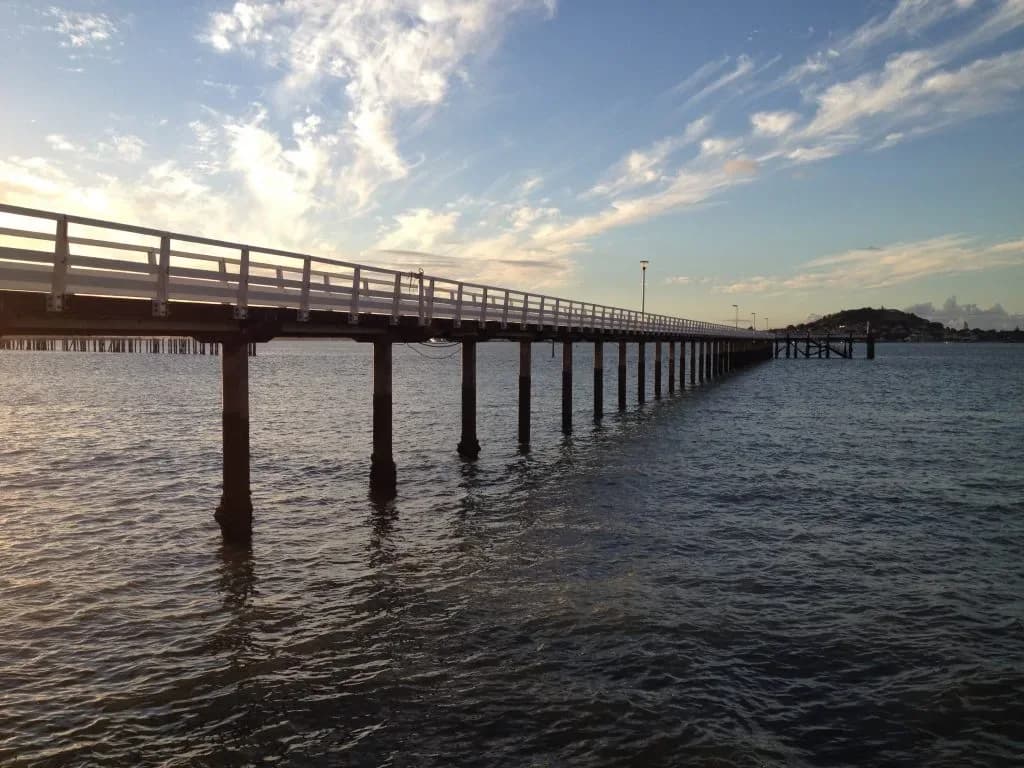
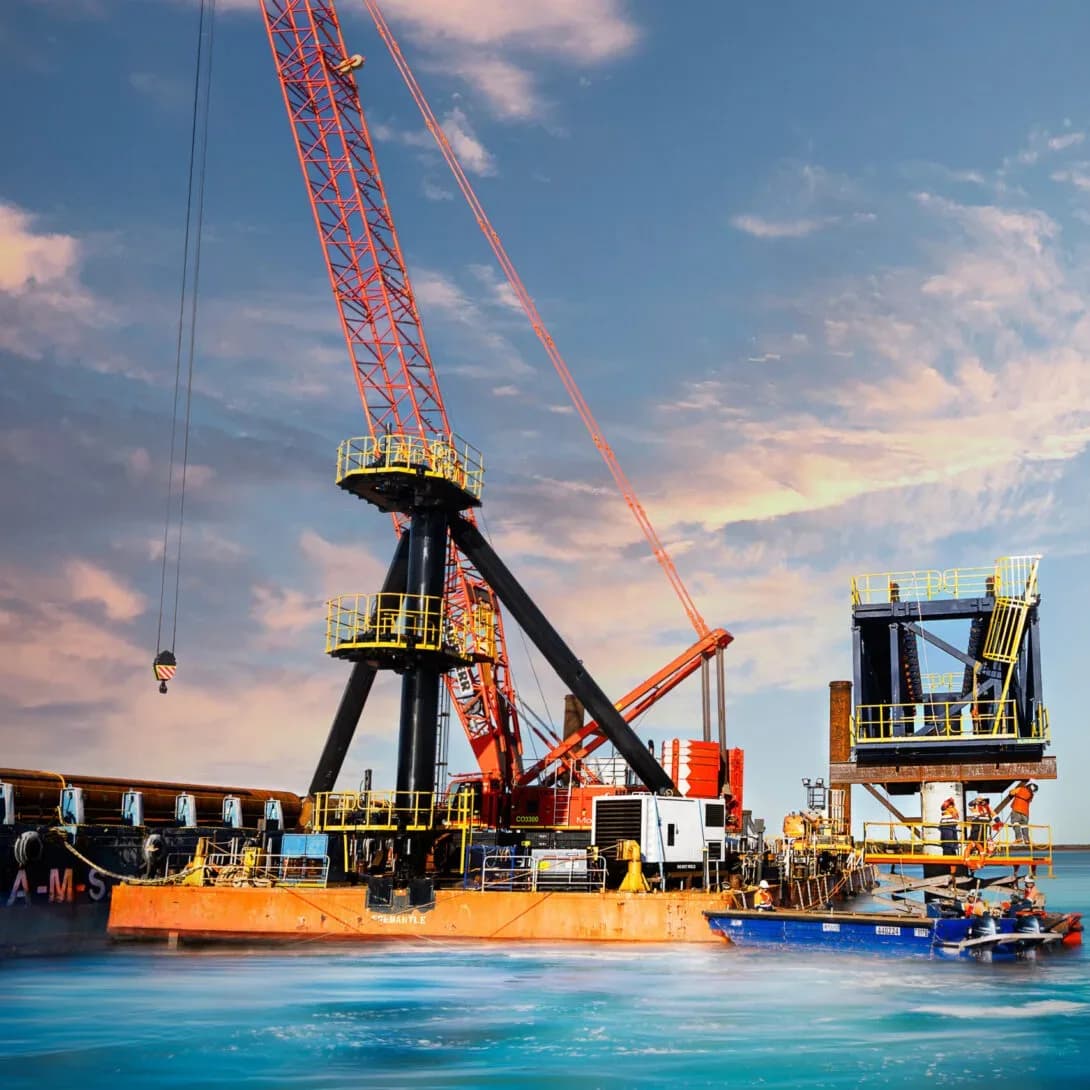
The central waterfront is a working harbour edge of wharves, ferry berths and piled structures in constant use, so marine design here is about real vessel loads, berthing forces and durability on reclaimed ground. Our Auckland team designs and renews wharves, berths and ferry and pontoon structures, detailing piles, fenders and deck connections to take heavy daily traffic. On the many ageing structures around the inner harbour we inspect condition, assess capacity and design the repairs or upgrades that keep berths in service.
It is the same maritime engineering capability we bring to ports and marine work, supported by our water experience around the harbour.
- Wharf and berth design for ferries, freight and inner-harbour vessels
- Ferry, pontoon and gangway structures for high passenger traffic
- Marine piling, fender and mooring systems on reclaimed waterfront ground
- Condition inspection, durability and capacity assessment of harbour structures
Marine consenting and standards in Auckland
Central Auckland marine work is consented under the Auckland Unitary Plan, administered by Auckland Council as a unitary authority. We design to that framework and to recognised national maritime standards and navigation requirements.
- Maritime New Zealand navigation safety on a busy harbour
- Standards New Zealand structural, loading and durability standards for marine structures
LDE maritime engineering in Auckland
LDE designs and renews marine structures around the Auckland harbour, from wharves and ferry berths on the central waterfront to inner-harbour piles, pontoons and mooring structures. We understand the reclaimed ground, the vessel loads and the relentless use these structures carry, and we plan them to be durable and maintainable on a working harbour edge. You can see more of our regional marine delivery on the projects page, and read about our ports and marine capability across the country.
Common questions about maritime engineering in central Auckland
What makes the central Auckland waterfront a maritime engineering challenge?
The downtown edge carries ferry berths, wharves and piled structures in constant use, all on reclaimed ground beside a busy harbour. Each has to be designed for genuine vessel and berthing loads and for durability under heavy daily traffic.
Can LDE inspect and repair an existing wharf or berth?
Yes. We inspect piles, decks, fenders and connections, assess remaining capacity, and design repairs or upgrades. Ageing marine structures are a constant part of the central waterfront, so this assessment and renewal work is core to what we do here.
Who carries out LDE’s Auckland maritime work?
Chartered Professional Engineers from our Auckland team, drawing on LDE’s wider maritime and structural capability.
How do you manage berthing loads on a busy ferry wharf?
We design the wharf and its fender system to absorb the energy of vessels coming alongside, then check the piles and deck for those berthing and mooring forces as well as live passenger loads. On a high-frequency ferry berth this keeps the structure safe and durable while letting services run on time, which is central to how the central waterfront works.