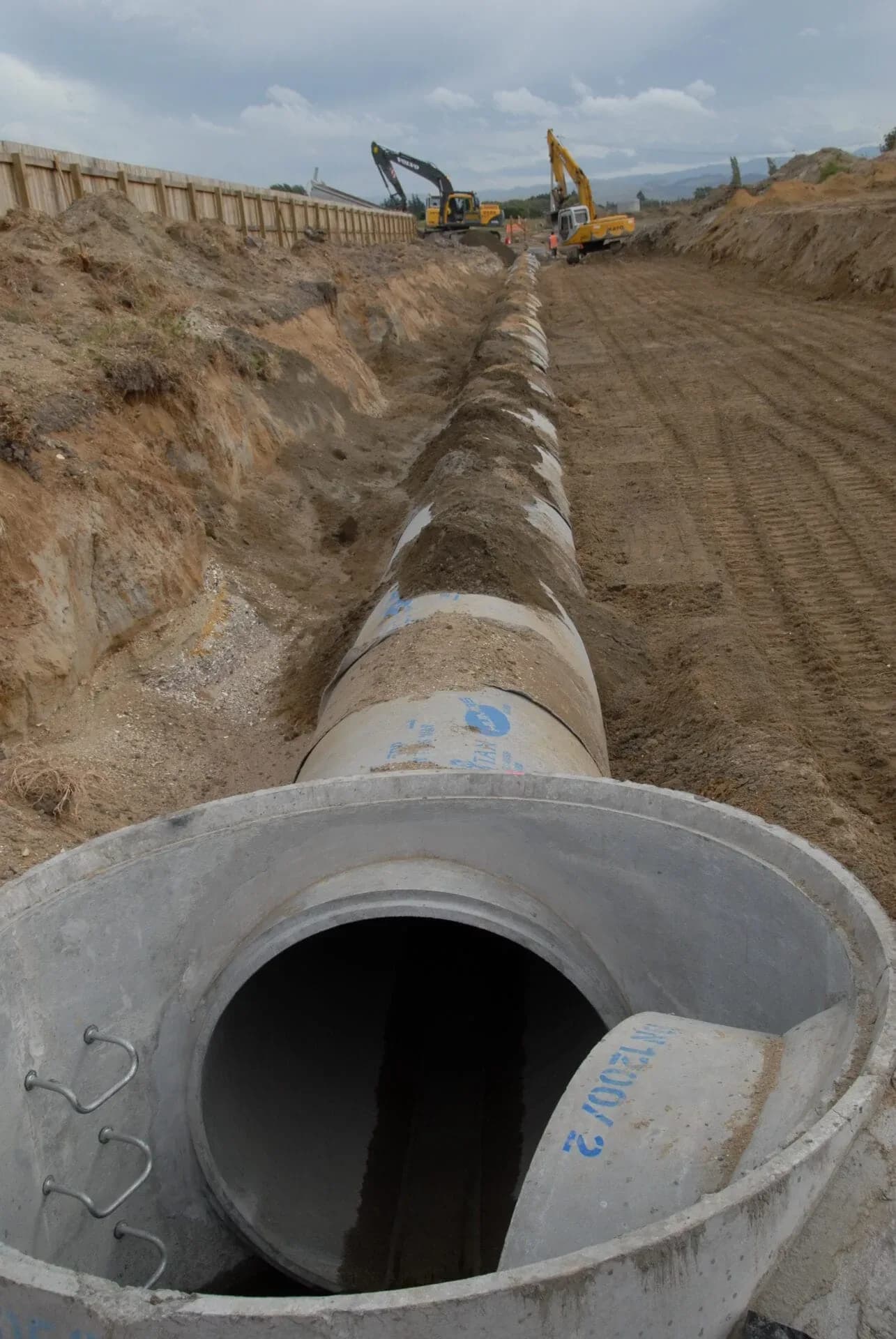
Three Waters in Tauranga
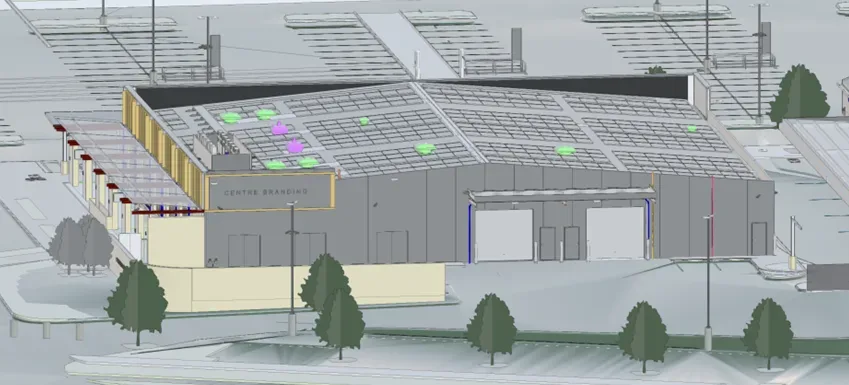
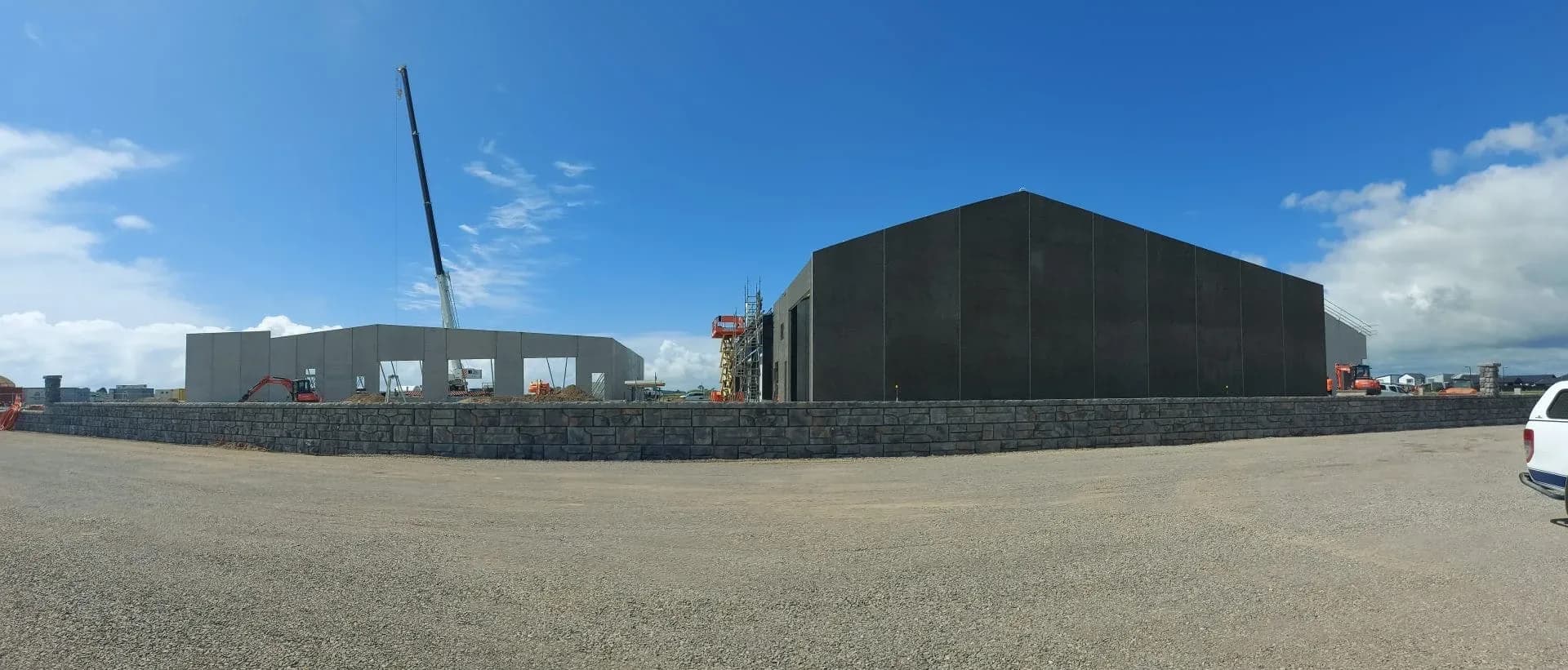
Tauranga is one of the fastest-growing cities in the country, and its three-waters networks are working hard to keep up. Rapid subdivision growth at Pāpāmoa and the wider western Bay, a busy freight and port economy, and sensitive volcanic soils all shape how drinking water, wastewater and stormwater are designed and delivered here. LDE provides three-waters engineering for this growth, covering network and reticulation design, pump stations, capacity and stormwater management and consenting.
We size and lay out water and wastewater servicing for new development, design stormwater that suits coastal catchments and pumice ground, and plan capacity so trunk infrastructure keeps pace with demand. As subdivision spreads across the western Bay, trunk wastewater and stormwater capacity is often the limiting factor, so we model the networks and plan the headworks growth depends on. Our work helps developers, councils and industry deliver water infrastructure that is consentable, resilient and ready for growth.
For Tauranga clients, that means three-waters engineering matched to one of the busiest growth fronts in New Zealand. Talk to our Tauranga team about your next project.
How our Tauranga team delivers three waters
Three-waters work in Tauranga is driven by growth. The western Bay is opening up new subdivisions quickly, demand keeps rising on trunk water and wastewater, and the local pumice and ash soils and coastal catchments shape how stormwater and reticulation are set out. Our Tauranga engineers design water and wastewater networks, pump stations and stormwater systems that suit these conditions, and plan capacity so the infrastructure keeps pace with development.
It is the same three waters capability that supports our water and urban development work across the Bay of Plenty.
- Drinking-water and wastewater reticulation for fast-growing areas
- Pump station design and trunk capacity assessment
- Stormwater management and treatment for coastal catchments
- Servicing strategy for staged growth in the western Bay
Water services regulation and consenting in the Bay of Plenty
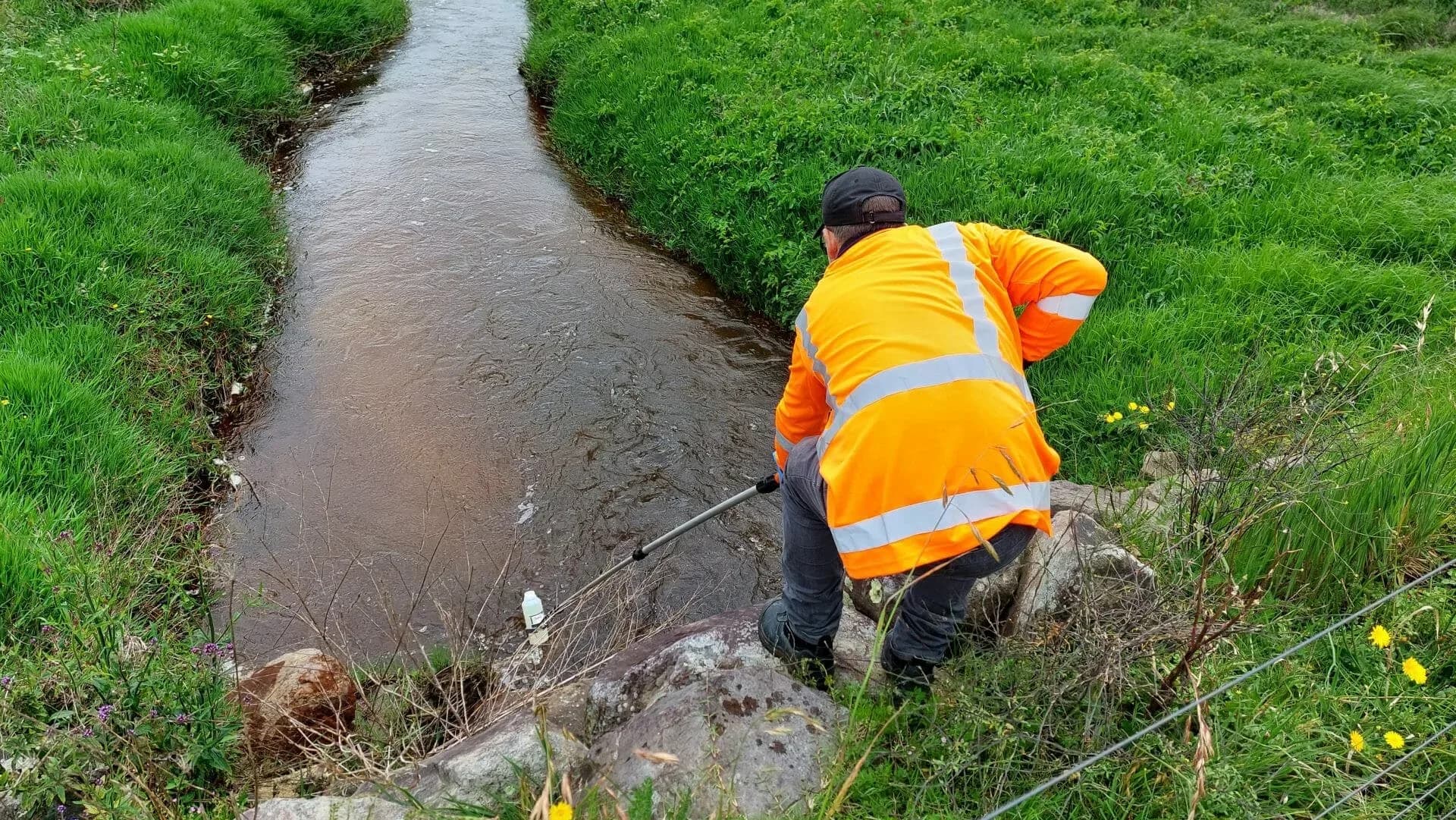
Three-waters projects around Tauranga are consented through Tauranga City Council for local infrastructure and engineering standards, with discharge and stormwater consents under Bay of Plenty Regional Council Toi Moana. Drinking-water supplies are regulated nationally, so we design networks and stormwater to recognised standards and good practice.
- Taumata Arowai, the Water Services Authority drinking-water standards and rules
- Water New Zealand good-practice guidance for three-waters infrastructure
LDE three waters in the Bay of Plenty
LDE delivers three-waters engineering for land development across the Bay of Plenty, from drinking-water and wastewater reticulation on new subdivisions in the fast-growing western Bay to stormwater management on coastal catchments. As the region expands around the port, much of our work is about servicing growth and planning trunk capacity so the networks keep pace. This sits within a wider urban development programme, and you can see more of our regional water delivery on the projects page.
Common questions about three waters in the Bay of Plenty
What three-waters servicing does a Tauranga subdivision need?
A growth-area subdivision needs drinking-water and wastewater reticulation, pump stations where the grades require them, and stormwater management. Around Tauranga we set the design to suit the local volcanic soils and the coastal setting, so lots are serviced and consentable through Tauranga City Council.
How does fast growth affect three-waters capacity here?
Rapid subdivision puts pressure on trunk water and wastewater and on stormwater catchments, so capacity has to be planned ahead of the lots. We assess demand and model the networks, so trunk infrastructure is sized for the growth rather than catching up after it.
Who carries out LDE’s three-waters work in Tauranga?
Chartered Professional Engineers from our Bay of Plenty team, backed by the wider LDE network.
How does coastal Tauranga shape stormwater design?
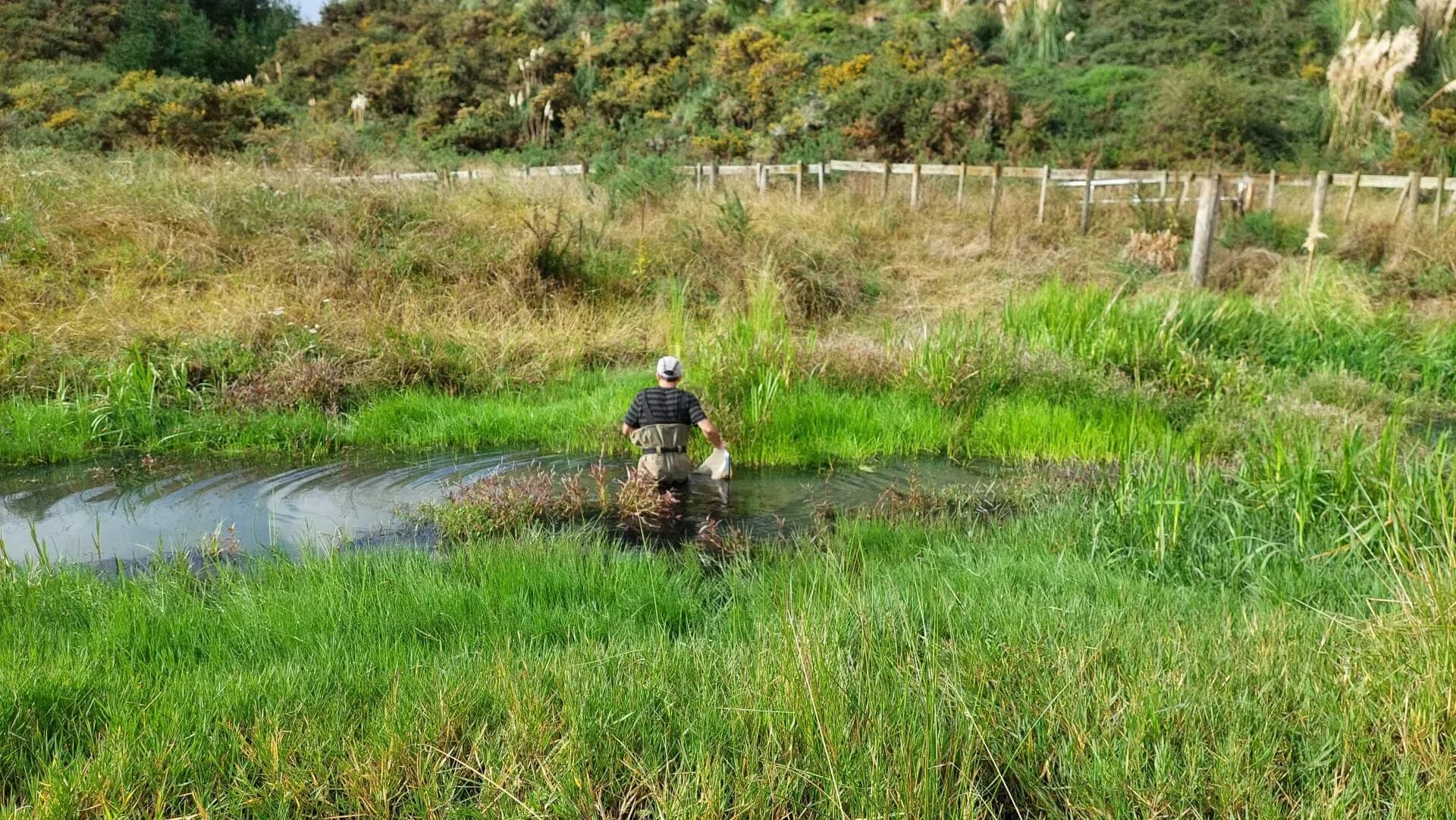
Coastal catchments, flat ground and sensitive receiving environments mean stormwater has to be carefully managed for both flows and water quality, and outfalls and levels set with the sea and groundwater in mind. We design treatment and conveyance to suit, which protects the harbour and coastal waters as development continues.
Bay of Plenty