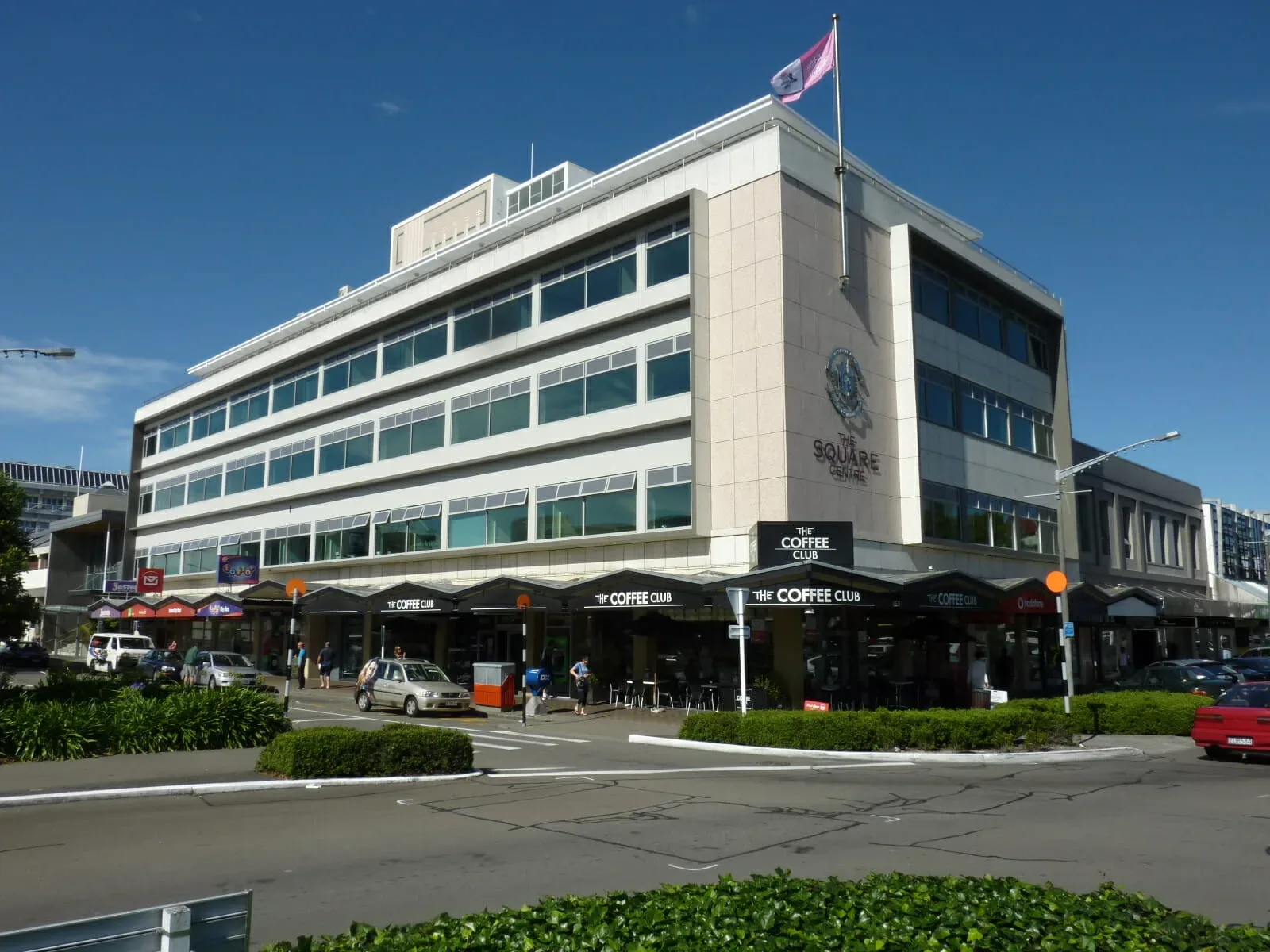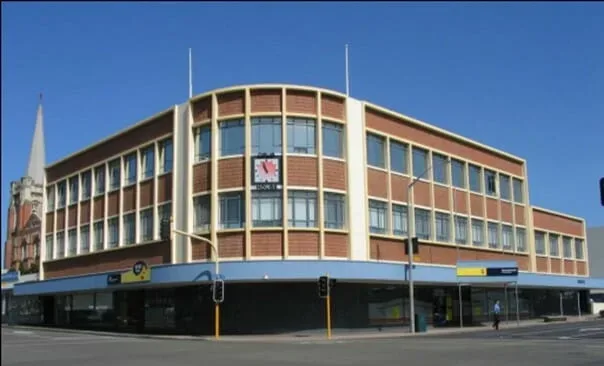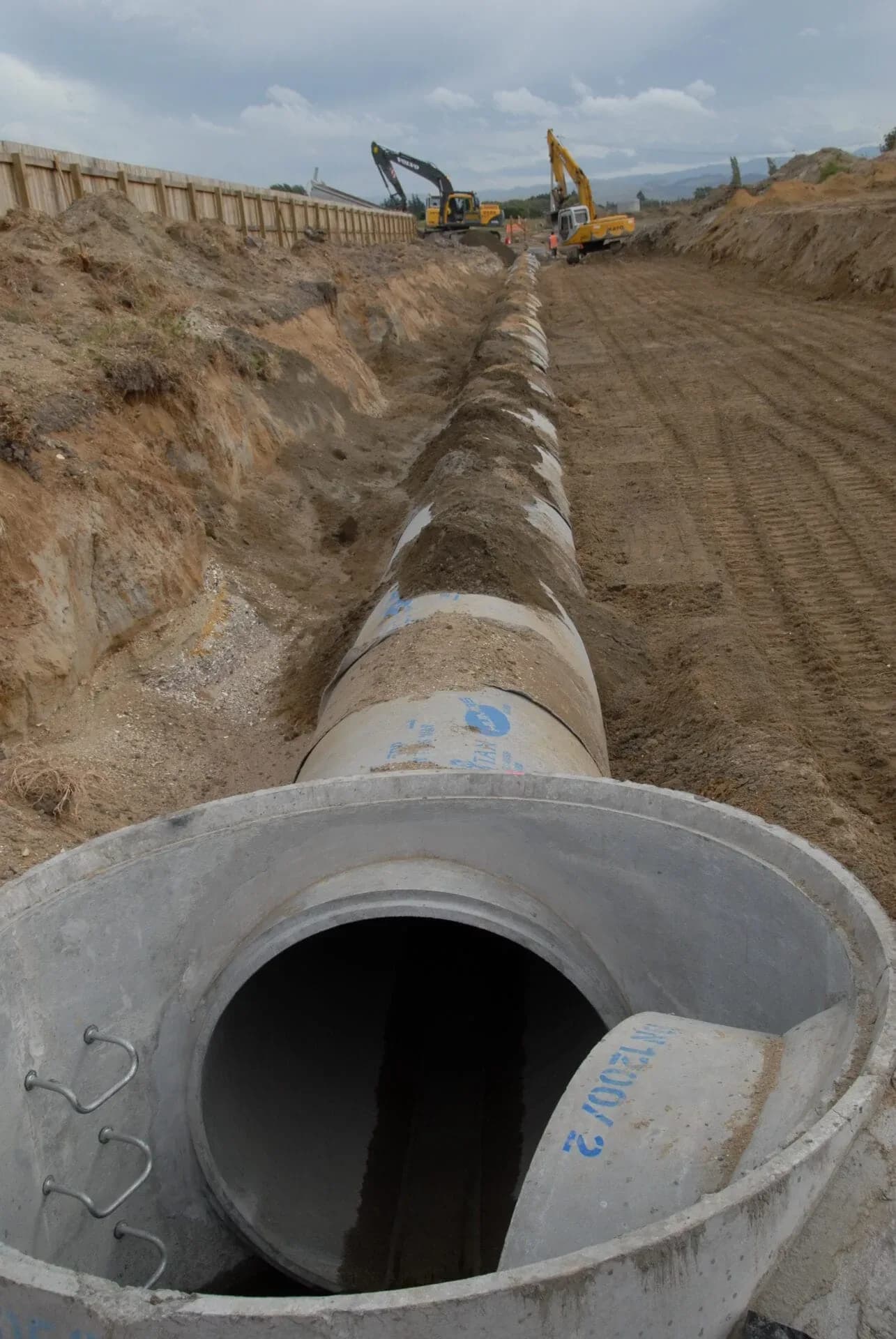
Three Waters in Whanganui
Whanganui’s three-waters networks are shaped by the river, the terraces and the hill suburbs that make up the city. Soft alluvial soils line the Whanganui River, low-lying land relies on managed drainage and flood works, and the papa hill country brings its own stormwater and stability questions. Managing water is a constant theme for the networks here.
LDE provides three-waters engineering across the Whanganui and Manawatū area, covering network and reticulation design, treatment, pump stations, capacity and renewals, and stormwater management and consenting. We size and lay out drinking-water and wastewater servicing for development and upgrades, design stormwater that suits river-terrace and hill-country sites, and plan renewals for ageing networks. Our work helps councils, developers and property owners deliver water infrastructure suited to local ground and the flood and drainage systems that matter here.
For Whanganui clients, that means grounded three-waters engineering. Talk to our Whanganui team about your next project.
How our Whanganui team delivers three waters
Three-waters work in Whanganui is shaped by water and terrain. Soft river-terrace soils, papa hill slopes and flood-exposed low-lying land all influence how drinking water, wastewater and stormwater are set out. Our team designs reticulation, pump stations and stormwater systems that suit these conditions, from stormwater on a hillside site to servicing and renewals on the river terraces, for development and upgrade projects across the region.
It is the same three waters capability behind our water and urban development work across the Whanganui and Manawatū area.
- Drinking-water and wastewater reticulation for development and upgrades
- Pump station and treatment design for river-terrace and hill-country sites
- Stormwater management for flood-exposed low-lying land
- Capacity assessment and renewals planning for ageing networks
Water services regulation and consenting in the Whanganui and Manawatū area
Three-waters work here is shaped by Horizons Regional Council regional plans, river and drainage management and discharge consents, with local infrastructure consented through Whanganui District Council. Drinking-water supplies are regulated nationally, so we design networks and stormwater to recognised standards and good practice.
- Taumata Arowai, the Water Services Authority drinking-water standards and rules
- Water New Zealand good-practice guidance for water, wastewater and stormwater
LDE three waters in the region
LDE delivers three-waters engineering across the Whanganui and Manawatū area, from drinking-water and wastewater servicing on the river terraces to stormwater management on flood-exposed land and renewals for ageing networks. In a region where flood and drainage management shapes much of the design, our work is about making water infrastructure suit the ground and the systems that protect it. You can see more of our regional water delivery on the projects page.
Common questions about three waters in the Whanganui and Manawatū area
What three-waters servicing does a Whanganui development need?
Most developments need drinking-water and wastewater reticulation, connections into the council networks, and stormwater management. On the river terraces and low-lying land we pay close attention to stormwater and levels, so the servicing performs and is consentable through Whanganui District Council.
How does flood and river management affect three-waters design?
Much of the low-lying land near the Whanganui River relies on managed drainage and flood works, so we set stormwater design and finished levels to suit. This keeps development serviceable and avoids adding load to the river and drainage networks.
Who leads LDE’s three-waters work in Whanganui and Manawatū?
Chartered Professional Engineers from our team, supported by LDE water specialists nationally.
Can LDE help renew an ageing Whanganui water or wastewater network?
Yes. We assess the capacity and condition of existing water, wastewater and stormwater assets, and plan renewals and upgrades that suit the demand and the budget. On older networks this often means prioritising the assets that carry the most risk, so the system keeps serving the community as it is renewed.
Whanganui / Manawatū