Groundwater Engineering in South Auckland
South Auckland is where much of the region’s growth is happening, and a lot of it sits on wet ground. New communities at Drury, Flat Bush, Ōpaheke and Pukekohe are being built over soft alluvial soils and peat with a shallow water table, so subdivision earthworks, services and structures regularly run into groundwater. The Pukekohe area also carries productive aquifers that growers draw on.
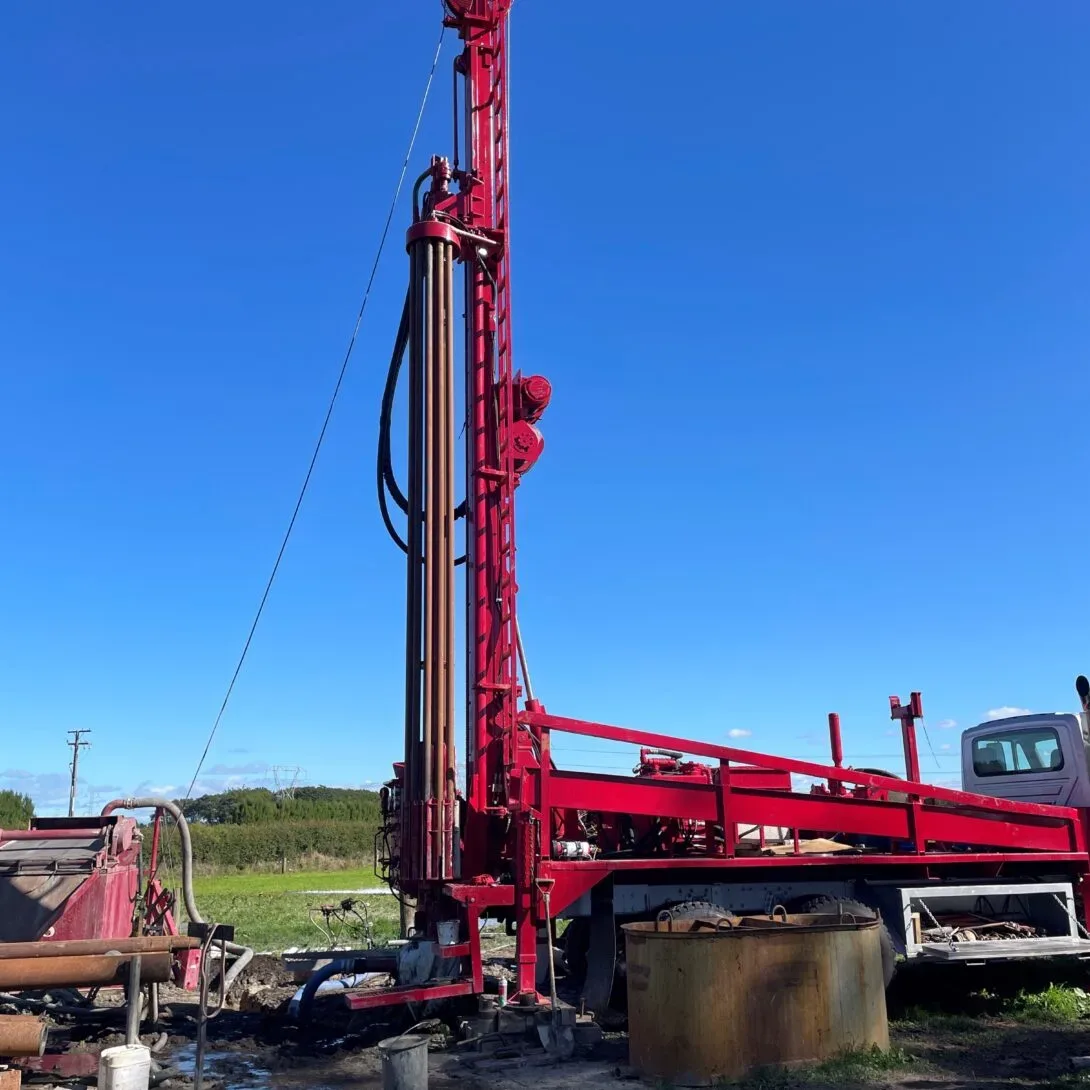
LDE provides groundwater engineering across the south, covering construction dewatering, bore investigation and water-take assessment, groundwater inflow and settlement assessment, and monitoring and consenting. We design dewatering that keeps large subdivision earthworks and trenches workable, estimate inflows on soft soils, assess the effect on horticultural bores and on settlement, and prepare the technical case and monitoring a consent needs. Working under the Auckland Unitary Plan, our team helps developers move land from concept to buildable lots while managing groundwater properly.
For South Auckland clients, that means dependable groundwater engineering at the scale the region’s expansion demands. Talk to our South Auckland team about your next project.
How our South Auckland team delivers groundwater engineering
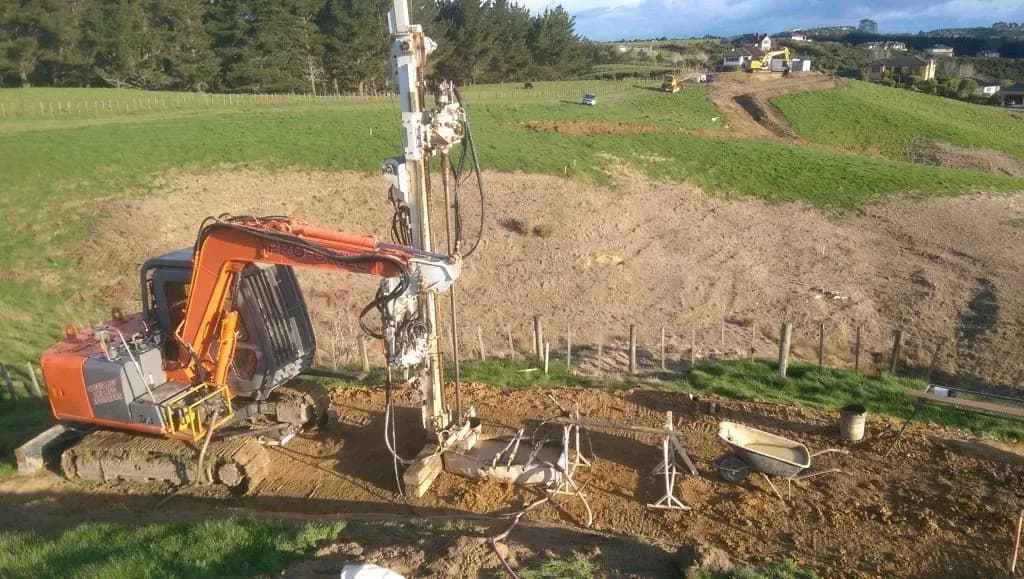
Greenfield growth on soft, wet ground means groundwater turns up early. Across the southern corridor, subdivision earthworks, services and foundations dig into a shallow water table in alluvium and peat, so the water has to be controlled before the work can proceed. Our engineers estimate the inflow on these soft soils and design dewatering that keeps large sites workable.
The Pukekohe area also draws on productive aquifers, so we assess takes and the effect of dewatering on horticultural bores. This sits within our wider groundwater engineering capability and our water work across the southern growth corridor.
- Construction dewatering for subdivision earthworks and trenches on soft soils
- Groundwater inflow and settlement assessment in alluvium and peat
- Bore investigation and water-take assessment in the Pukekohe area
- Groundwater monitoring and reporting to support consents
Groundwater takes and consenting in southern Auckland
Taking groundwater, or dewatering an excavation, above the permitted limits across the south is consented under the Auckland Unitary Plan, administered by Auckland Council. We prepare the inflow, take and settlement assessment an application needs, and design to recognised national guidance.
- Ministry for the Environment guidance on freshwater allocation and groundwater management
- Water New Zealand good-practice guidance for bores and dewatering
LDE groundwater engineering in southern Auckland
LDE delivers groundwater engineering across the southern growth corridor, from dewatering large subdivision earthworks at Drury and Flat Bush to water-take assessment on the productive aquifers around Pukekohe. With soft soils and a shallow water table across the southern basin, much of our work is about controlling groundwater on construction sites while protecting horticultural takes and managing settlement. This sits within a wider urban development programme, and you can see more of our regional water delivery on the projects page.
Common questions about groundwater in South Auckland
Why does South Auckland growth land need dewatering?
The soft alluvial and peat soils across the south sit over a shallow water table, so subdivision earthworks, services and foundations often reach groundwater. We design dewatering sized to the inflow and the soils, so large sites stay workable and on programme.
Can dewatering affect horticultural bores around Pukekohe?
It can. Pukekohe sits on productive aquifers that growers rely on, so we assess how a take or a dewatering scheme draws those bores down, and design and monitor the works to manage the effect. This protects both the development and the surrounding water users.
Who leads LDE’s groundwater work in South Auckland?
Chartered Professional Engineers from our team, supported by LDE water specialists across the country.
How does groundwater affect settlement on soft southern soils?
Lowering the water table in soft alluvium and peat can cause the ground to consolidate and settle, which matters next to existing structures and services. We assess that settlement, design the dewatering to limit drawdown, and monitor levels so the effect stays within tolerance across the development.