Maritime Engineering in South Auckland
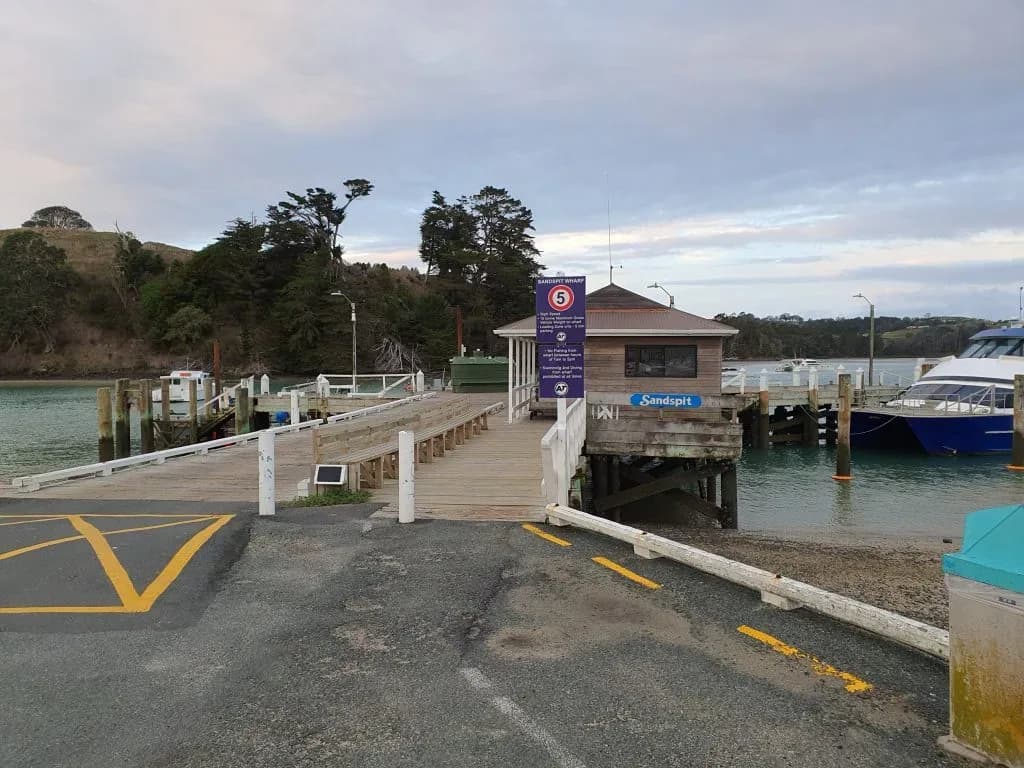
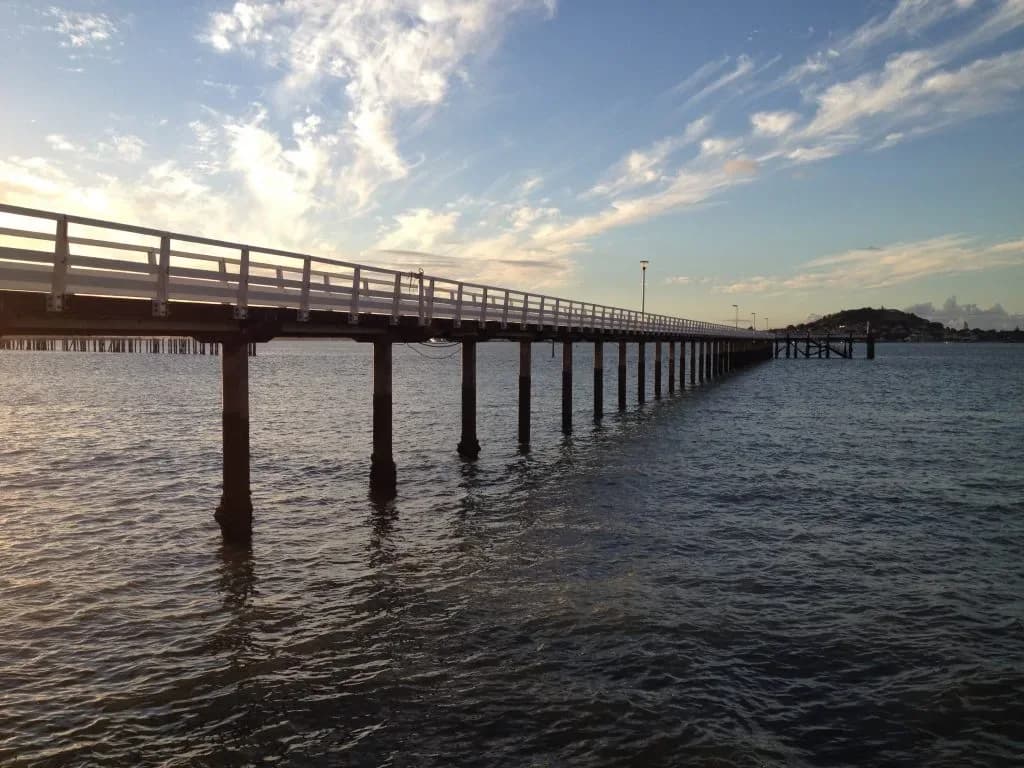
South Auckland’s marine infrastructure wraps the soft, tidal margins of the Manukau Harbour and the Firth of Thames. Boat ramps, jetties and small wharves at places like Clevedon, Kawakawa Bay and the Manukau settlements give communities access to the water, and growth across the south is bringing more people and more demand for that access. Designing and renewing these structures takes maritime engineering matched to muddy, shallow estuaries, big tidal ranges and soft foreshore ground.
LDE brings jetty, pontoon and boat-ramp design to this setting, along with small-wharf and mooring work and the condition inspections that keep community structures safe. We help councils, landowners and operators plan, build and renew marine access on a long, low coastline. Our Chartered Professional Engineers pair local knowledge with the wider LDE network, so South Auckland clients get durable, buildable marine structures suited to a growing region with quiet but demanding waters.
Talk to our South Auckland team about your next maritime project.
How our South Auckland team delivers maritime engineering
The Manukau Harbour and Firth of Thames are shallow, muddy, big-tide estuaries, so marine work in the south is mostly community access structures: boat ramps, jetties, pontoons and small wharves that have to work across a wide tidal range. Our South Auckland team designs these for the soft bed and the tide, sets out moorings where the water suits them, and details structures that stay usable when the tide is out. On older ramps and jetties we inspect condition, assess capacity and design the upgrades that keep access safe as use grows.
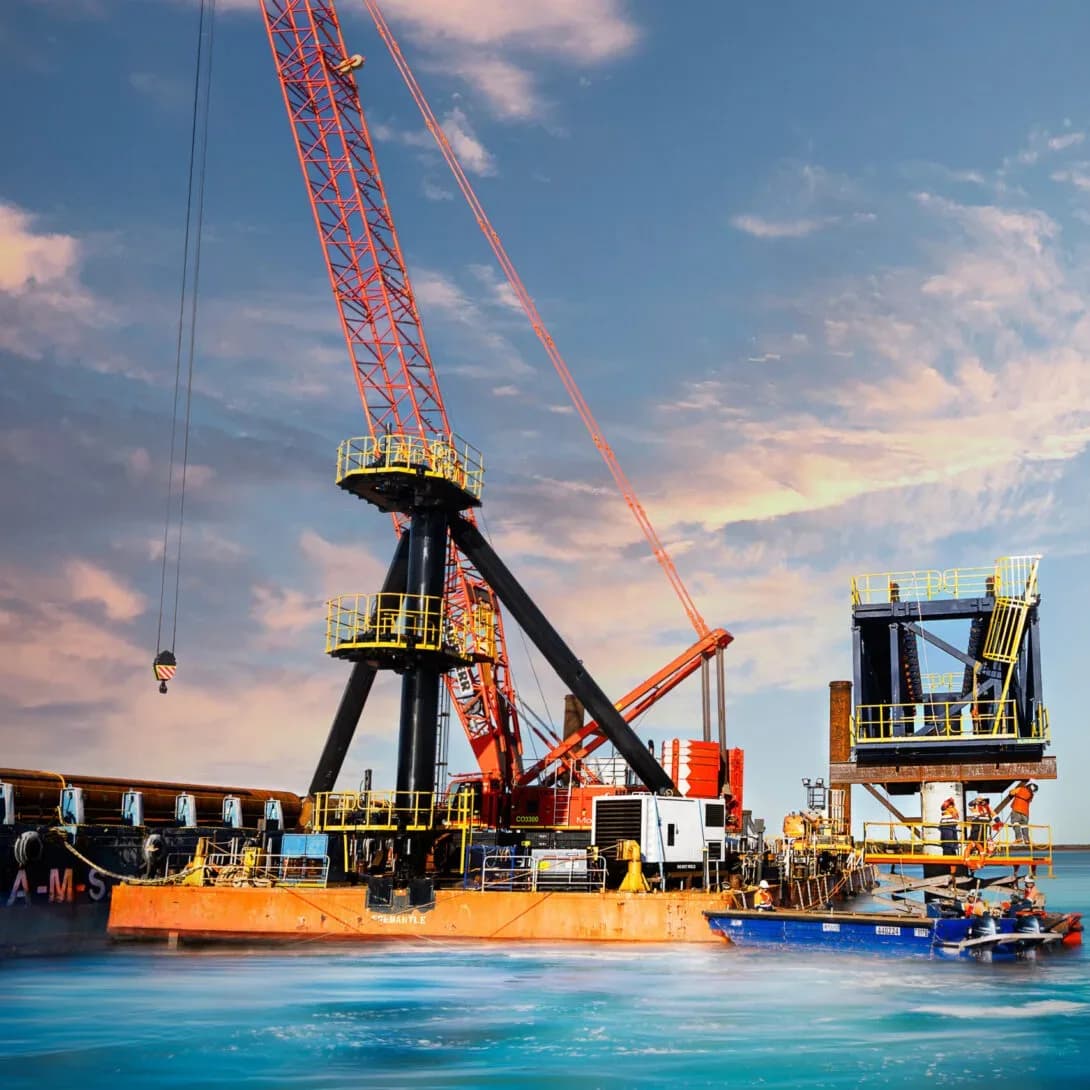
It is the same maritime engineering capability behind our ports and marine work, alongside the three-waters experience that supports the southern growth corridor.
- Boat ramp and marine-access design for big-tide Manukau and Firth foreshores
- Jetty, pontoon and small-wharf design on soft estuarine ground
- Mooring layouts where water depth and tide allow
- Condition inspection and upgrade of ageing community marine structures
Marine consenting and standards in southern Auckland
Marine structures across the south are consented under the Auckland Unitary Plan, administered by Auckland Council as a unitary authority. We design to that framework and to recognised national maritime standards and guidance.
- Maritime New Zealand navigation and small-craft structure requirements
- Standards New Zealand structural, loading and durability standards for marine structures
LDE maritime engineering in southern Auckland
LDE designs and renews marine structures across the Manukau and Firth coasts, from boat ramps and jetties for harbour communities to pontoons and small wharves on soft estuarine ground. We understand the big tidal ranges, the shallow muddy beds and the growing community use these structures carry, and we plan them to stay usable and durable across the tide. You can see more of our regional marine delivery on the projects page, and read about our ports and marine capability nationally.
Common questions about maritime engineering in South Auckland
What marine structures suit the Manukau and Firth coasts?
Shallow, big-tide estuaries suit boat ramps, fixed jetties with steps and floating pontoons that ride the tide, rather than structures that assume deep water. We design marine access that stays usable across the tidal range and stands up to soft, muddy ground.
Why does soft estuarine ground matter for a ramp or jetty?
Soft, muddy foreshores settle under load and offer little support near the surface, so we pair the marine design with geotechnical assessment to set foundations and piles that suit the ground. This keeps a ramp or jetty stable and serviceable rather than slumping or moving over time.
Who leads LDE’s South Auckland maritime work?
Chartered Professional Engineers from our team, supported by LDE specialists across the region and the country.
Can LDE design a public boat ramp for a growing settlement?
Yes. We design boat ramps for community and public use, sizing the ramp grade, surface and lanes for the expected traffic and the tide, and detailing the structure for the soft estuary bed. As southern coastal settlements grow, this kind of reliable, well-built marine access is increasingly in demand.