
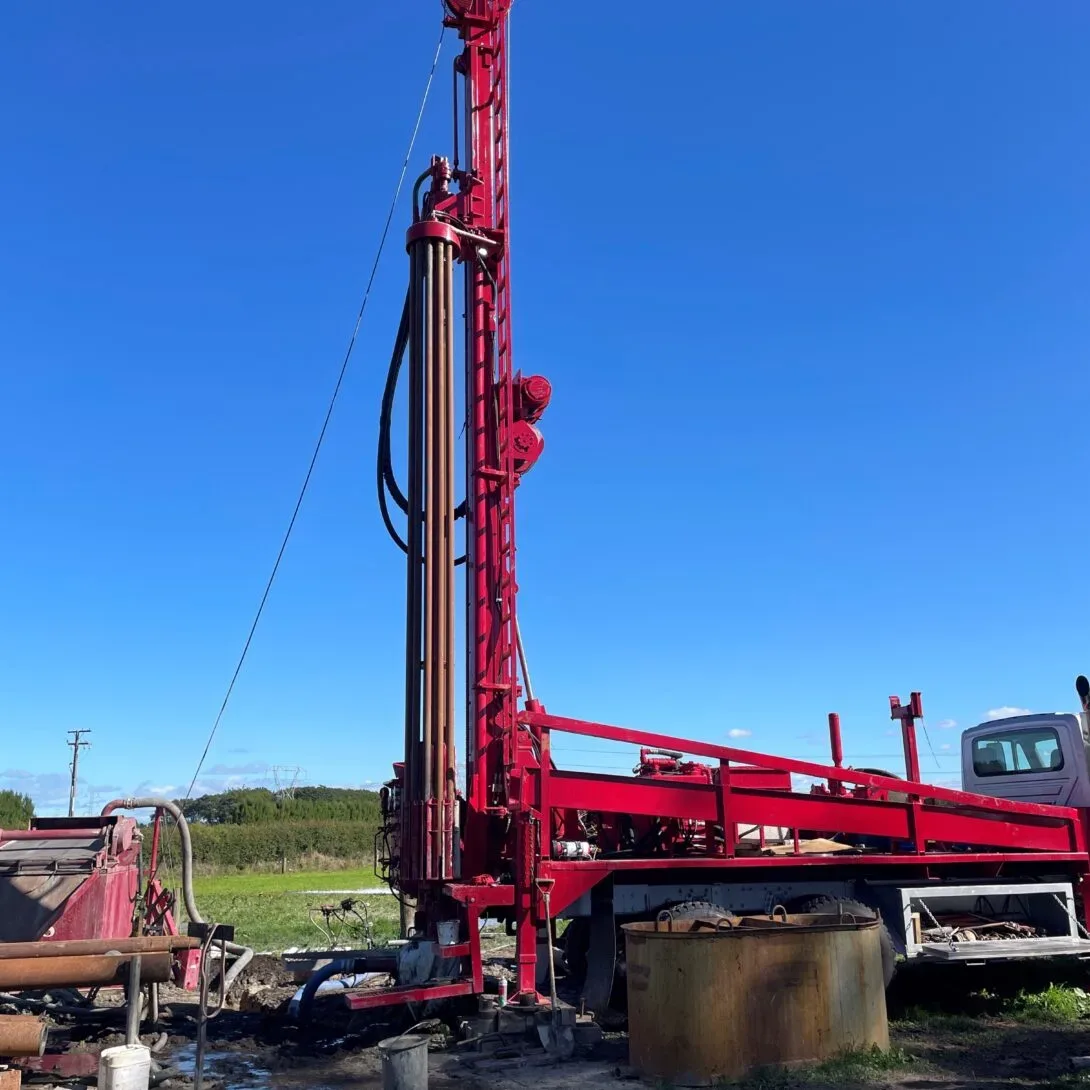
Groundwater Engineering in Gisborne
Horticulture in Tairāwhiti runs on what the Poverty Bay flats hold underground. The productive aquifers below the flats irrigate the region’s orchards and crops, and in a place that swings between dry growing seasons and severe storms, a take that is both secure and well managed is worth a lot to a grower. Our Gisborne groundwater team focuses on getting those takes right.
We test bores to find a yield the aquifer can sustain, judge how a new take sits among the many already drawing on the flats, and prepare the abstraction case and the monitoring that go with a consent. One advantage here is that Gisborne District Council is a unitary authority, so a take, and any dewatering where building work reaches the shallow water table, is dealt with in a single consent process rather than across two bodies. Because the Poverty Bay aquifers are watched closely for both allocation and quality, we lean on solid pumping-test data and ongoing monitoring instead of assumptions.
That gives growers and developers a take that holds up. Talk to our Gisborne team about your next project.
How our Gisborne team delivers groundwater engineering
In Tairāwhiti groundwater work is led by horticulture. Growers on the Poverty Bay flats irrigate from productive aquifers, so bores need testing and takes need assessing against a resource that many depend on. Our Gisborne engineers pump-test bores, estimate sustainable yield, and weigh how a new take sits alongside existing users and the limits the aquifer can carry.
Where development reaches the shallow water table we also design dewatering. This sits within our wider groundwater engineering capability and our work in the resources sector, where reliable irrigation underpins the Tairāwhiti economy.
- Bore investigation and pumping tests on the Poverty Bay flats
- Water-take and sustainable-yield assessment for horticulture
- Construction dewatering where development meets the water table
- Groundwater monitoring and reporting to support take consents
Groundwater takes and consenting in Tairāwhiti
As a unitary authority, Gisborne District Council manages aquifer allocation and consents takes and dewatering in one place, so a Tairāwhiti application is handled under a single framework. We prepare the assessment and monitoring it needs, and design to recognised national guidance.
- Ministry for the Environment guidance on freshwater allocation and groundwater management
- Water New Zealand good-practice guidance for bores and groundwater
LDE groundwater engineering in Tairāwhiti
LDE delivers groundwater engineering across Tairāwhiti, from bore testing and irrigation water-take assessment for growers on the Poverty Bay flats to dewatering and monitoring for development that reaches the water table. With the aquifers here closely watched for allocation and quality, much of our work is about securing reliable irrigation takes and keeping them within sustainable limits. You can see more of our regional water delivery on the projects page.
Common questions about groundwater in Tairāwhiti
Do I need a consent to irrigate from a bore on the Poverty Bay flats?
Beyond a small permitted volume, taking groundwater for irrigation needs a resource consent from Gisborne District Council. We test the bore, estimate a sustainable take, and prepare the technical case the council needs to grant it.
How does the unitary council affect a groundwater consent here?
Gisborne District Council holds both regional and district roles, so a take or a dewatering consent is managed in one place rather than across two authorities. We work across that single framework, which can simplify the approvals path for a Tairāwhiti project.
Who leads LDE’s groundwater work in Gisborne?
Local Chartered Professional Engineers from our Gisborne team, supported by LDE water specialists nationally.
How do you keep an irrigation take within sustainable limits?
We estimate a sustainable yield from the bore test, set the take to suit the aquifer and the orchard’s demand, and put a monitoring regime in place so abstraction and water levels are tracked. That keeps the take within its consent conditions and protects the shared resource on the flats.
Tairāwhiti / East Coast
Recent projects in Tairāwhiti / East Coast
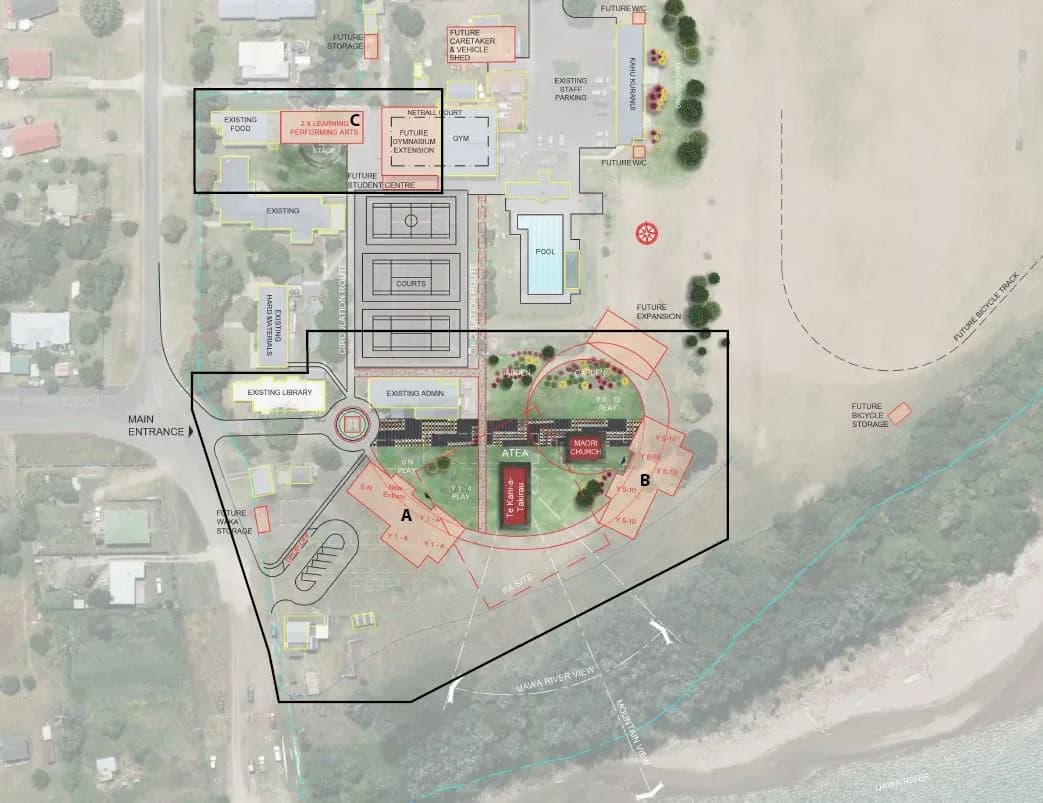
Tolaga Bay Area School Redevelopment
Ministry of Education / Babbage Architecture
Tolaga Bay
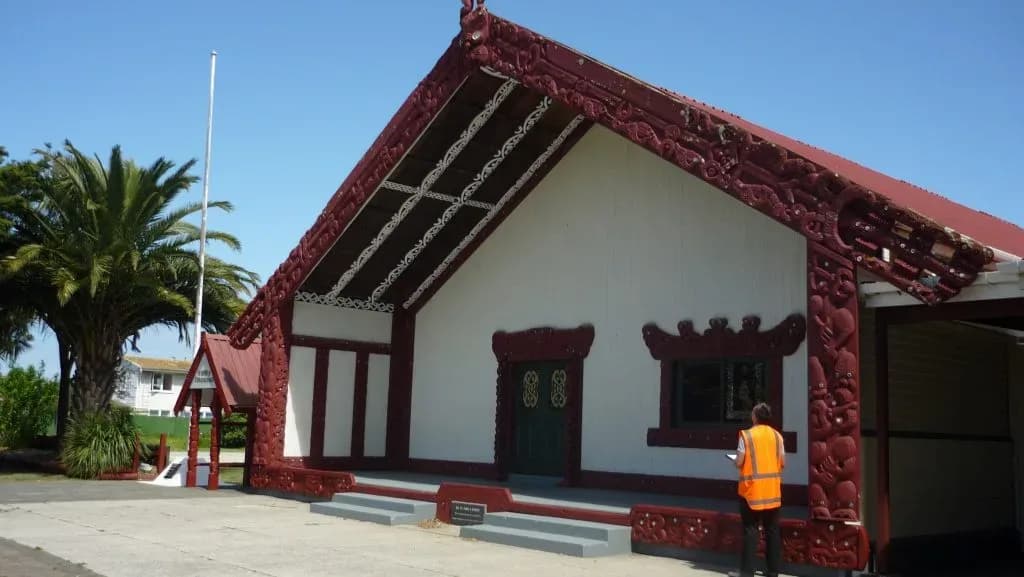
Te Poho-o-Rāwiri Marae
Gisborne
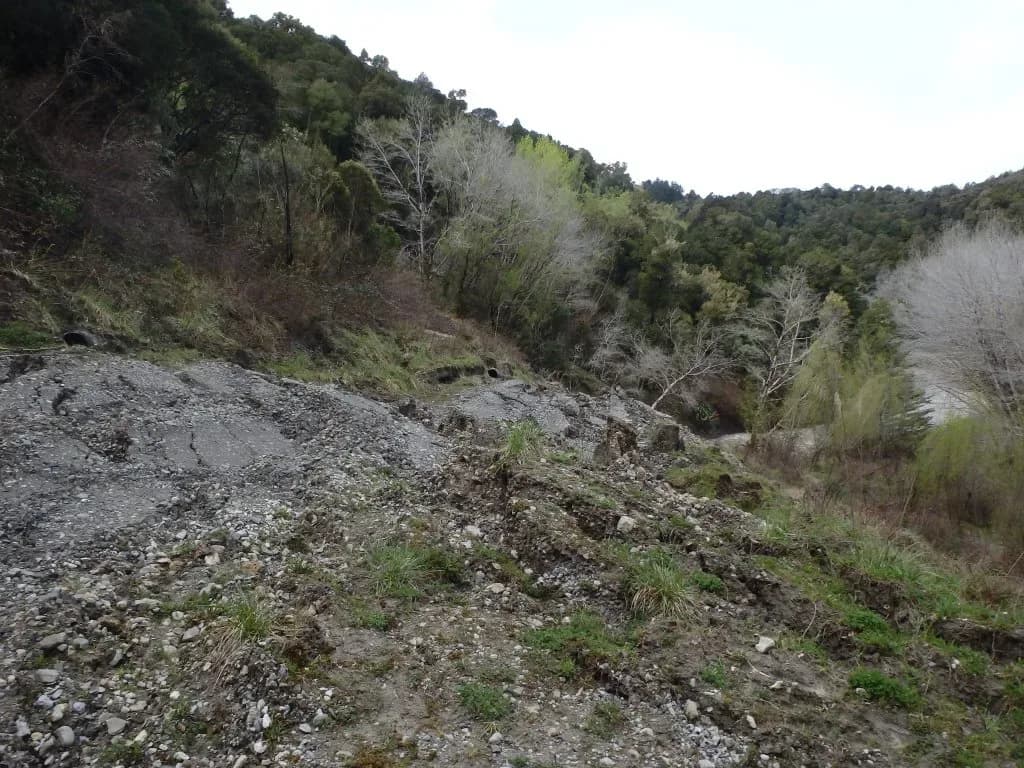
Tauwhareparae Road Landslide
Tauwhareparae, Gisborne
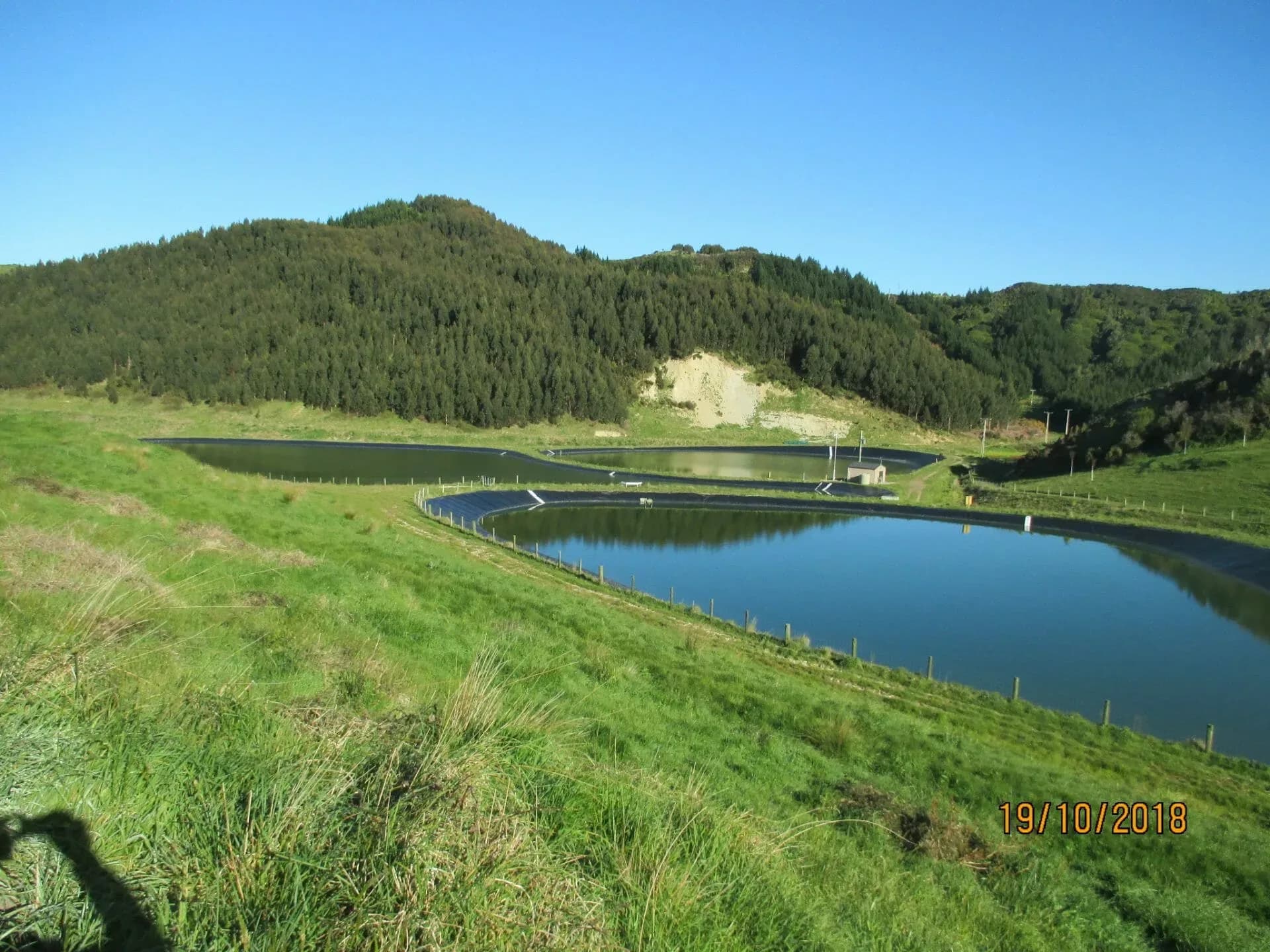
Mahia Wastewater Treatment Ponds
Mahia
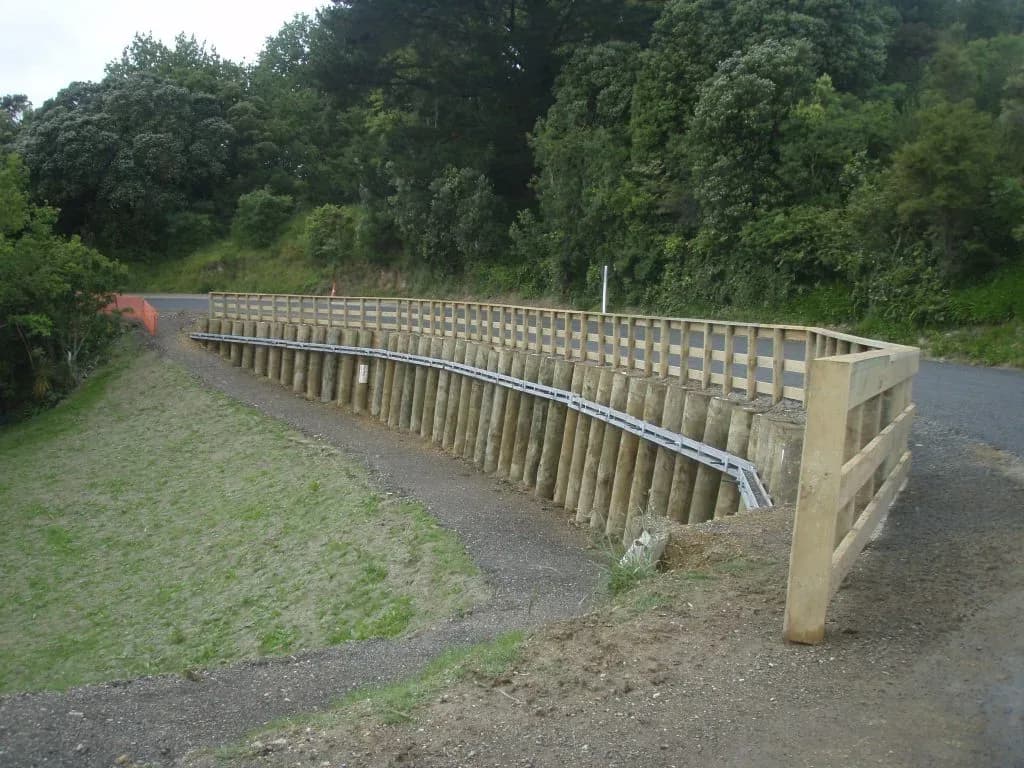
Kaiti Hill Plaza Retaining Wall
Gisborne
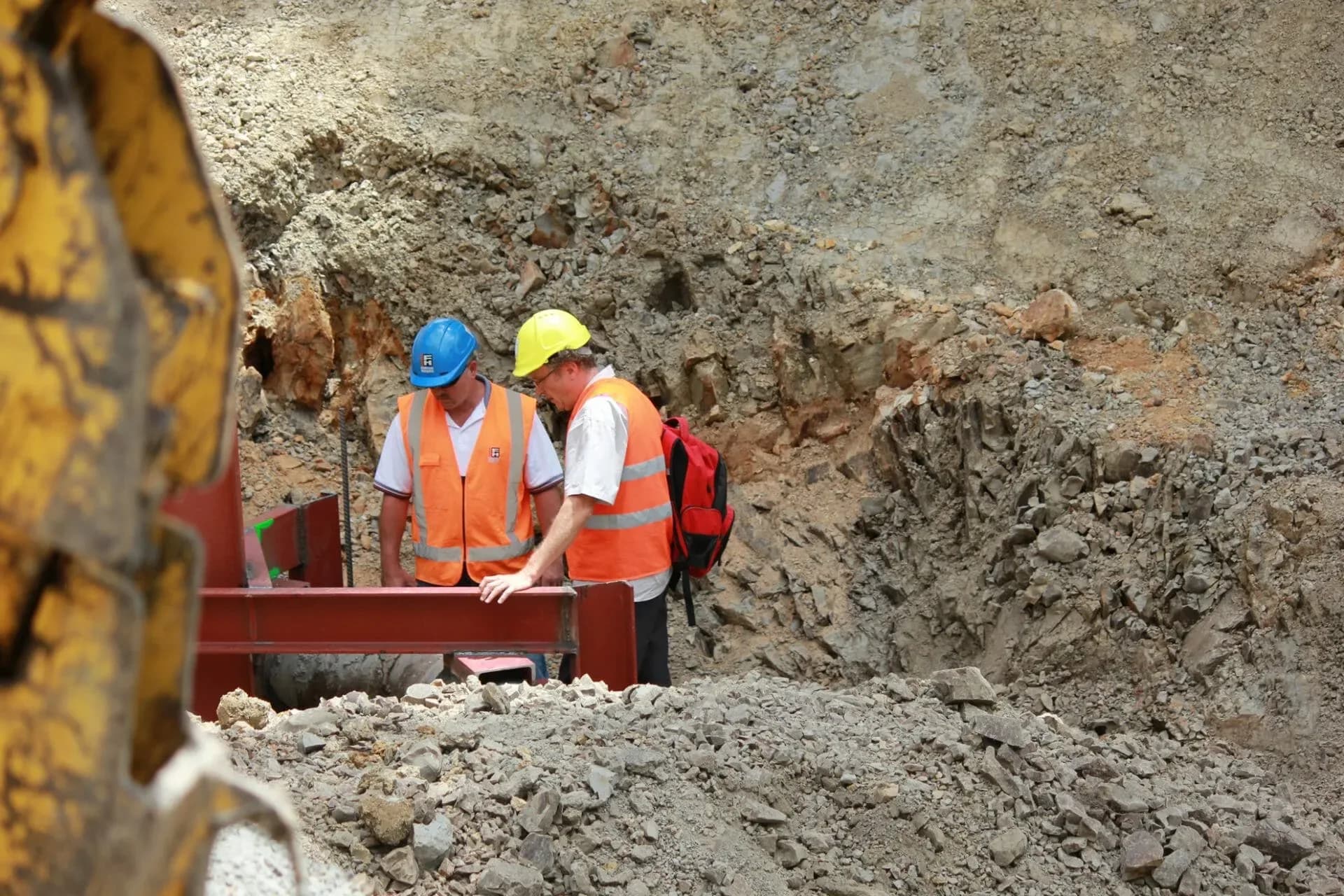
Gisborne Water Supply Pipeline
Gisborne District Council
Tarewa Road, Gisborne