
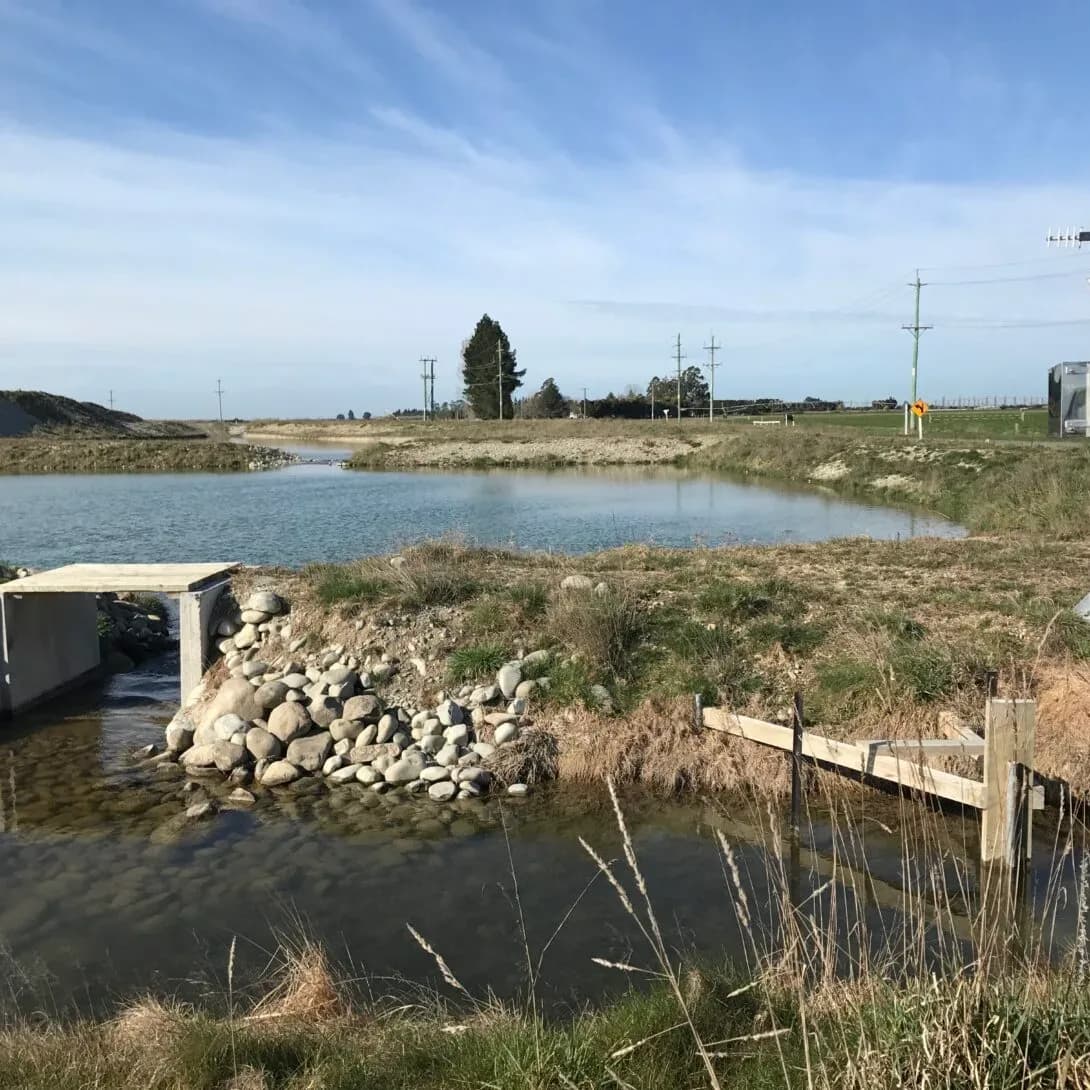
Managed Aquifer Recharge in Gisborne
Tairāwhiti is one of the more drought-prone parts of the country, and the Poverty Bay flats around Gisborne carry intensive horticulture that depends on dependable summer water. The aquifers beneath the flats are under real seasonal pressure, and after years of dry summers and storm disruption, storing water for when it is short has clear appeal. Managed aquifer recharge offers a way to bank water underground when flows are high and recover it at peak demand, building resilience into the region’s water supply.
LDE provides managed aquifer recharge and aquifer storage and recovery engineering across Tairāwhiti. We cover feasibility and source-water assessment, aquifer suitability, recharge trials, the control of water quality and clogging, and operation, monitoring and consenting through to a working scheme. Because Gisborne District Council is a unitary authority, takes, recharge and discharges sit in one framework, and our team works fluently across it.
For Gisborne clients, that means a grounded look at underground storage for a drought-exposed region. Talk to our Gisborne water team about your next project.
How our Gisborne team delivers managed aquifer recharge
In a drought-prone region, managed aquifer recharge is fundamentally about resilience. The Poverty Bay flats carry productive horticulture on aquifers that come under pressure every dry summer, so storing water underground when it is available is worth a serious look. Our Gisborne team assesses the source water that can be captured, whether the aquifer can accept and store recharge, and the water quality the scheme needs, then designs the recharge approach, a trial to prove it, and the monitoring that follows.
This builds on our national managed aquifer recharge team and the water work we do across Tairāwhiti, where drought resilience is a constant concern.
- Feasibility and source-water assessment for a drought-prone region
- Aquifer suitability assessment on the Poverty Bay flats
- Recharge trials and aquifer storage and recovery (ASR) proving for dry-season supply
- Water-quality, clogging and recovery monitoring for the operating scheme
Water security and consenting in Tairāwhiti
As a unitary authority, Gisborne District Council holds both regional and district roles, so the take, the recharge and any discharge in a managed aquifer recharge scheme are managed in one place. Recharge water has to satisfy national freshwater policy, so we design to recognised guidance.
- Ministry for the Environment freshwater policy and the National Policy Statement for Freshwater Management
- Water New Zealand good-practice guidance for managed aquifer recharge
LDE managed aquifer recharge in Tairāwhiti
LDE brings managed aquifer recharge and aquifer storage and recovery expertise to one of the country’s more drought-exposed regions. On the Poverty Bay flats, where horticulture depends on aquifers under seasonal strain, storing water underground for the dry months is one option worth testing, and we help growers and the council work through whether it suits the local hydrogeology and source water. The same capability supports our resources clients. You can see more of our regional water delivery on the projects page.
Common questions about managed aquifer recharge in Tairāwhiti
Why is managed aquifer recharge relevant to drought-prone Gisborne?
Tairāwhiti faces regular dry summers, and the Poverty Bay flats carry horticulture that depends on groundwater. Managed aquifer recharge can bank water underground when flows are high and recover it when it is short, which makes it one of the more promising tools for building drought resilience here, where the geology suits it.
How does the unitary council affect a recharge scheme here?
Gisborne District Council holds both regional and district roles, so the take, the recharge and any discharge are consented in one place. We work across that single framework, which can simplify the approvals path for a Tairāwhiti scheme.
Who carries out LDE’s managed aquifer recharge work in Gisborne?
Local Chartered Professional Engineers from our Gisborne team, supported by LDE water and groundwater specialists nationally.
How reliable is the water you recover from an aquifer?
Recovery is never one hundred percent, so part of the feasibility work is estimating recovery efficiency, which is the share of recharged water you can usefully draw back. We assess this for the specific aquifer so a Gisborne grower or supplier knows what dry-season volume a scheme would realistically deliver before committing to it.
Tairāwhiti / East Coast
Recent projects in Tairāwhiti / East Coast
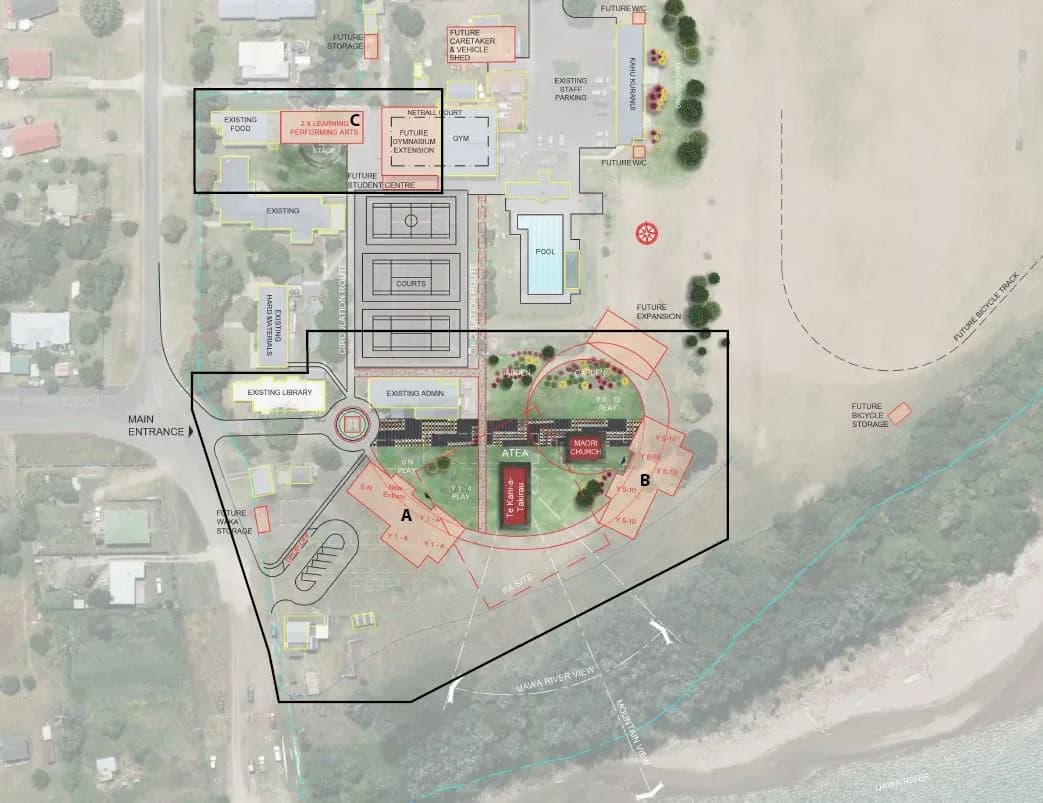
Tolaga Bay Area School Redevelopment
Ministry of Education / Babbage Architecture
Tolaga Bay
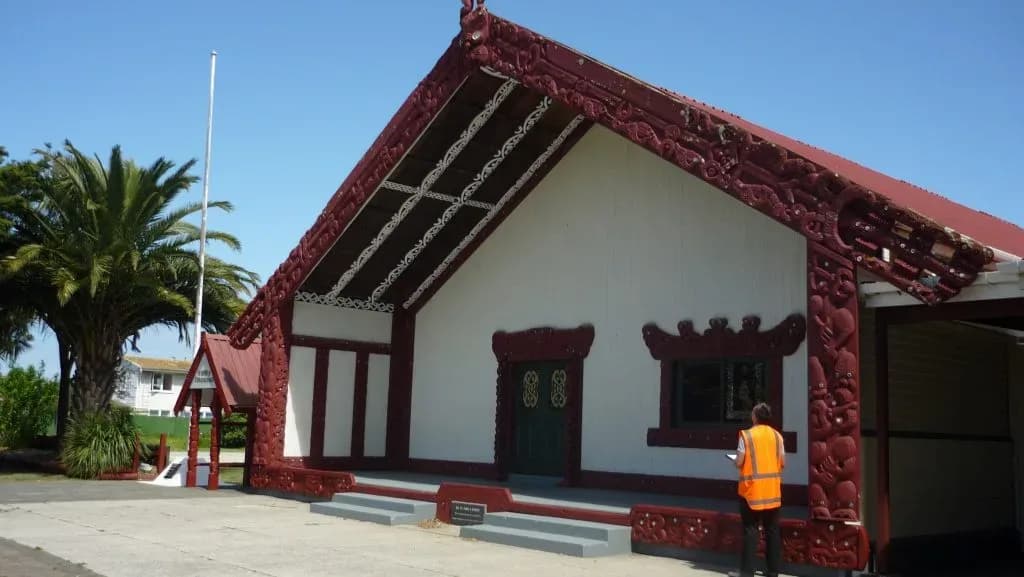
Te Poho-o-Rāwiri Marae
Gisborne
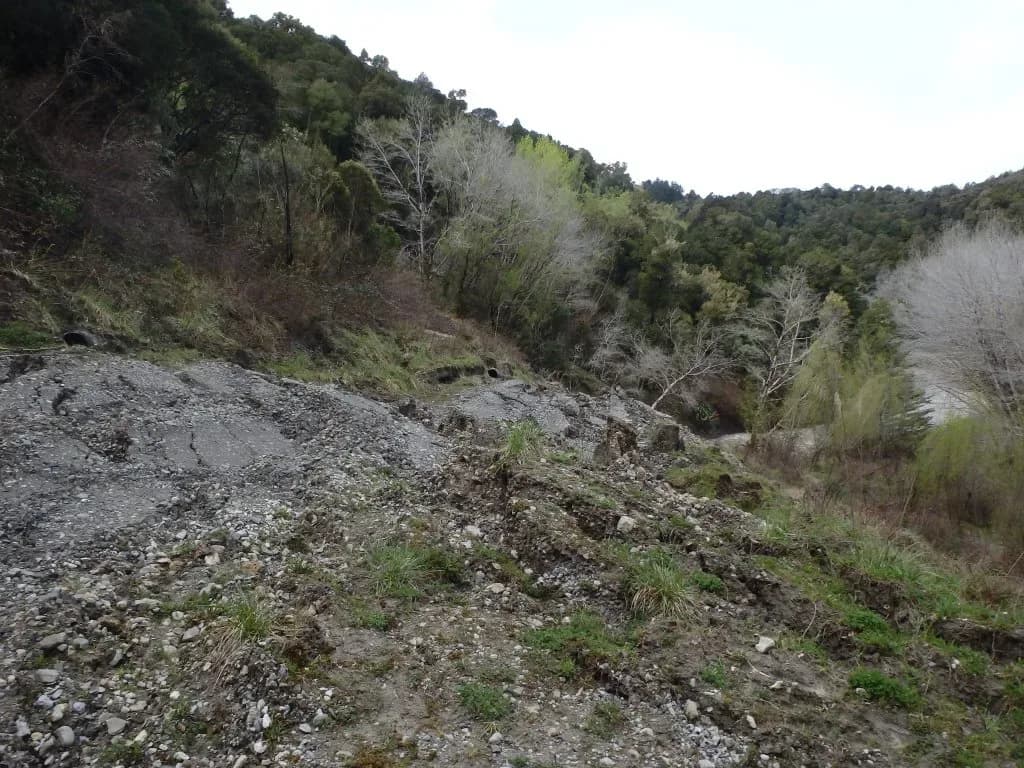
Tauwhareparae Road Landslide
Tauwhareparae, Gisborne
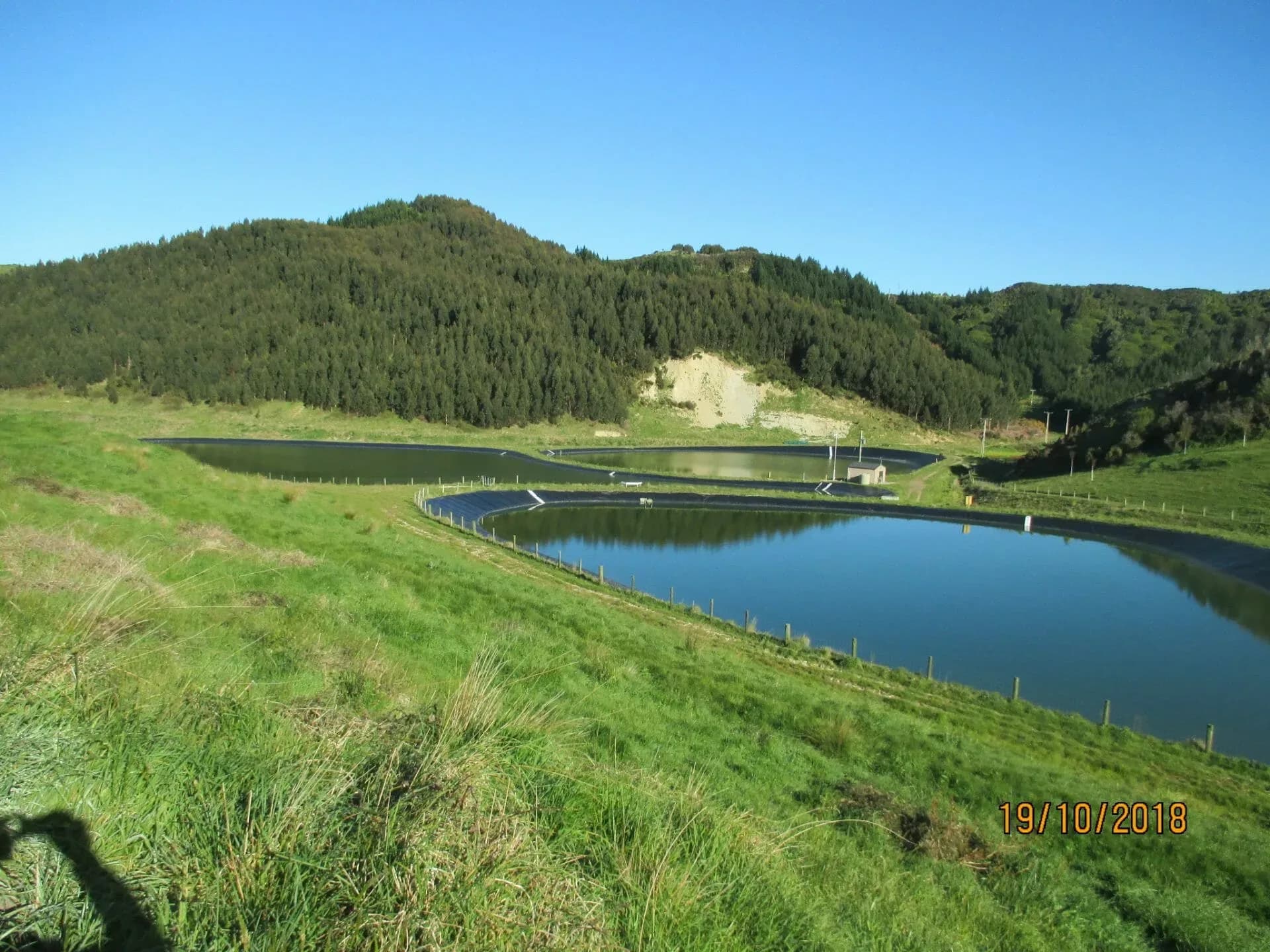
Mahia Wastewater Treatment Ponds
Mahia
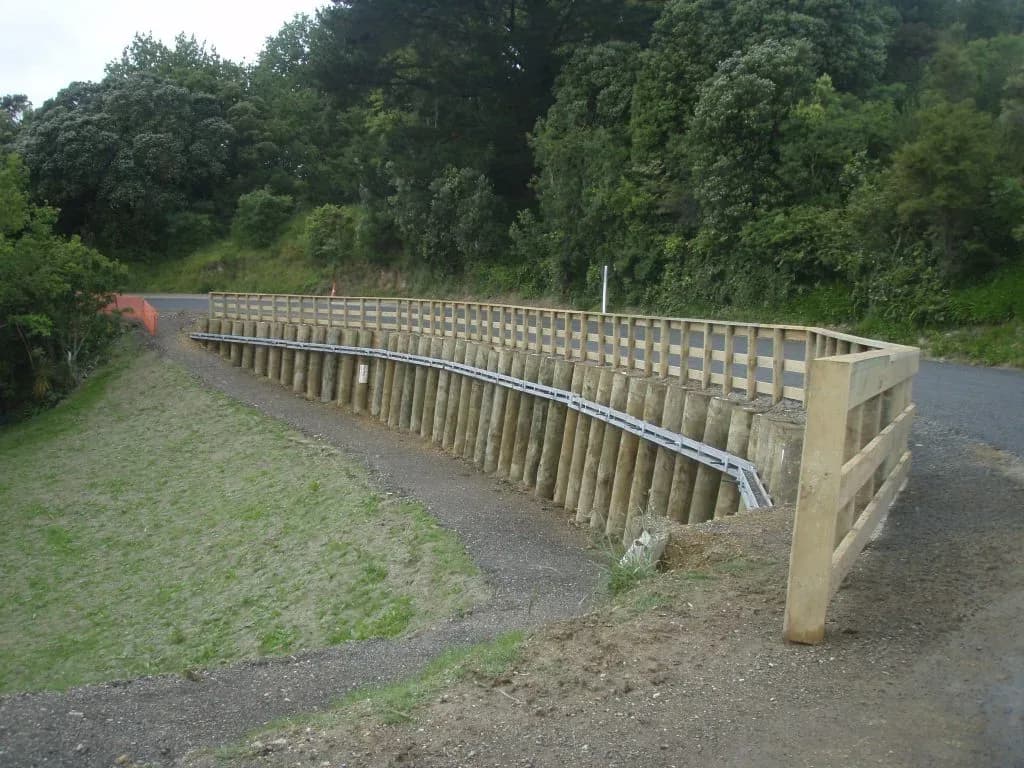
Kaiti Hill Plaza Retaining Wall
Gisborne
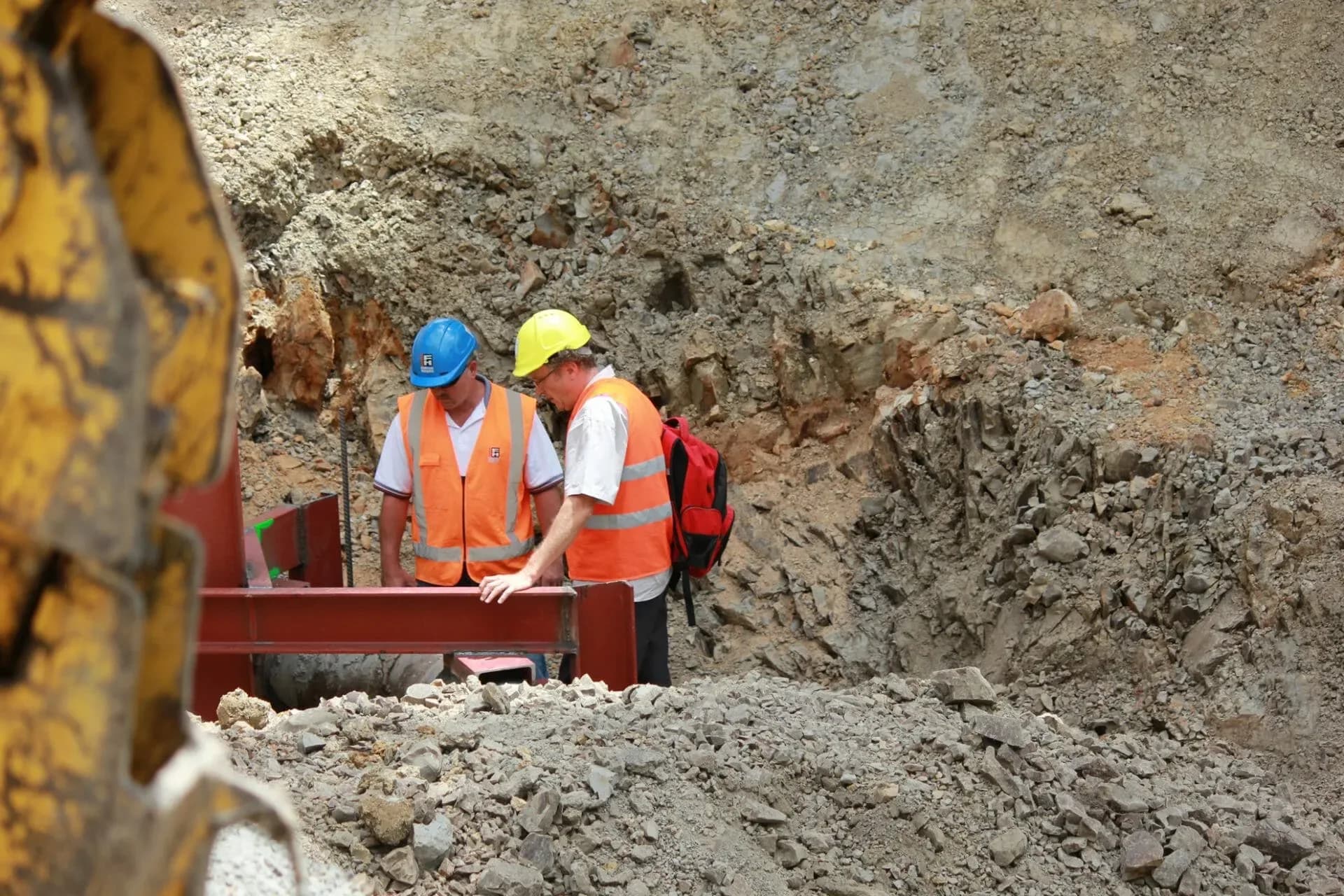
Gisborne Water Supply Pipeline
Gisborne District Council
Tarewa Road, Gisborne