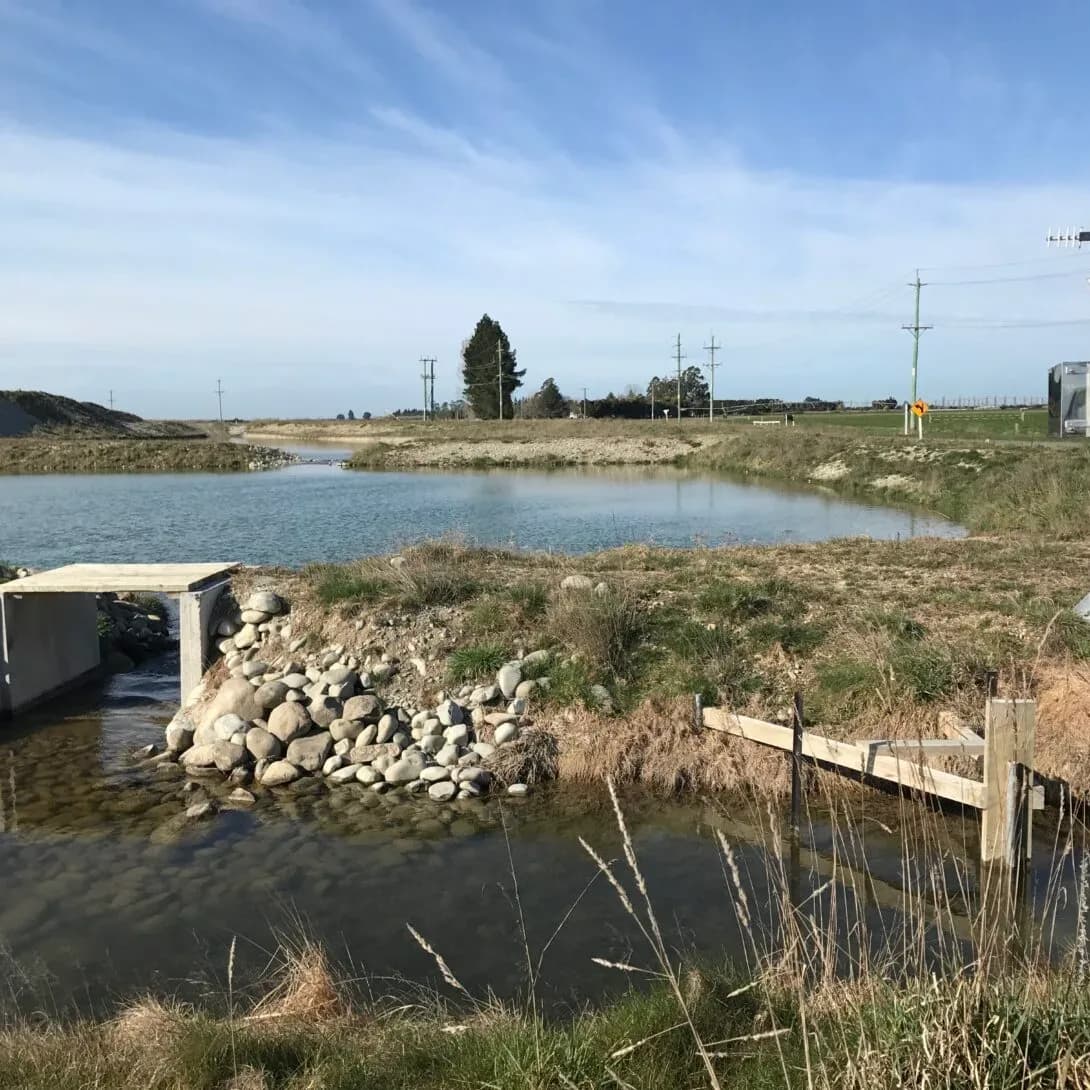
Managed Aquifer Recharge in Whakatāne
The Rangitāiki Plains carry some of the Eastern Bay of Plenty’s most productive land, and the aquifers beneath them support intensive farming and horticulture. Demand on that groundwater rises through the growing season, and with a finely balanced relationship between surface water, drainage and the aquifer, storing water for the dry months is worth careful thought. Managed aquifer recharge offers a way to bank water underground when it is plentiful and recover it when crops need it, working with rather than against the plains.
LDE provides managed aquifer recharge and aquifer storage and recovery engineering for the Eastern Bay. We start with feasibility and the source water, assess whether the aquifer suits recharge, design trials, control water quality and clogging, and look after operation, monitoring and consenting. We help growers, councils and communities test whether MAR fits the local hydrogeology and source water, then design and monitor schemes suited to soft ground and a high water table.
For Whakatāne clients, that means a practical look at underground storage on the plains. Talk to our Whakatāne water team about your next project.
How our Whakatāne team delivers managed aquifer recharge
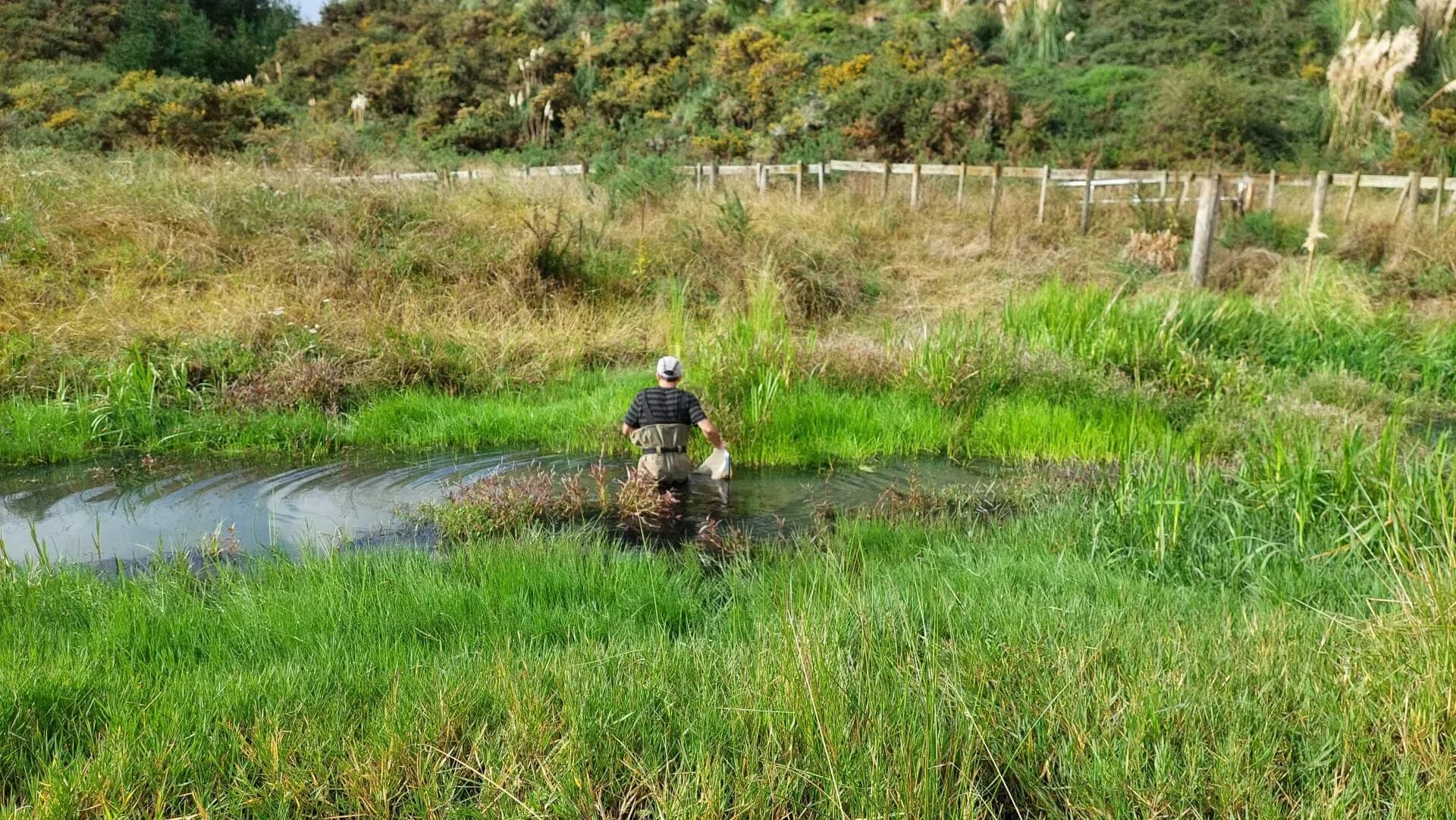
On the Rangitāiki Plains, managed aquifer recharge has to fit a finely balanced water system. The plains carry soft soils, a high water table and a managed drainage network, and the aquifers beneath support productive farming, so any recharge scheme has to be designed with that whole picture in mind. Our Eastern Bay team assesses the source water available, whether the aquifer can accept and store recharge in this setting, and the water quality required, then designs the recharge method, a trial and the monitoring that follow.
It is the same managed aquifer recharge capability we apply to water projects across the region, where groundwater and surface water are closely connected.
- Feasibility and source-water assessment for productive land on the plains
- Aquifer suitability assessment in soft, high-groundwater conditions
- Recharge trial design and aquifer storage and recovery (ASR) testing on the plains
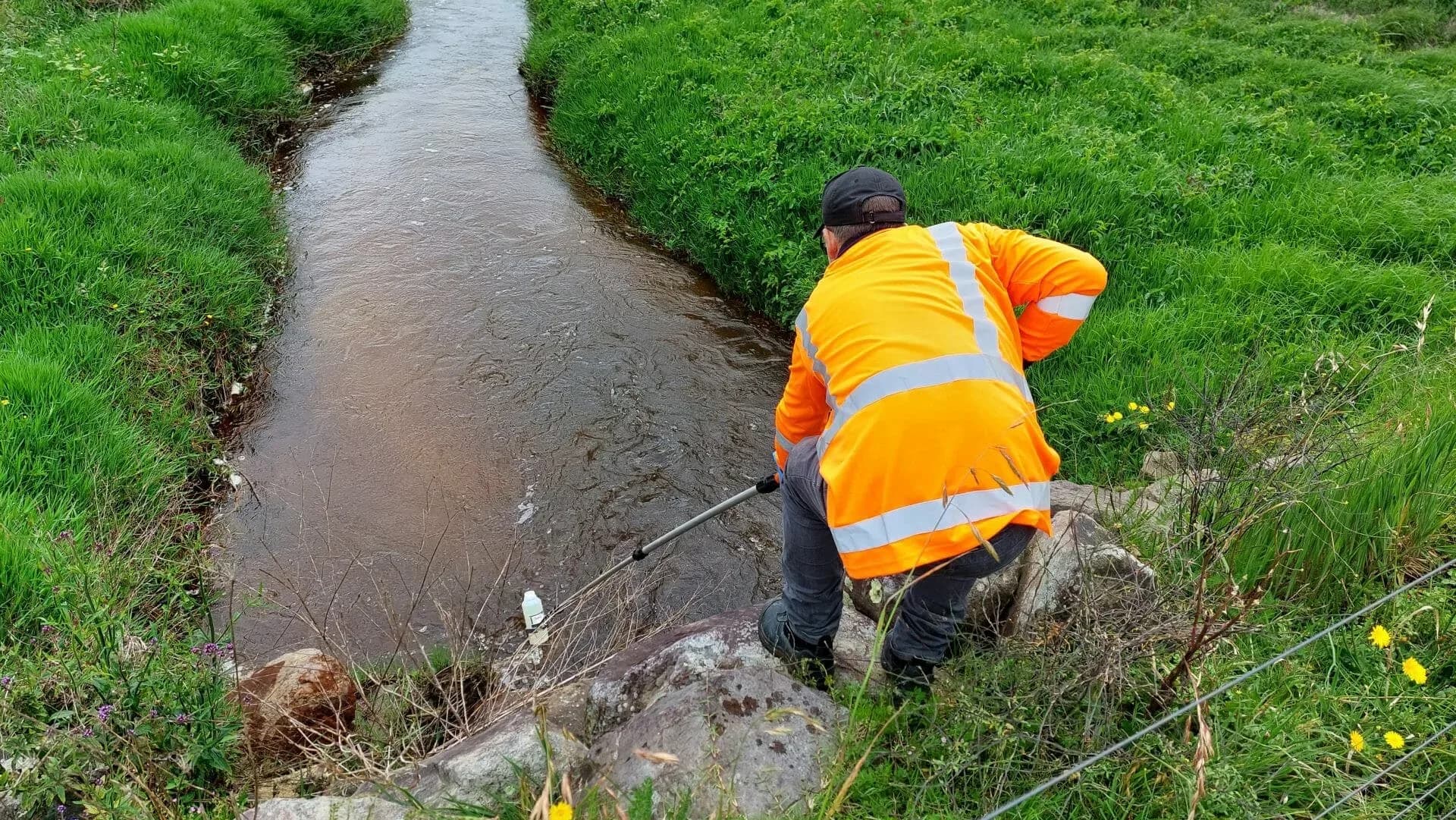
- Water-quality and clogging management with monitoring for high groundwater
Water security and consenting in the Eastern Bay
A managed aquifer recharge scheme on the plains involves takes, recharge and the connected drainage system, so it is consented through Bay of Plenty Regional Council Toi Moana under its regional, freshwater and drainage rules. Recharge water has to meet national freshwater policy, so we design to recognised guidance.
- Ministry for the Environment freshwater policy and the National Policy Statement for Freshwater Management
- Water New Zealand good-practice guidance for managed aquifer recharge
LDE managed aquifer recharge in the Eastern Bay of Plenty
LDE brings managed aquifer recharge and aquifer storage and recovery thinking to the Rangitāiki Plains, where productive land leans heavily on groundwater and the water system is tightly interconnected. Storing water underground for the dry season is one option worth testing here, and we help growers and councils work through whether the local hydrogeology supports it. The same capability supports our resources clients. You can explore more of our regional water delivery on the projects page.
Common questions about managed aquifer recharge in the Eastern Bay of Plenty
Could managed aquifer recharge work on the Rangitāiki Plains?
It is worth assessing. The plains have productive aquifers under heavy seasonal demand, and managed aquifer recharge could bank water underground when it is plentiful for recovery later. The high water table and connected drainage make the feasibility work especially important here, so we test it carefully before recommending a scheme.
How does the high water table affect a recharge scheme?
A high water table and the plains’ drainage network shape how much recharge an aquifer can take and how the scheme is detailed. We assess these conditions as part of the feasibility study, so a scheme works with the plains and does not interfere with drainage or neighbouring users.
Who carries out LDE’s managed aquifer recharge work in Whakatāne?
Chartered Professional Engineers from our team, supported by LDE water and groundwater specialists across the Bay of Plenty and nationally.
How does MAR fit with the plains’ drainage and flood systems?
Because groundwater, drainage and surface water are connected on the plains, we design a recharge scheme to sit within that system rather than disrupt it, coordinating with the regional council’s drainage and flood management. Getting that integration right is part of making an Eastern Bay scheme both workable and consentable.
Bay of Plenty