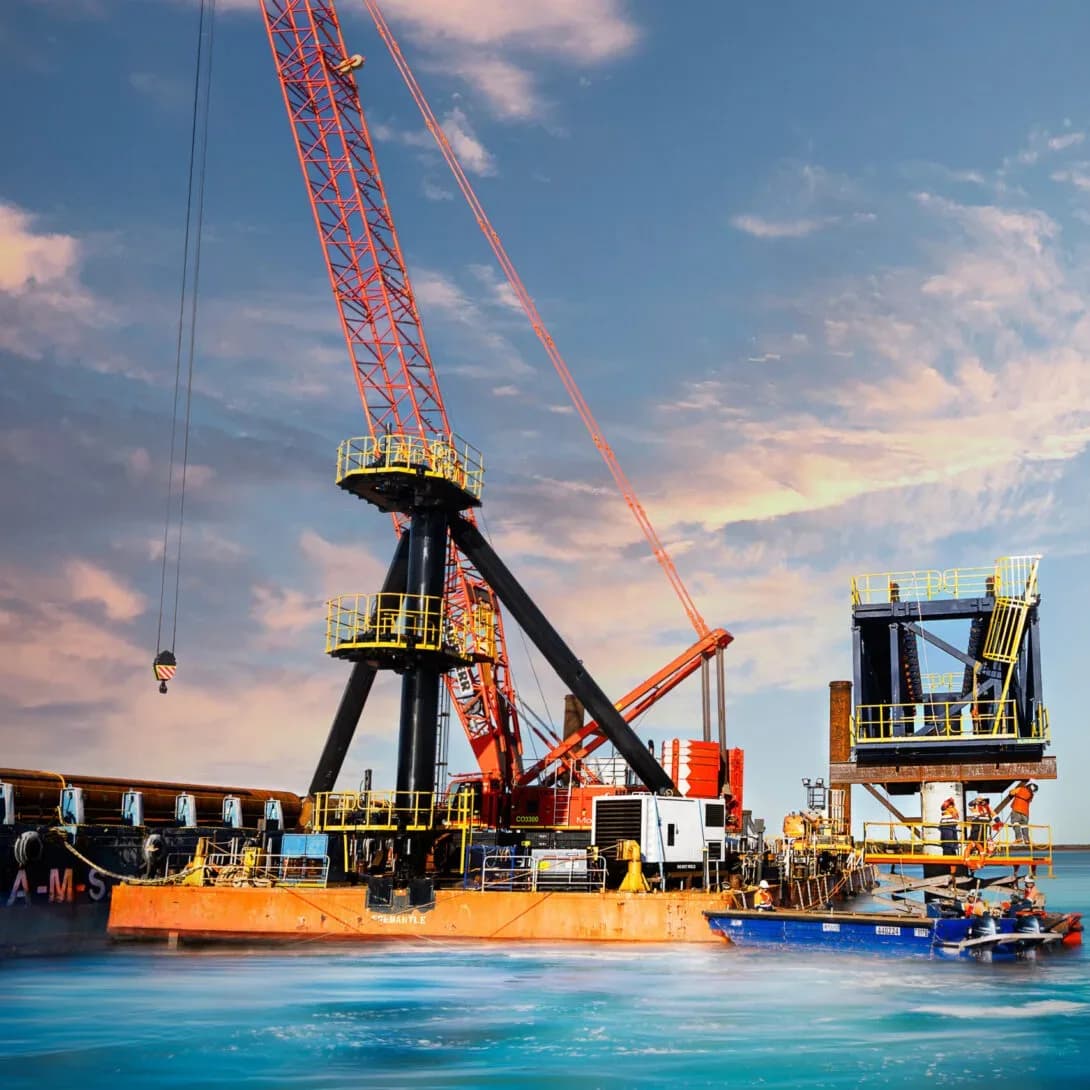
Maritime Engineering in Whakatāne
Whakatāne’s marine infrastructure sits where the river meets the sea, on a working river-mouth harbour that serves fishing, charter and recreational fleets. Wharves and jetties line the Whakatāne River entrance, the marina and boat ramps launch a busy fleet, and the structures here have to cope with river flow as well as tide and swell. Designing and renewing that infrastructure takes maritime engineering matched to a river-entrance setting, soft alluvial ground and an exposed coast nearby.
LDE brings wharf, jetty and pontoon design to the Eastern Bay, along with boat-ramp and mooring work, navigation-aid support and the condition inspections that keep river-mouth structures safe. We help the district, operators and landowners plan, build and renew the marine access this harbour depends on. Our Chartered Professional Engineers pair local knowledge with the wider LDE network, so Eastern Bay clients get durable, buildable marine structures suited to a distinctive river-mouth port.
Talk to our Whakatāne team about your next maritime project.
How our Whakatāne team delivers maritime engineering
Whakatāne’s harbour is a working river entrance, so marine structures here have to handle river flow and sediment as well as tide and the swell that pushes in from the coast. Our Eastern Bay team designs wharves, jetties and pontoons for the river-mouth setting, plans boat ramps and moorings for the fishing and recreational fleet, and details everything for the current, the soft alluvial bed and the loads each structure carries. On ageing river-mouth structures we inspect condition, assess capacity and design the repairs or replacements that keep berths and ramps in service.
It is the same maritime engineering capability we apply to ports and marine projects, alongside the water experience this river-mouth setting demands.
- Wharf, jetty and pontoon design for a working river-mouth harbour
- Boat ramp and marine-access design for fishing and recreational fleets
- Mooring layouts and navigation-aid support at the river entrance
- Condition inspection and renewal of ageing river-mouth structures
Marine consenting and standards in the Eastern Bay
Marine structures around Whakatāne are consented through Bay of Plenty Regional Council Toi Moana in the coastal marine area, with building consents and land-side approvals through Whakatāne District Council. We design to that framework and to recognised national maritime standards and guidance.
- Maritime New Zealand navigation safety and river-entrance requirements
- Standards New Zealand structural, loading and durability standards for marine structures
LDE maritime engineering in the Eastern Bay of Plenty
LDE designs and renews marine structures across the Eastern Bay, from wharves and jetties on the Whakatāne river entrance to pontoons, moorings and boat ramps for the local fleet. We understand the river flow, the soft alluvial ground and the combined river and coastal conditions these structures face, and we plan them to be durable and serviceable in a demanding river-mouth setting. You can explore more of our regional marine delivery on the projects page, and read about our ports and marine capability nationally.
Common questions about maritime engineering in the Eastern Bay of Plenty
What makes the Whakatāne harbour challenging for marine structures?
It is a working river entrance, so structures face river current and sediment movement as well as tide and incoming swell. Wharves, jetties and ramps have to be designed for those combined conditions rather than for a sheltered harbour alone.
Can LDE inspect and renew an ageing river-mouth wharf or jetty?
Yes. We inspect the piles, deck and connections, assess remaining capacity, and design repairs, strengthening or replacement. On a busy river-mouth harbour, this renewal work keeps the fishing and recreational fleet operating safely.
Who leads LDE’s Eastern Bay maritime work?
Chartered Professional Engineers from our team, supported by LDE specialists across the Bay of Plenty and nationally.
How does river flow affect the design of a marine structure here?
River current adds load to piles and can scour the bed around a structure, so we account for flow and scour alongside tide and wave action when we design wharves, jetties and ramps at the entrance. Designing for the combined river and coastal regime is what keeps a Whakatāne marine structure stable and durable over its life.
Bay of Plenty